4D & 5D BIM Services

Manage construction timelines with time-linked BIM models for improved project delivery.

4D BIM Services

Link Your Construction Schedule to BIM for Better Project Control

At MaRS Trans USA, we offer 4D BIM services that integrate your project’s geometry with real-time construction schedules to simulate the build sequence over time. With 20+ years of AEC industry expertise, a team of 250+ BIM professionals, and experience across 1,800+ coordinated projects. We help project teams improve construction planning and site execution.

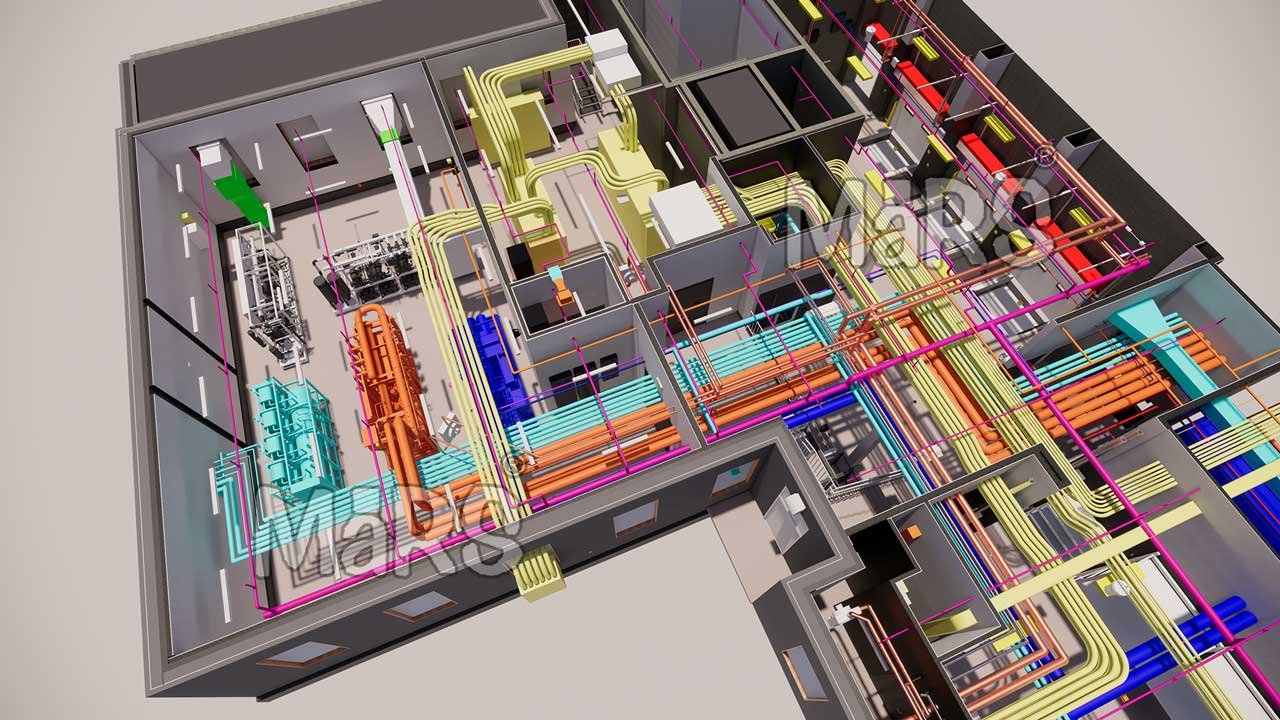
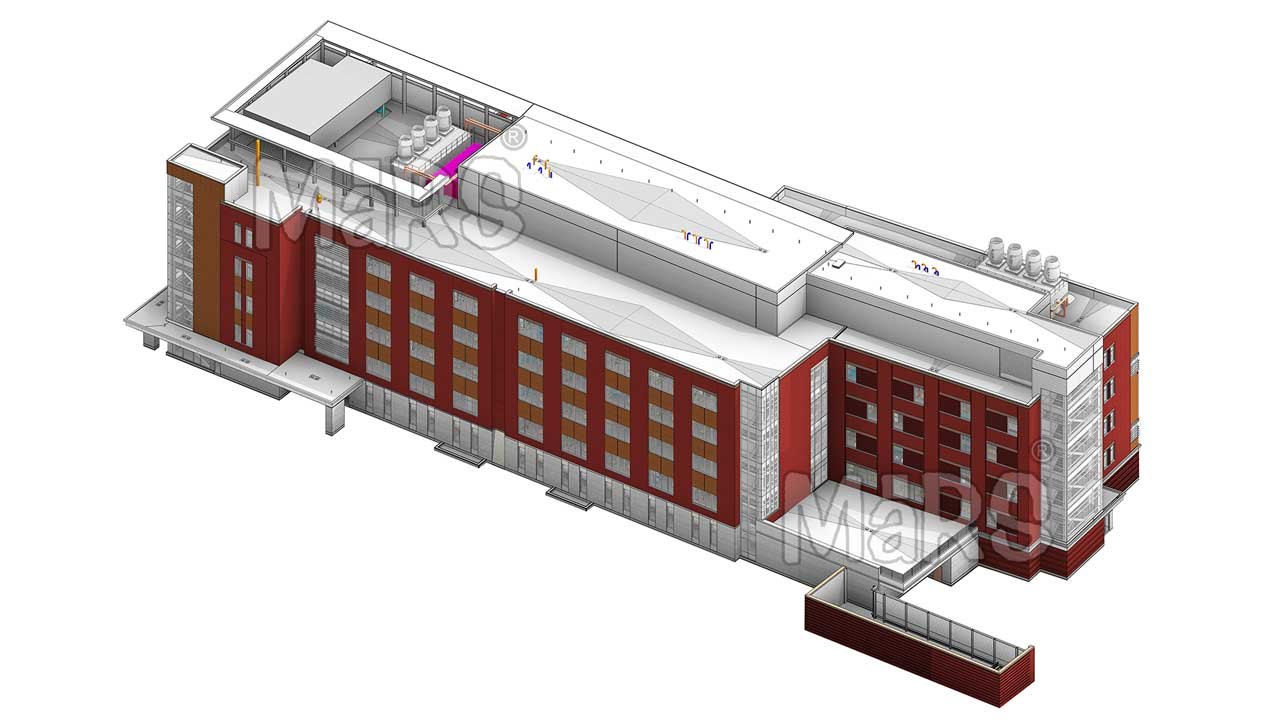
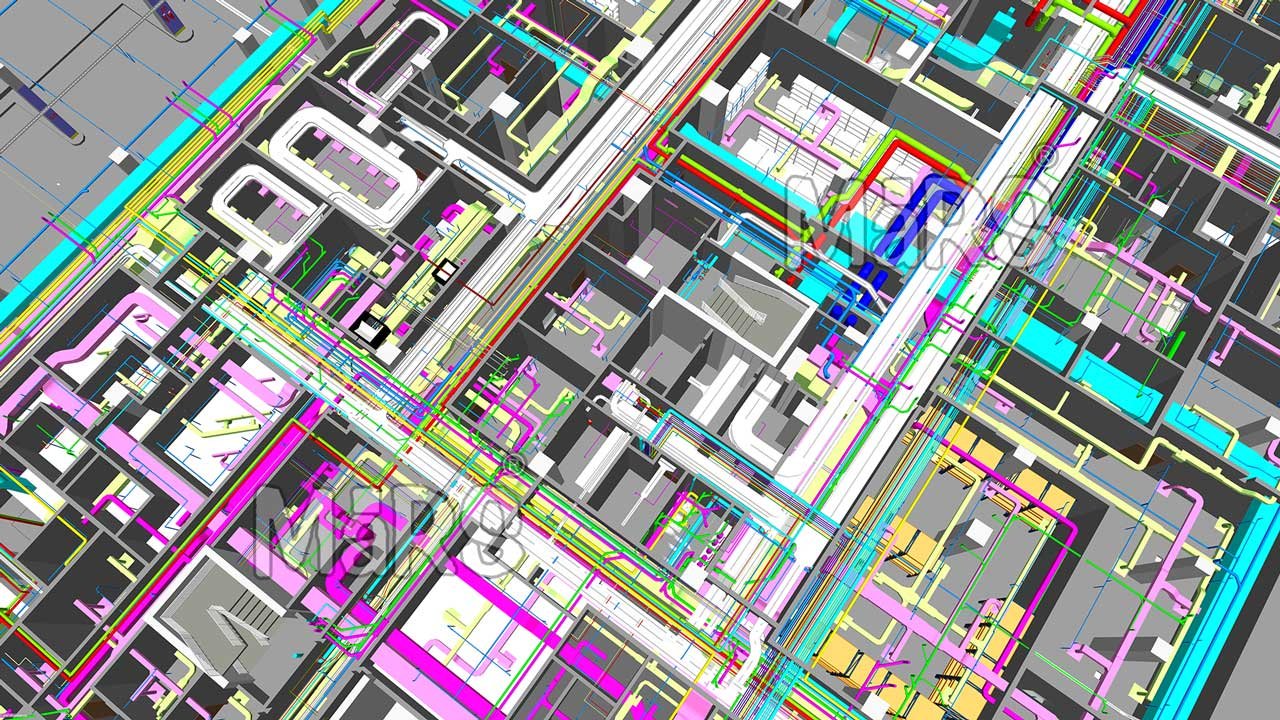
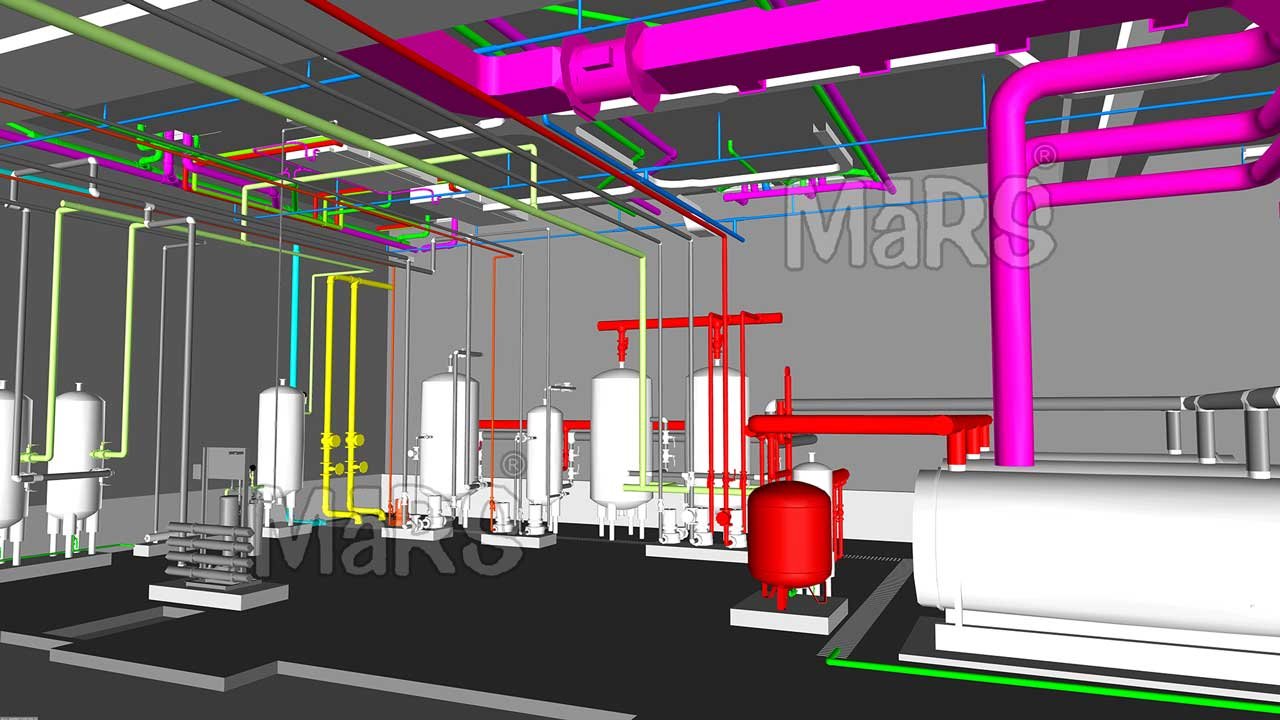
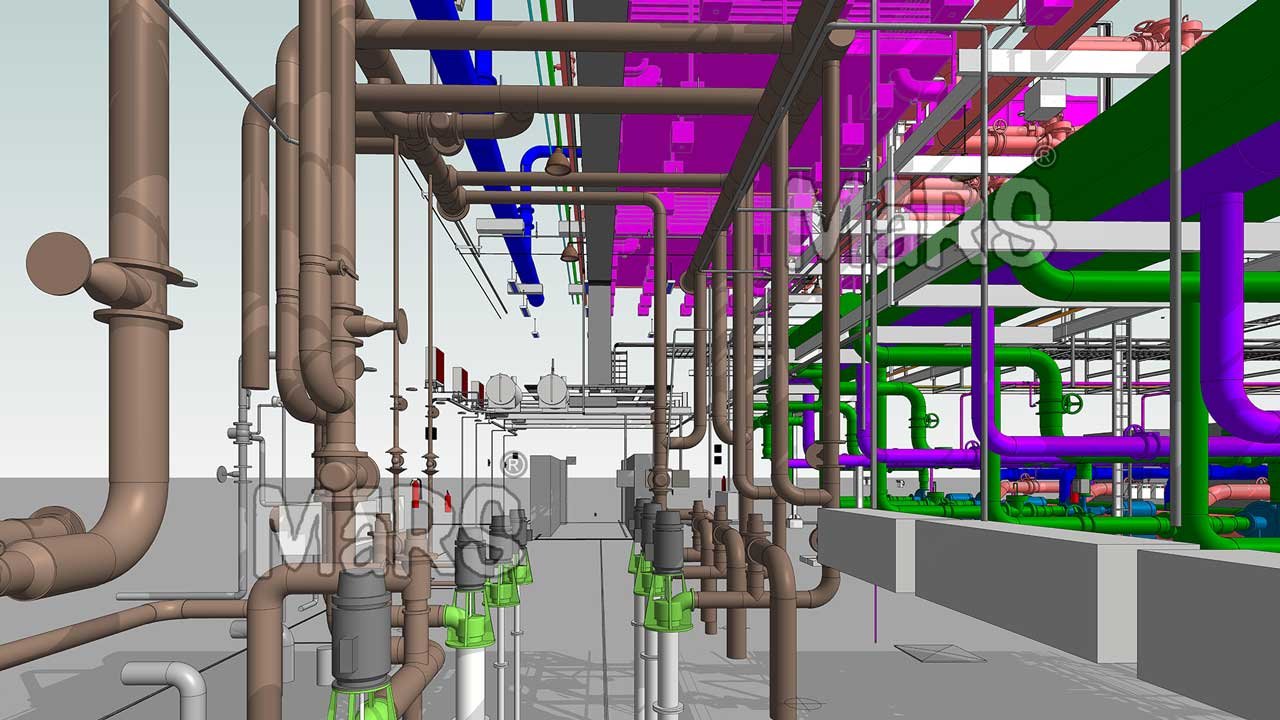
We use tools like Navisworks, Synchro, and Autodesk Revit to link federated BIM models with construction timelines. This integration creates dynamic, time-based visualizations that allow all stakeholders, such as owners, consultants, planners, and contractors, to understand what will happen, when, and where on the project site.

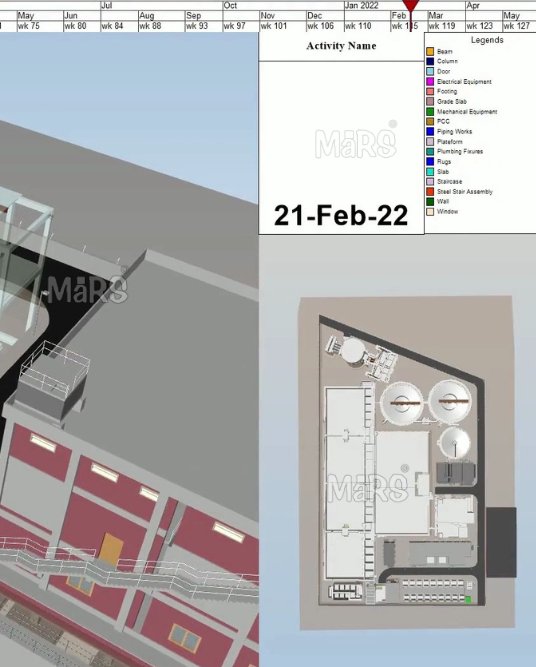
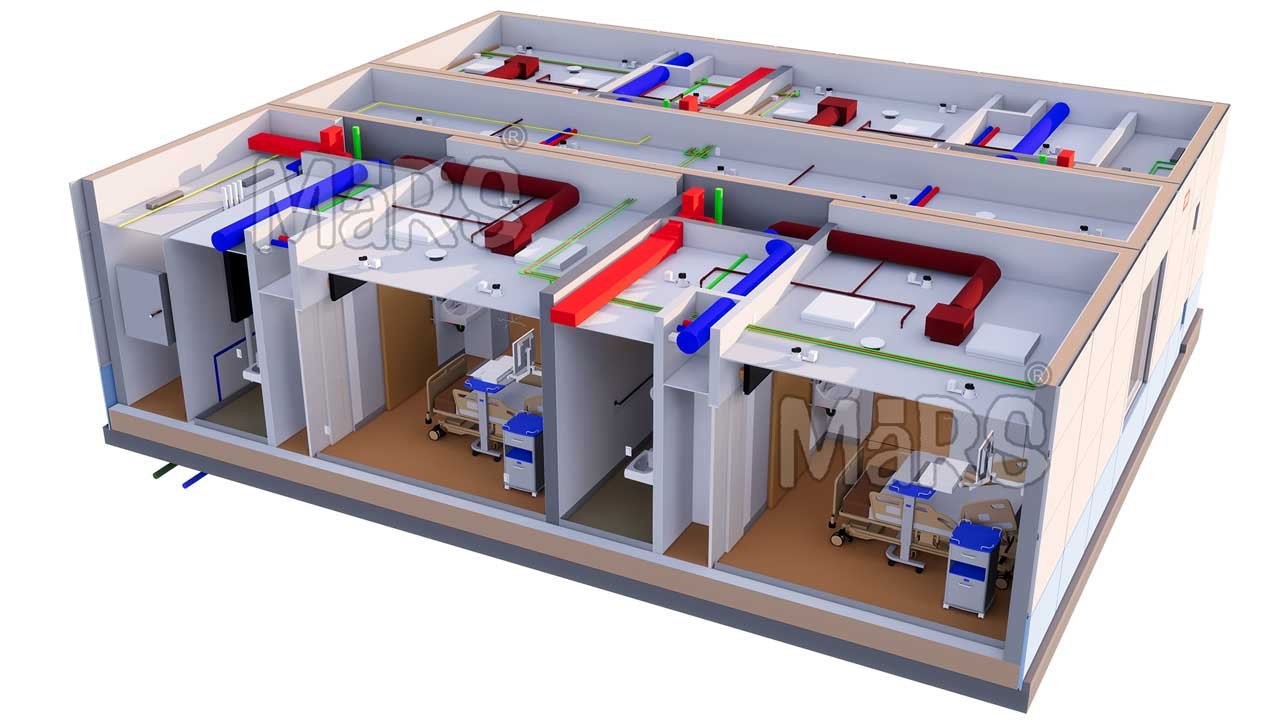
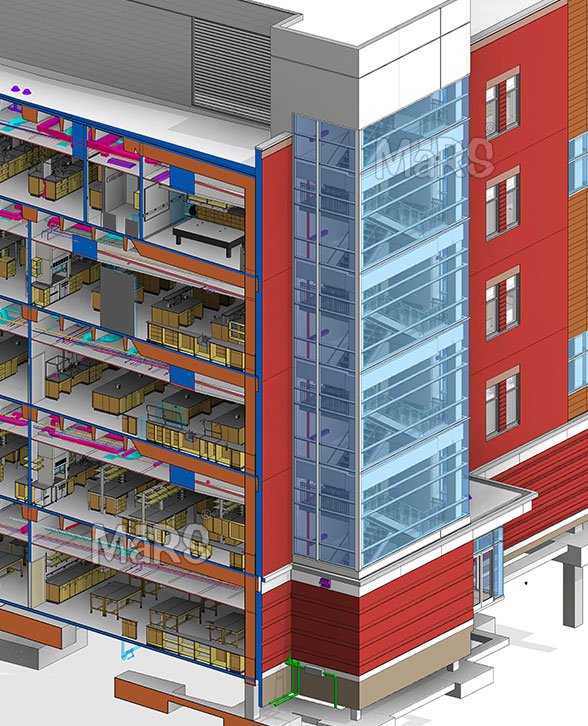
Our 4D BIM simulations provide more than visual clarity; they help identify workflow clashes, resource conflicts, and access issues before they impact progress. These models support tendering, stakeholder presentations, trade sequencing, and site logistics. Whether it’s a hospital, commercial tower, or infrastructure project. We provide the foresight needed to minimize disruptions, improve coordination, and deliver projects on schedule and with greater confidence.

Our 4D BIM simulations provide more than visual clarity; they help identify workflow clashes, resource conflicts, and access issues before they impact progress. Our 4D BIM simulations provide more than visual clarity; they help identify workflow clashes, resource conflicts, and access issues before they impact progress. These models support tendering, stakeholder presentations, trade sequencing, and site logistics. Whether it’s a hospital, commercial tower, or infrastructure project. 

Benefits of 4D & 5D BIM Services

Model-Linked Scheduling
Schedules connect with model elements, helping teams view task flow, study progress, plan activities, and coordinate construction timelines across multiple project stages with clarity.
Trade-Wise Sequencing
4D simulations highlight structural, envelope, interior, and MEP work order, helping teams avoid overlaps, improve site flow, and coordinate trades during construction phases.
Cost-Driven Planning
5D workflows link quantities with rate data, helping commercial teams track spending movement, review financial shifts, update budgets, and guide planning through changing project requirements.
Early Delay Detection
Linked time simulations reveal clashes between tasks, crews, or site zones, supporting earlier detection of delays that help teams adjust plans before execution.
Cashflow Insights
Cost timelines display expenses, helping teams study distribution, review forecast movements, plan payments, and maintain clarity throughout project development.
Scenario Testing
Alternate sequence and cost options can be tested, helping teams compare outcomes, study resource impact, and select planning strategies aligned with project goals.

Examples of 4D & 5D BIM Services

BIM Modeling Market in the United States

The BIM market in the United States has experienced robust growth, driven by the increasing adoption of this technology across various sectors within the Architecture, Engineering, and Construction (AEC) industry. BIM’s ability to enhance project visualization, coordination, and efficiency has made it an indispensable tool for firms of all sizes, leading to significant market expansion and technological advancements.

Approximately 74% of architecture firms in the U.S. have implemented BIM, with large firms showing even higher adoption rates.[1]
The North American BIM market is projected to grow from USD 3.96 billion in 2025 to USD 7.78 billion by 2030, with a CAGR of 14.47%.[2]
While federal mandates for BIM use in public projects costing over USD 5 million are being considered, the current lack of a centralized government department overseeing infrastructure remains a challenge for standardization.[3]

1. PlanRadar. (2024, Oct 17). BIM in the US. Retrieved from https://www.planradar.com/us/bim-in-the-us/
2. Mordor Intelligence Research & Advisory. (2024, June). North America BIM Market Size & Share Analysis – Growth Trends & Forecasts (2025 – 2030). Mordor Intelligence. Retrieved February 15, 2025, from https://www.mordorintelligence.com/industry-reports/north-america-building-information-modelling-market
3. Allplan. (2022, May 18). Rising Influence of BIM in American Construction. Retrieved from https://www.allplan.com/blog/rising-influence-of-bim-in-american-construction/

Architecture Firms
Engineering Firms
Construction Firms
Government Projects
Others (Small Business)

Plan Smarter With 4D & 5D BIM Models That Simulate Construction in Motion

What Our Clients Say?

Trusted by Industry Leaders for Precision and Excellence

MaRS Trans USA offers 4D and 5D BIM services for accurate scheduling, cost planning, improved coordination, and effective delivery.

Got questions? We’ve Answered

FAQs

How does 4D BIM help improve project scheduling and planning?
4D BIM links model elements with timelines, helping teams visualize construction sequences clearly. This supports faster planning decisions, reduces uncertainty, and allows project managers to track activities with improved clarity across various project stages. Our workflows also integrate insights relevant to 4D Construction Sequencing.
How does 5D BIM support budgeting and cost evaluation during projects?
5D BIM connects model components with cost data, giving teams accurate quantity insights. This helps monitor budget impacts, review financial options, and track cost-related changes efficiently throughout project planning and execution phases, including processes associated with 5D Cost Planning.
What information do you need from us to start 4D and 5D BIM modeling?
We begin with your models, schedules, quantities, cost data, and project standards. If something is missing, we guide you clearly so the workflow stays aligned, organized, and ready for timeline and budget integration.
Can your 4D and 5D outputs support contractors during live project execution?
Yes. Our models offer clear sequencing views, defined quantities, and organized cost parameters.These details help contractors monitor progress, compare planned and actual conditions, and coordinate project tasks effectively across active construction environments.
How does 4D Construction Sequencing help identify potential delays early?
4D sequencing allows teams to review construction activities visually, compare task dependencies, and study workflow patterns. This helps spot timing conflicts early and supports smoother coordination during planning meetings, look-ahead sessions, and ongoing project reviews.
Can your 4D sequencing outputs be aligned with weekly or monthly project updates?
Yes. We align the model-linked schedule with updated timelines, activity shifts, and site progress data. This helps project teams create updated sequence animations and maintain clarity during ongoing construction discussions and reporting cycles.
How does 5D Cost Planning support financial analysis during design development?
5D workflows combine quantities, material options, and design variations with cost data. This helps teams study financial impacts early, compare alternatives, and support informed decisions during schematic design, detailed design, and preconstruction discussions.
Can your 5D data help track cost changes when design revisions occur?
Yes. When design updates are introduced, quantities and cost-linked parameters are adjusted accordingly. This helps project owners and contractors track budget movement, review updated scenarios, and manage financial planning across project stages.