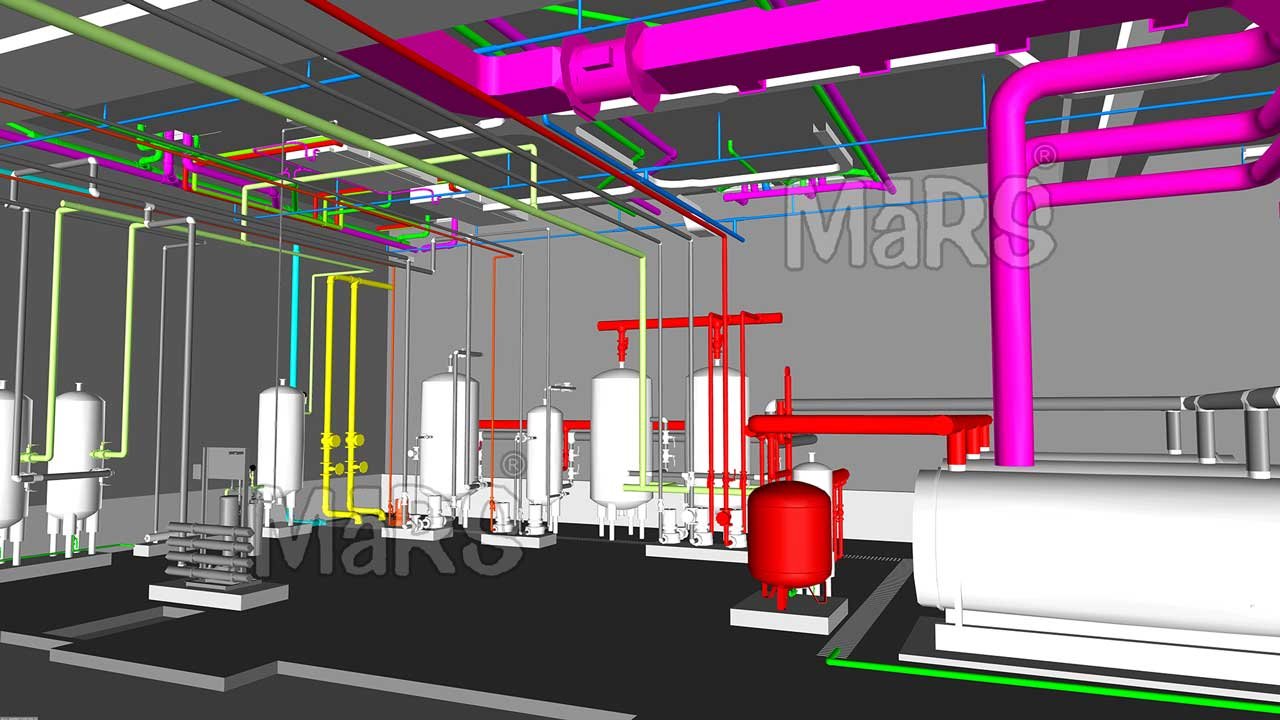
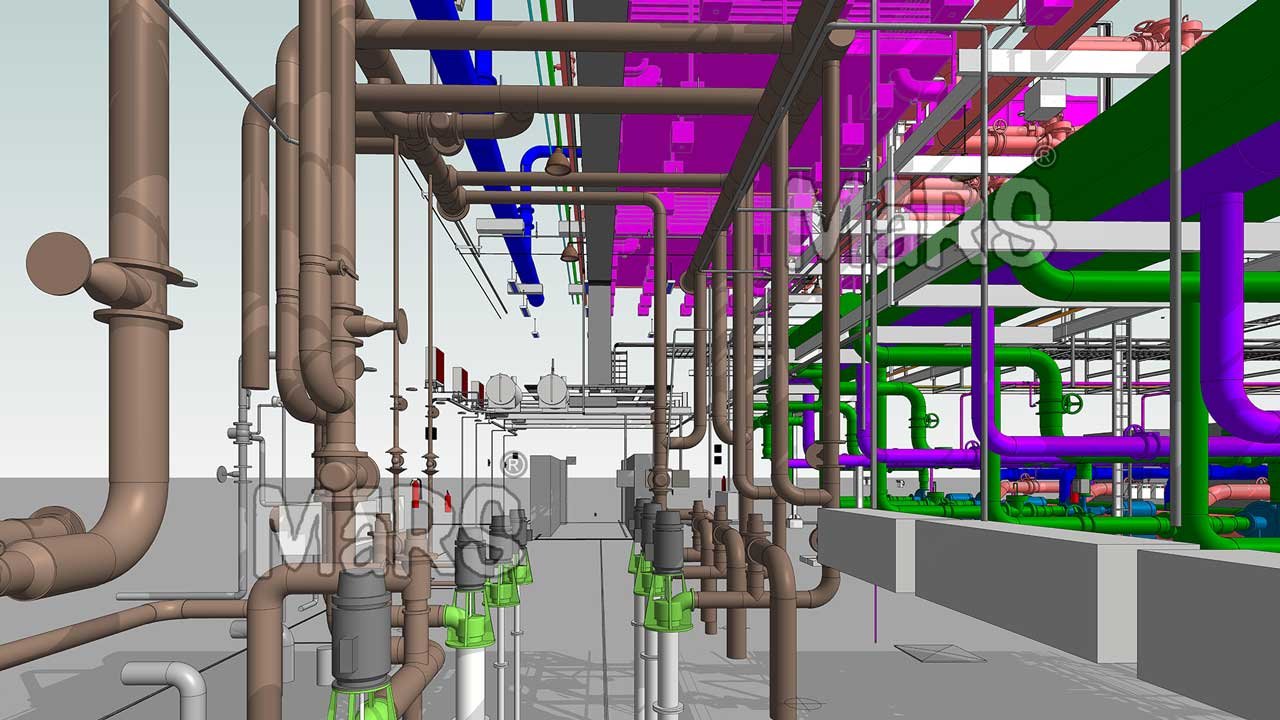
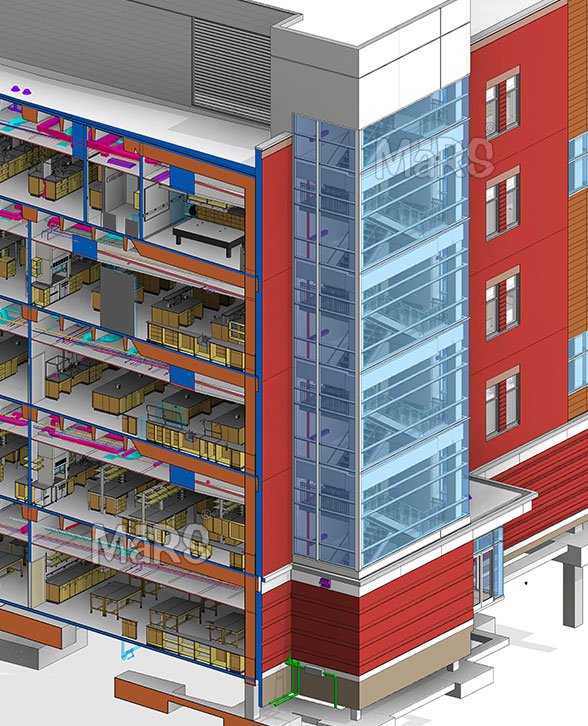
6D & 7D BIM For Facilities Management

Data-rich models that support long-term building operations, asset tracking, and facility maintenance workflows.

Why Choose Marsbim

Facility-Centric BIM Solutions Supporting Operational Efficiency

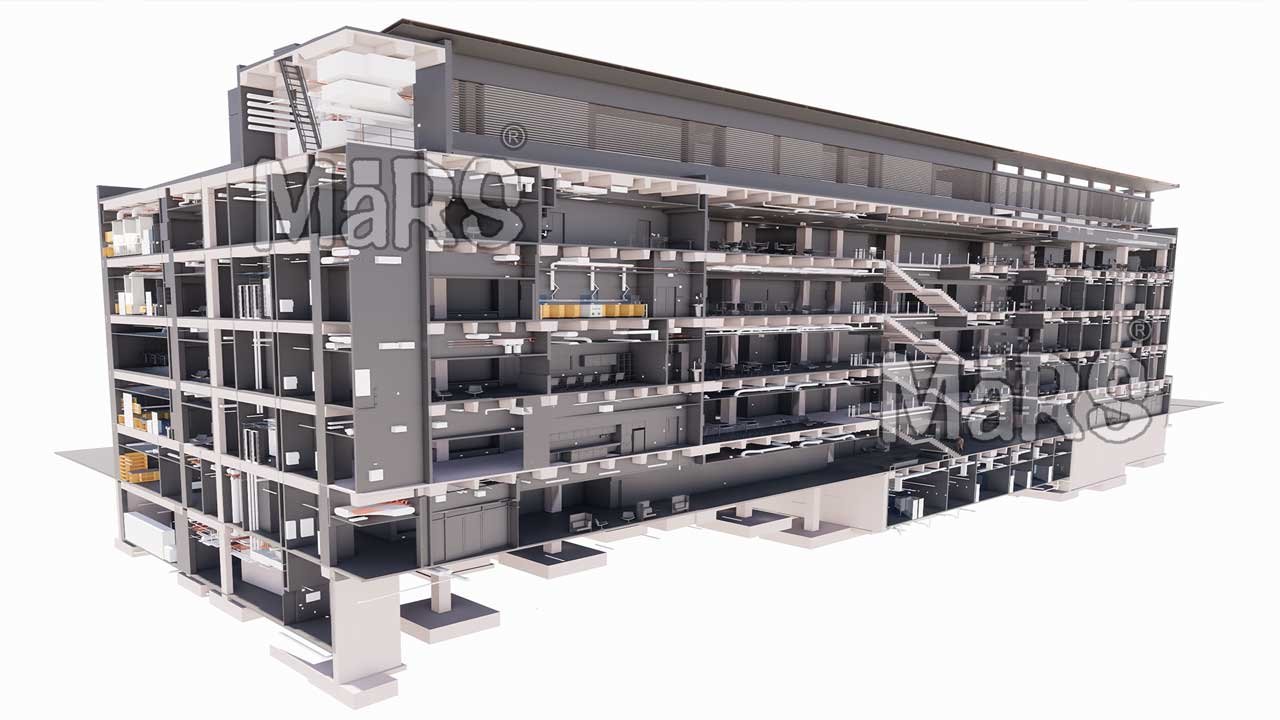
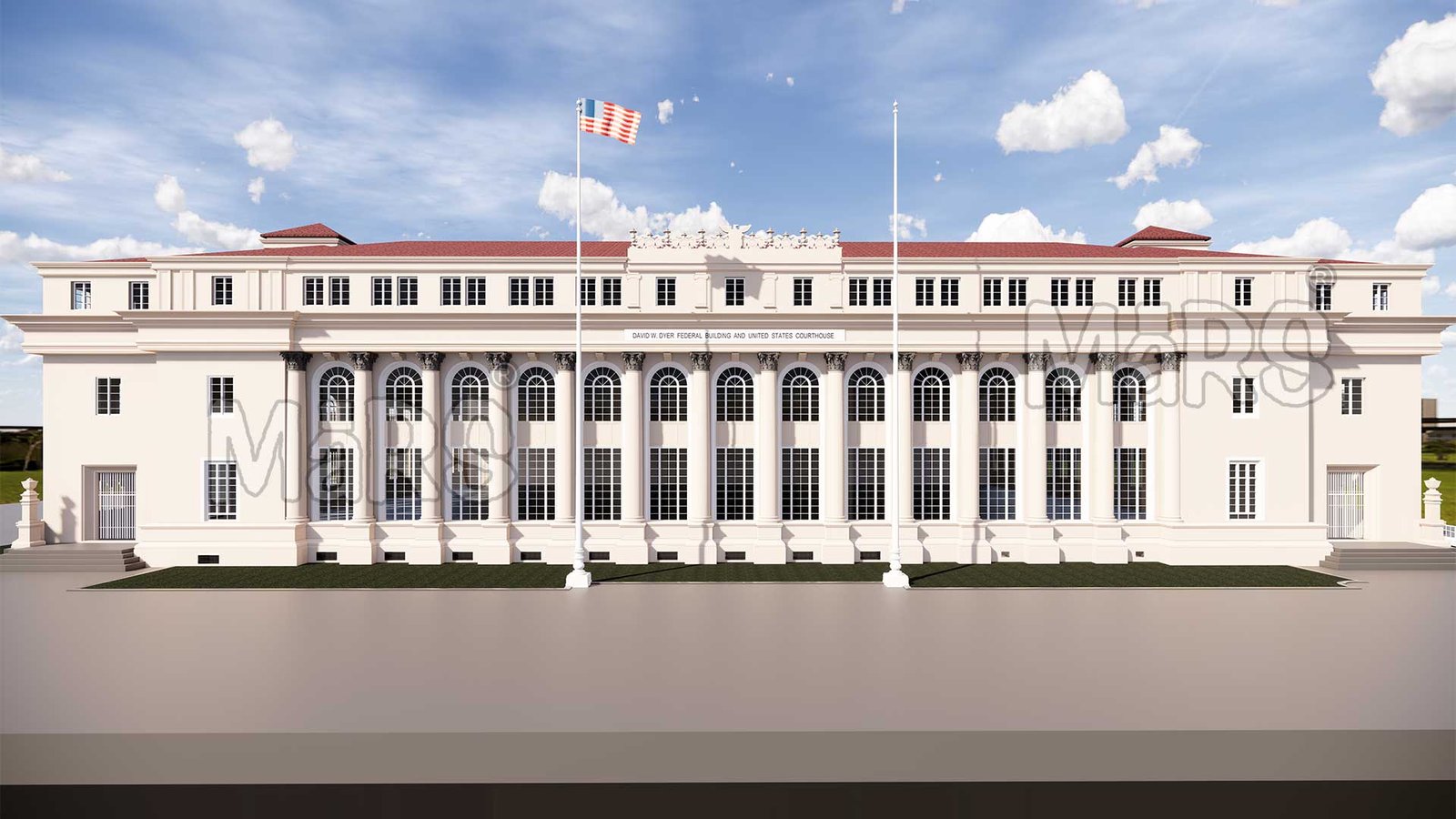
At MaRS Trans USA, we deliver 6D and 7D BIM services that push BIM data beyond construction and bring greater clarity to building performance and future operations. With 20+ years of AEC experience, a team of 250+ BIM specialists, and involvement in more than 1800+ projects, we convert project information into practical digital models. Our approach gives owners and facility teams strong support for lifecycle planning, sustainability studies, and long-term asset oversight.

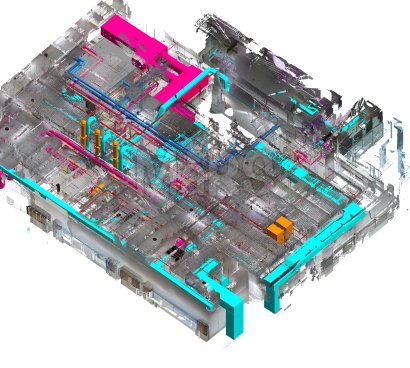
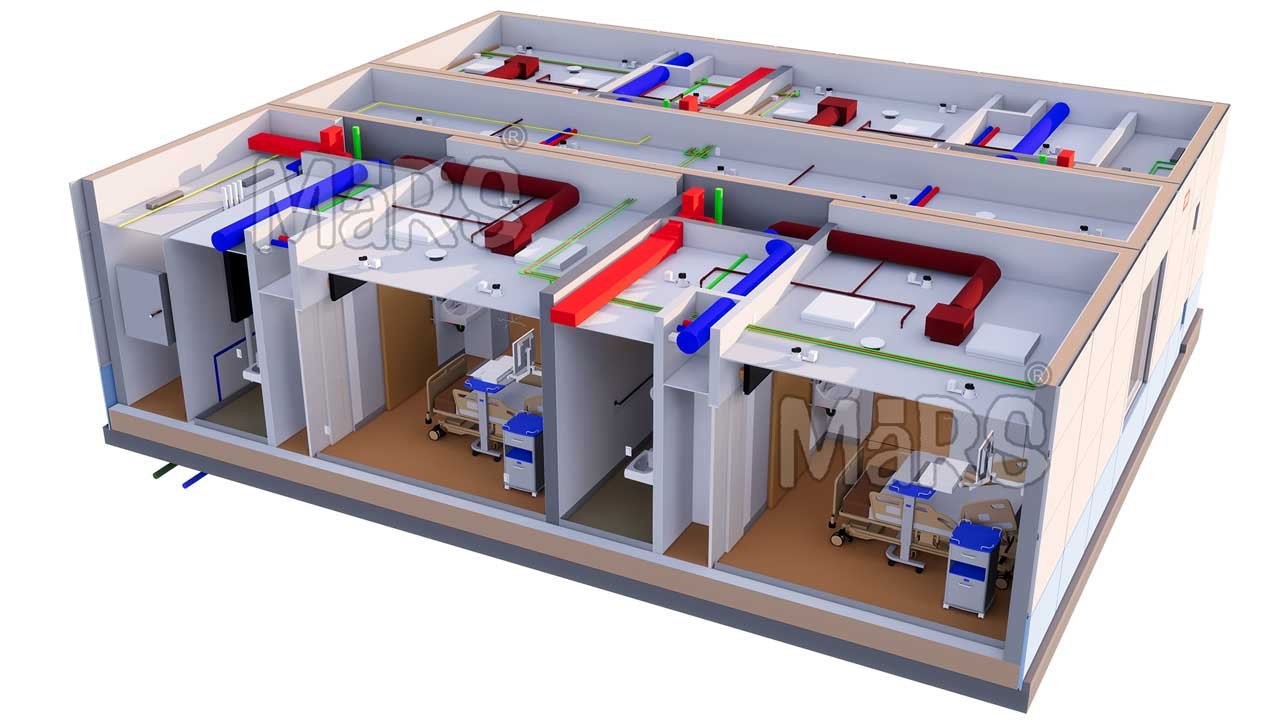
Our 6D BIM services place cost, material, and energy details directly into the model. This approach helps project stakeholders study lifecycle costs, examine design choices, compare long-term outcomes, and plan budgets with greater accuracy throughout the life of a building.

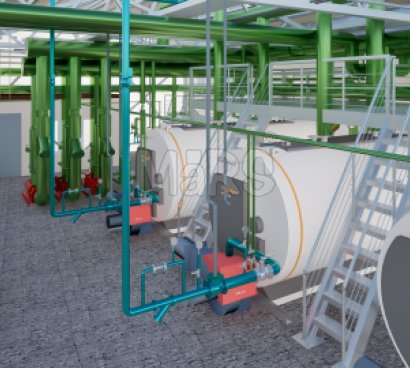
Our 7D BIM services add asset data such as serial numbers, installation dates, manufacturer information, maintenance cycles, and warranty periods to model elements. We link these details to zones and equipment IDs, allowing facility teams to track assets, plan maintenance activities, review equipment history, and manage building operations with clear, model-based information.

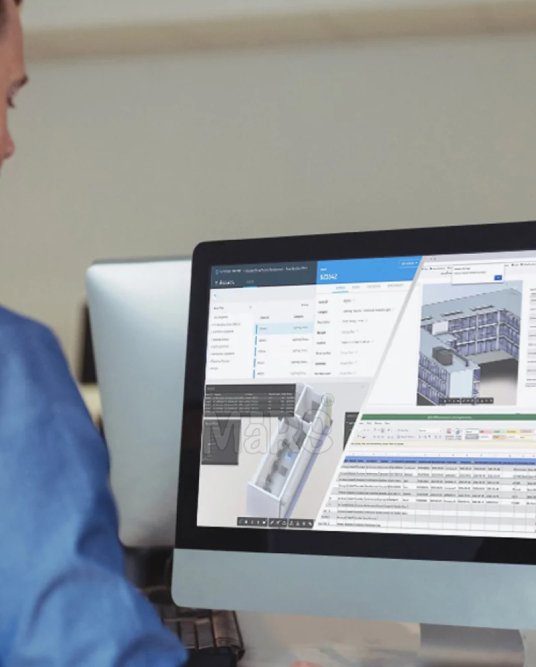
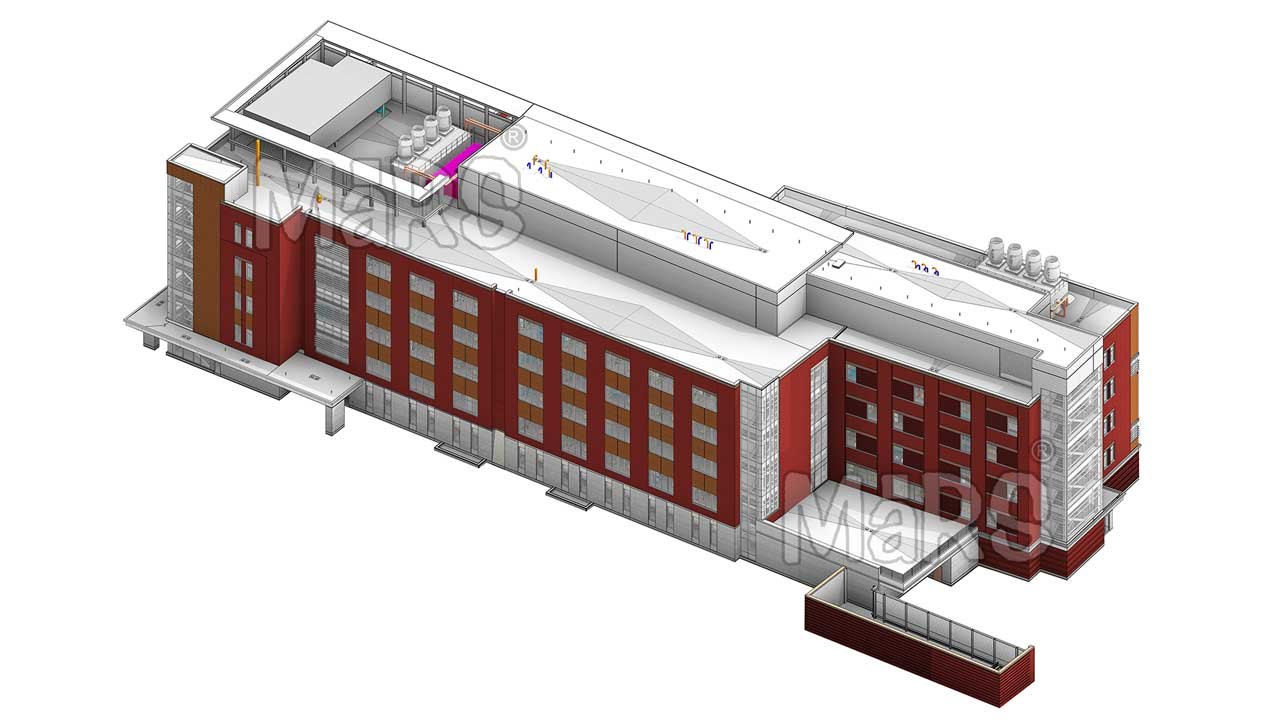
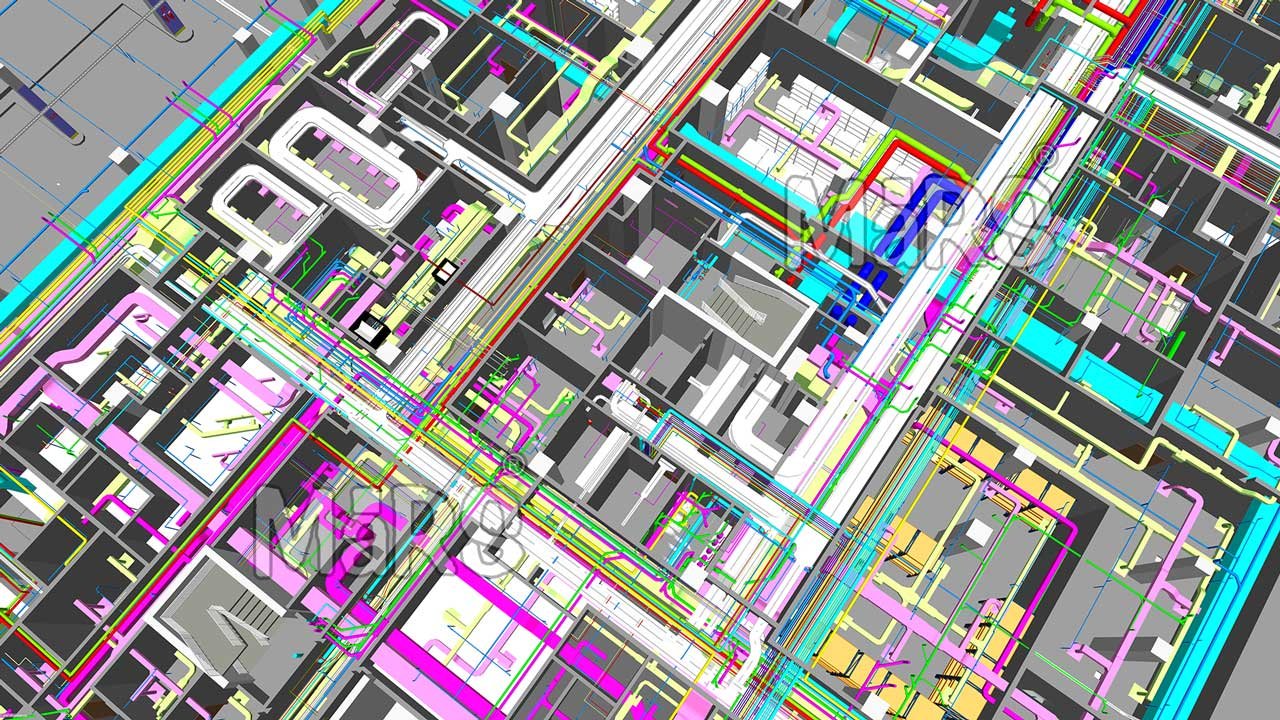
We prepare 6D and 7D BIM models that work with major CAFM and CMMS platforms, and we provide outputs in COBie or custom API formats to match client systems. Whether the project involves healthcare facilities, airports, campuses, industrial sites, or commercial buildings. Our models support FM teams, reduce operational costs,  asset control, and guide informed decisions from handover through the full life of the structure.

Benefits of 6D & 7D BIM Services

Lifecycle Asset Data
Our models operate as a digital twin containing specifications, warranty details, and component history, giving your team clear lifecycle information for long-term operational planning.
Maintenance Planning
We structure maintenance schedules with task intervals, service notes, and update logs, allowing teams to organize system upkeep with consistent visibility across building operations.
Energy Performance Insights
Sustainability data within the model outlines energy behavior, operational trends, and efficiency opportunities, supporting smarter decisions that improve long-term building performance.
Condition Monitoring
We organize condition records, inspection data, and component statuses so facility teams can identify issues early, refine maintenance planning, and sustain building performance effectively.
Asset Replacement
Lifecycle insights define replacement timelines, cost impacts, and priority levels, enabling teams to plan budgets proactively, forecast capital needs, and manage long-term asset strategies.
FM System Integration
Our models integrate with FM software, giving centralized access to assets, work orders, maintenance data, and operational information in one structured digital environment.

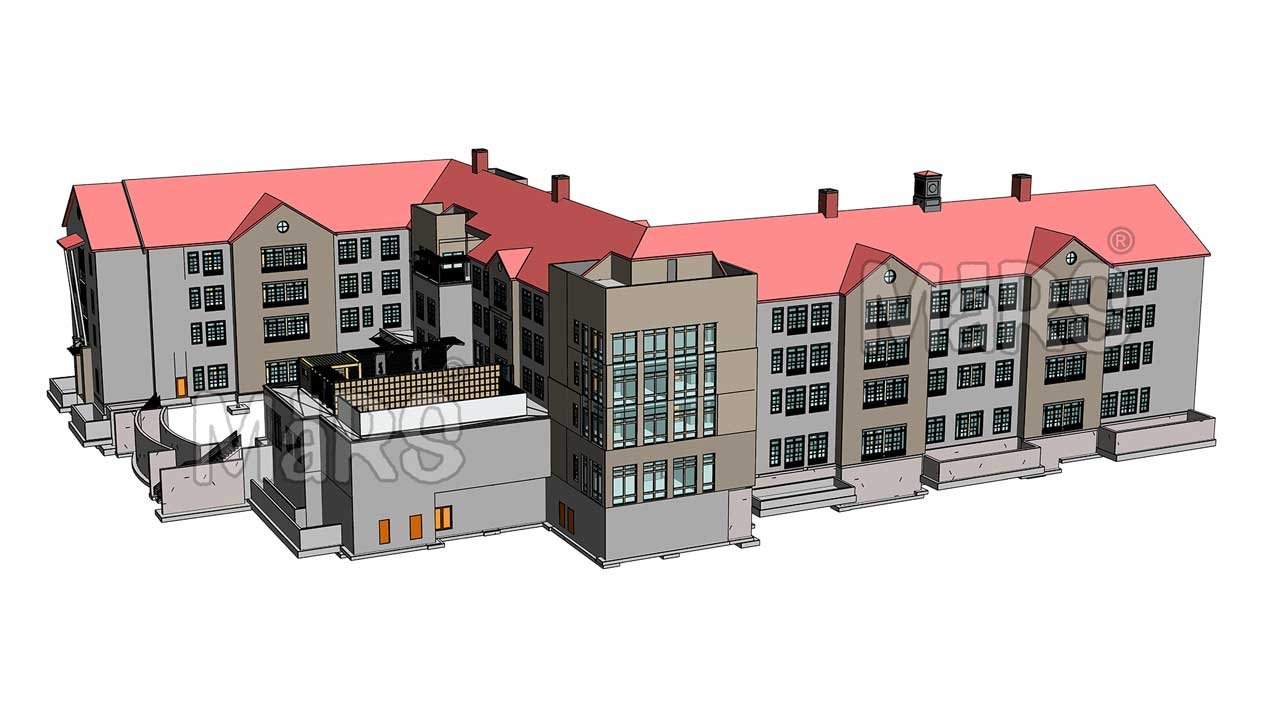
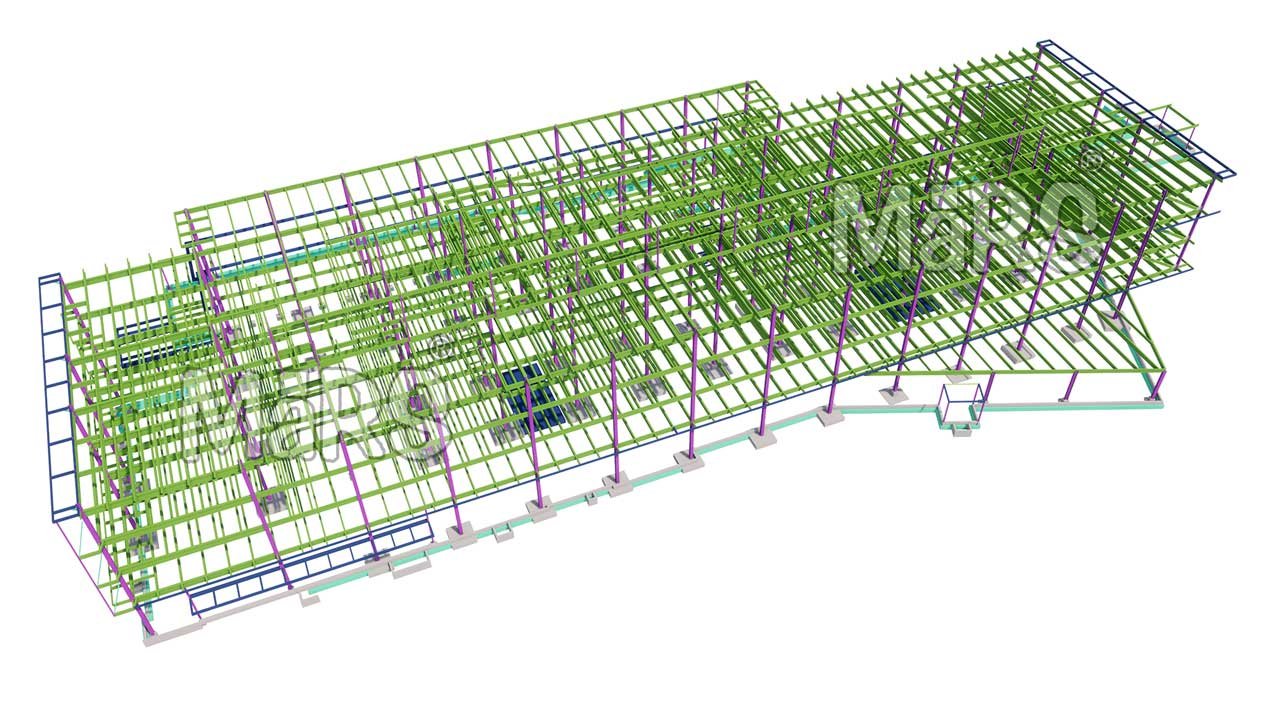
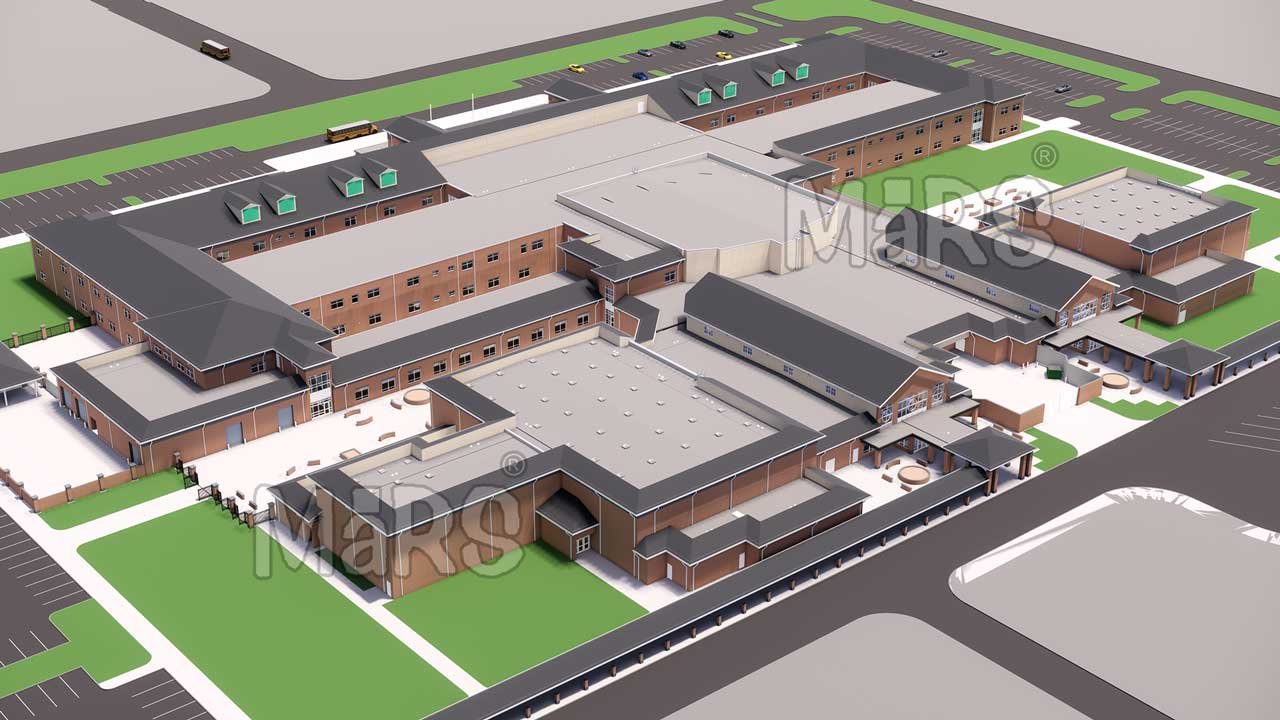
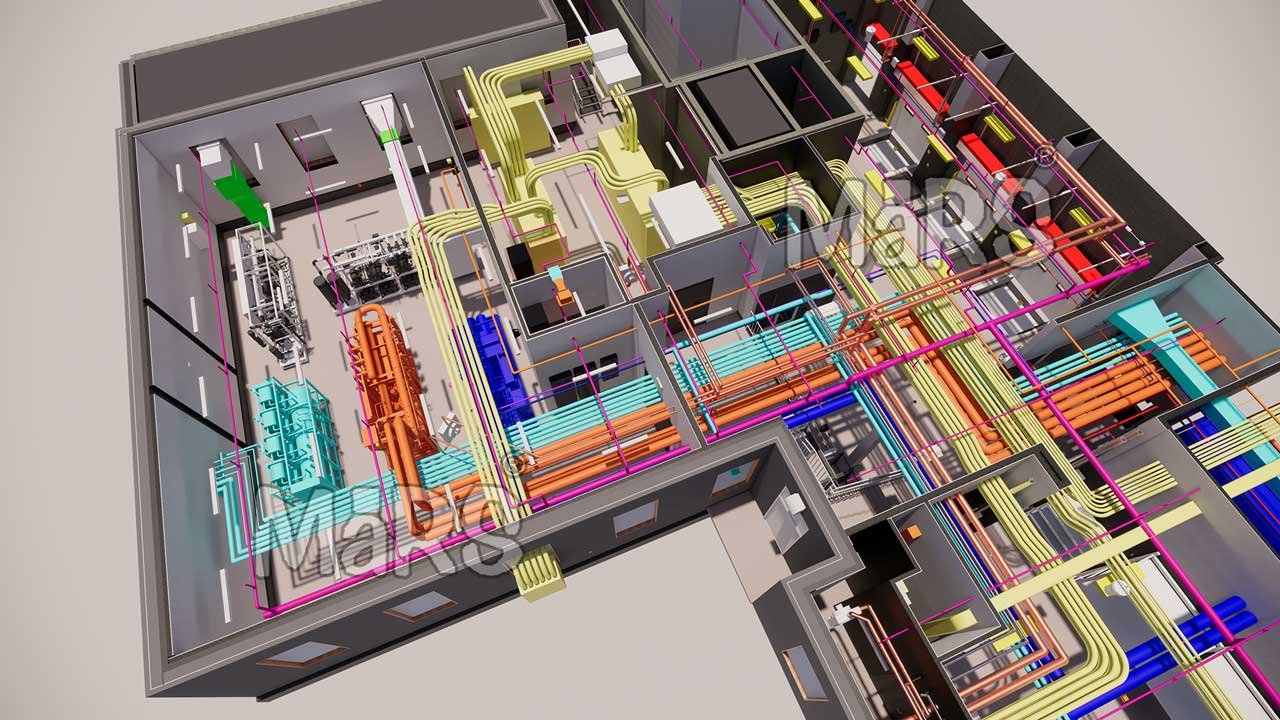
Examples of 6D & 7D BIM Services

BIM Modeling Market in the United States

The BIM market in the United States has experienced robust growth, driven by the increasing adoption of this technology across various sectors within the Architecture, Engineering, and Construction (AEC) industry. BIM’s ability to enhance project visualization, coordination, and efficiency has made it an indispensable tool for firms of all sizes, leading to significant market expansion and technological advancements.

Approximately 74% of architecture firms in the U.S. have implemented BIM, with large firms showing even higher adoption rates.[1]
The North American BIM market is projected to grow from USD 3.96 billion in 2025 to USD 7.78 billion by 2030, with a CAGR of 14.47%.[2]
While federal mandates for BIM use in public projects costing over USD 5 million are being considered, the current lack of a centralized government department overseeing infrastructure remains a challenge for standardization.[3]

1. PlanRadar. (2024, Oct 17). BIM in the US. Retrieved from https://www.planradar.com/us/bim-in-the-us/
2. Mordor Intelligence Research & Advisory. (2024, June). North America BIM Market Size & Share Analysis – Growth Trends & Forecasts (2025 – 2030). Mordor Intelligence. Retrieved February 15, 2025, from https://www.mordorintelligence.com/industry-reports/north-america-building-information-modelling-market
3. Allplan. (2022, May 18). Rising Influence of BIM in American Construction. Retrieved from https://www.allplan.com/blog/rising-influence-of-bim-in-american-construction/

Architecture Firms
Engineering Firms
Construction Firms
Government Projects
Others (Small Business)

Manage Facilities Smarter With 6D & 7D BIM Models

What Our Clients Say?

Trusted by Industry Leaders for Precision and Excellence

MaRS Trans USA provides 6D and 7D BIM services supporting facilities management with data, maintenance, and improved overall efficiency.

Got questions? We’ve Answered

FAQs

How does your Scan to BIM service help us reduce uncertainty during renovation or retrofit projects?
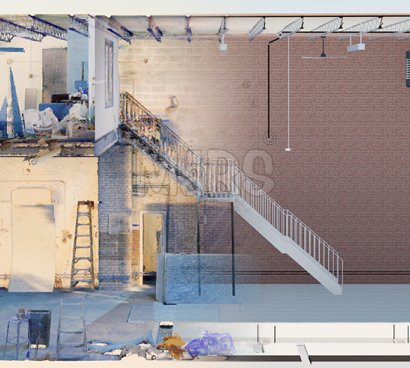
When we convert your point cloud into an accurate BIM model, your team gains a clear view of existing conditions before making design decisions. This minimizes assumptions, lowers risk, and helps you confidently plan layouts, structural checks, MEP routing, and overall project feasibility.
How does Scan to BIM help us verify site conditions before moving into detailed design?
We capture the exact site geometry through high-accuracy scanning and convert it into a precise BIM model. This lets your team confirm dimensions, locate deviations, and validate existing conditions early, reducing surprises and helping you move into design development with greater confidence.
How do your Scan to BIM models help our design team work faster and avoid rework?
We deliver organized architectural, structural, and MEP models created from verified site measurements. Because the model reflects the building exactly as it stands, your team avoids guesswork, detects conflicts earlier, and progresses through design reviews with fewer revisions and better alignment across disciplines.
What level of detail can you deliver, and how does it impact our construction planning and costing?
We provide LOD-based models from basic spatial layouts to highly detailed elements depending on your project’s needs. Higher detail supports more accurate quantity take-offs, tighter coordination, and clearer construction planning. You receive only what is necessary for your scope, preventing delays and unnecessary costs.
How does 6D BIM help support sustainability analysis during renovation or retrofit projects?
6D workflows link model elements with performance data, material properties, and energy metrics. This helps teams study efficiency options, review environmental impacts, and plan upgrades that align with long-term sustainability goals throughout planning and design phases.
Can 6D data help us evaluate lifecycle performance for building components?
Yes. The model incorporates lifecycle information such as durability, maintenance cycles, and replacement timelines. This helps owners compare alternatives, plan long-term strategies, and make informed decisions that support operational savings and future project forecasting.
How does 7D BIM support Facilities Management once the renovation is complete?
7D models include asset information, equipment details, and location-based data that help facility teams access records quickly. This supports smoother maintenance planning, quick issue resolution, and organized management of building components throughout the building’s operational life.
What value does Digital Twinning add when combined with Scan to BIM data?
Digital twins pair the as-built model with real-time or periodic updates, giving owners a dynamic view of building performance. This helps monitor changes, plan maintenance, optimize operations, and predict future issues more effectively across the building lifecycle.