Architectural BIM Services

Get detailed architectural models that support design clarity, construction accuracy, and project coordination from start to finish.

Why Choose Marsbim

Your Trusted Partner for Architectural BIM Services

At MaRS Trans USA, we specialize in delivering high-quality Architectural BIM Services to support architects, designers, contractors, and other stakeholders in the United States construction industry. With over 20 years of experience and a team of 250+ skilled professionals, including BIM modelers, coordinators, engineers, architects, draftsmen, and 3D artists, we provide accurate and data-driven BIM solutions tailored to meet U.S. building codes and standards.

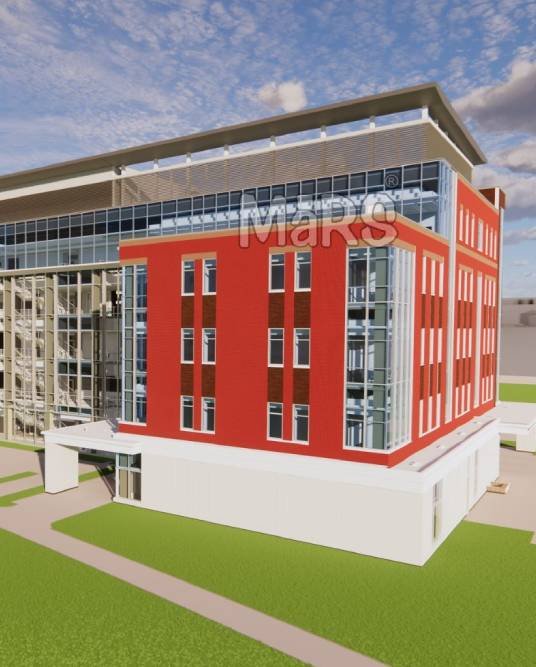
We have successfully delivered BIM solutions for various sectors, including residential, commercial, healthcare, educational, industrial, and mixed-use developments across the USA. Our deep understanding of AIA standards, NBIMS, and local construction regulations ensures that our BIM models and documentation meet industry best practices.

Our team utilizes cutting-edge BIM software such as Autodesk Revit, AutoCAD, Navisworks, and BIM 360 to develop precise models with Levels of Development (LOD 100 to LOD 500). Whether it’s new construction, renovation, or restoration projects, our BIM expertise helps streamline workflows, enhance design accuracy, and improve overall project efficiency.

With a strong track record in USA BIM projects, MaRS Trans USA is committed to providing cost-effective, high-quality Architectural BIM Services that drive better collaboration and successful project execution. Our team delivers detailed BIM data that supports coordination and accurate project planning. We build advanced architectural models that help project teams reduce risks, improve accuracy, and achieve consistent results across construction phases.

Benefits of Architectural BIM Services

LOD-Specific Modeling
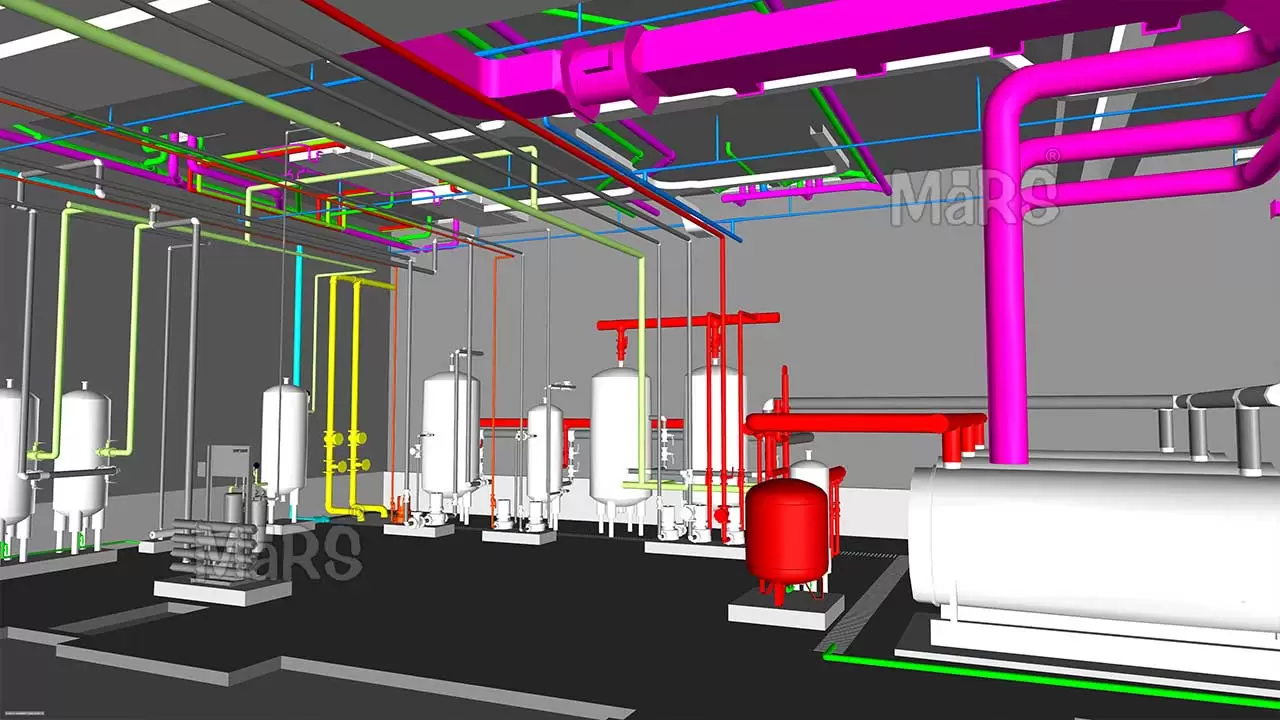
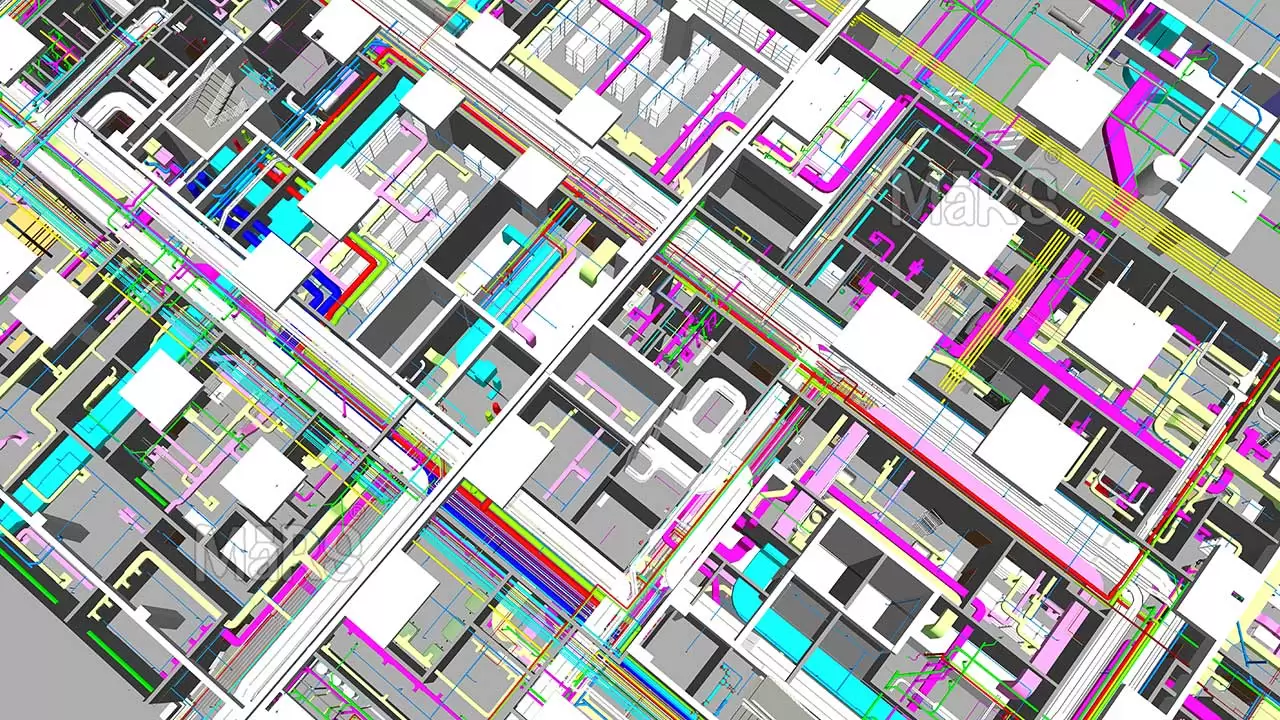
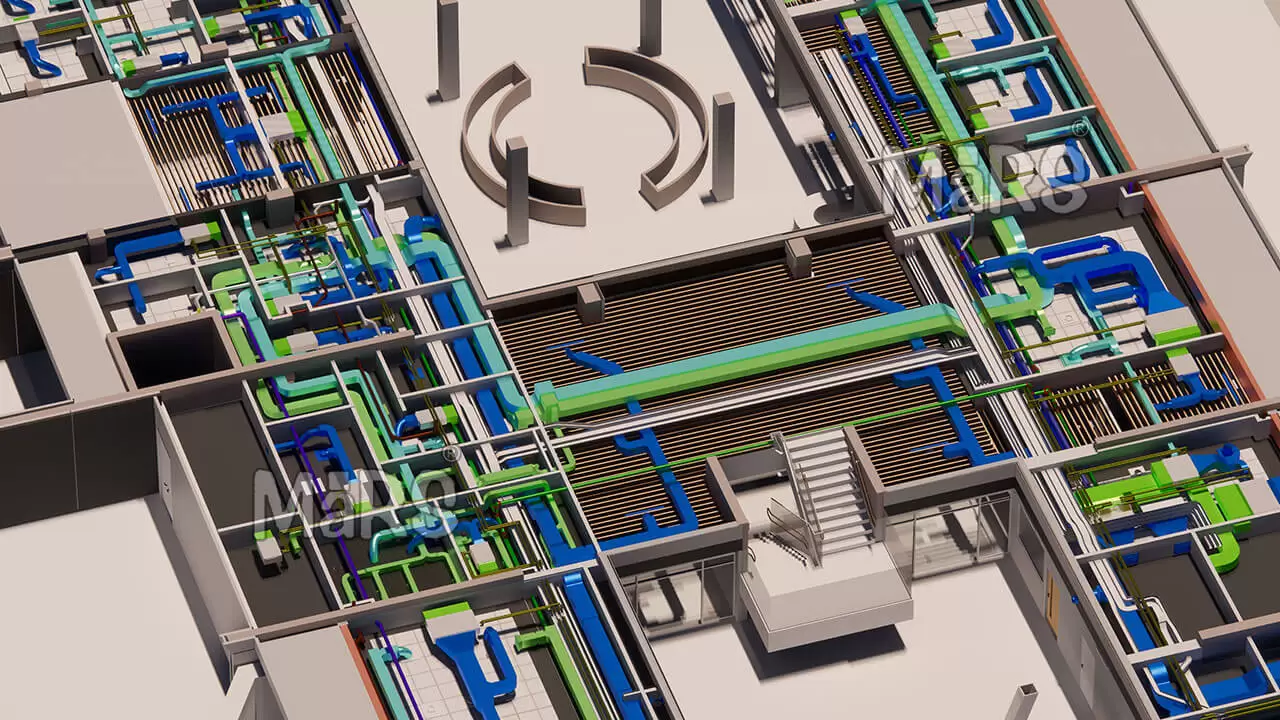
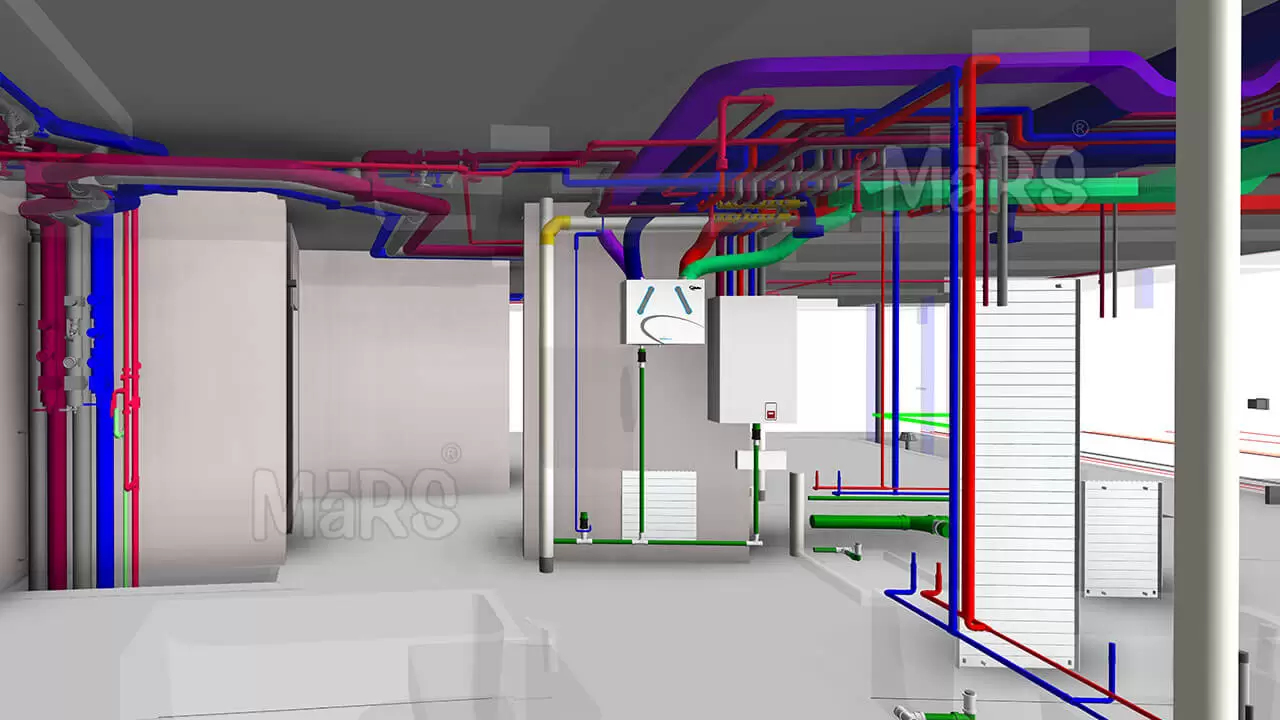
We deliver Architectural BIM Modeling with LOD-focused detail from concept to as-built, giving teams structured models aligned with project scope, documentation needs, and coordination workflows.
Parametric Elements
Our Architectural BIM Modeling uses parametric components carrying dimensions, materials, and property data, allowing controlled updates and dependable coordination with Structural BIM Modeling throughout project stages.
Data-Driven Takeoffs
We extract quantities directly from BIM geometry, supporting accurate cost planning, procurement workflows, and material tracking while helping teams manage budgets with reliable, model-based information.
Construction Documentation
Architectural BIM Modeling produces drawings such as plans, sections, elevations, and details, giving project teams reliable documentation for permitting, tender packages, and on-site reference.
4D & 5D Ready
Our models connect with scheduling and cost platforms, supporting 4D construction sequences and 5D budgeting inputs that guide teams in project planning and execution.
Global Standards Alignment
Architectural BIM Modeling and Structural BIM Modeling follow ISO 19650, AIA, and related standards, delivering organized data, clean file structures, and smooth collaboration across platforms.

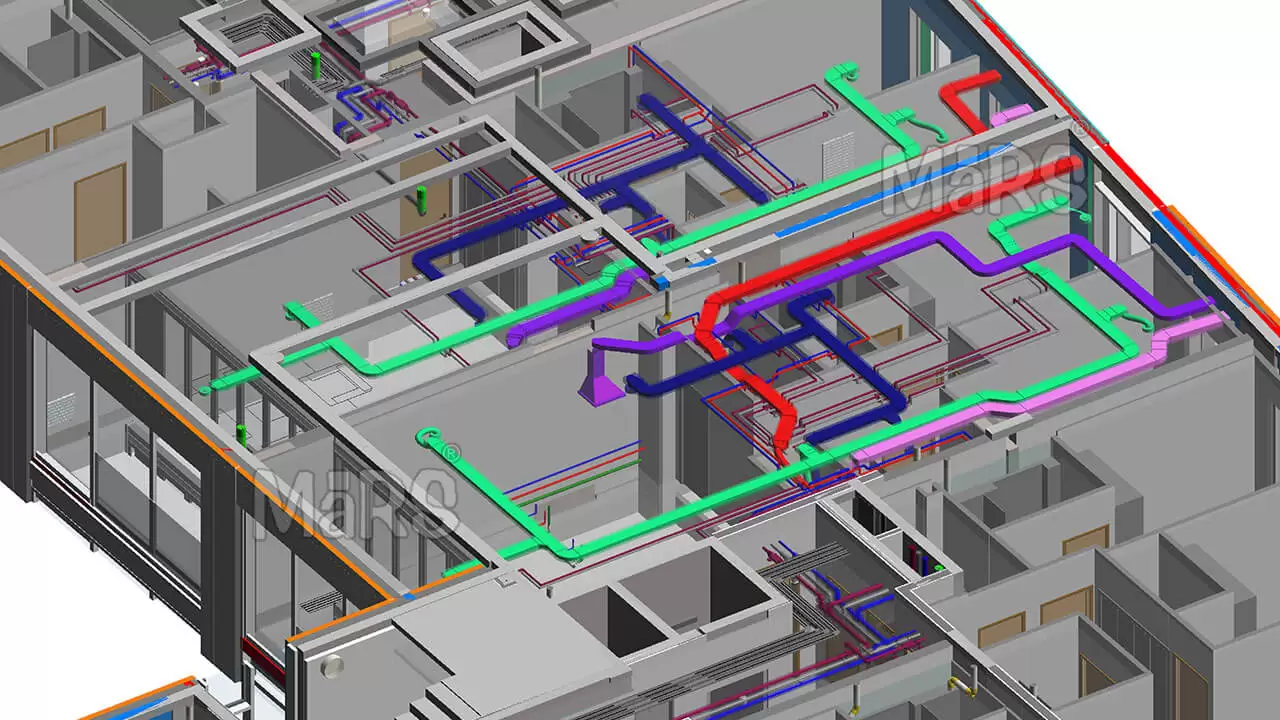
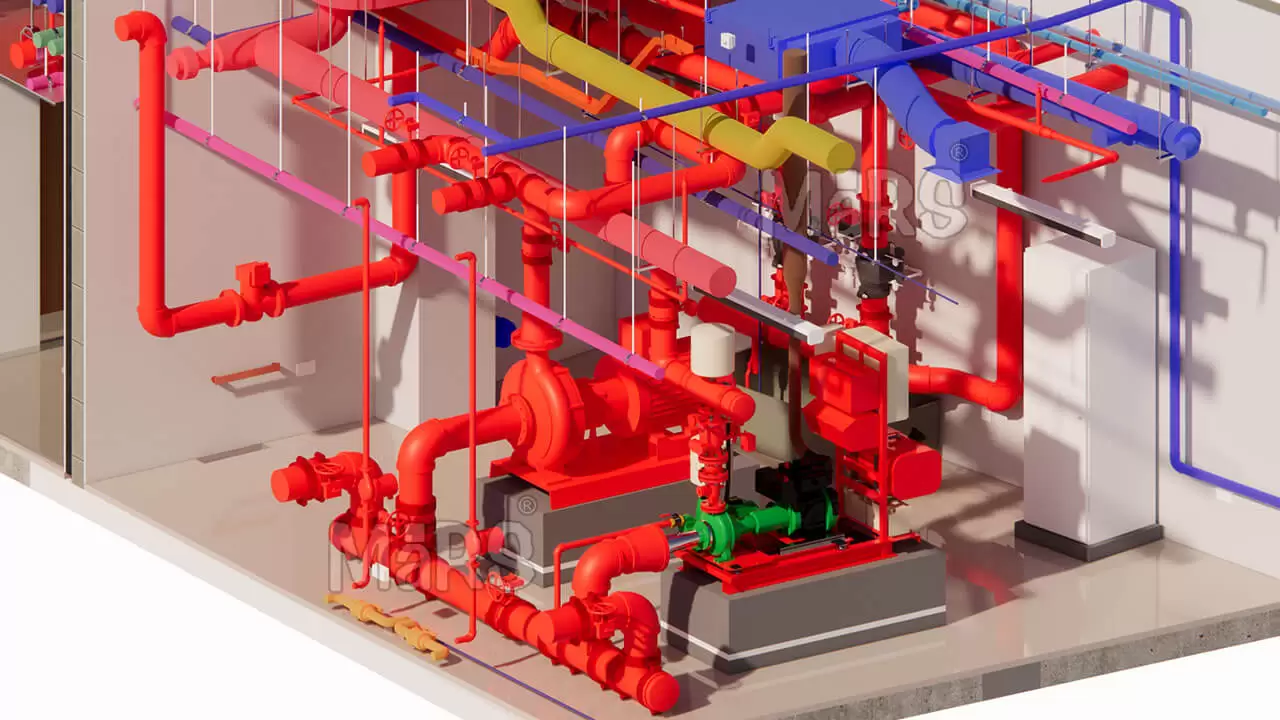
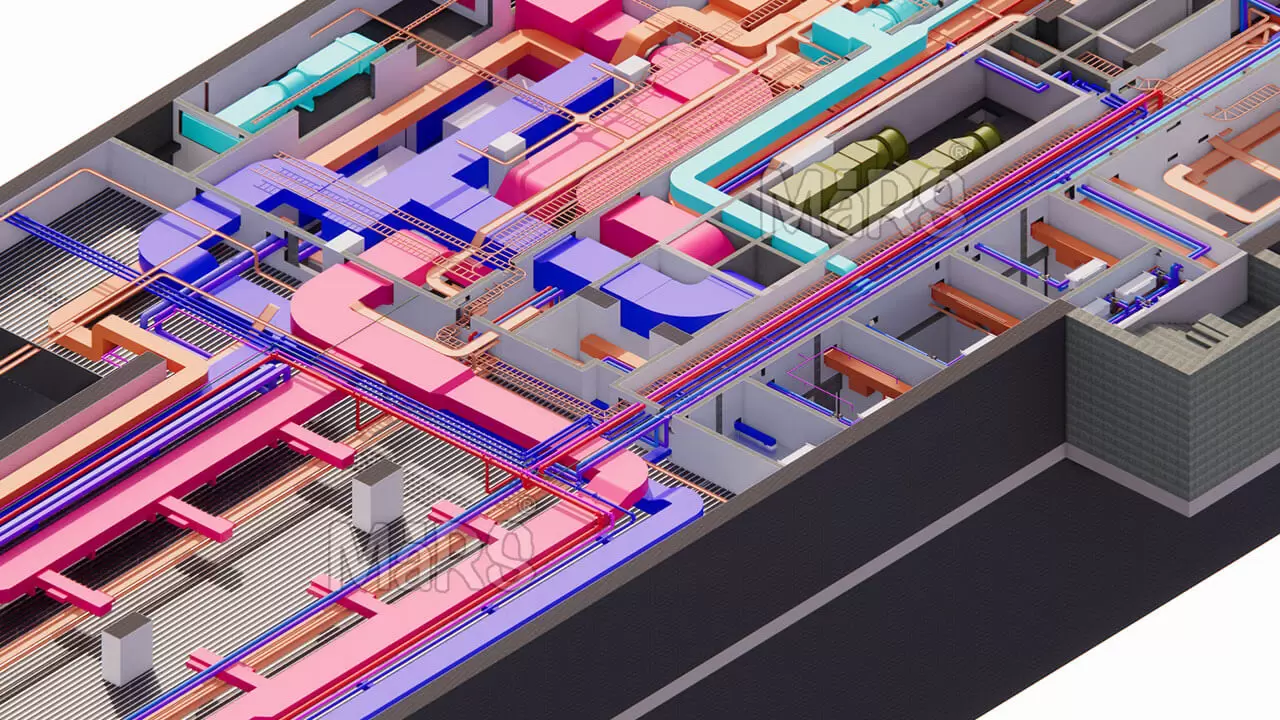
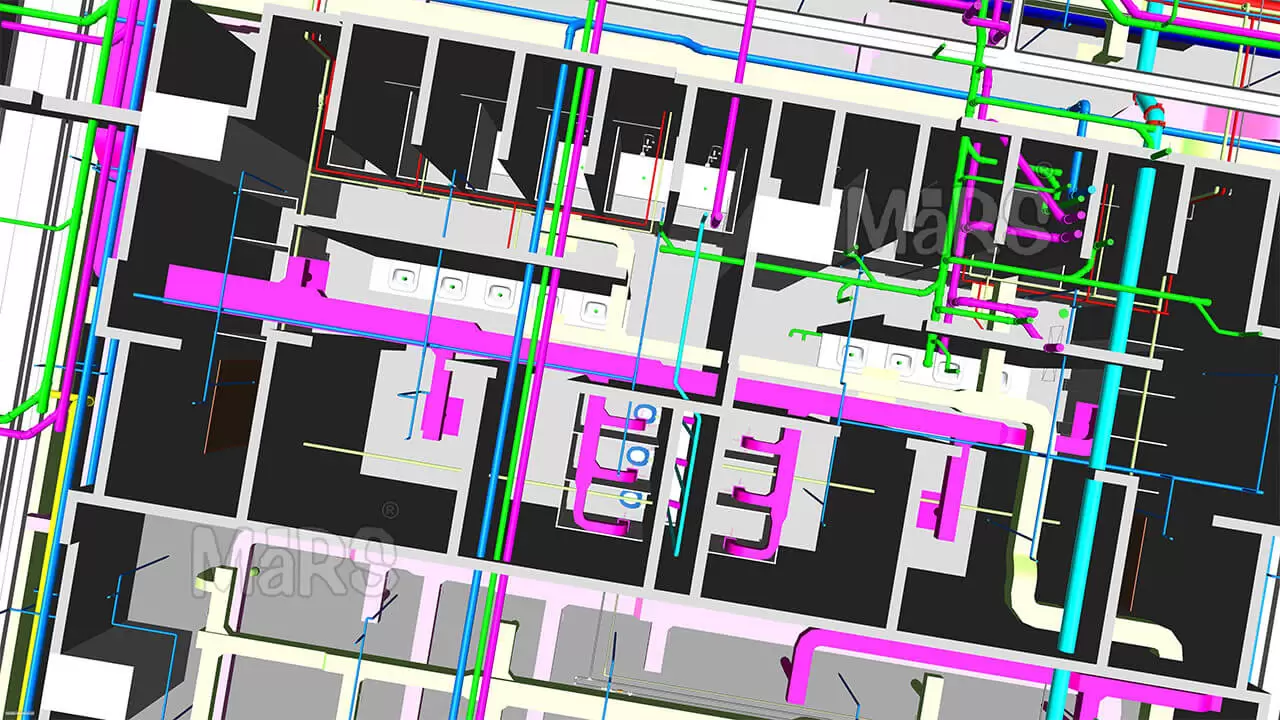
Examples of Architectural BIM Services

Get Architectural BIM Services that support your project success.

What Our Clients Say?

Trusted by Industry Leaders for Precision and Excellence

MaRS Trans USA provides detailed, standards-based architectural BIM models that support design decisions, coordination, and efficiency across the project lifecycle.

Got questions? We’ve Answered

FAQs

How does your Architectural BIM service improve the design development process?
Our models provide structured geometry, logical element placement, and clear documentation, helping design teams visualize options accurately. This supports quicker decisions, reduces uncertainties, and strengthens coordination across conceptual modeling, detailed design, and project planning stages.
What information do you need from us to begin Architectural BIM modeling?
We start with your CAD drawings, sketches, design markups, elevations, and project standards. If certain inputs are missing, we guide you clearly so modeling workflows stay aligned, consistent, and ready for accurate architectural development.
Can your architectural models support quantity estimation, visualization, and downstream coordination?
Yes. Each model includes structured layers, organized parameters, and element-based logic. This allows teams to extract quantities, preview design outcomes, coordinate disciplines efficiently, and maintain clarity throughout planning and construction-focused workflows.
How do you manage revisions when architectural concepts evolve frequently?
We follow a disciplined revision method, logging every update and integrating changes without disrupting existing workflows. This allows your design team to maintain clarity, track progress smoothly, and receive accurate model versions aligned with project milestones.
How can Architectural BIM modeling support early-stage concept evaluation?
Our models help teams study massing, spatial configurations, façade development, and circulation patterns. This gives designers a clear view of design impact, allowing informed decisions during concept comparisons and early design discussions.
Do your Architectural BIM models integrate well with interior design and landscape workflows?
Yes. We structure models using coordinated layers and element logic that align smoothly with interior layouts and site design inputs. This supports unified planning, visual clarity, and steady coordination across connected design scopes.
What value does your Structural BIM modeling bring to engineering coordination?
Our structural models include member sizing, alignment logic, and connection-ready layouts. This helps engineering teams review load paths, study framing options, and coordinate with architectural and MEP disciplines across planning and construction-focused stages.
What information do you require to begin Structural BIM modeling?
We begin with structural drawings, grids, framing plans, reinforcement details, and project standards. If certain data is missing, we guide you early so modeling stays aligned with engineering intent and project-level coordination needs.