Scan to BIM Services

Guiding clients with advanced scan to bim solutions for construction renovation and facility management

Why Choose Marsbim

Scan to BIM for Detailed As-Built Building Model Creation

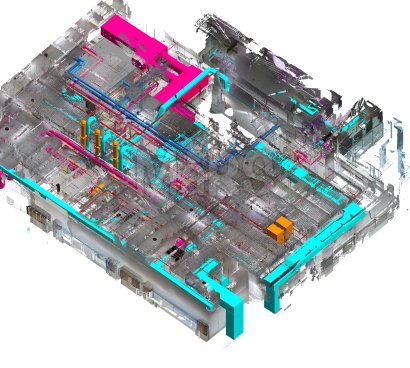
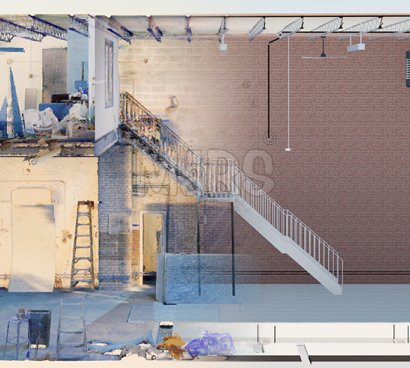
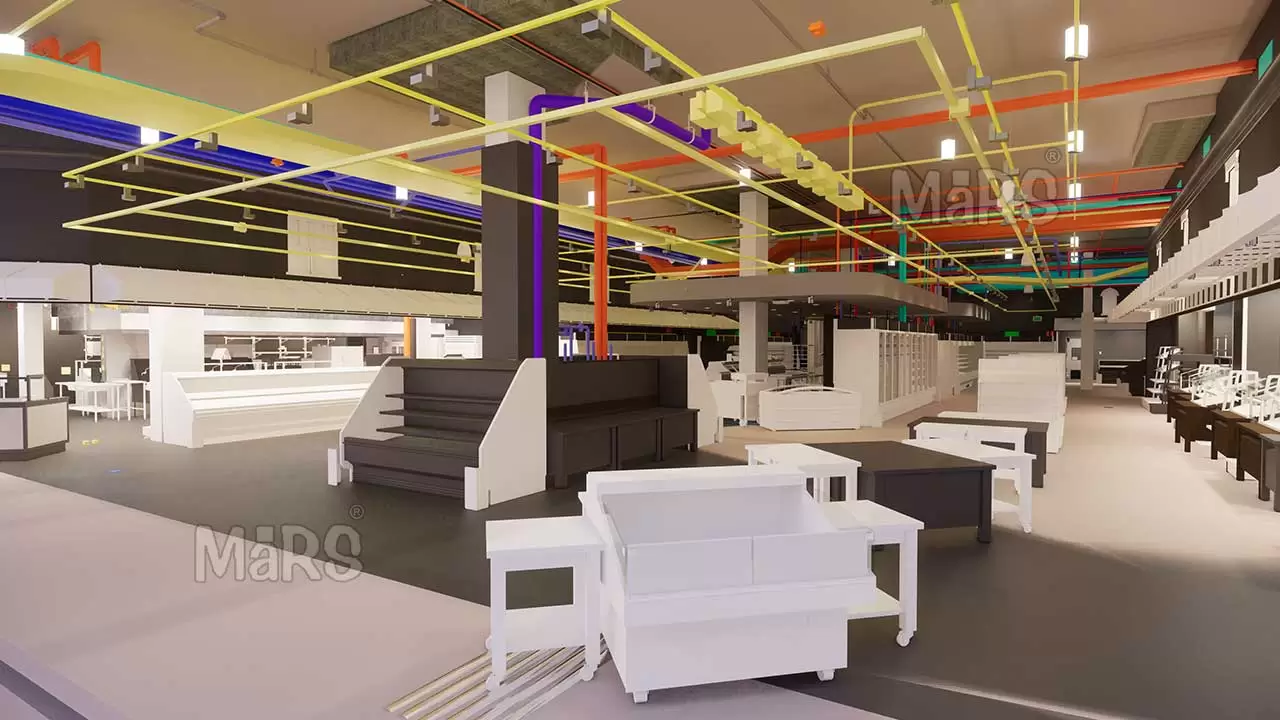
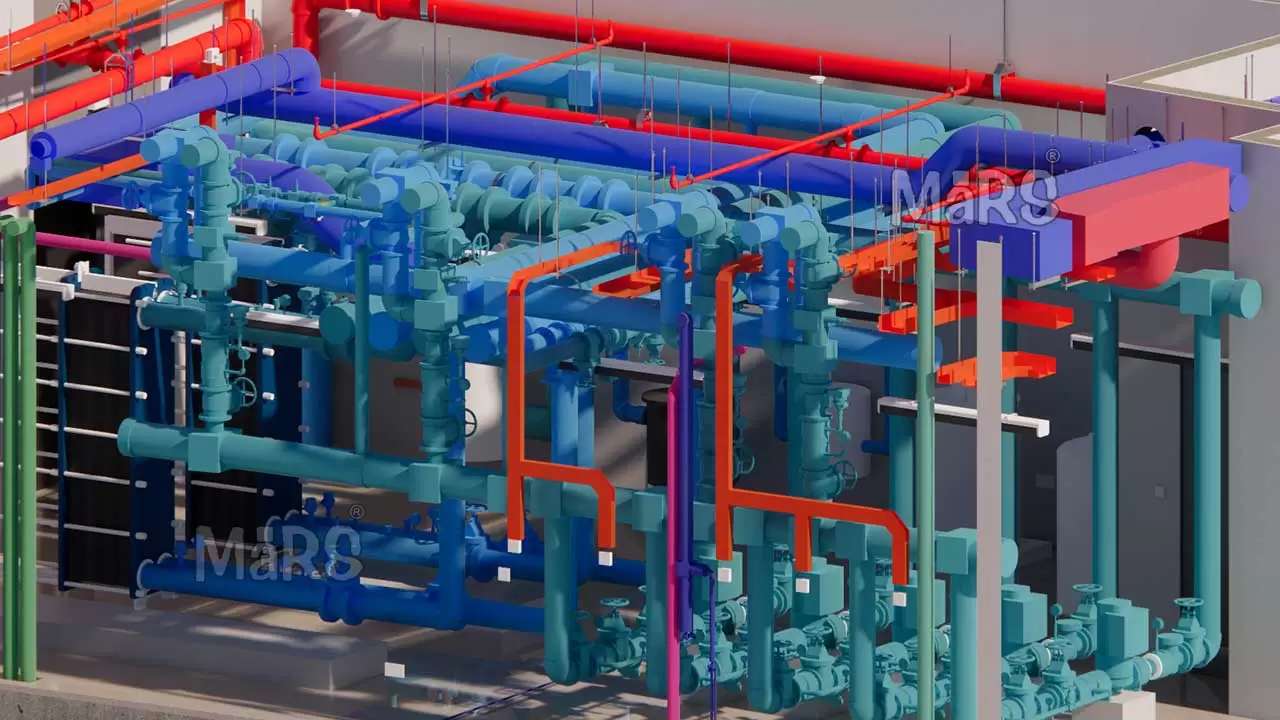
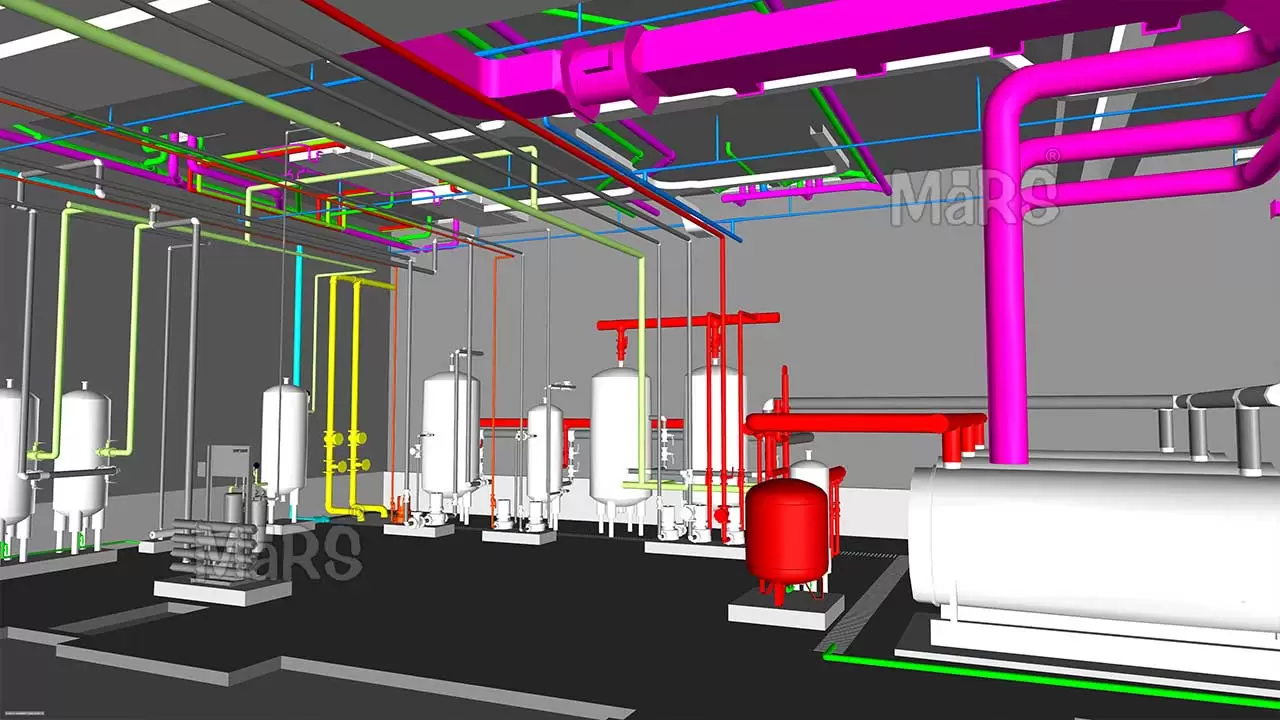
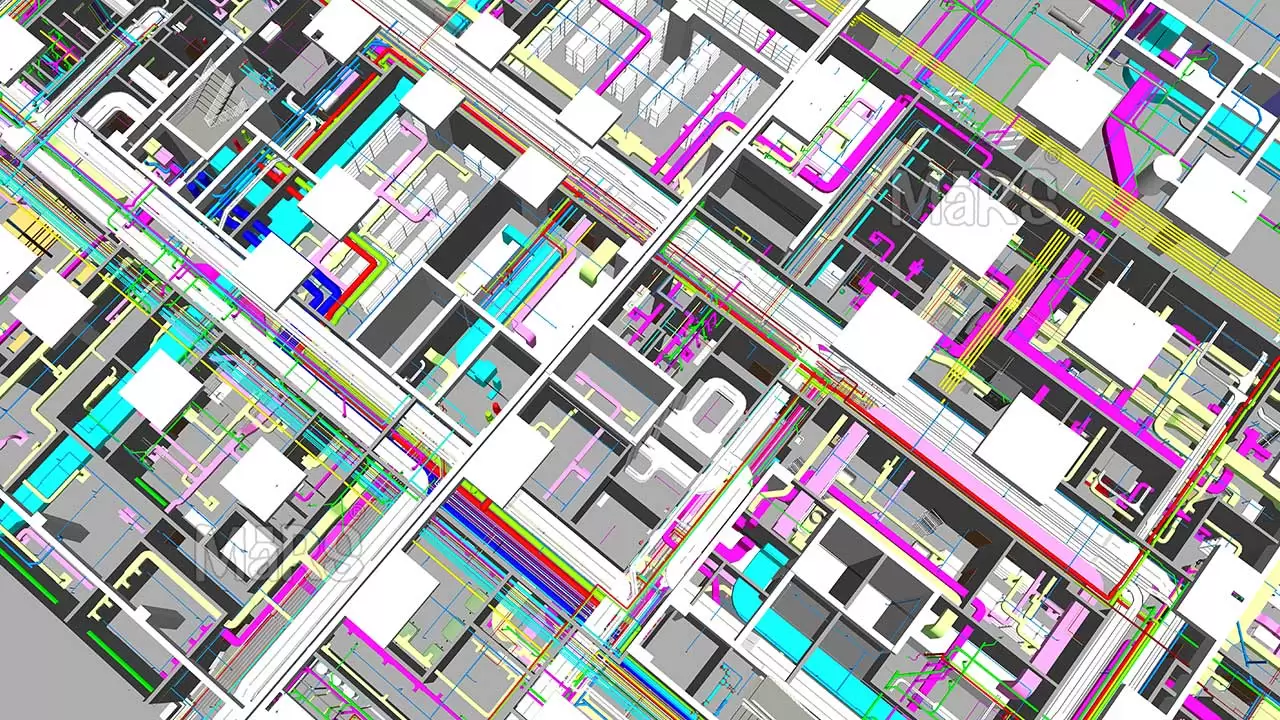
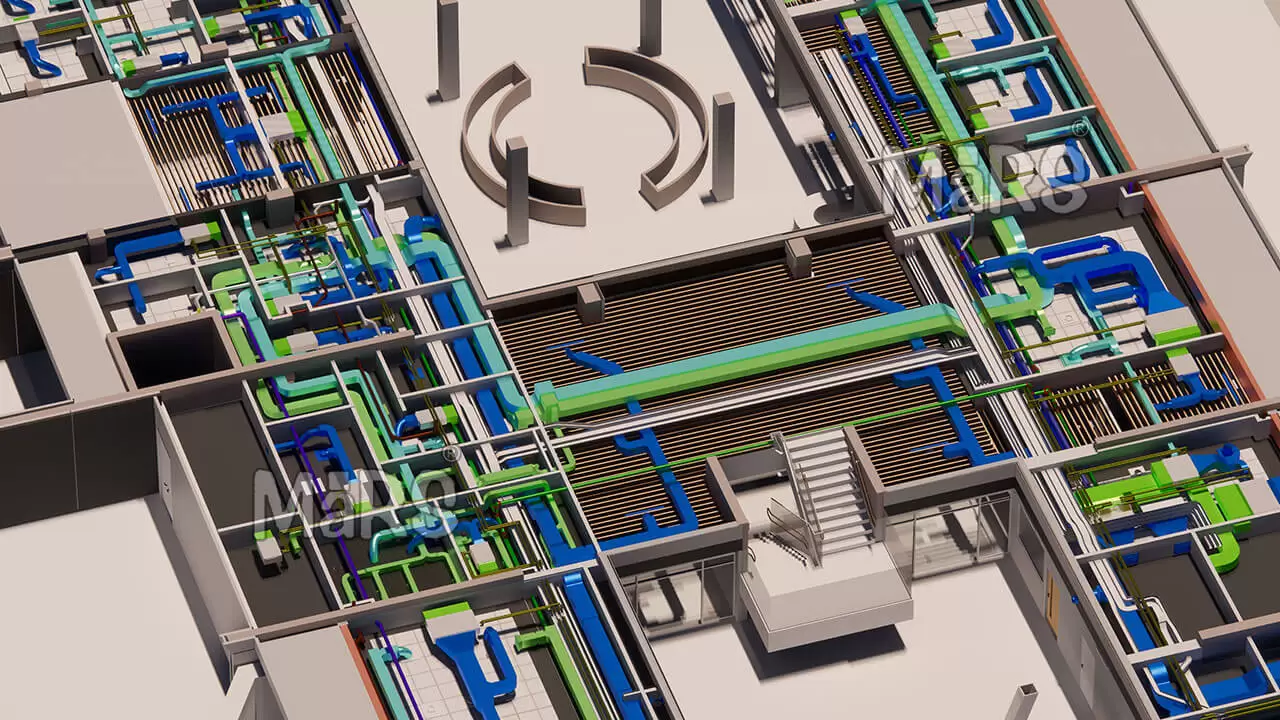
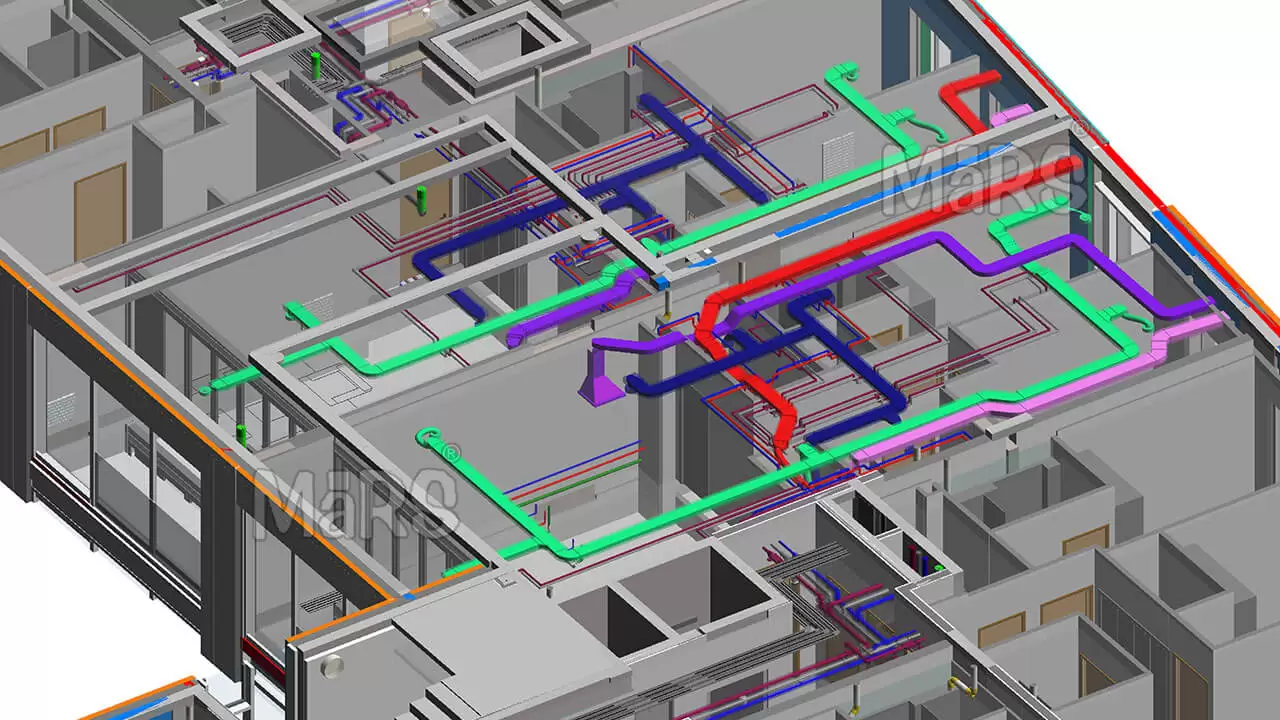
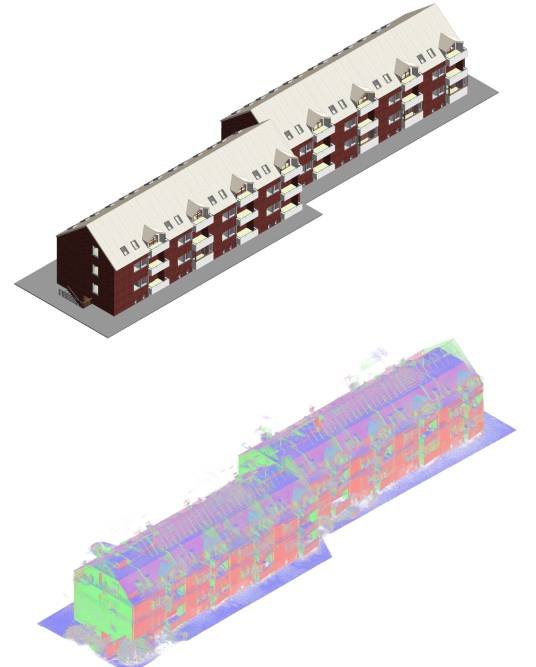
MaRS Trans USA provides building information models directly from point cloud data, capturing the layout and details of the physical structure. Our BIM stakeholders follow structured methods for architectural, structural, and MEP elements to maintain accuracy. Each BIM model is produced using measured inputs, consistent element logic, and documentation for your project requirements. We follow industry focused modeling guidelines and disciplined review steps to control variation between the model and field conditions. This approach supports renovation studies, facility records, extensions, and retrofit planning. We provide clear geometry and organized information from verified field scans.

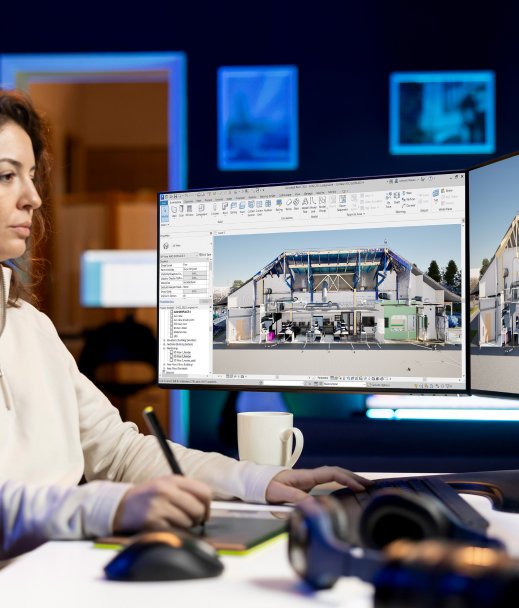
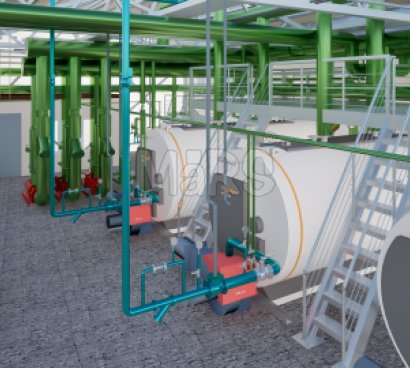
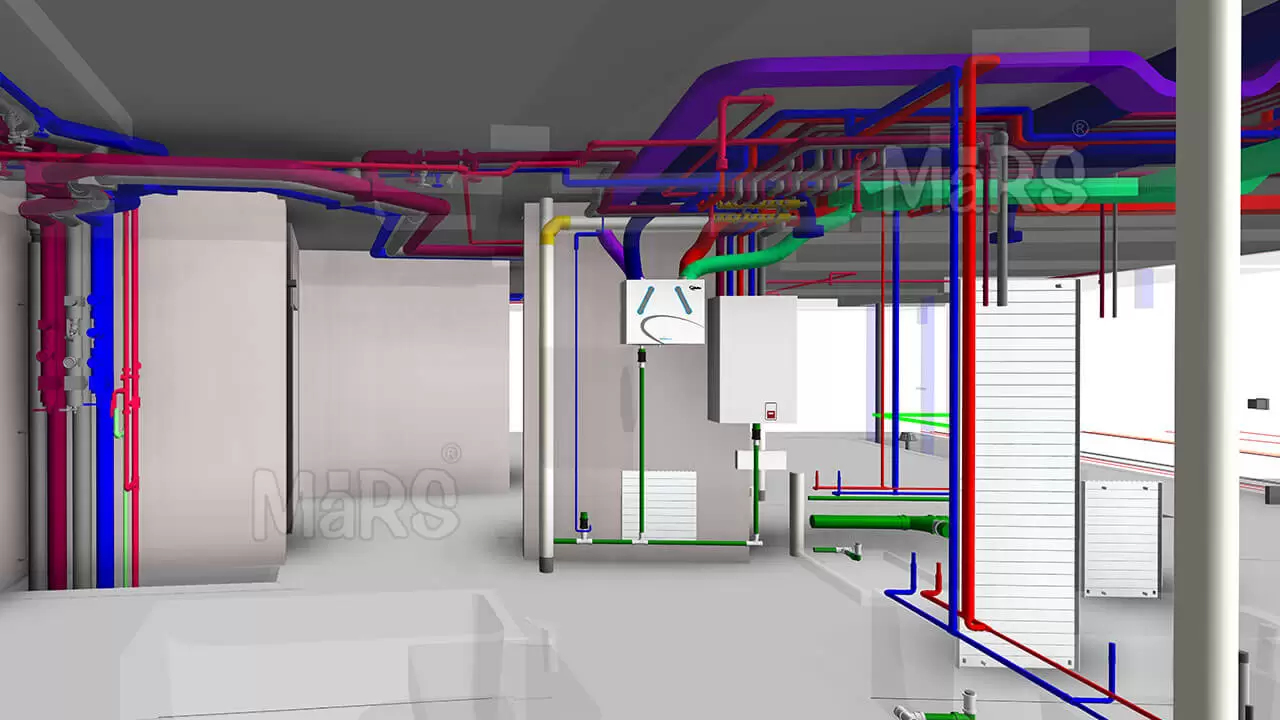
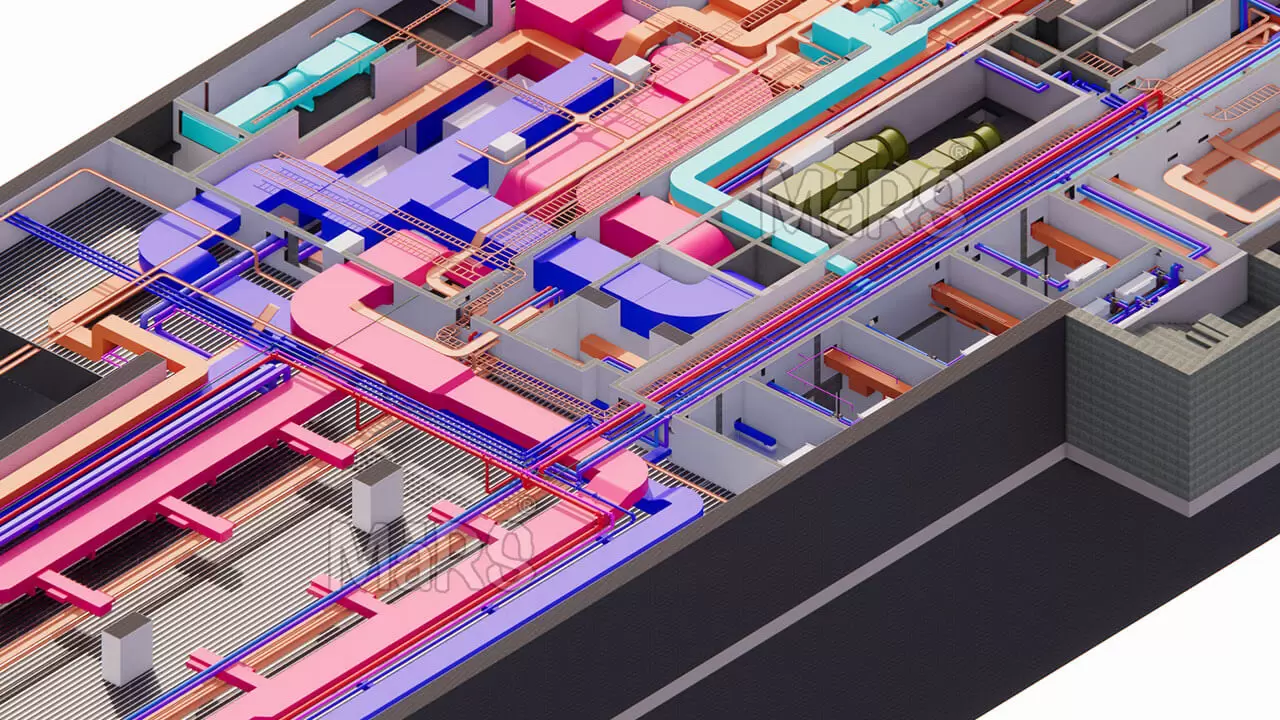
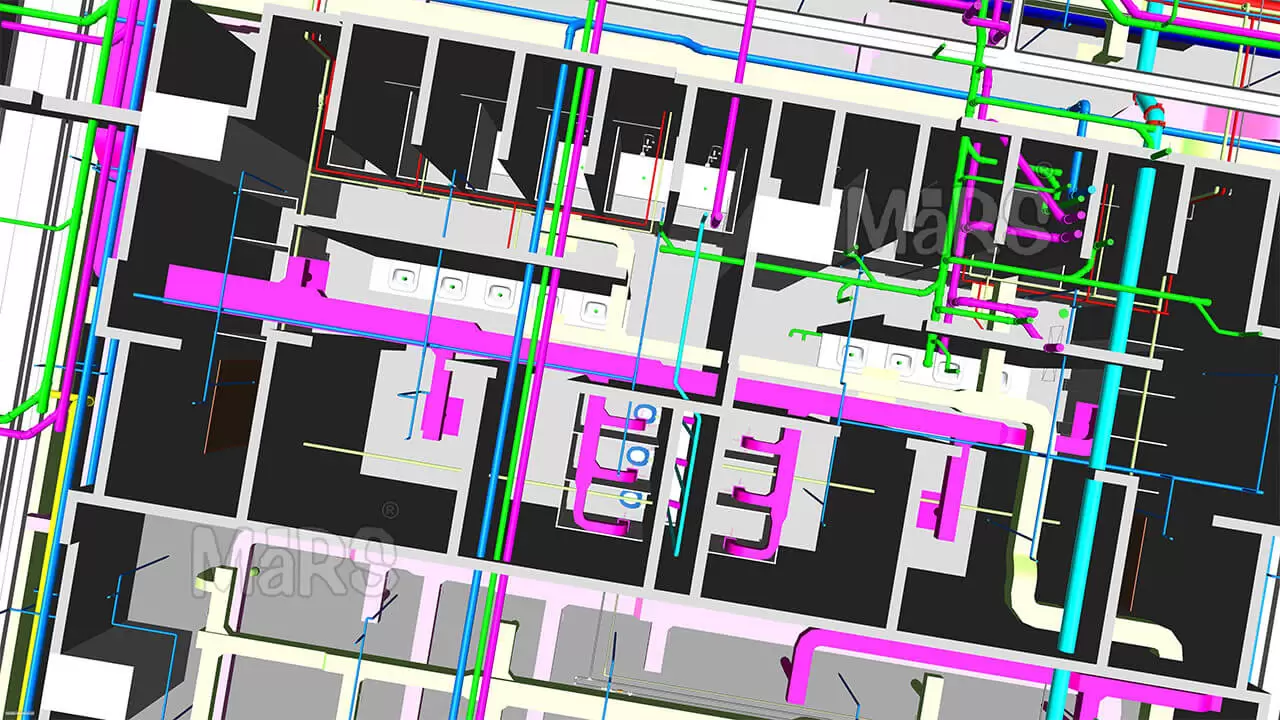
Our experienced BIM specialists work with a combination of point cloud processing tools, Revit-based modeling workflows, and coordination platforms to manage scan data effectively. Each element is checked against the captured cloud throughout the modeling process to maintain alignment with site measurements and required LOD ranges. We apply naming rules, element grouping conventions, and templates to keep data structured across disciplines. These methods help maintain consistent representation of shells, floor systems, frames, ductwork, piping, and other building components. With experience in terrestrial laser scans, LiDAR datasets, and mixed-source survey inputs, our staff delivers models suitable for planning, documentation, heritage study, and coordination tasks.

#1 Our Key Features for Scan to BIM Services

Scan to BIM workflows require clear data handling, consistent modeling rules, and verified geometry. Our team processes point cloud inputs and creates models that match existing site conditions with measured accuracy.

Geometry Verification

We compare model elements with point cloud references to maintain accurate dimensions, alignments, and surface conditions across architectural, structural, and MEP components.

Standard-Based Modeling

We follow industry defined modeling frameworks, naming rules, element classifications, and LOD requirements to keep all content aligned throughout the project.

Multi-Software Integration

We use ReCap, Revit, Navisworks, and LiDAR platforms to link scan data and modeled outputs, supports smooth handling of large datasets and clear coordination.

Condition Identification

We capture existing conditions such as material shifts, deviations, and irregularities to help teams understand what is present on-site before planning changes.

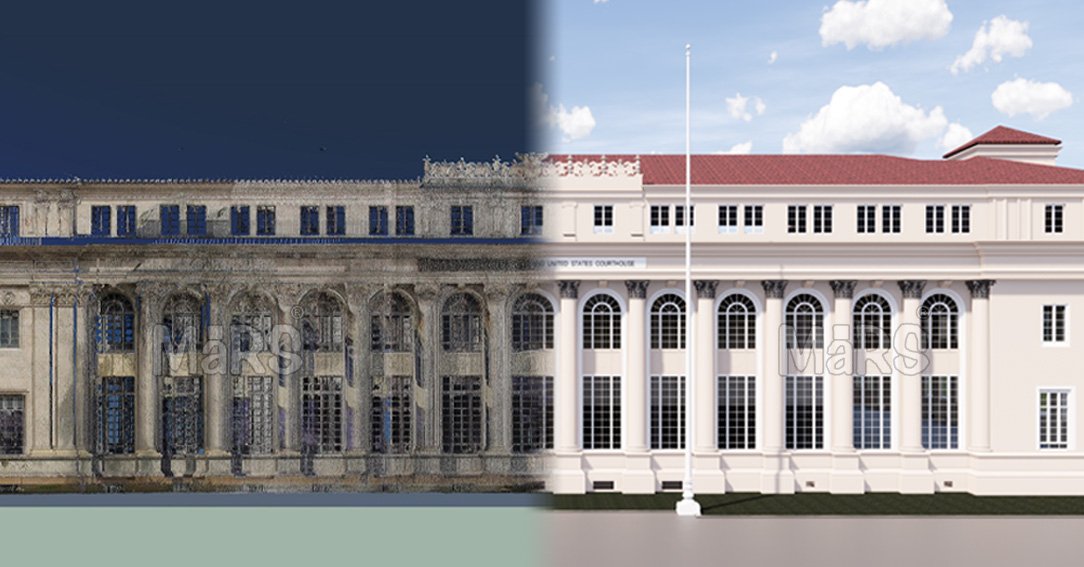
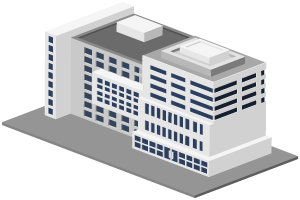
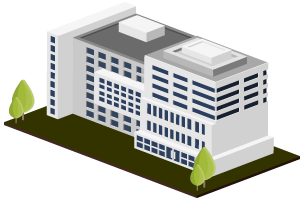
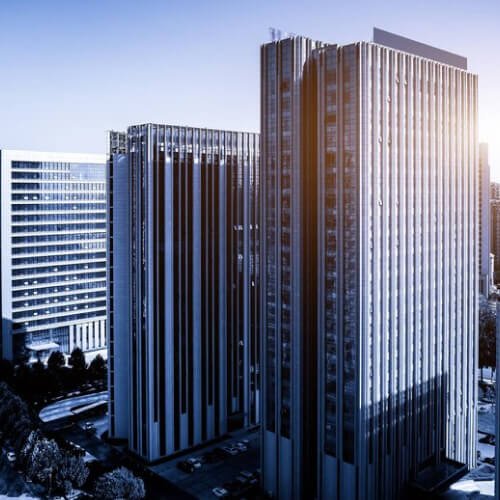
Federal Building in USA

Levels Of Detail We Used

LOD-100
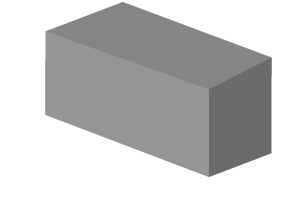
LOD 100

Conceptual

We present basic building forms and main volumes, showing the project’s overall shape and scale without including detailed features, textures, or material definitions.

LOD-200
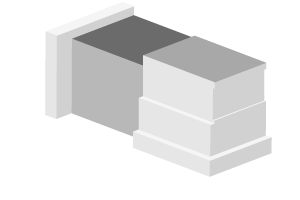
LOD 200

Approximate Layout

We place generalized elements with estimated dimensions. The model reflects approximate positions and simplified geometry aligned with key scanned references.

LOD-300
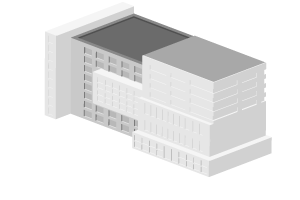
LOD 300

Defined Components

We model architectural, structural, and MEP elements with accurate sizes and locations. Each component aligns with point cloud data for consistent representation.

LOD-400
LOD 400

Fabrication Detail

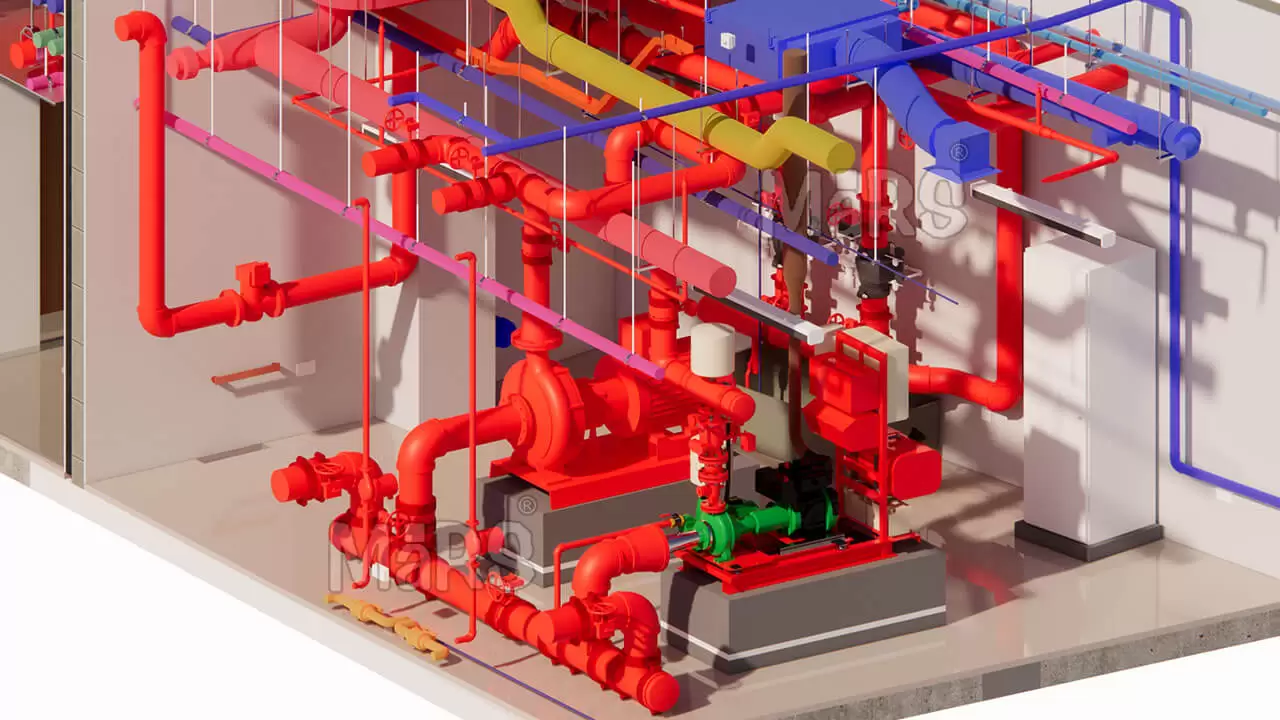
We develop components with fabrication-level detail and precise geometry. The model supports coordination, installation planning, and field verification.

LOD-500
LOD 500

Verified As-Built

We match all elements to measured onsite conditions. The completed model reflects exact geometry, positions, and specifications observed in the final built state.

Scan to BIM Workflow

Benefits of Scan to BIM Services

Accuracy and Clarity
We capture the scanned environment with defined tolerances and produce models that match actual field conditions. This keeps all building elements clear and dependable.
Standard-Aligned Modeling
We follow structured modeling rules, naming systems, and element classifications. This maintains consistency and supports coordinated project use.
Data-Driven Decisions
We convert point cloud inputs into readable model data that helps teams review existing conditions, plan updates, and align design choices with measurable information.
Reduced Rework
We provide verified geometry and clean documentation. This helps teams avoid conflicts, identify deviations early, and reduce unnecessary corrections.
Team Coordination
We support smooth collaboration by keeping model content organized and aligned with shared standards. This helps teams stay coordinated through each stage.
Transparent Process
We follow clear steps for data handling, modeling, and verification. This keeps the workflow predictable and lets teams track progress at each phase.

About MaRS Trans USA

MaRS Trans USA delivers structured Scan to BIM workflows that convert point cloud data into accurate digital models. Our team follows defined standards, maintains consistent geometry, and verifies each element against existing conditions to support renovation, analysis, and facility documentation.

Our BIM experts combine advanced scanning technology with industry best practices to capture every detail of a structure, creating digital models that provide actionable insights for renovation planning, facility management, and accurate coordination across all project stages.

Our Mission

Providing accurate, standard-aligned Scan to BIM models that support clear decision-making and dependable project documentation.

Our Vision

A built environment supported by precise digital records, consistent modeling practices, and transparent integrated data workflows.

Scan to BIM Workflow Process

Consistently Delivering Accurate Scan to BIM Documentation for Every Project

1 +
Years Experience
1 +
Projects Completed
1 +
Qualified Team Members
1 +
Countries

Our Recent Project Highlights

Explore our portfolio showcasing successful projects that demonstrate innovation, precision, and commitment to quality outcomes.

Get Scan to BIM models that support your project success.

Industries We Serve With Expertise

Delivering tailored BIM solutions across multiple sectors to enhance efficiency, precision, and collaboration for every project

commercial-sector
Commercial
residential-sector
Residential
educational-sector
Educational
healthcare-sector
Healthcare
hospitality-sector
Hospitality
government-sector
Government
industrial-sector
Industries
data-center-sector
Data Center
infrastructure-sector
Infrastructure
metro-station-sector
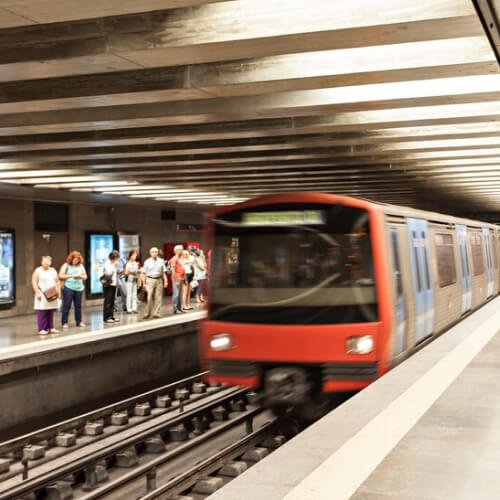
Metro Station
airport-sector
Airport
retail-sector
Retail
sports-sector
Sports Arena
What Our Clients Say?

Trusted by Industry Leaders for Precision and Excellence

MaRS Trans USA delivers expert BIM support that advances project coordination and improves communication while helping clients achieve efficient workflows and consistently effective outcomes.

Got questions? We’ve Answered

FAQs

How does MaRS Trans USA make my renovation planning easier?

We deliver accurate Scan to BIM models that reflect every structural and architectural detail. This allows your design and construction teams to visualize changes, plan renovations effectively, and avoid costly on-site surprises.

Can you handle complex heritage or irregular structures accurately?

Yes, we specialize in capturing intricate details of heritage buildings or irregular layouts. Our verified models highlight material variations and dimensional deviations, giving your team the confidence to plan restorations or adaptive reuse projects without risk.

Why is your Scan to BIM service worth the investment?

Our models provide reliable digital representations of your building, enabling better coordination, informed decision-making, and minimized errors. The upfront investment reduces costly rework, saves time, and enhances overall project efficiency.

How do your features help in long-term facility management?

Our Scan to BIM models capture detailed geometry and conditions that become a digital record of your building. Facility managers can use this for maintenance planning, asset tracking, and efficient renovations long after construction is complete.

How quickly can your team deliver a Scan to BIM model?

Delivery depends on building size and required LOD, but our team follows a structured workflow that keeps scanning, data processing, and modeling progress on schedule so your renovation or design work begins without delay.

Do you provide Scan to BIM models suitable for permit or design submissions?

Yes. We prepare models and drawings that match your submission requirements, including floor plans, sections, and elevations derived from verified scan data, giving your design team a dependable base for documentation.

Can your Scan to BIM output support clash detection and coordination later?

Absolutely. Our models follow clean structuring and element logic, allowing your coordination team to run clash tests, check spatial clearances, and align future design inputs without facing inconsistencies.

How do you maintain accuracy when working with unclear or damaged site conditions?

We combine multiple scan positions, enhanced point filtering, and cross-check reviews to interpret complex or damaged areas. This approach reduces uncertainty and helps your team plan repairs or redesign work confidently.