
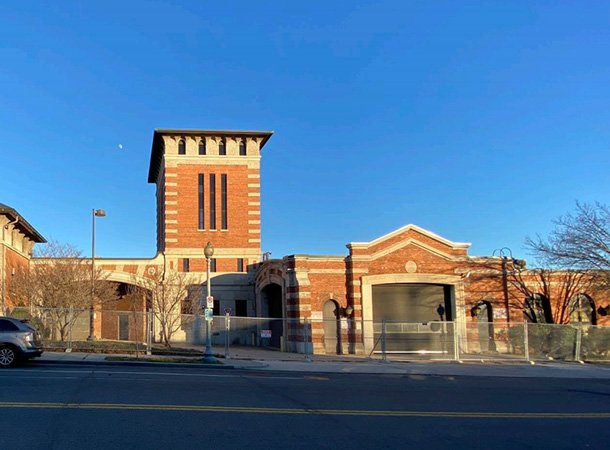
14th Street NW, Washington D.C.

WMATA Northern Bus Garage Redevelopment BIM Project

Project Type

Transit Facility

Sector

Public Transit / Infrastructure

Project Area

Approx. 700,000 SF

LOD

LOD 400

Estimated Completion

2027

Project Overview

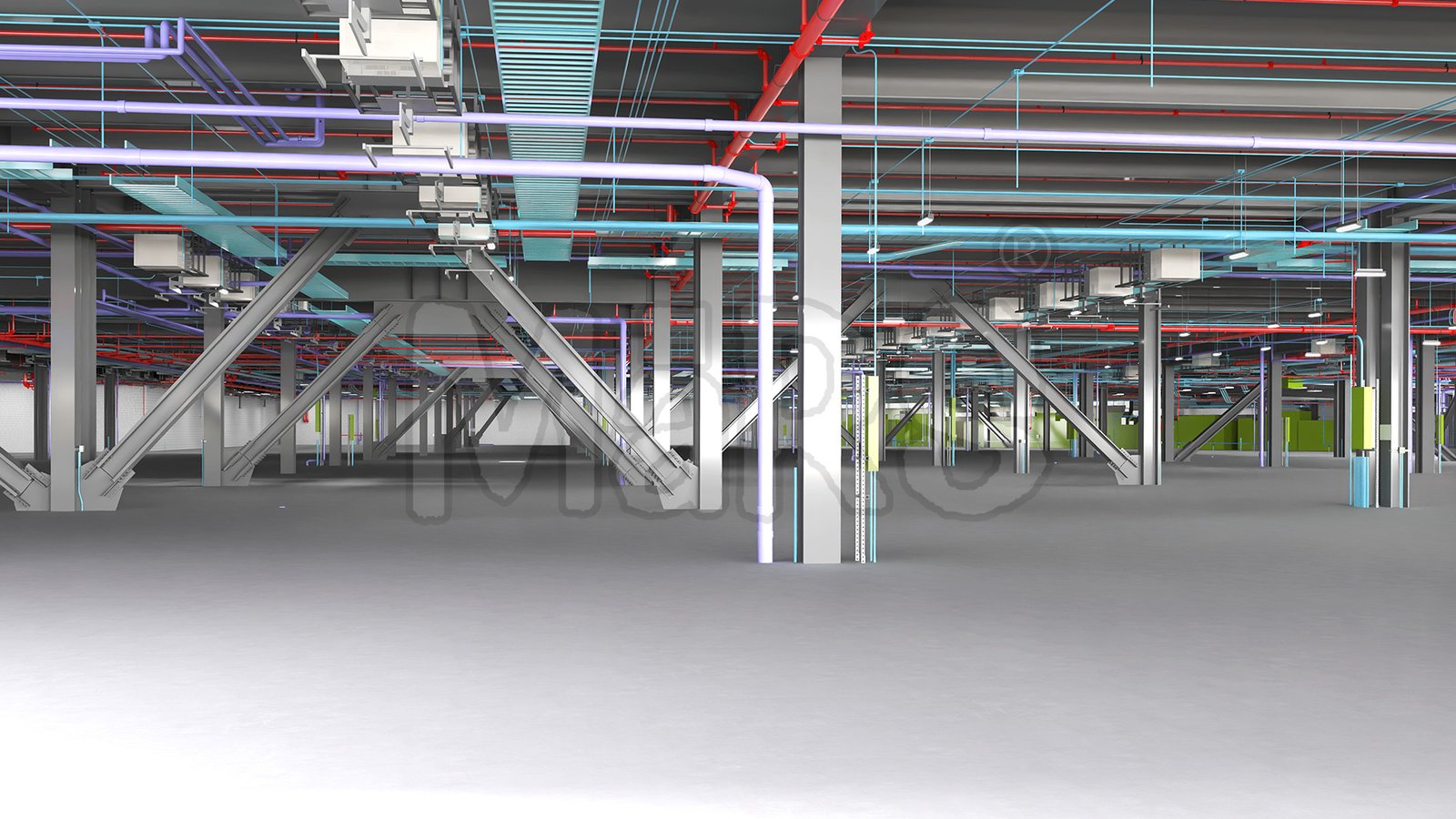
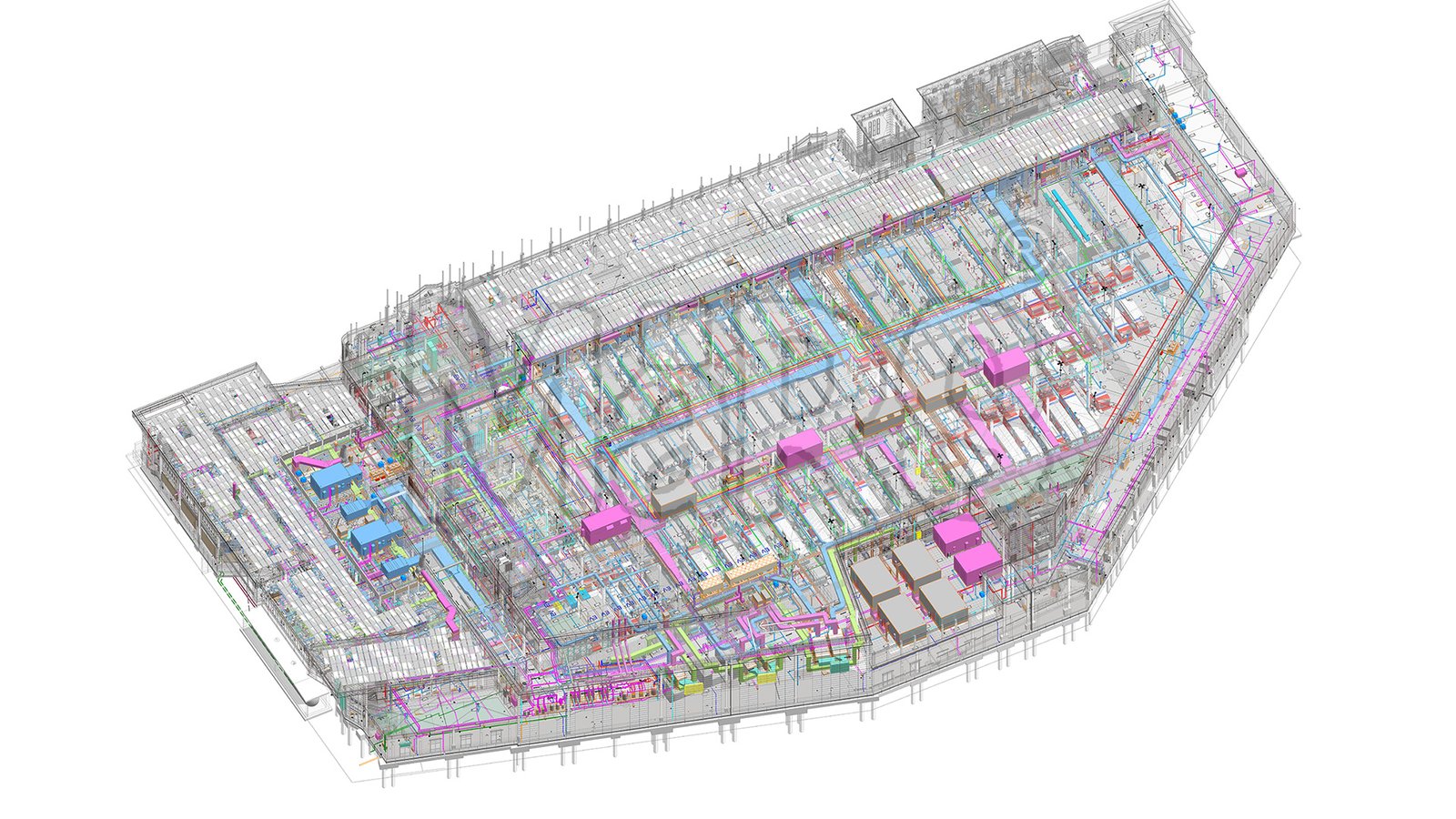
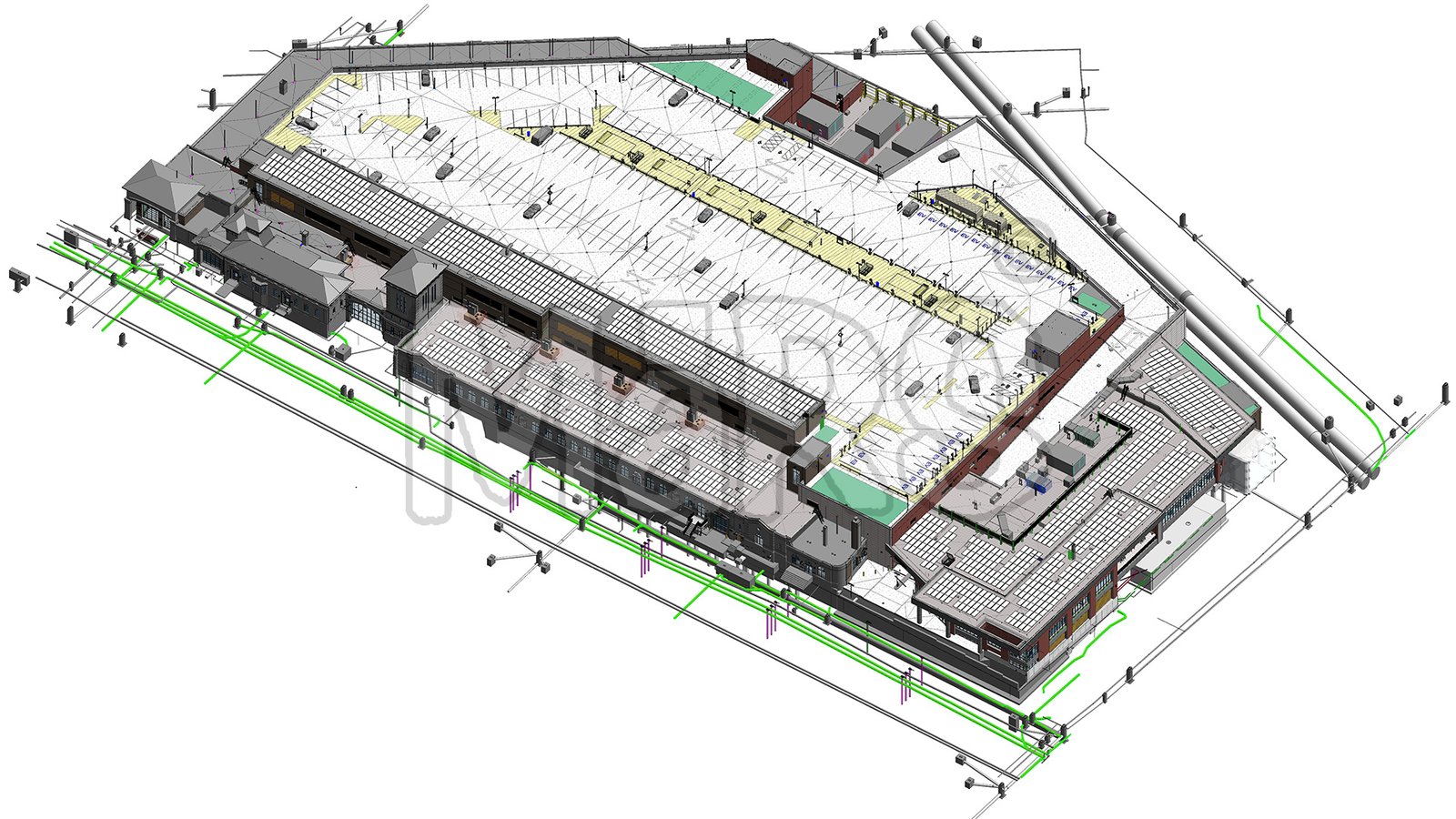
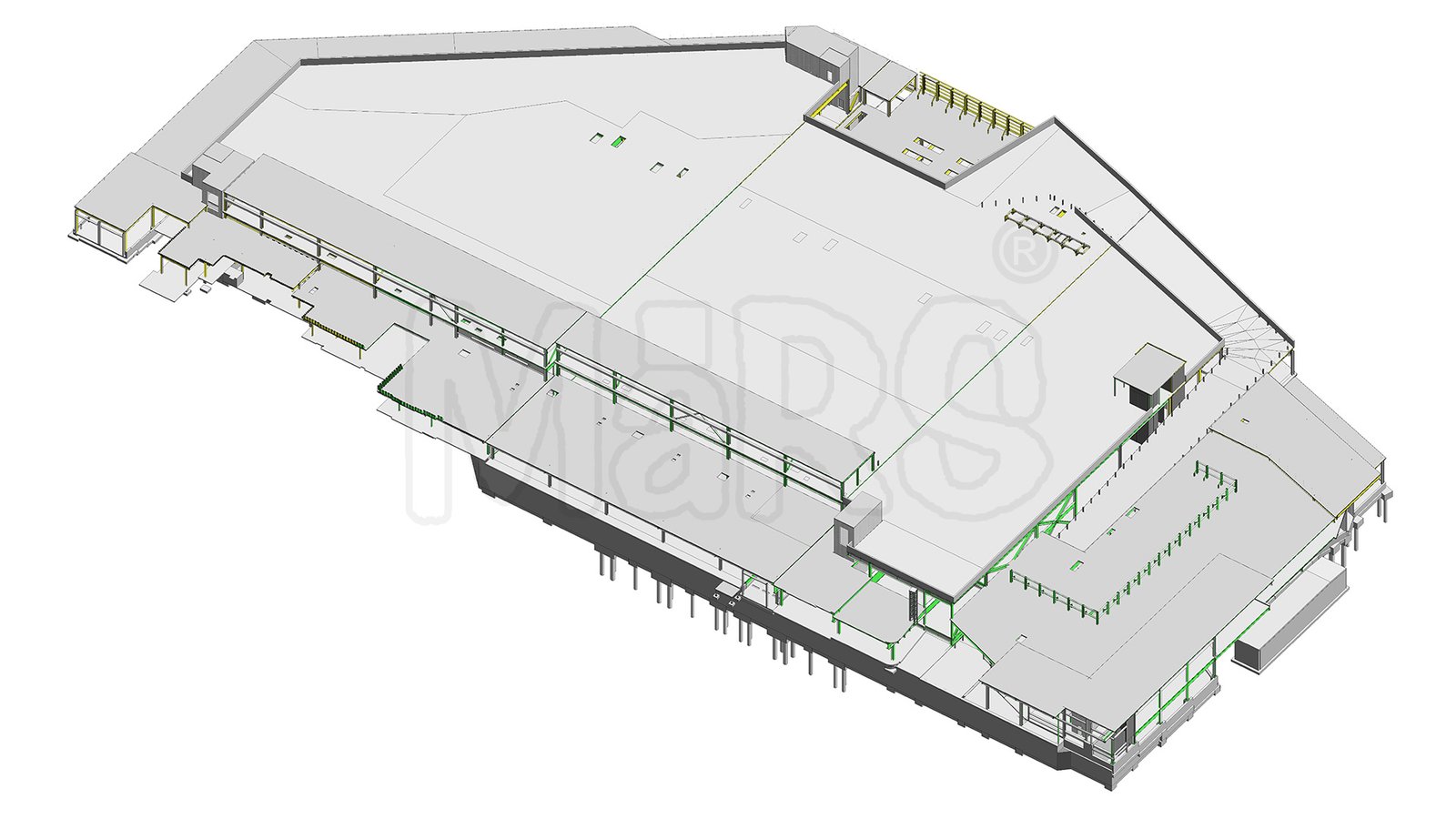
The WMATA Northern Bus Garage Redevelopment is one of the most technically complex transit infrastructure projects currently under construction in Washington D.C. Originally built in 1906 as a streetcar storage facility, the Northern Bus Garage was closed in 2019 and is now being completely rebuilt into a modern bus maintenance and operations center designed to house Metro’s first 100% zero-emission bus fleet. The project restores the historic Italianate facade while adding a roughly 700,000 SF new facility, with the historic structure repurposed for 27,500 SF of retail and office space.

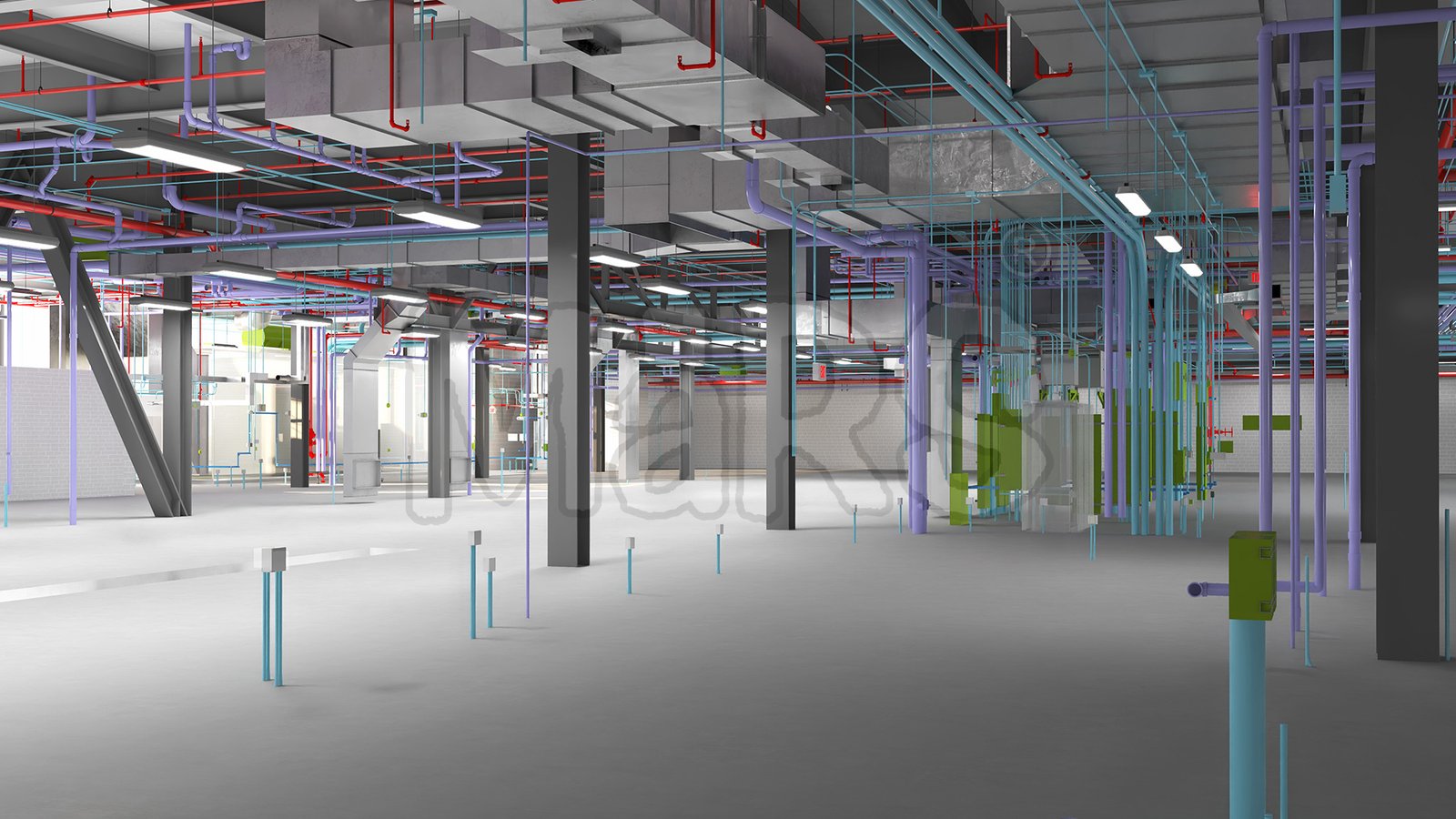
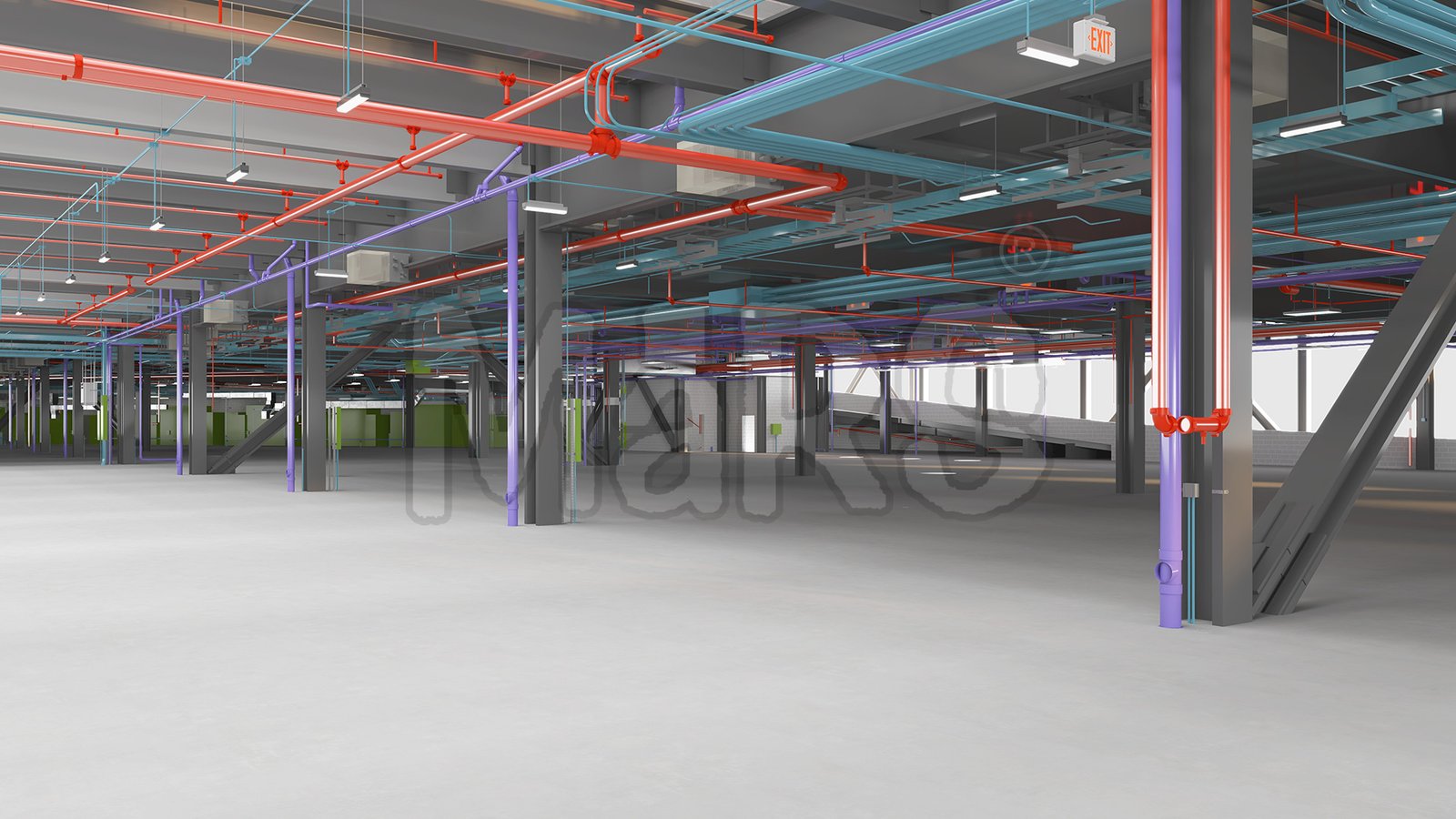
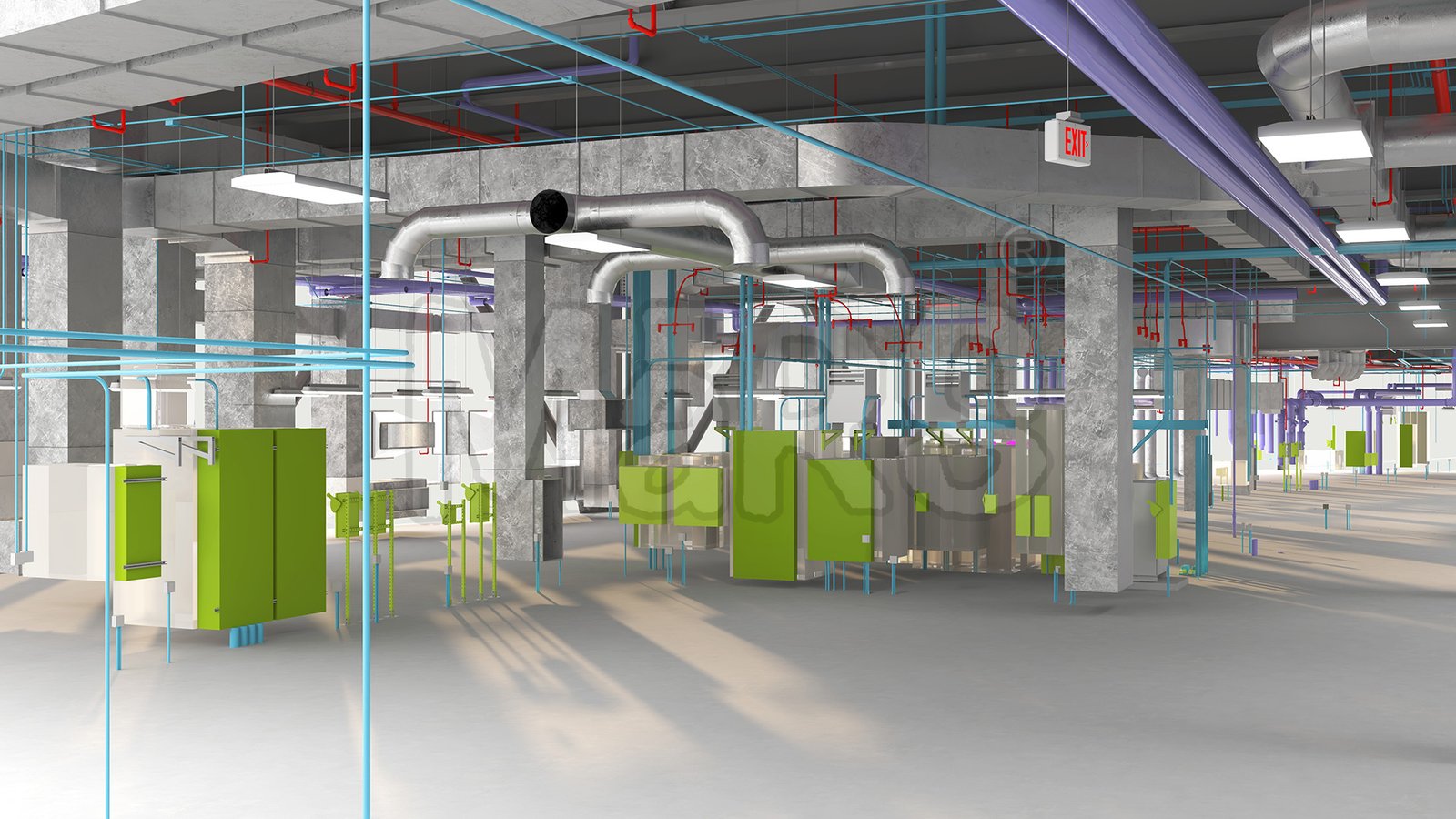
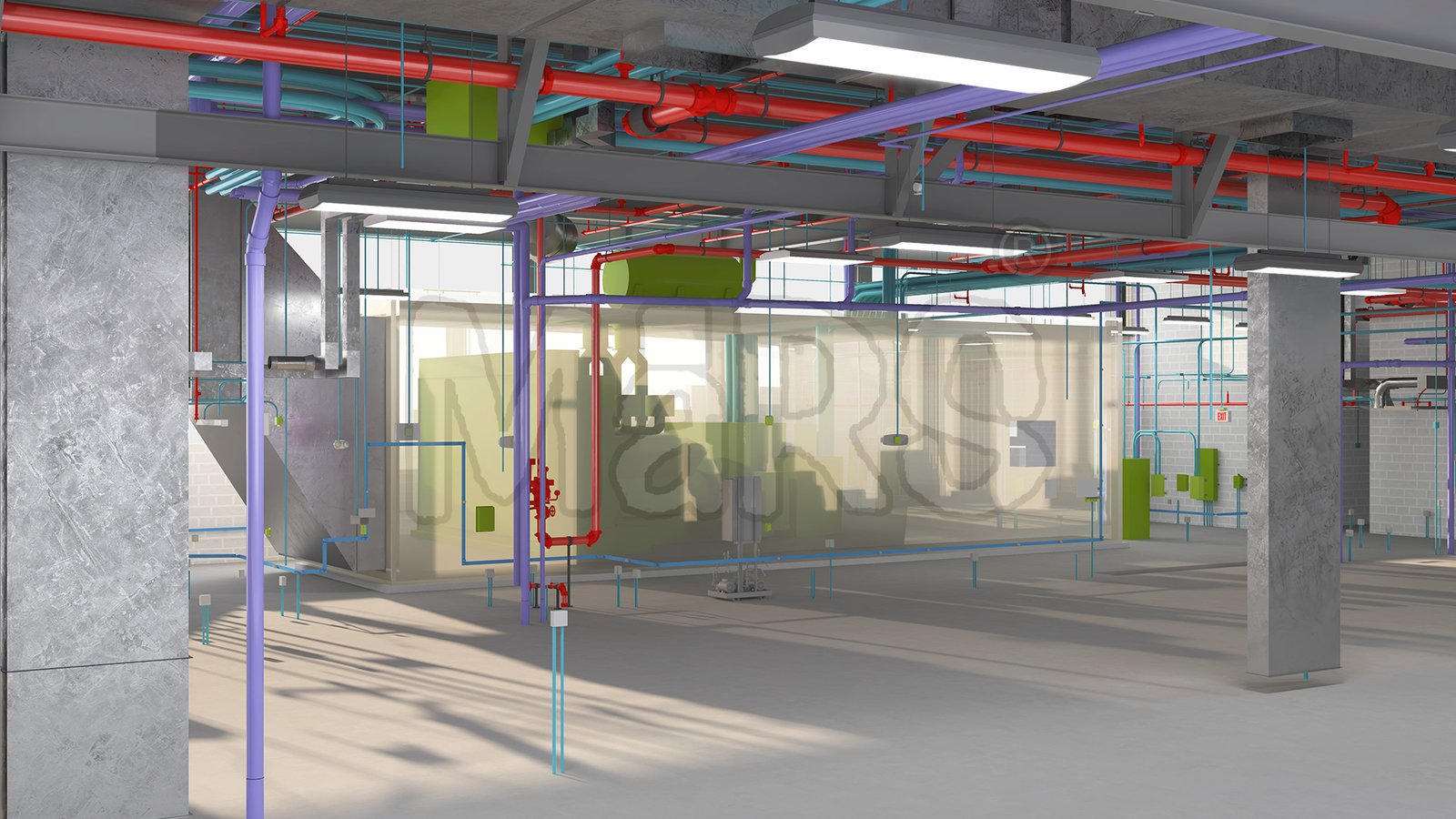
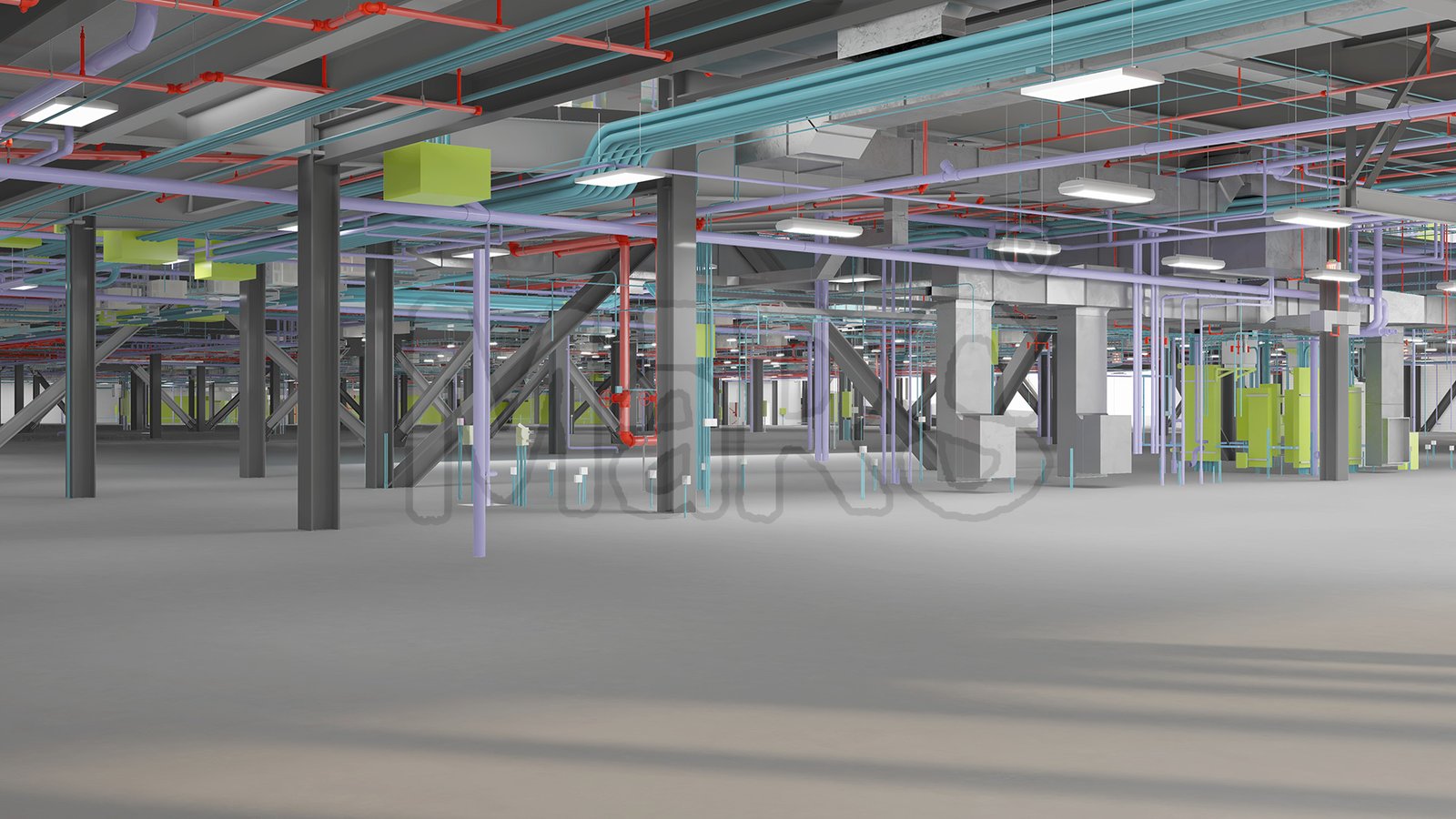
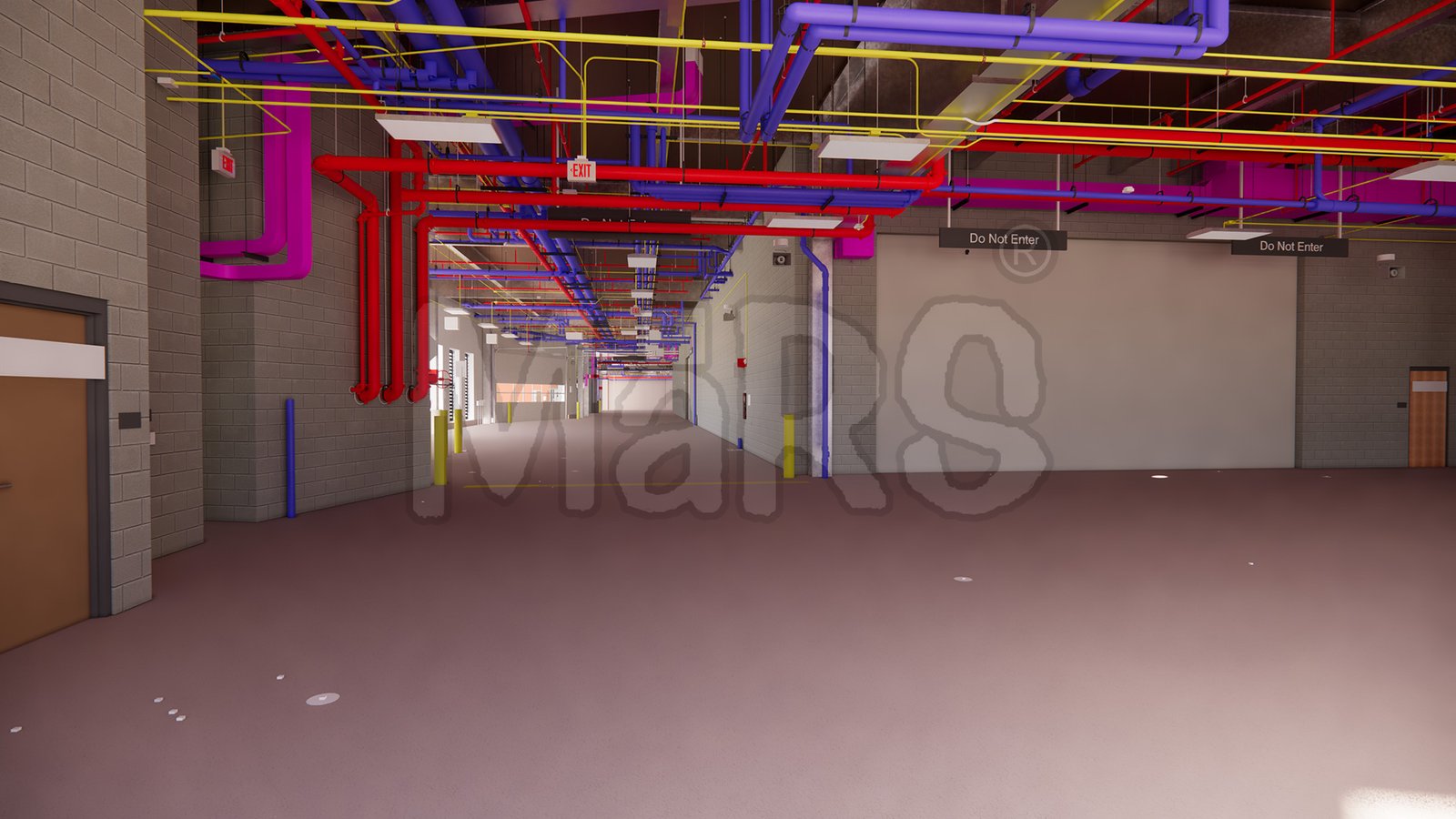
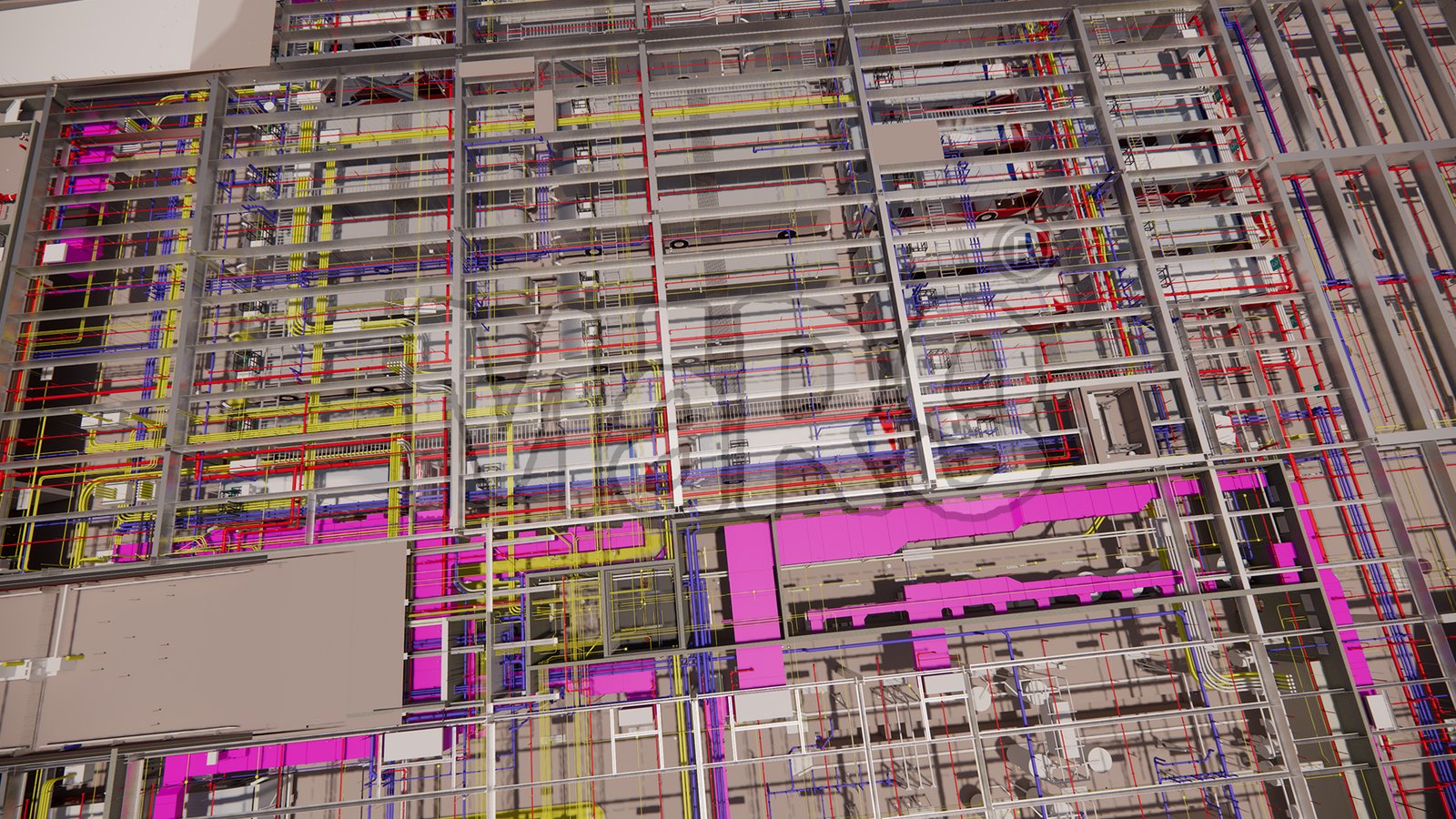
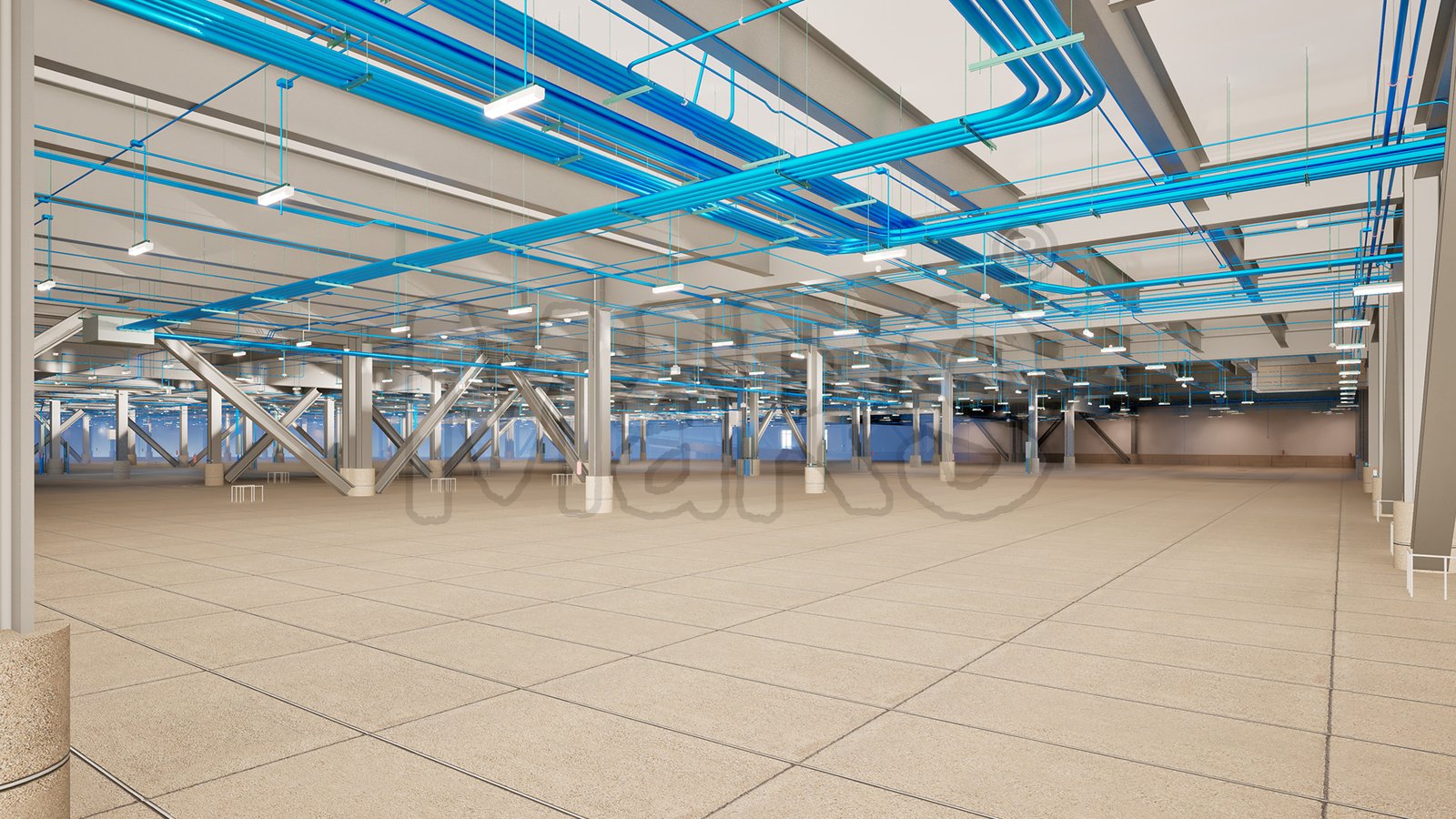
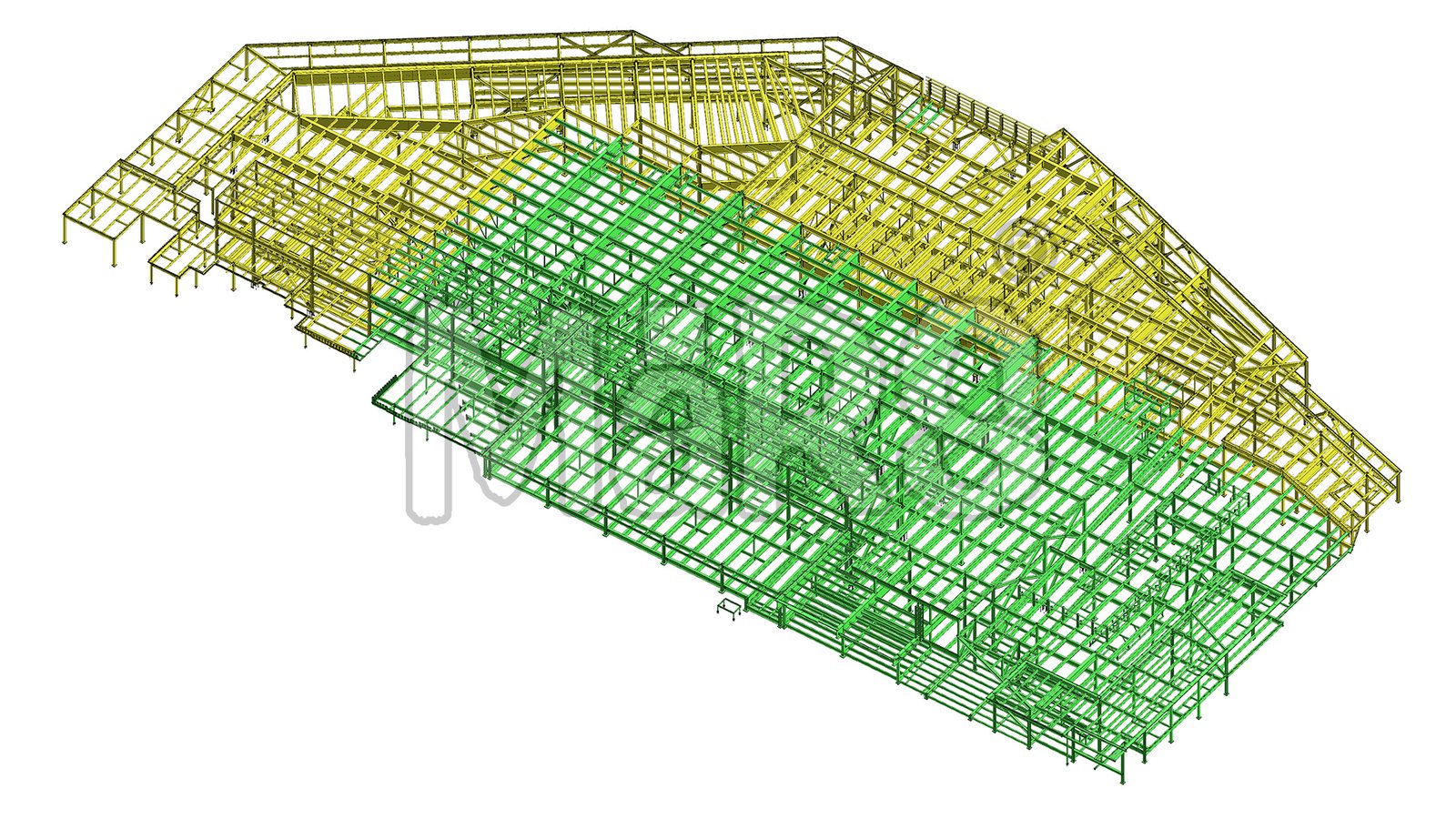
The transformation involves a 10,000-ton steel-frame structure supporting a fully zero-emission bus fleet alongside complex MEP systems for electric bus charging, advanced ventilation, and environmental remediation. The scale and technical complexity of this project demanded construction-grade BIM across all disciplines from day one.

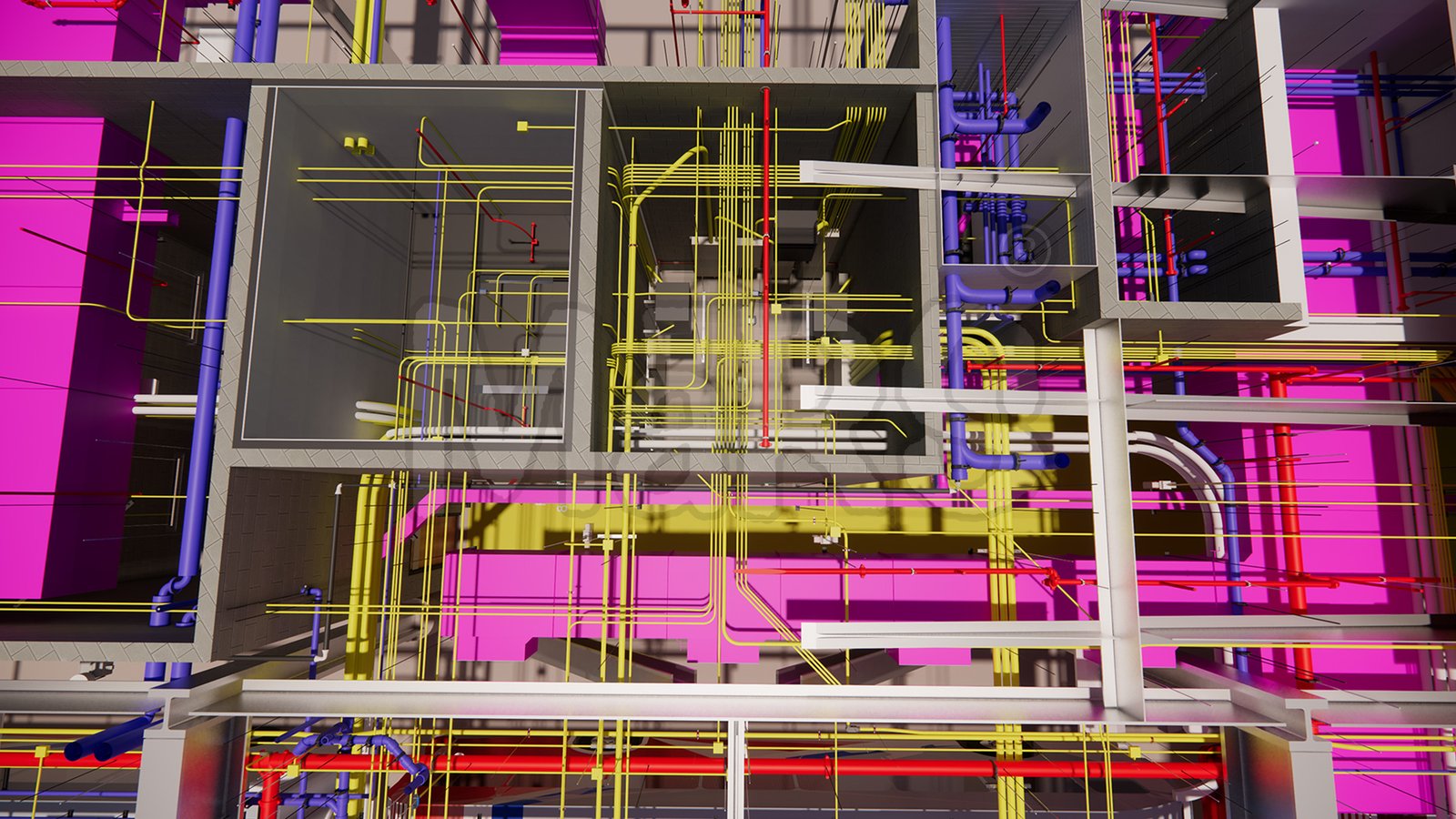
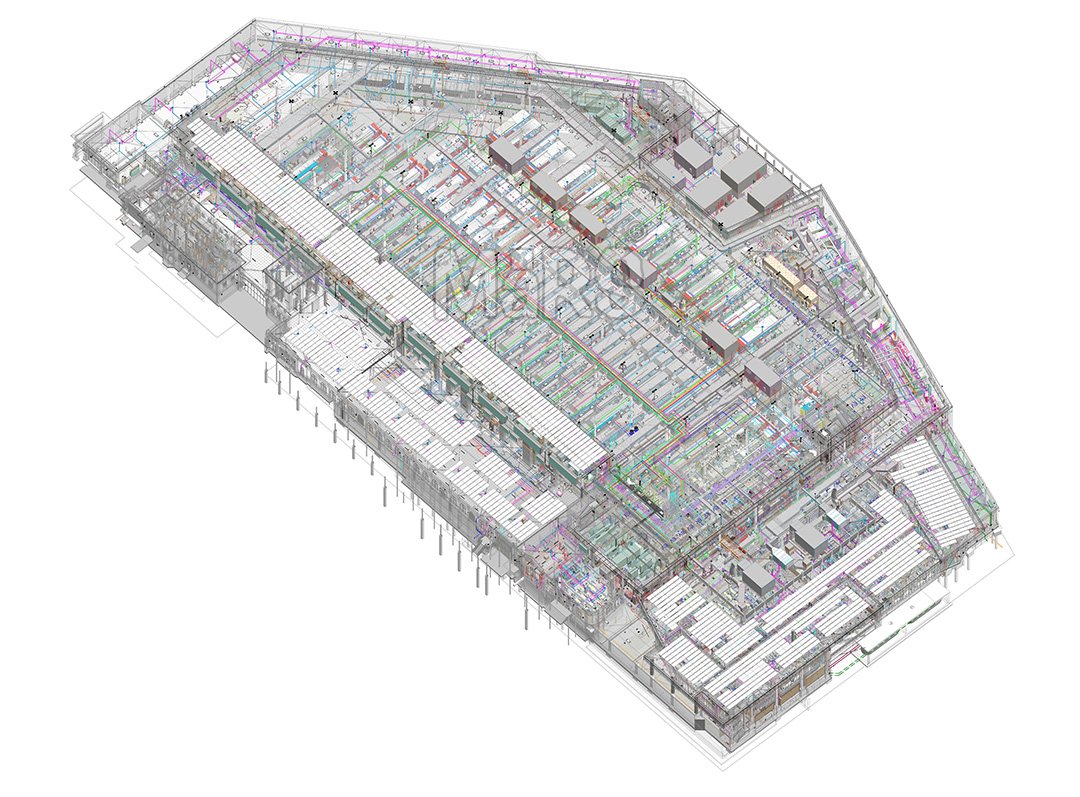
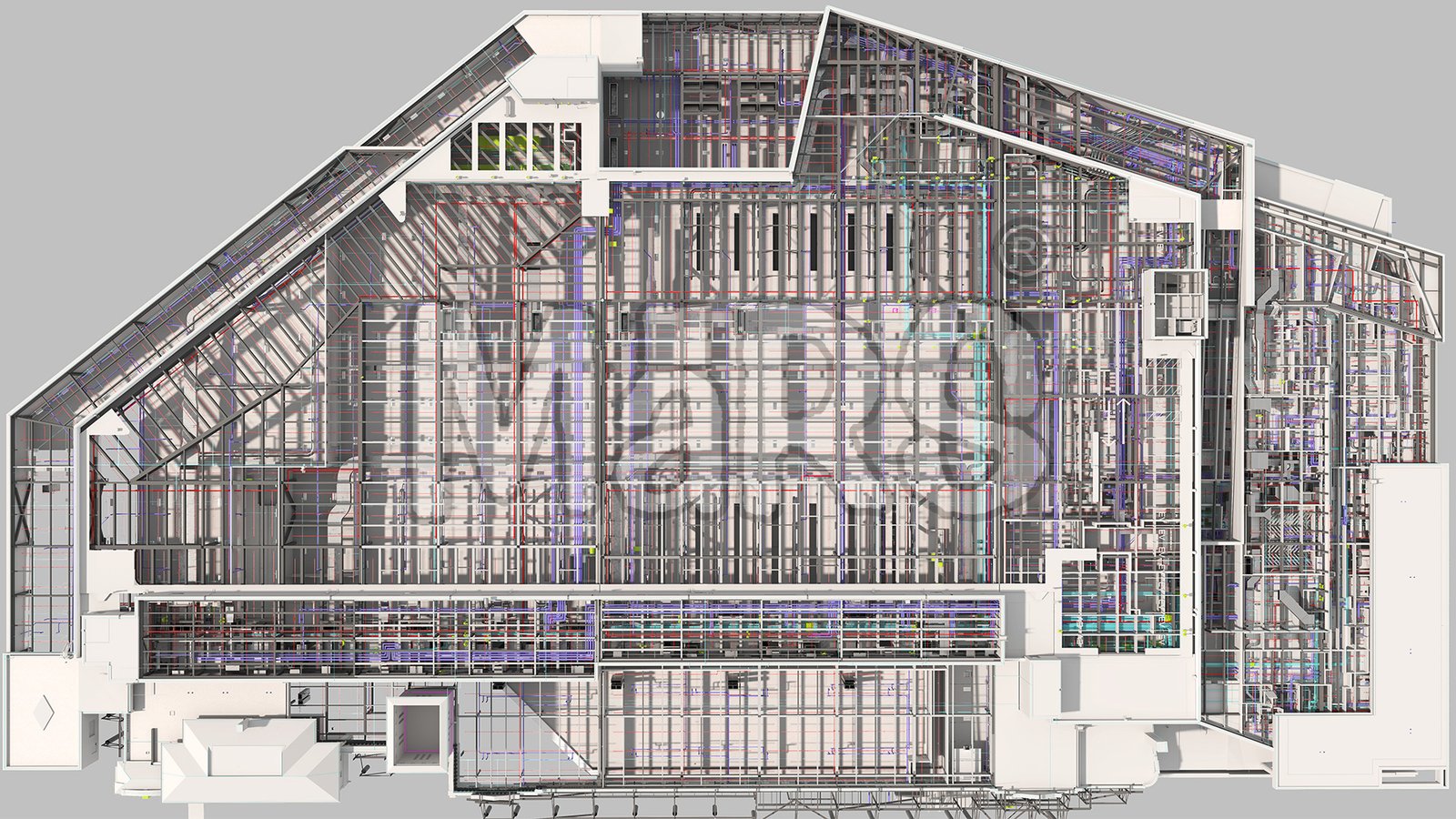
MaRS BIM Solutions delivered LOD 400 BIM modeling and full multi-trade coordination for this project, working from legacy construction drawings and 3D laser scan point cloud data to produce installation-ready models that supported field execution across all structural, architectural, and MEP trades.

WMATA Northern Bus Garage Redevelopment Project

Why This Project Needed BIM

Historic Structure Integration

Point cloud scan data was the only reliable way to validate tolerances between the 1906 masonry and new steel connections before fabrication.

10,000-Ton Steel Frame Coordination

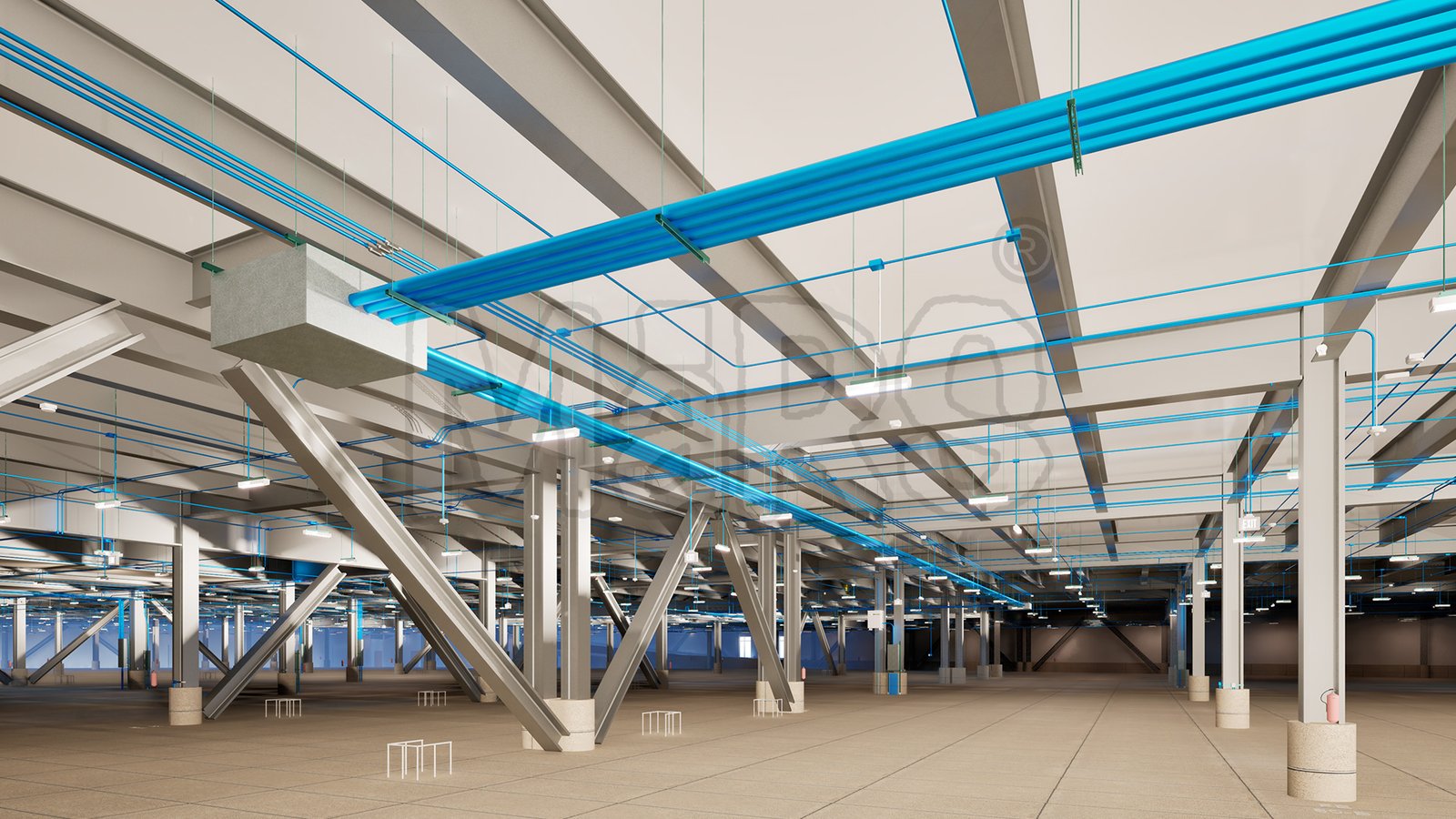
13 massive girders, each 100 feet long and weighing up to 92,000 pounds, required 16 months of planning and extensive coordination. BIM managed crane picks, clearances, and connection sequencing.

Dense MEP in a Maintenance Environment

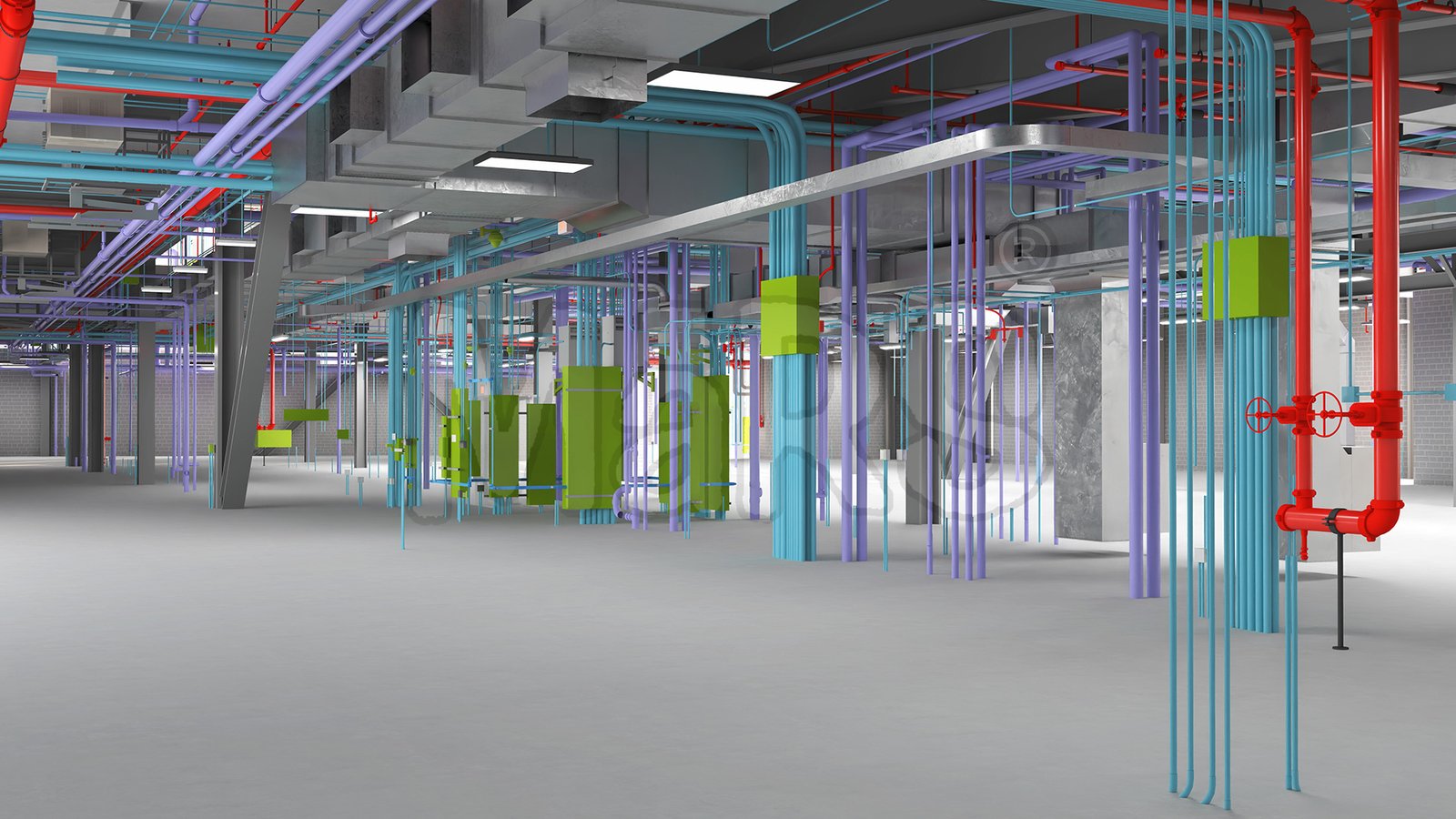
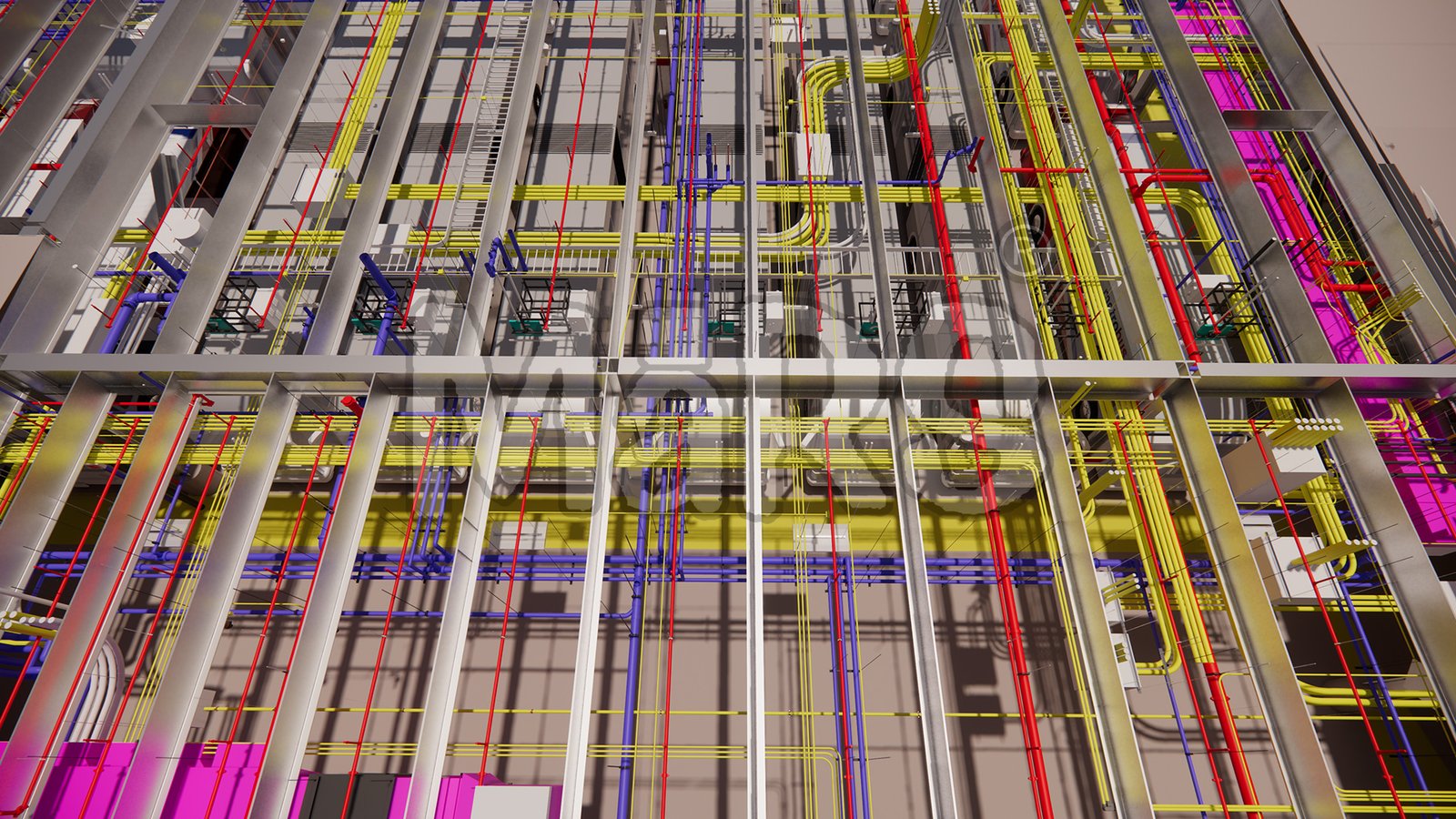
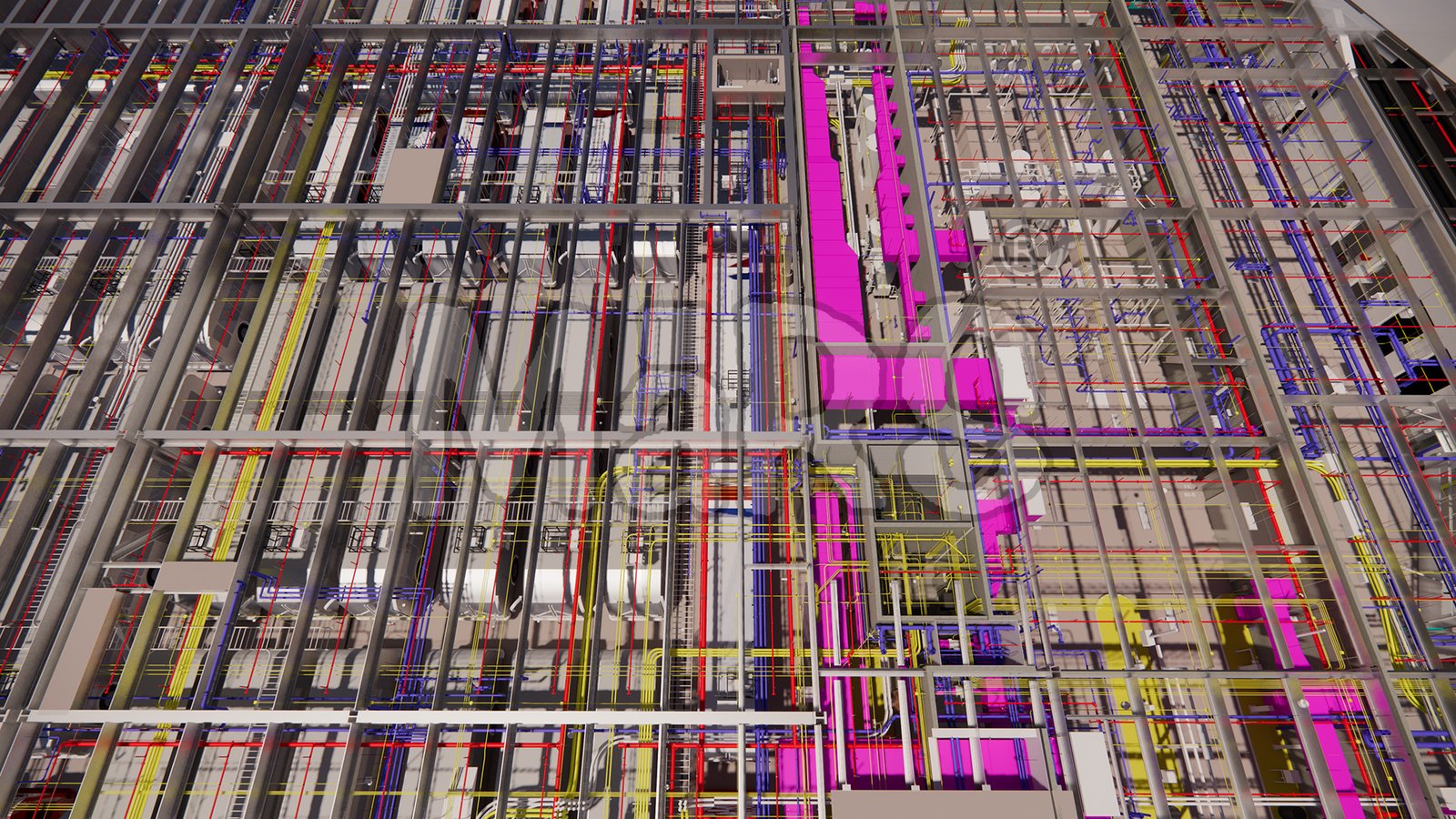
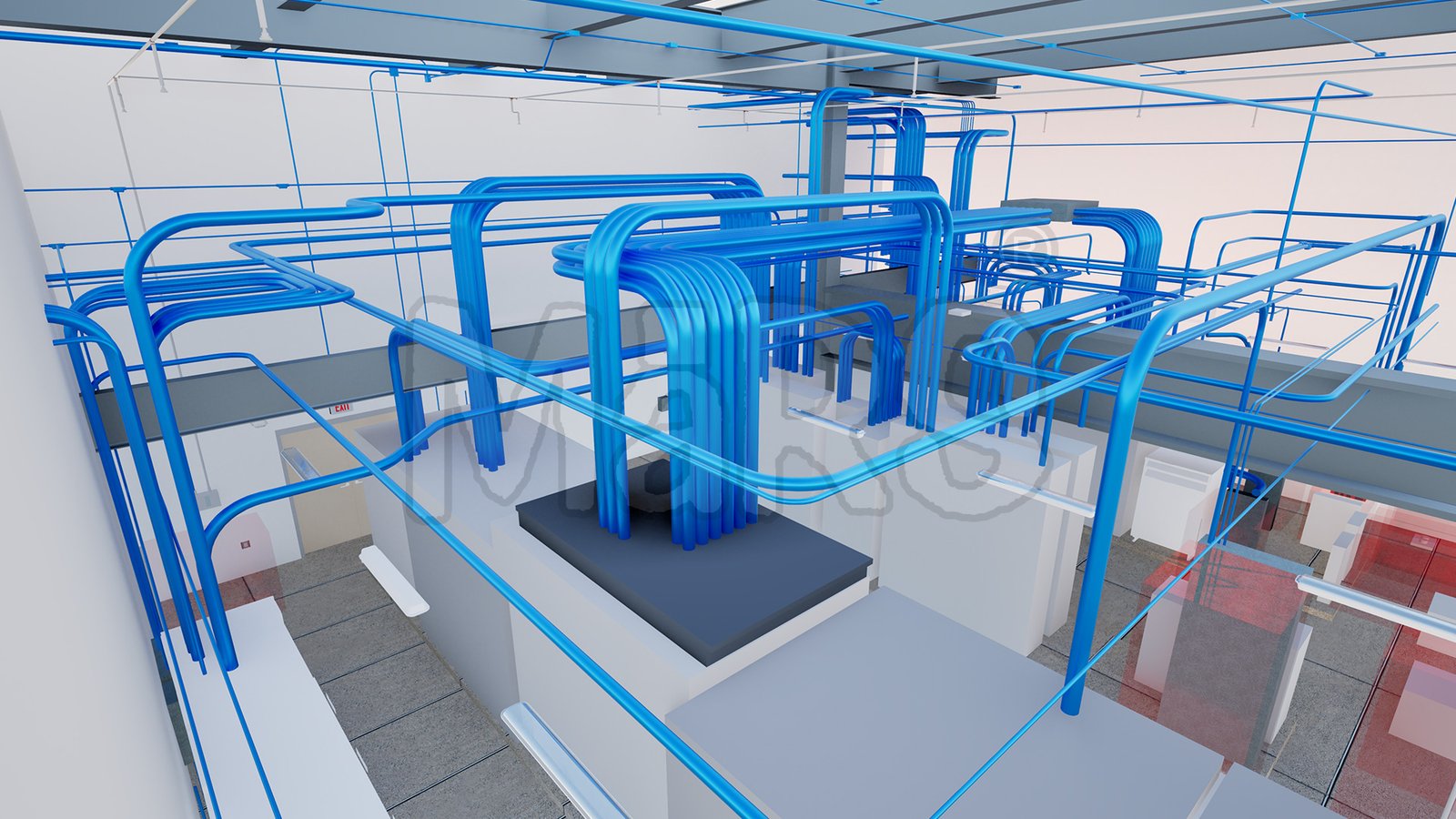
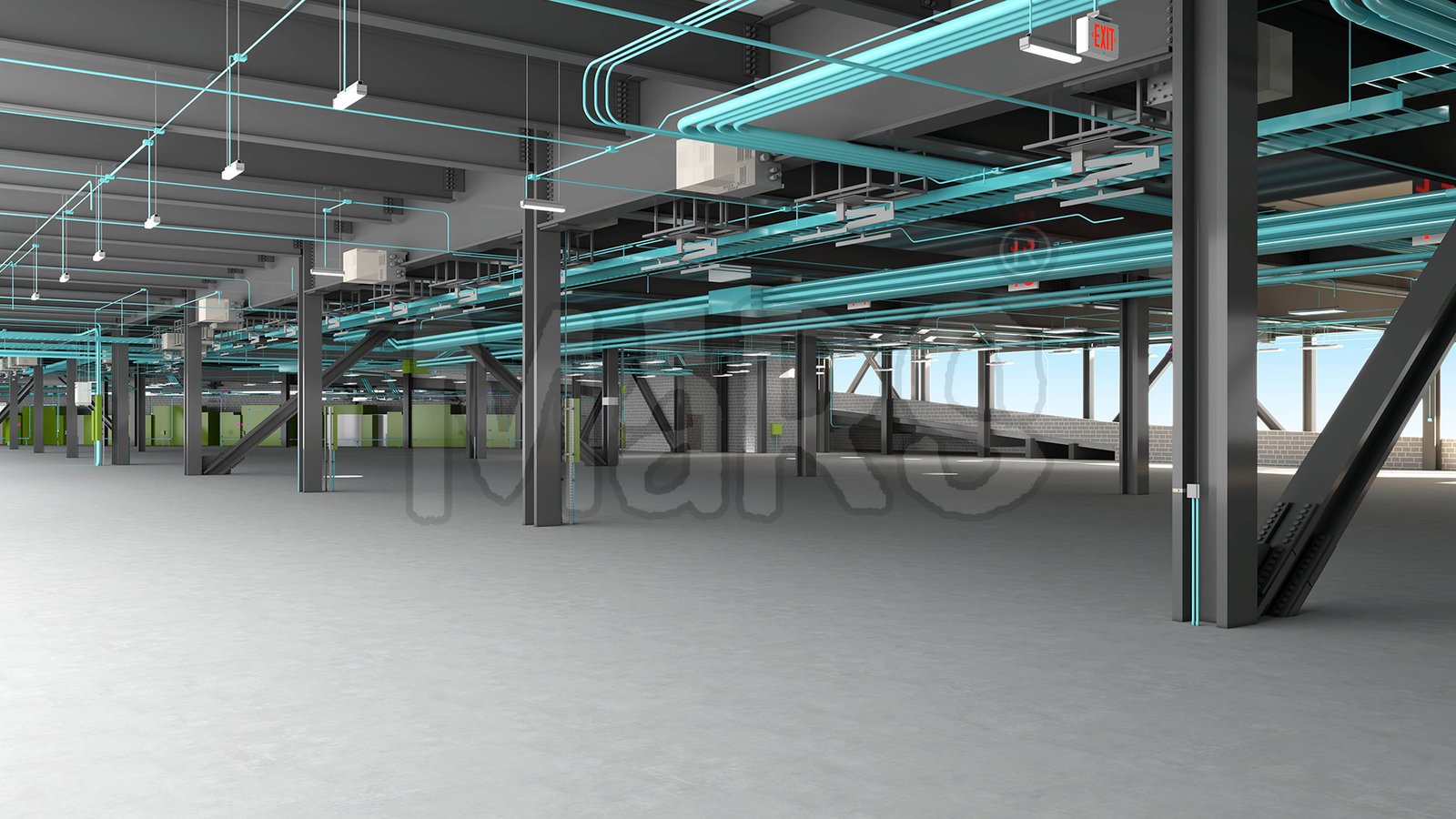
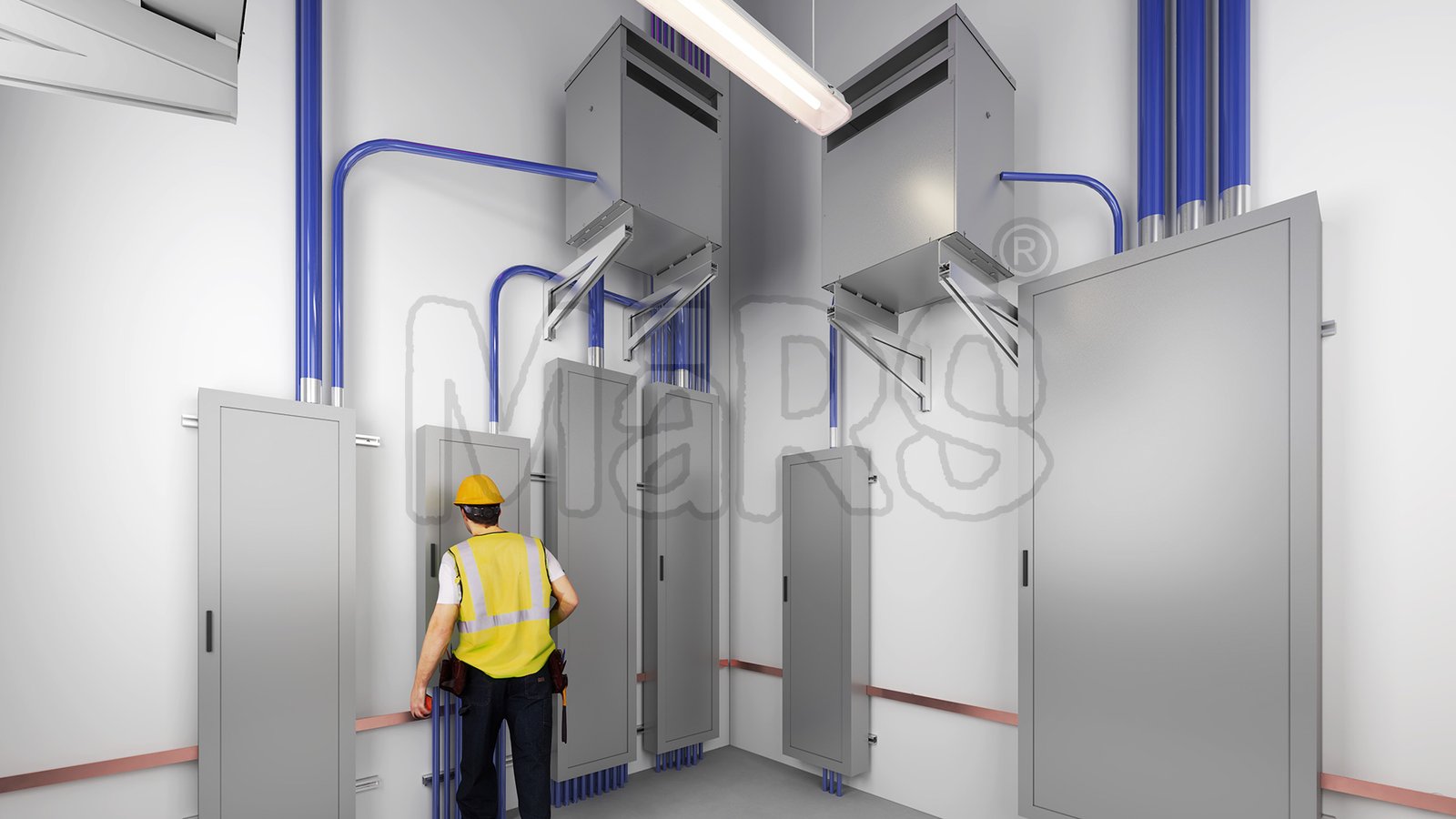
EV charging infrastructure, HVAC, BMS controls, fire protection, and plumbing all had to be coordinated within ceiling zones also occupied by overhead cranes, vehicle lifts, and exhaust extraction systems.

Zero-Emission Charging Infrastructure

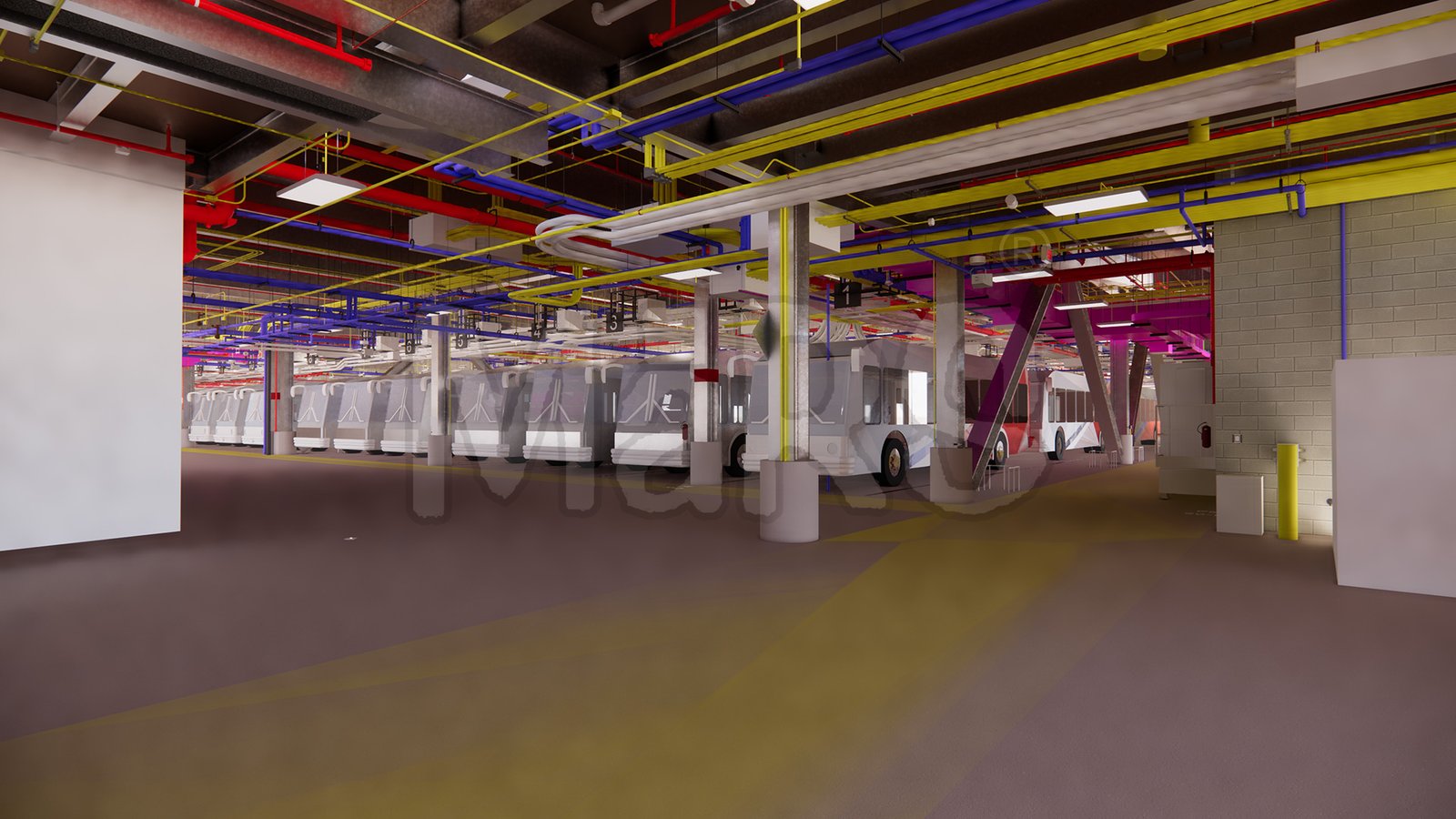
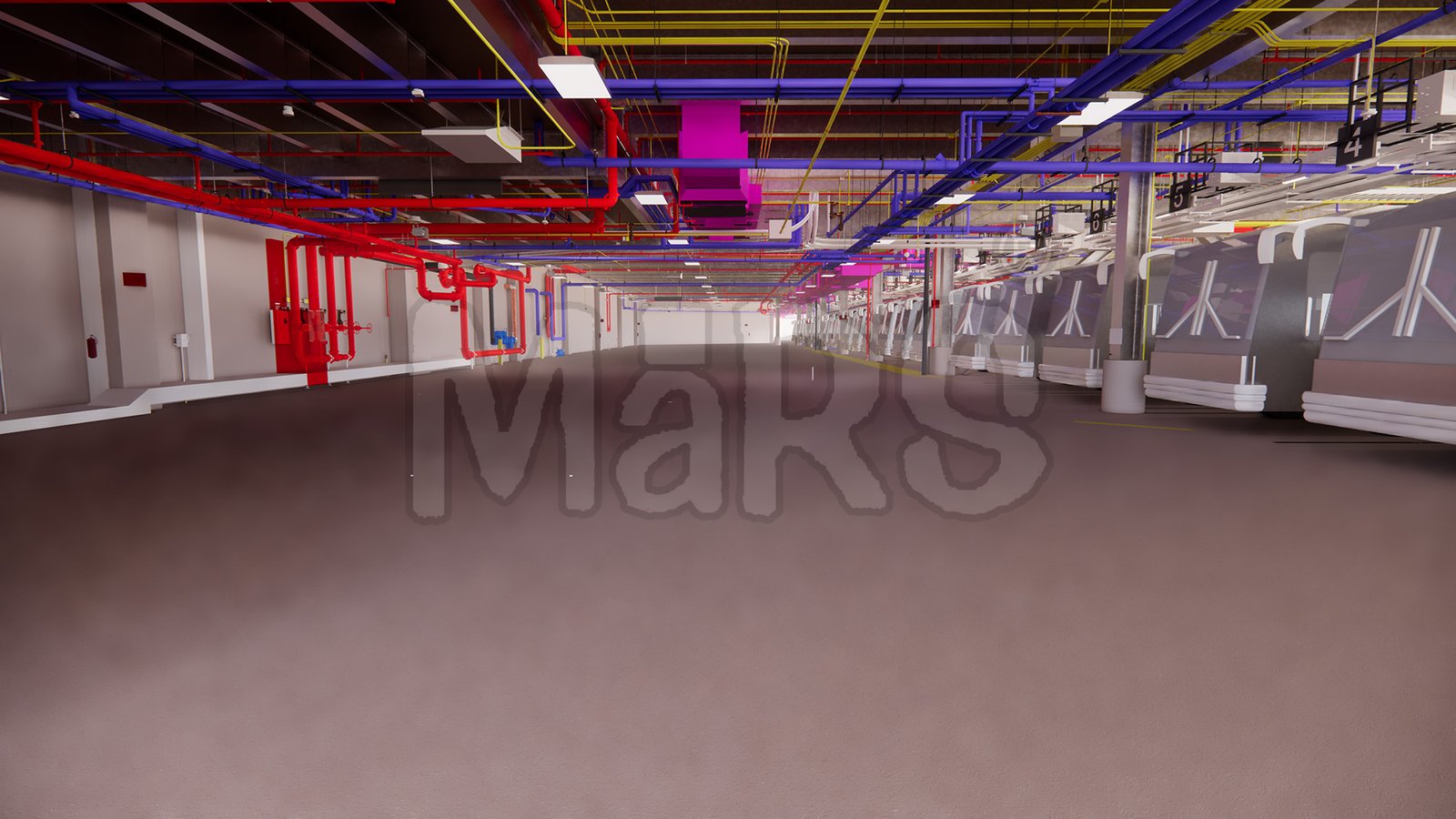
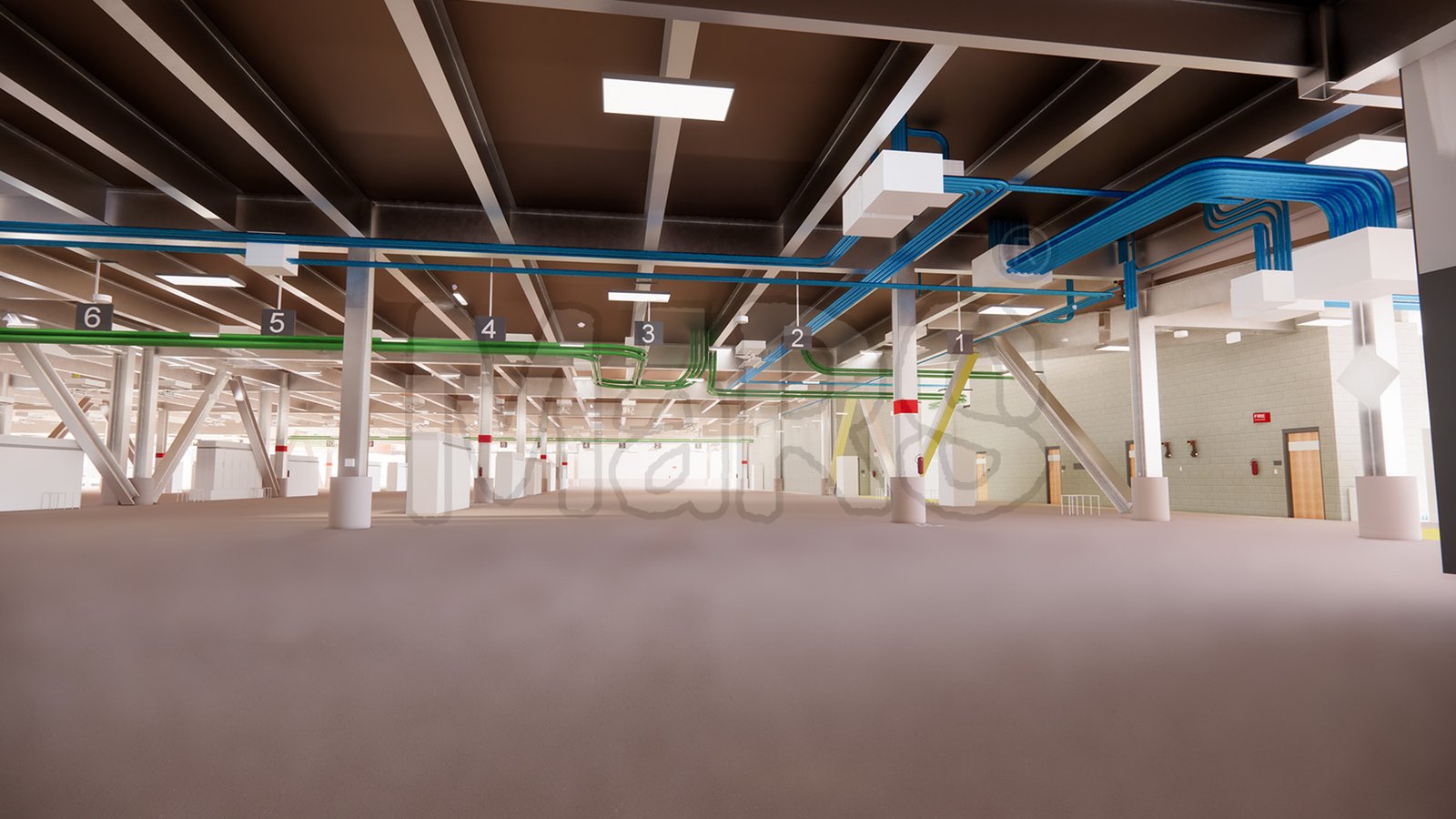
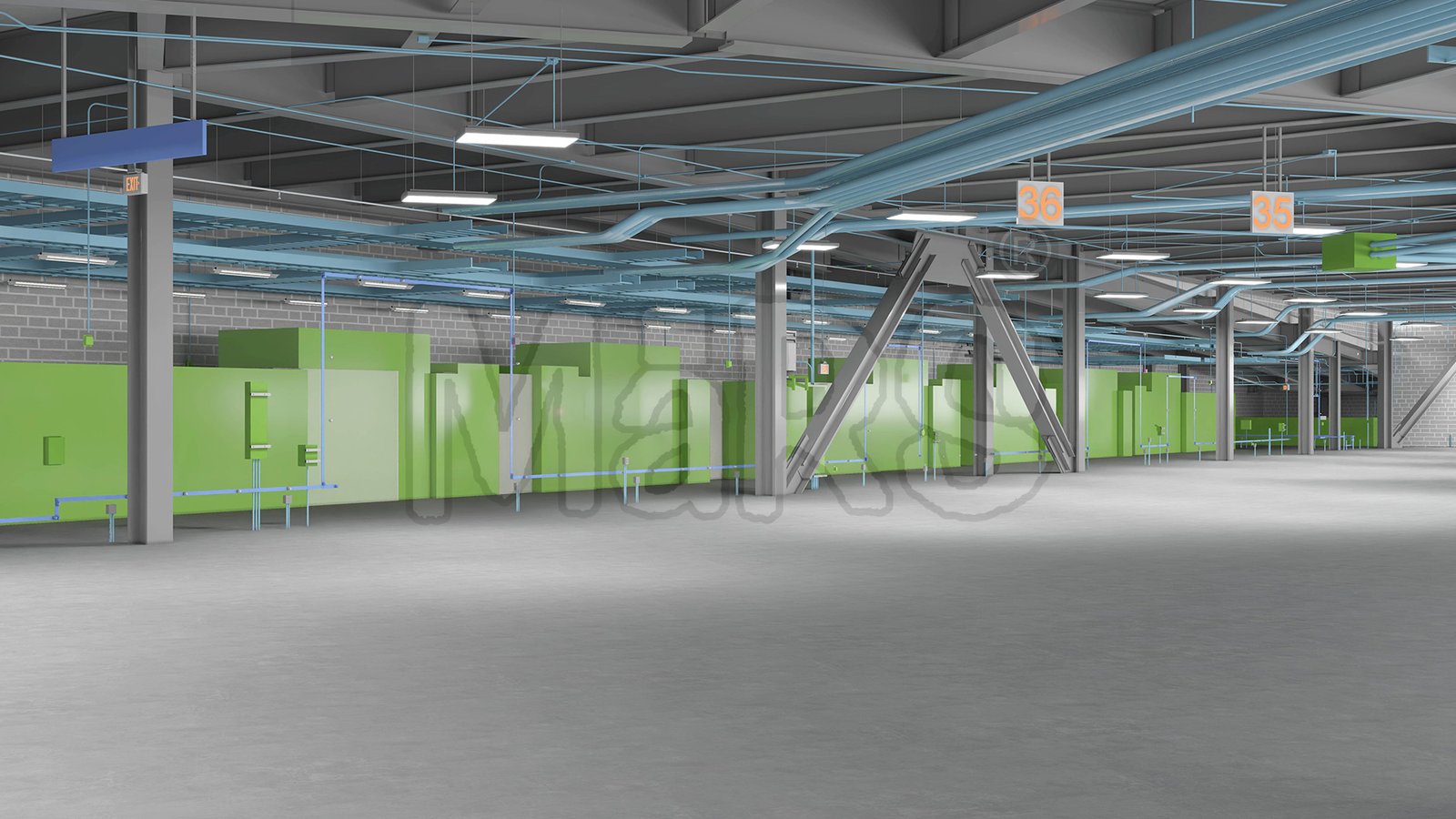
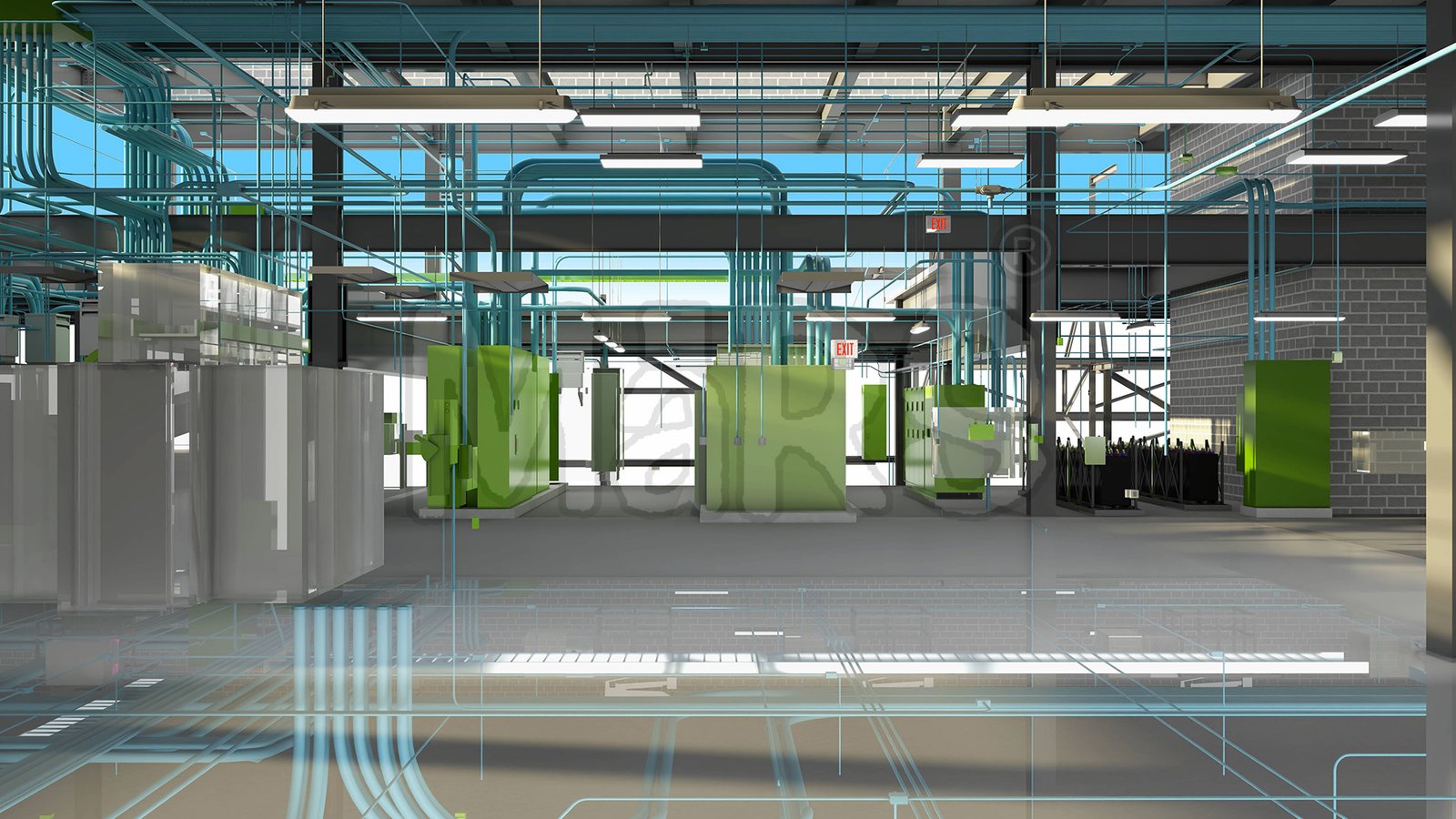
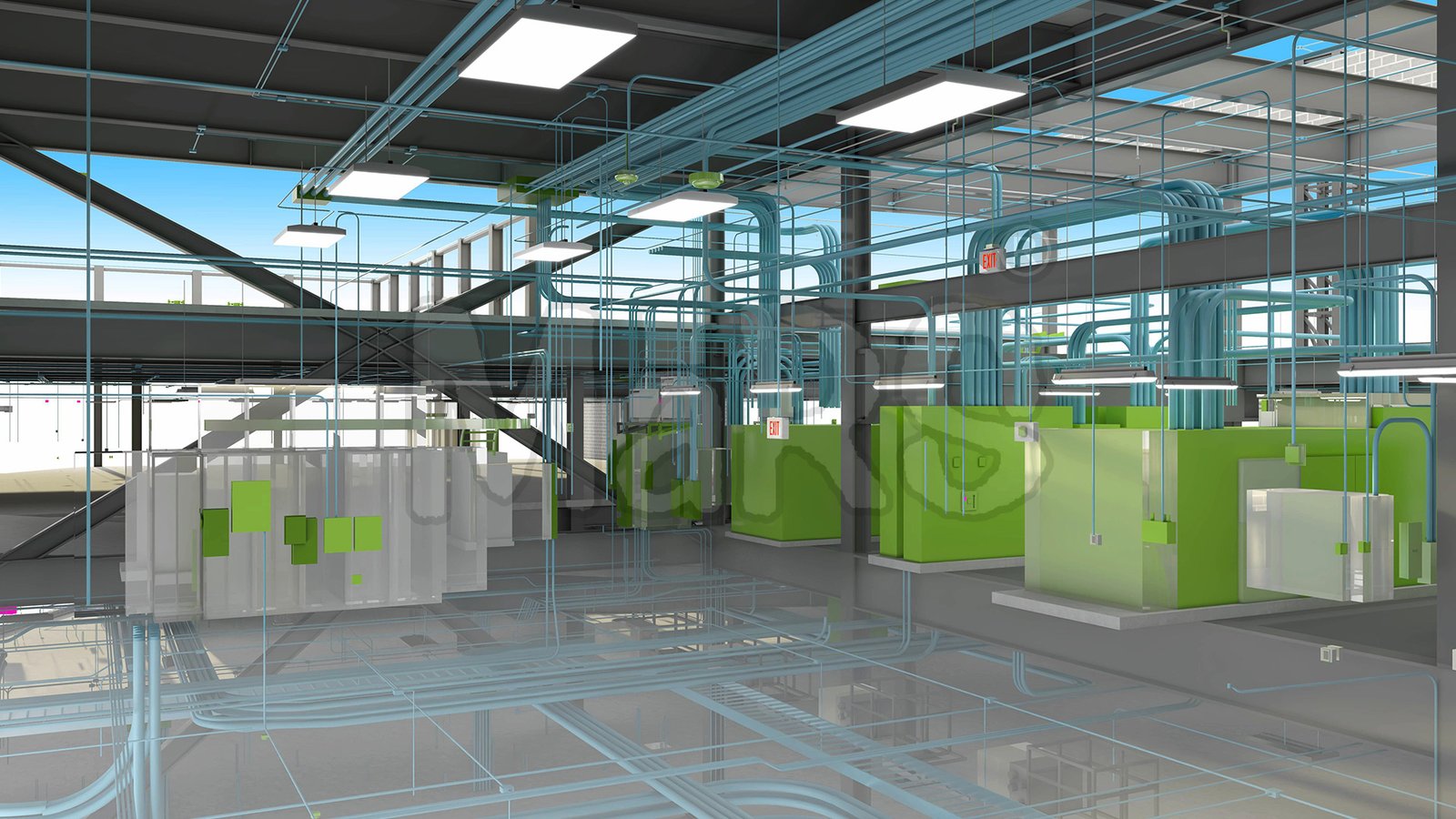
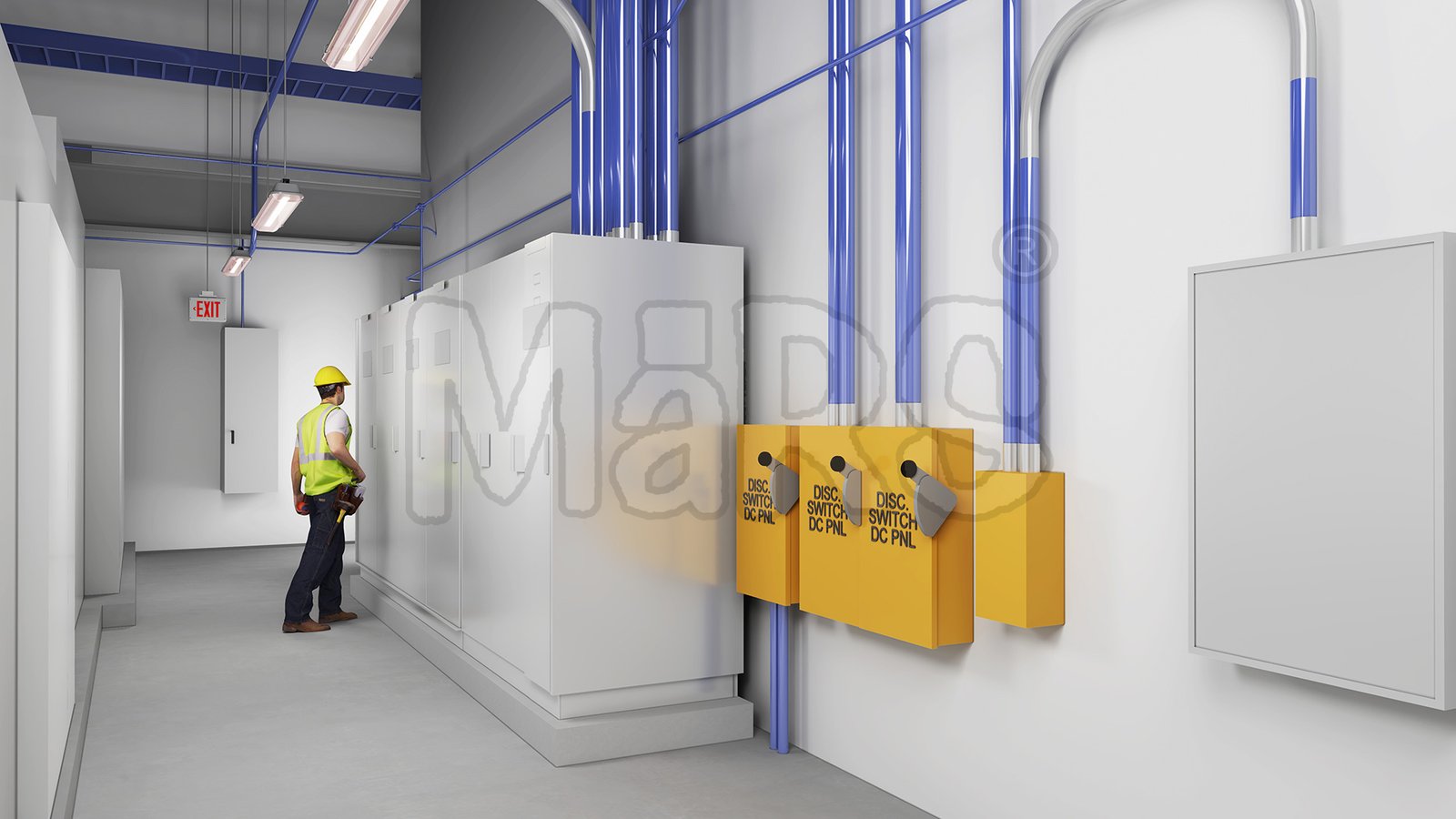
Routing high-voltage cable trays, bus ducts, and switchgear serving 150 bus positions alongside structural members and maintenance equipment required LOD 400 spatial precision.

Multi-Trade Congestion in Constrained Ceilings

BIM was the only reliable method to verify hanger space, installation sequence, and trade clearances across all disciplines within the same overhead zone.

Multi-Stakeholder Coordination

With multiple trade contractors, a centralized BIM environment was the only practical way to align decisions, track changes, and maintain a single source of truth across all teams.

Scope of Work

LOD 400 BIM Modeling (Architectural, Structural, and MEP)
Multi-discipline Clash Detection and Coordination
Shop Drawings for structural and MEP trades
Construction Documentation Support
BIM Model Maintenance through Autodesk Construction Cloud
Coordination Meeting Support

Visual Highlights

MEP
Electrical
Architectural - Structural
Video
1 +

Clashes Resolved Before Construction

1 %

Reduction in MEP-Related RFIs

1

Trade Disciplines Coordinated Simultaneously

Key Challenges

Historic Structure Tolerances
The 1906 masonry showed significant dimensional deviations from original drawings. Every structural connection was modeled against actual point cloud geometry rather than design intent dimensions.
Historic and New Construction Interface
Active historic renovation and new construction proceeded simultaneously in adjacent zones. BIM models had to define interface boundaries, manage phasing, and coordinate temporary facade protection works.
Remediation Zone Coordination
Underground contamination areas affected pile layout, foundation sequencing, and drainage routing. Models had to account for remediation boundaries that were not confirmed until environmental investigation was completed.
EV Charging Power Routing
High-voltage cable trays and bus ducts serving 150 charging positions had to maintain separation distances, clear all structural members, and reach every bus parking lane within an already congested overhead environment.

Our Project Execution Strategy

Field-First Sequencing
Installation sequence for each trade was mapped before LOD 400 modeling began. Access clearances, trade priority, and prefabrication requirements all drove spatial decisions during coordination.
System Corridor Planning
Primary distribution zones were defined early for electrical, mechanical, and plumbing systems. Each trade worked within defined corridors, reducing conflict density in the most congested ceiling areas.
Prefabrication Support
Pipe spools, duct assemblies, and cable tray sections were modeled at full LOD 400 fabrication geometry to support shop prefabrication, reducing field labor in high-congestion zones.
Multi-Trade Coordination & Stakeholder Meetings
Structured coordination meetings were held with all trades and the design team using live model walkthroughs in Autodesk Construction Cloud. Open clashes were reviewed, resolution decisions confirmed, and all actions logged and tracked to closure each cycle.
Get In Touch

Let’s Talk About Your Next Project

Share your drawings and project scope. We will review and send a proposal within 24 hours.

Contact Us

+1 469 887 6400 (Ext 126)
info@marsbimsolutions.com