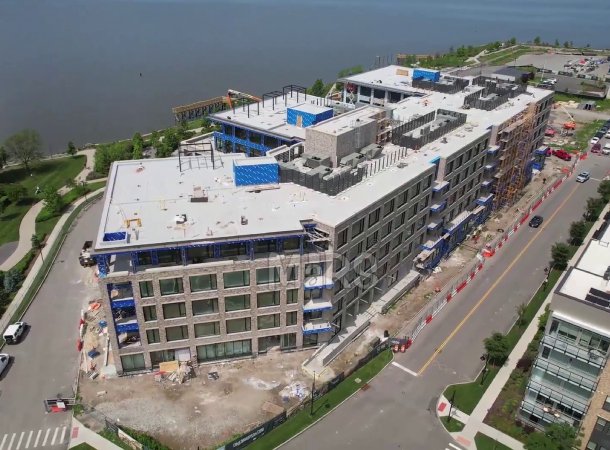
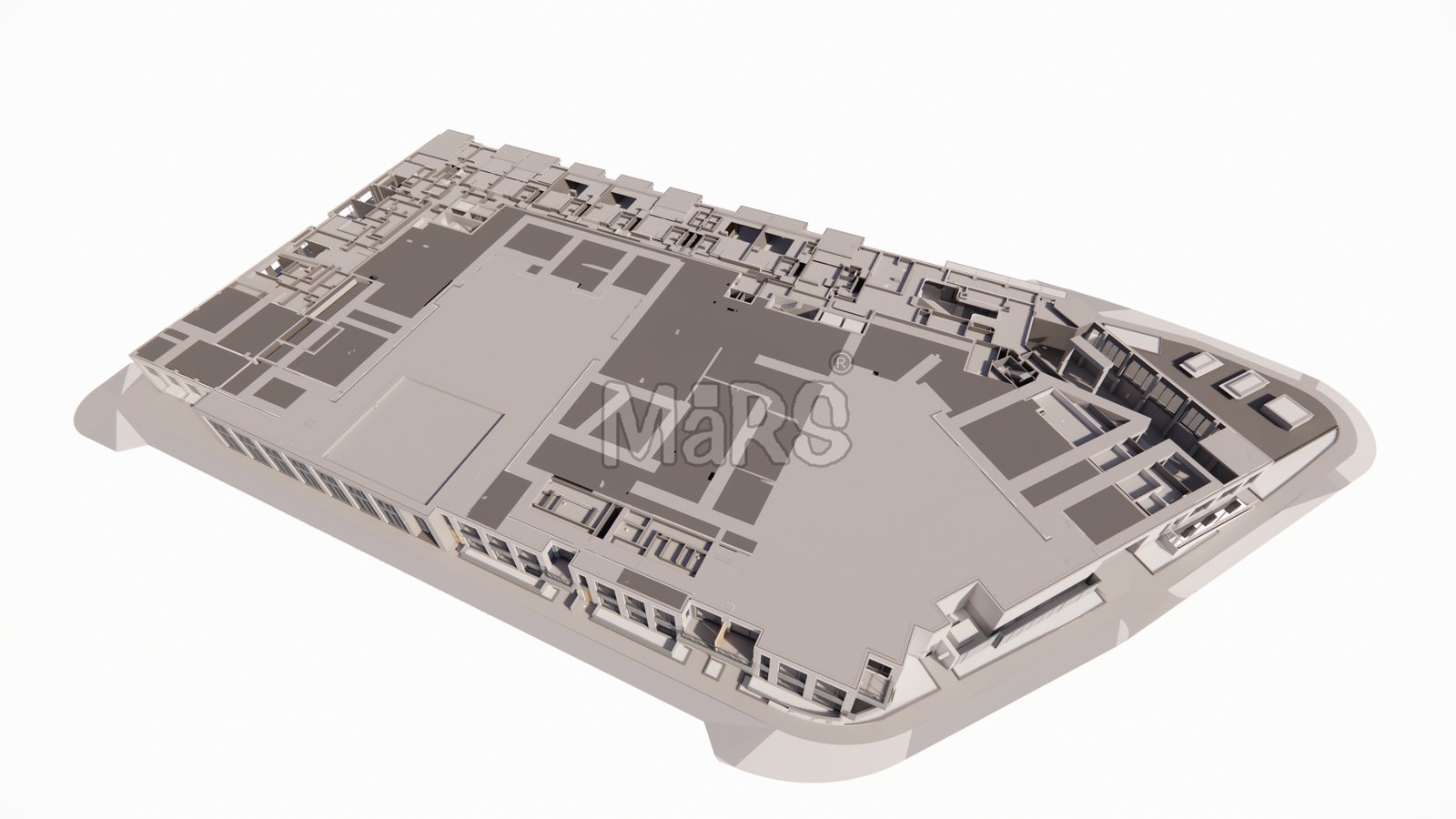
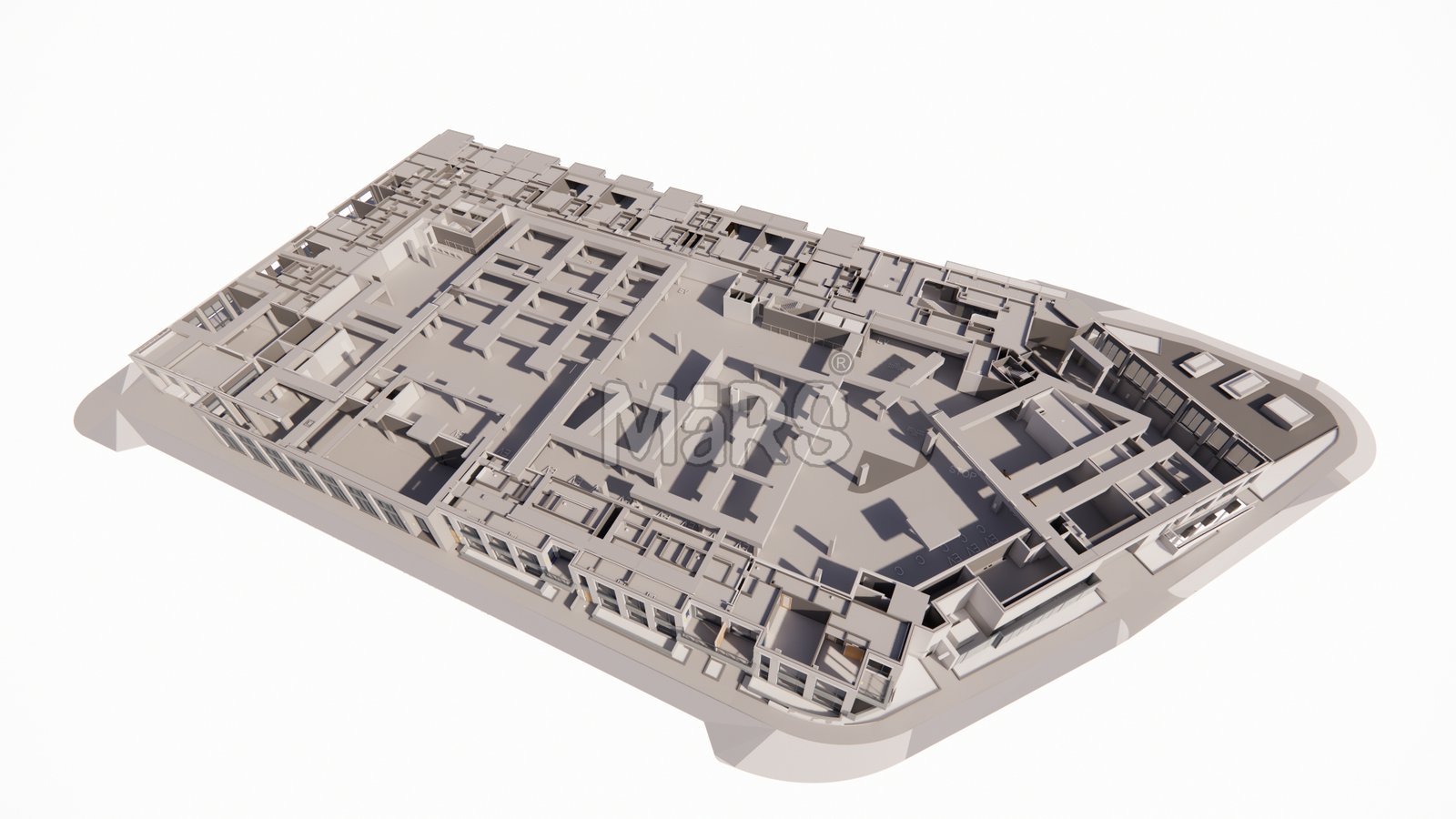
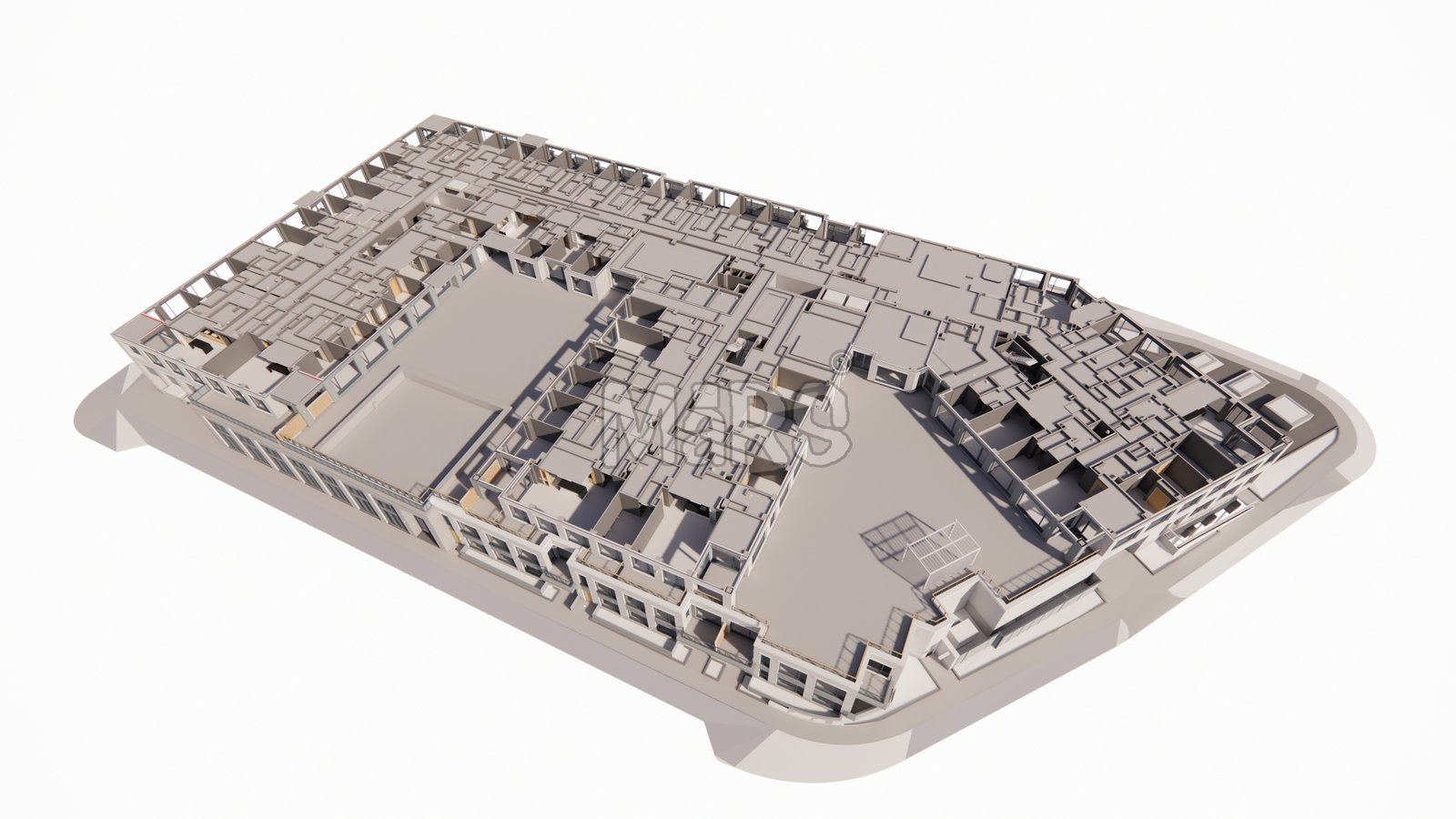
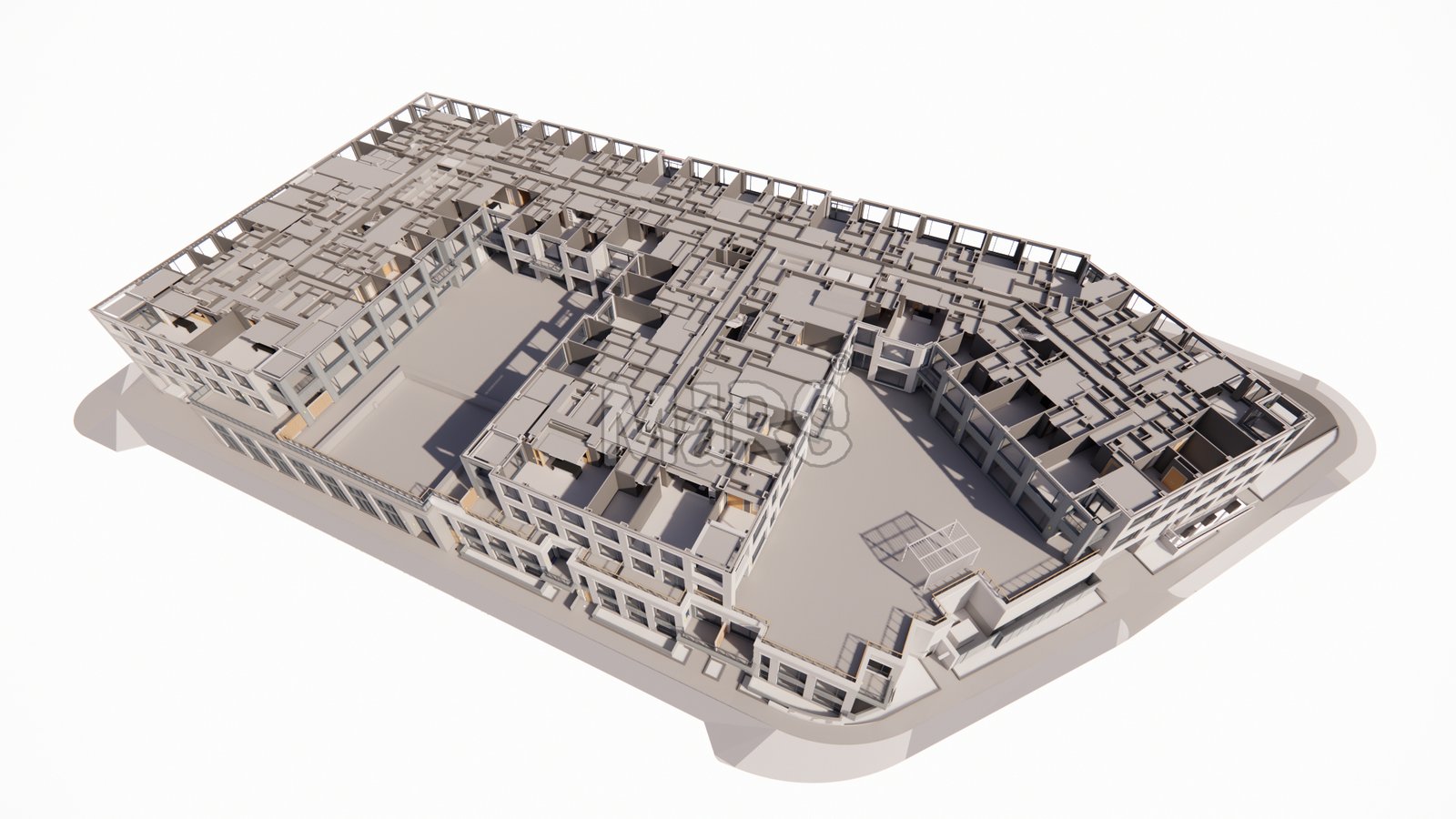
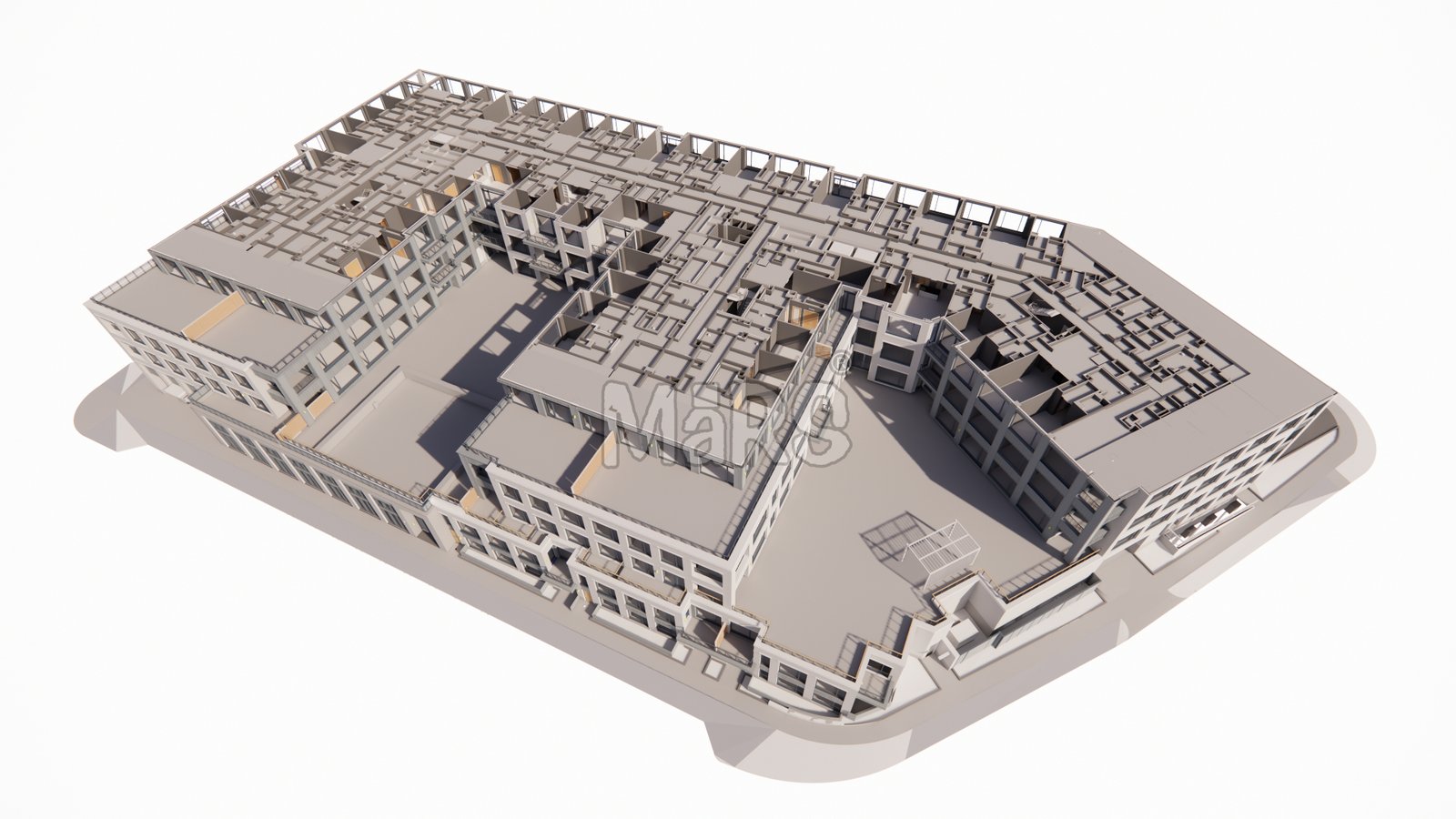
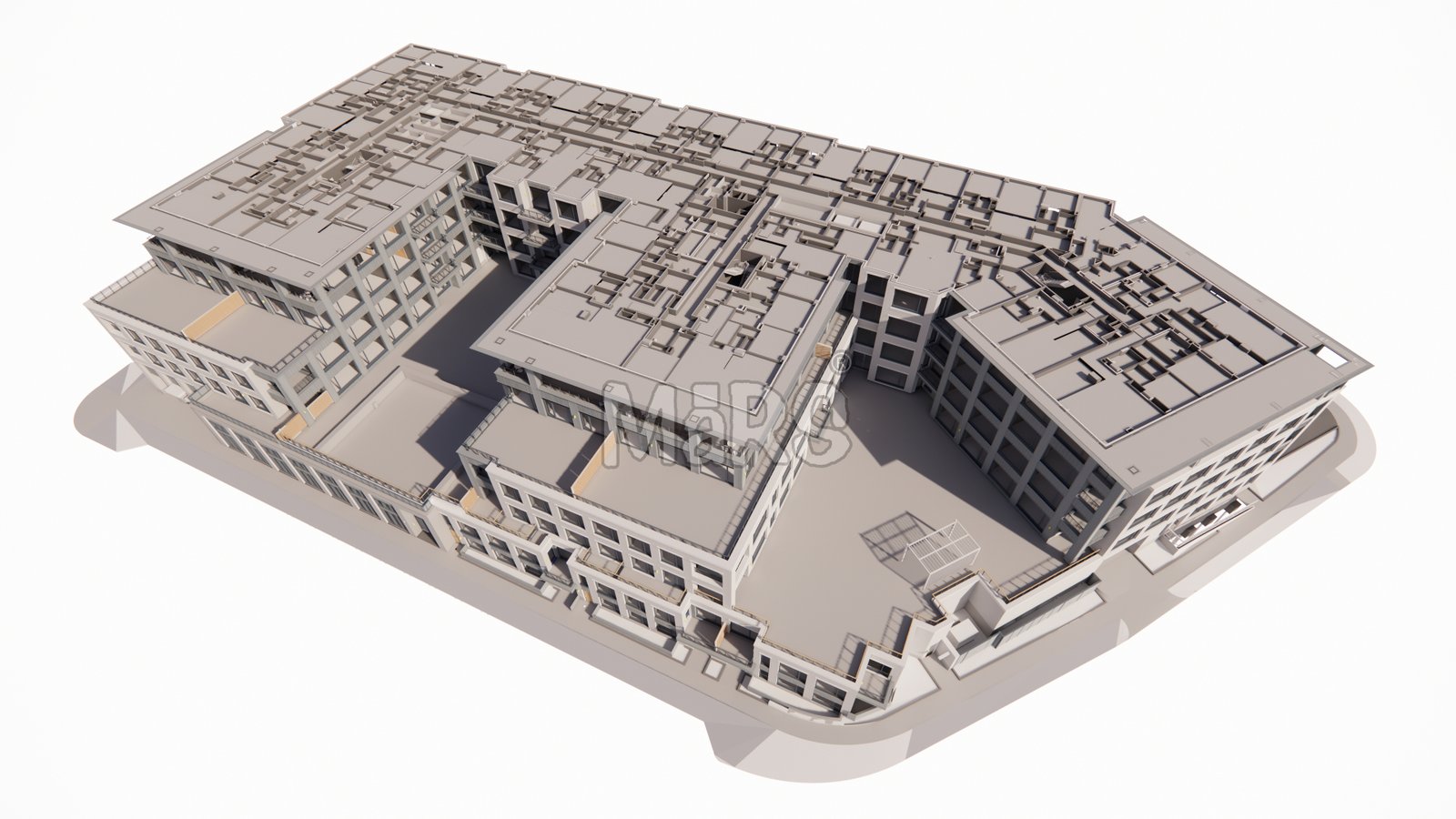
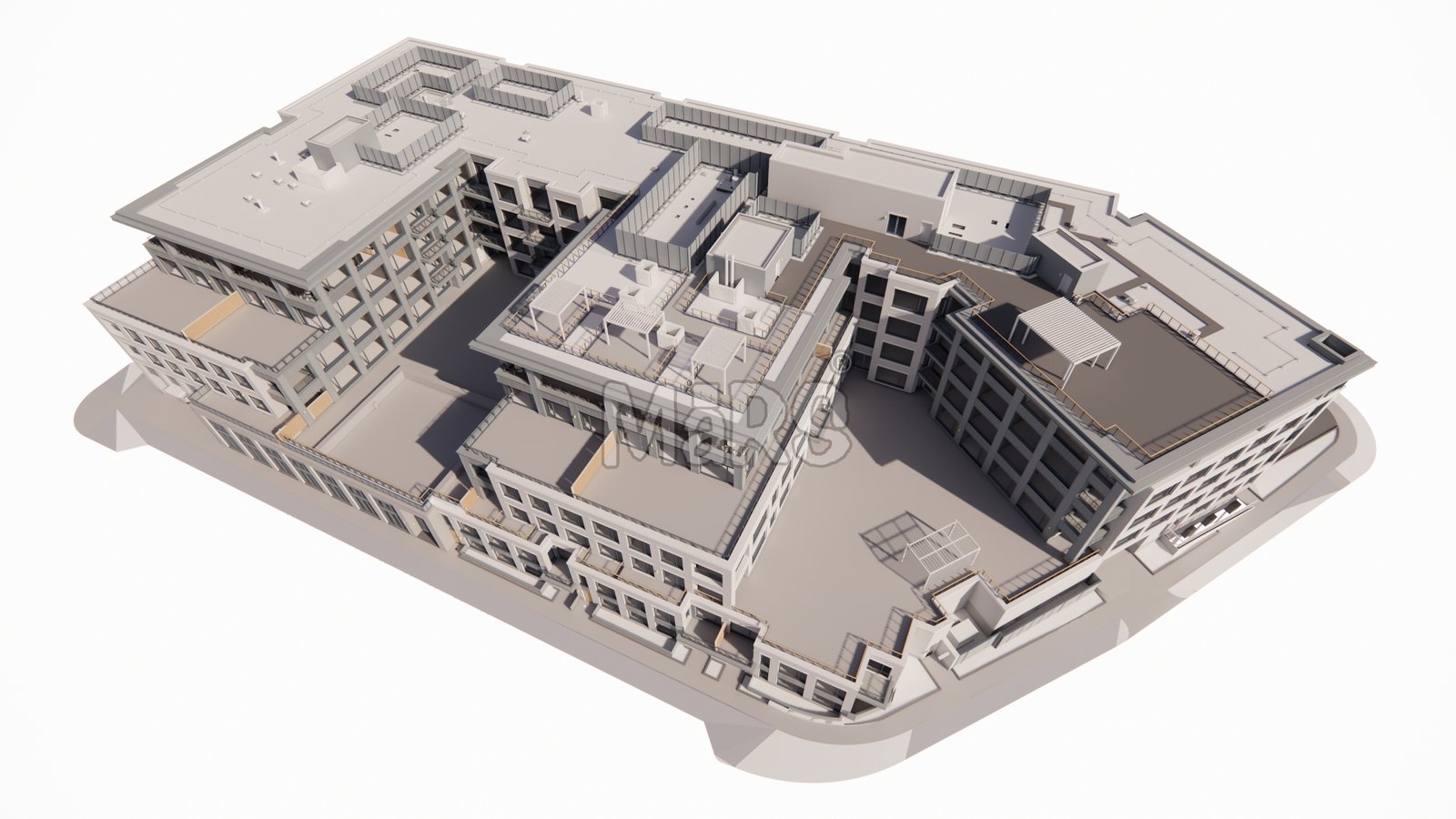
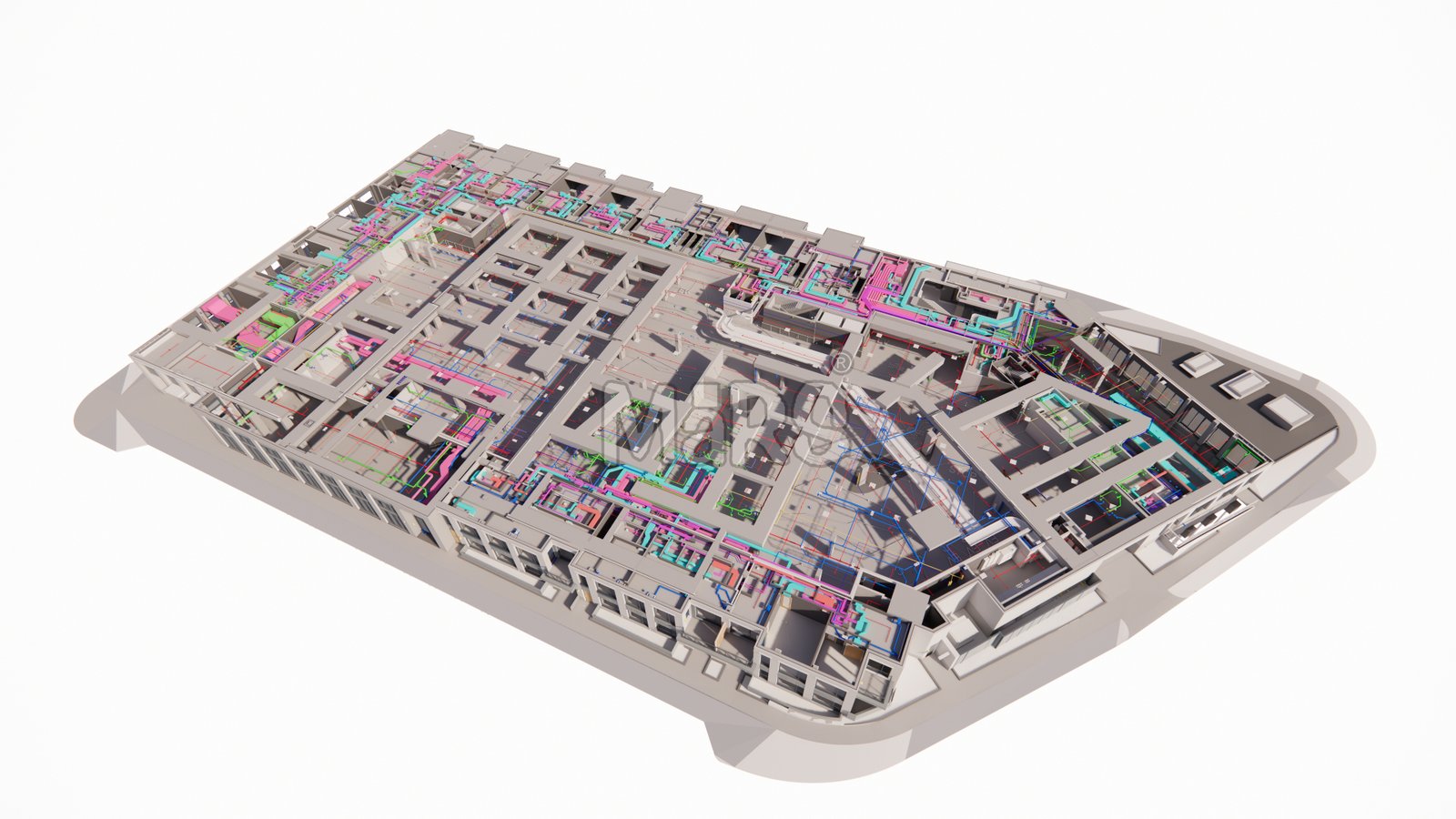
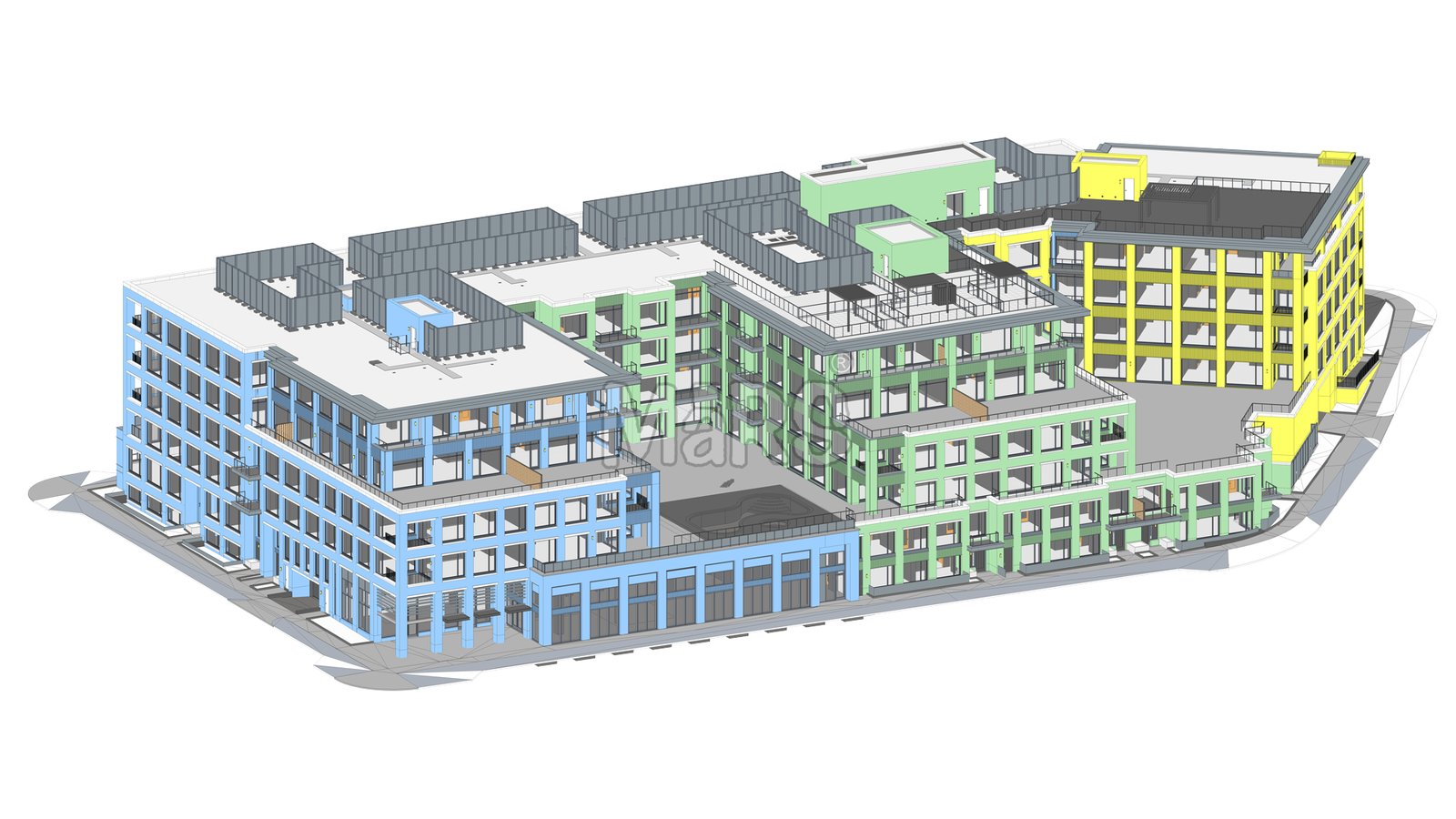
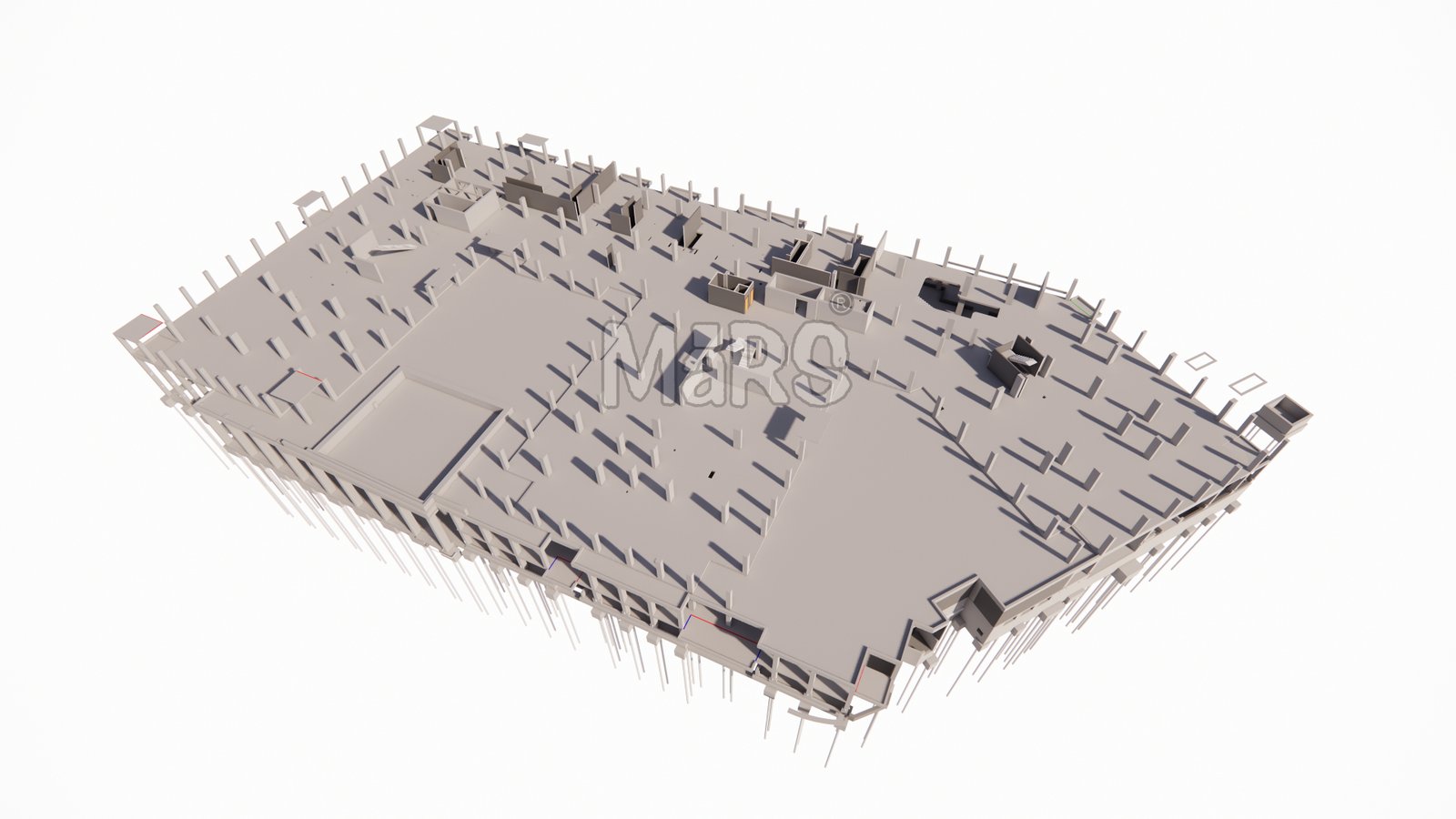
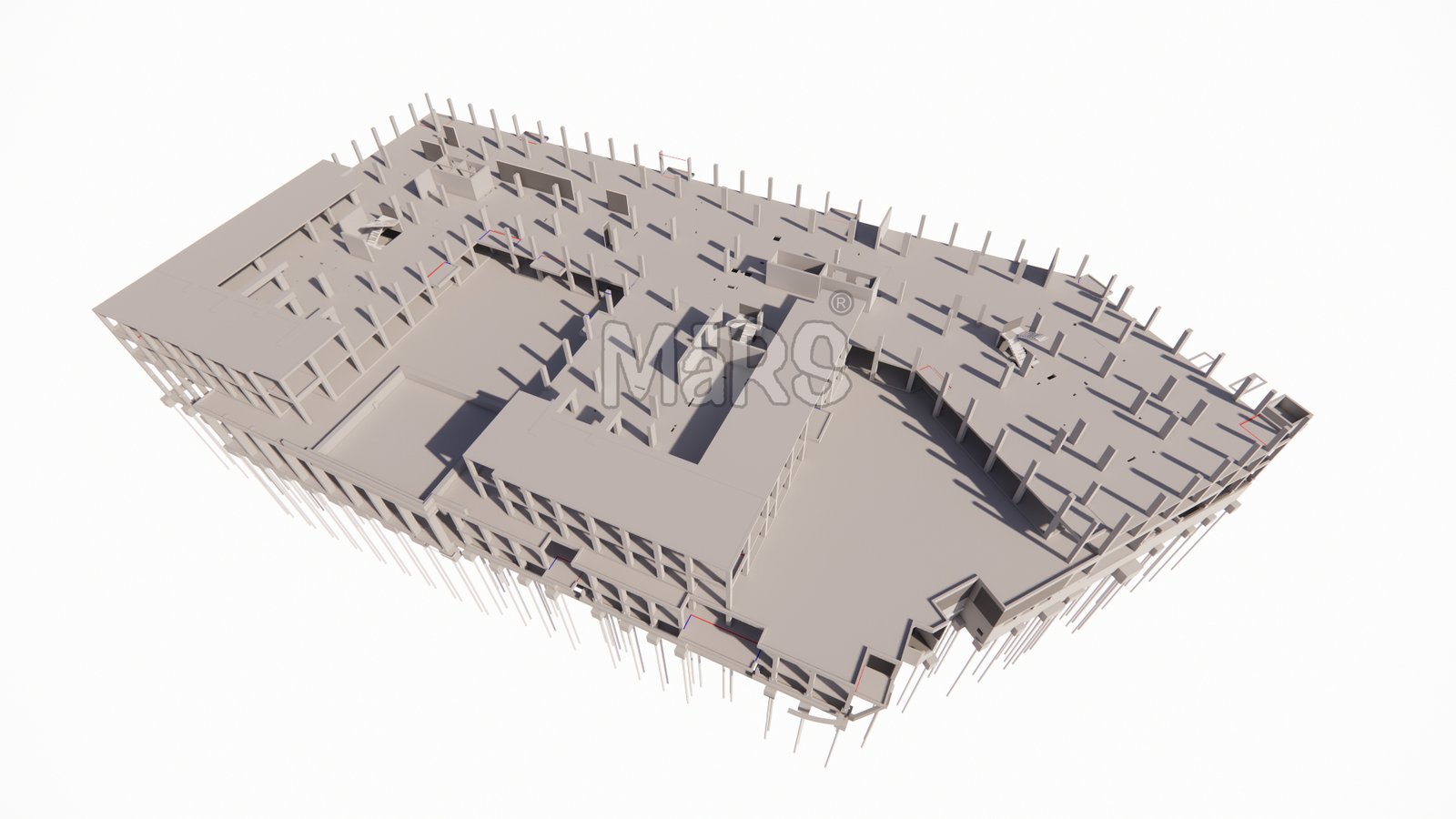
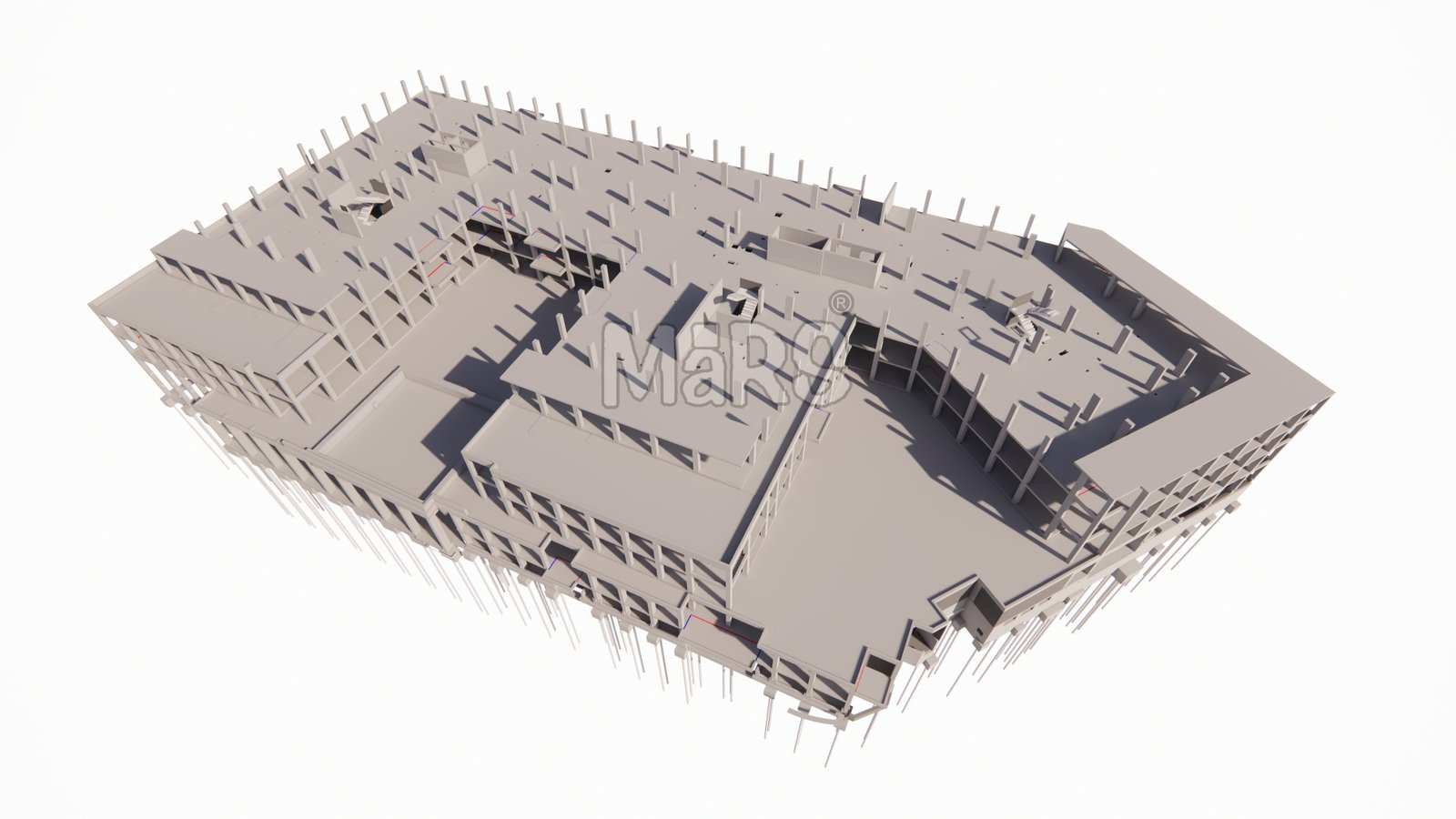
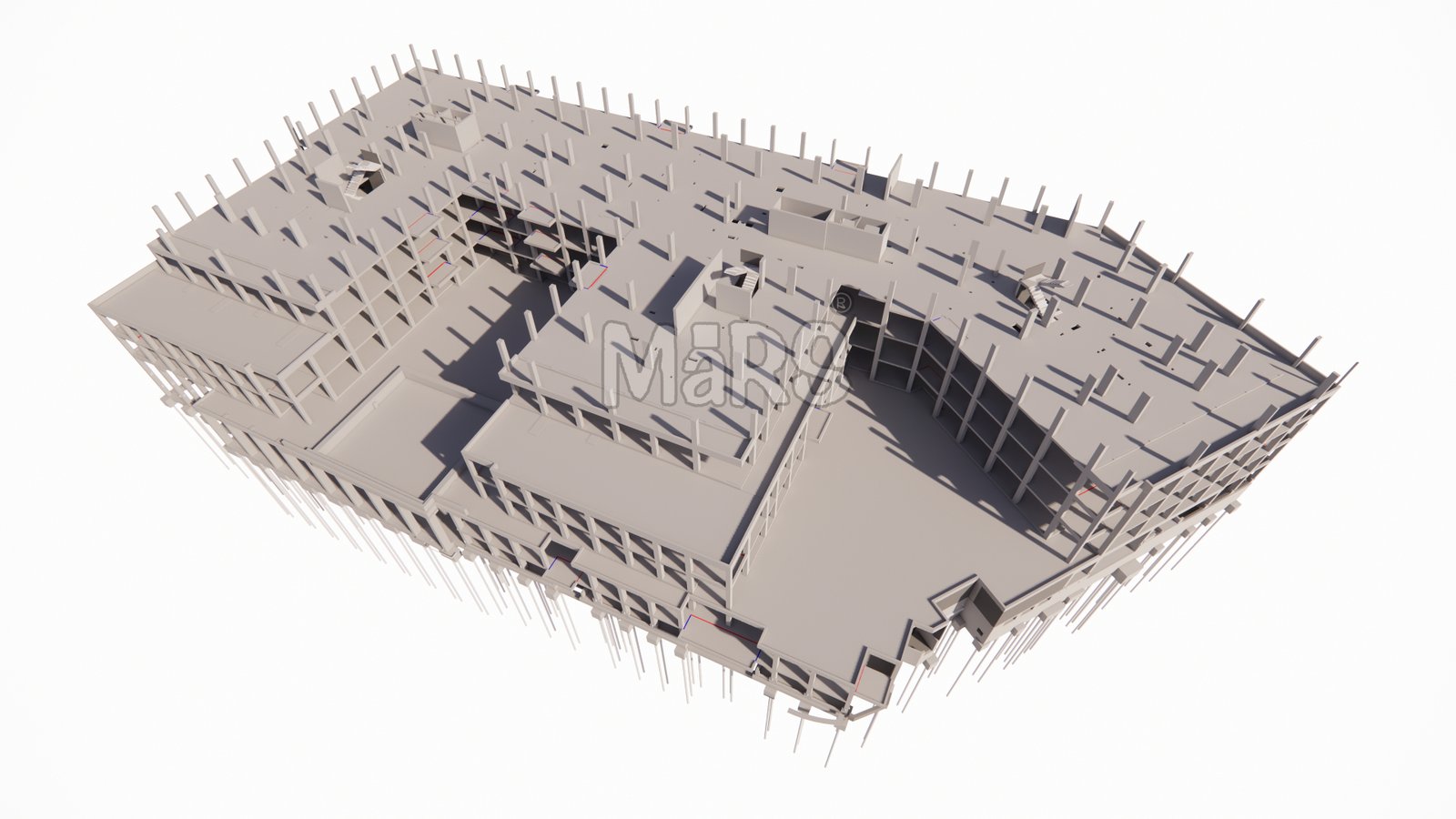
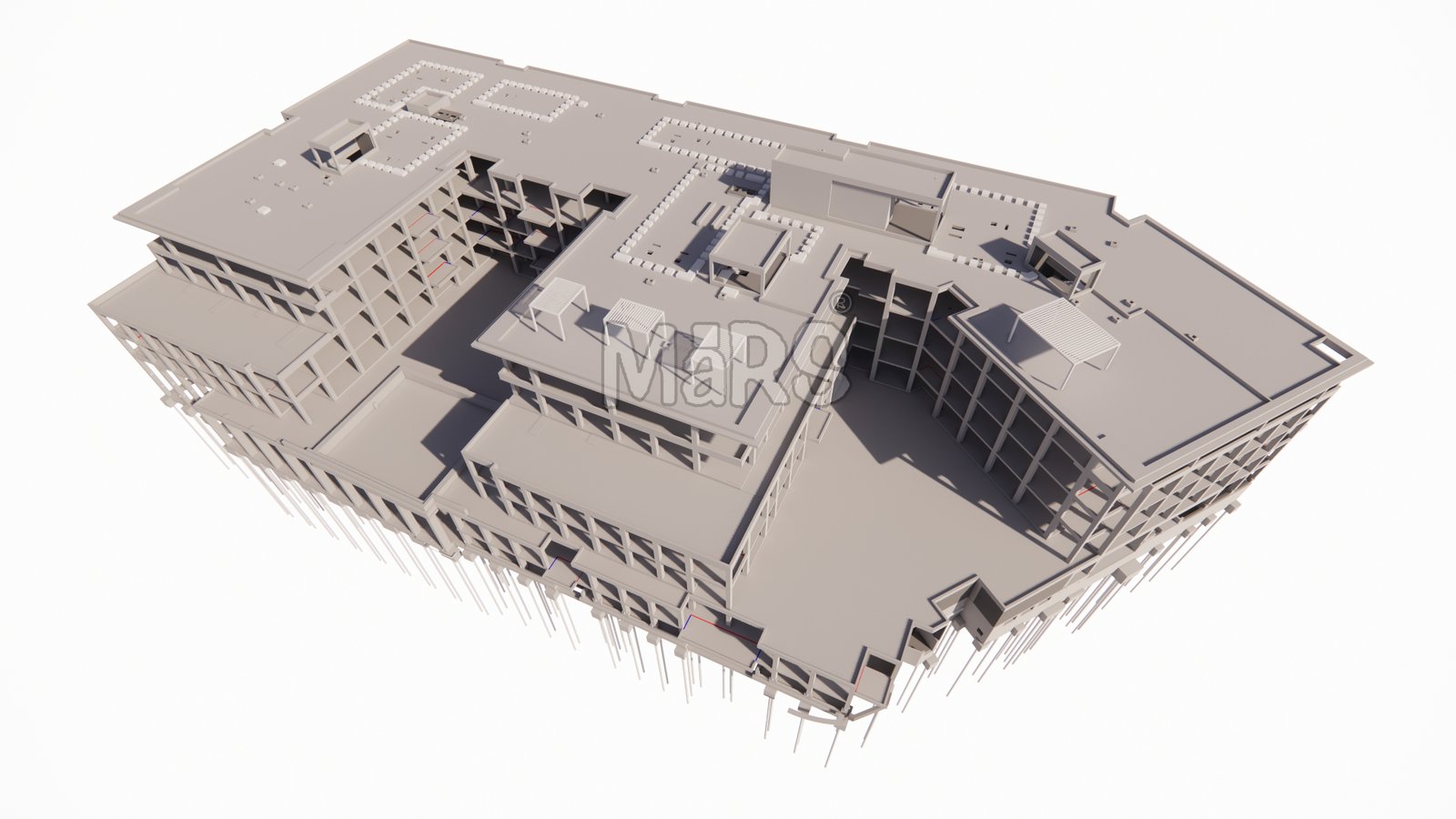
Edge-on-Hudson is a $1 billion transit-oriented mixed-use development transforming the former 70-acre General Motors assembly plant site in Sleepy Hollow, New York, located just 25 miles north of Manhattan along the Hudson River.
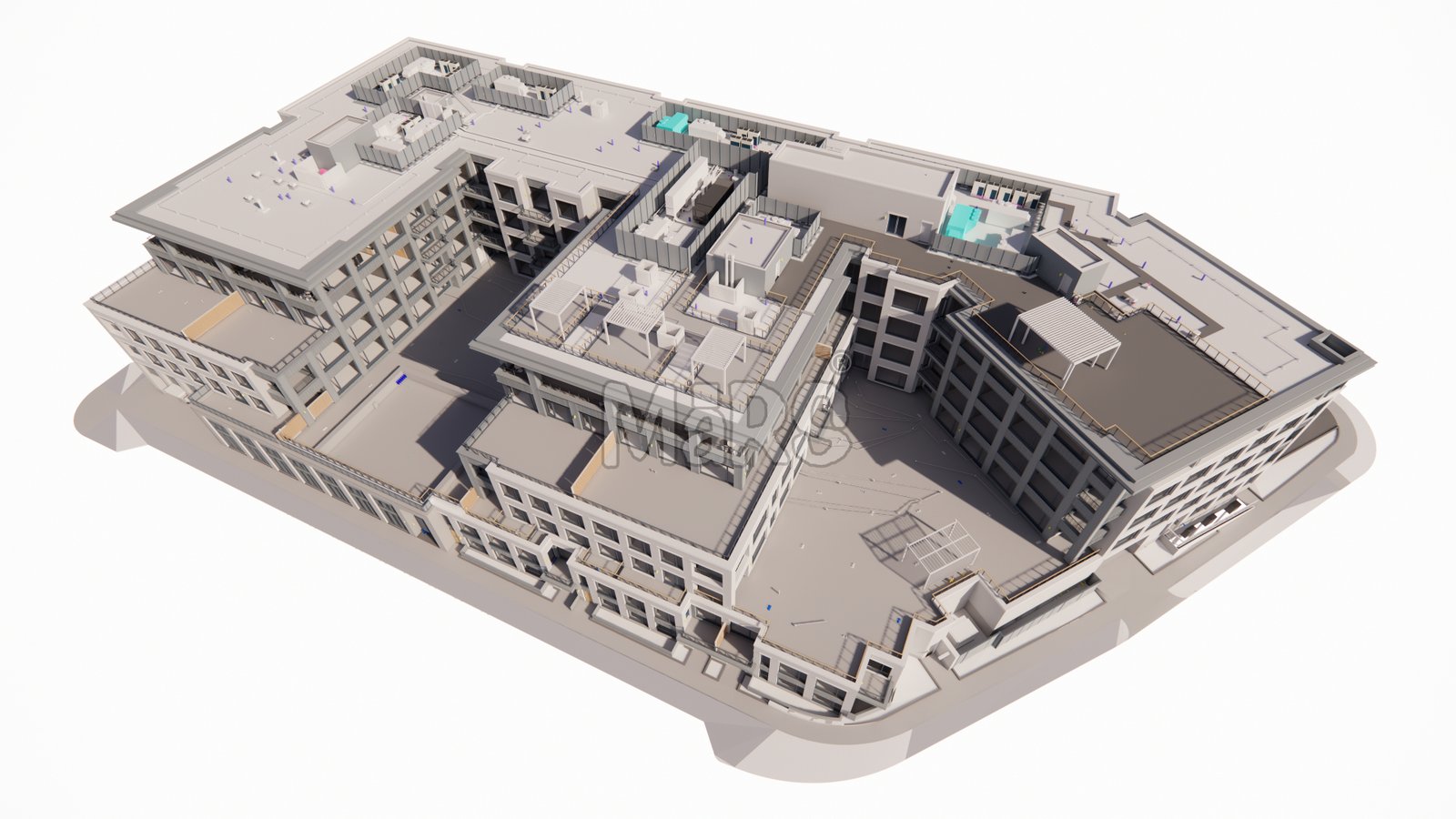
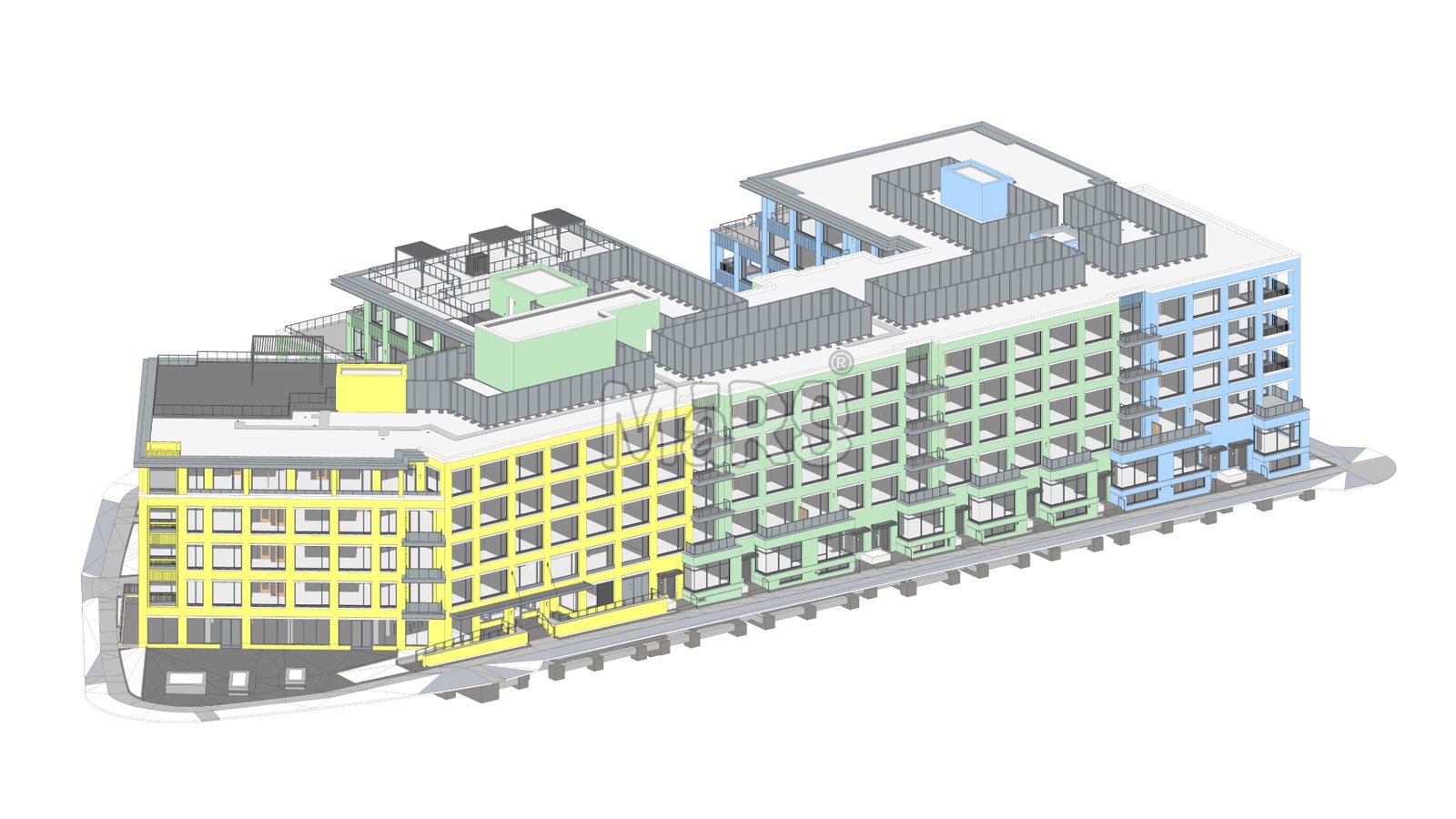
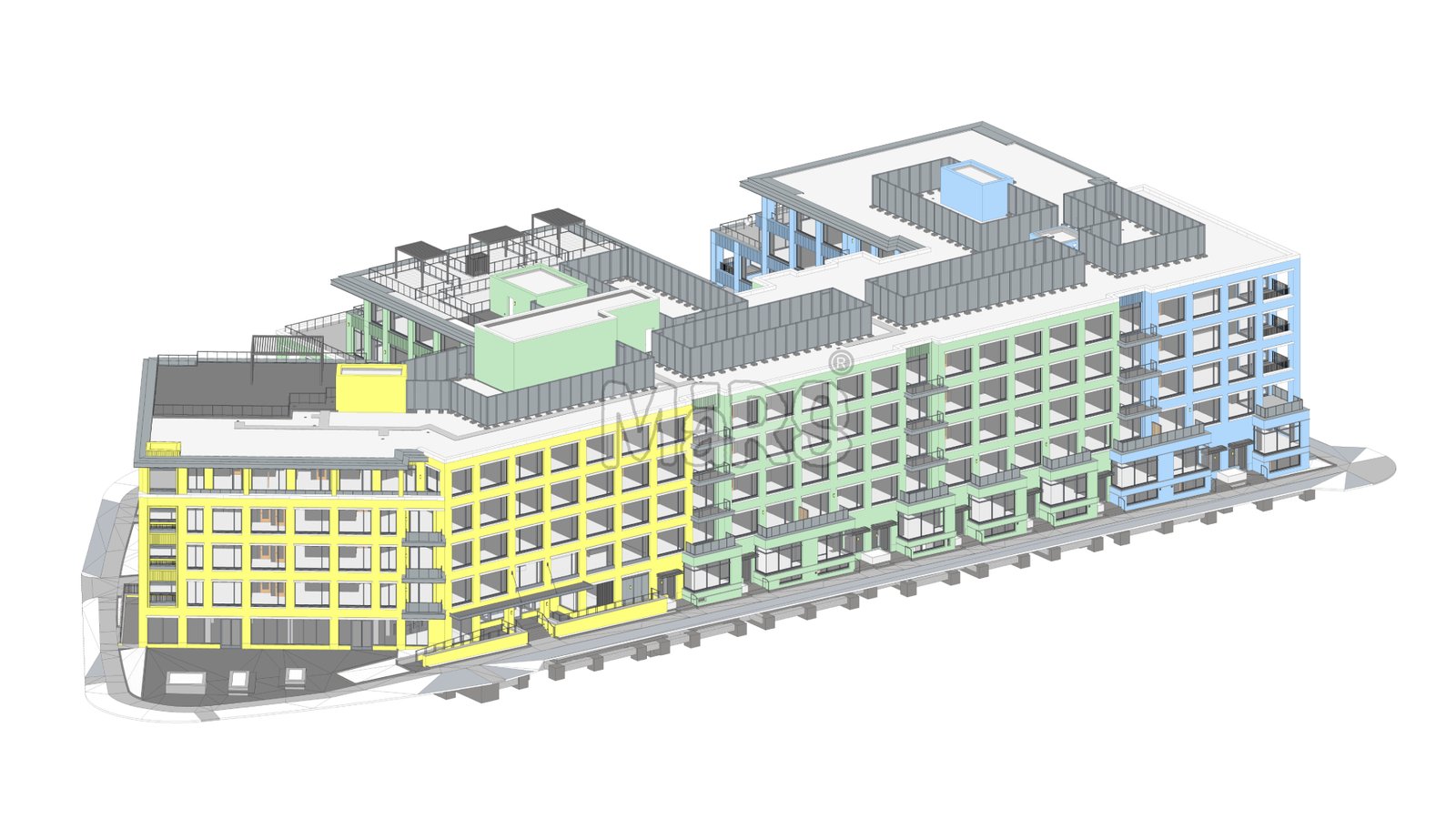
The master-planned community encompasses 1,177 units of housing including townhomes, condos, and apartments, a 140-room boutique hotel, 135,000 square feet of retail and restaurant space, 35,000 square feet of office space, and more than 16 acres of parkland, anchored by a 1.5-mile waterfront promenade connecting to existing riverside parks.
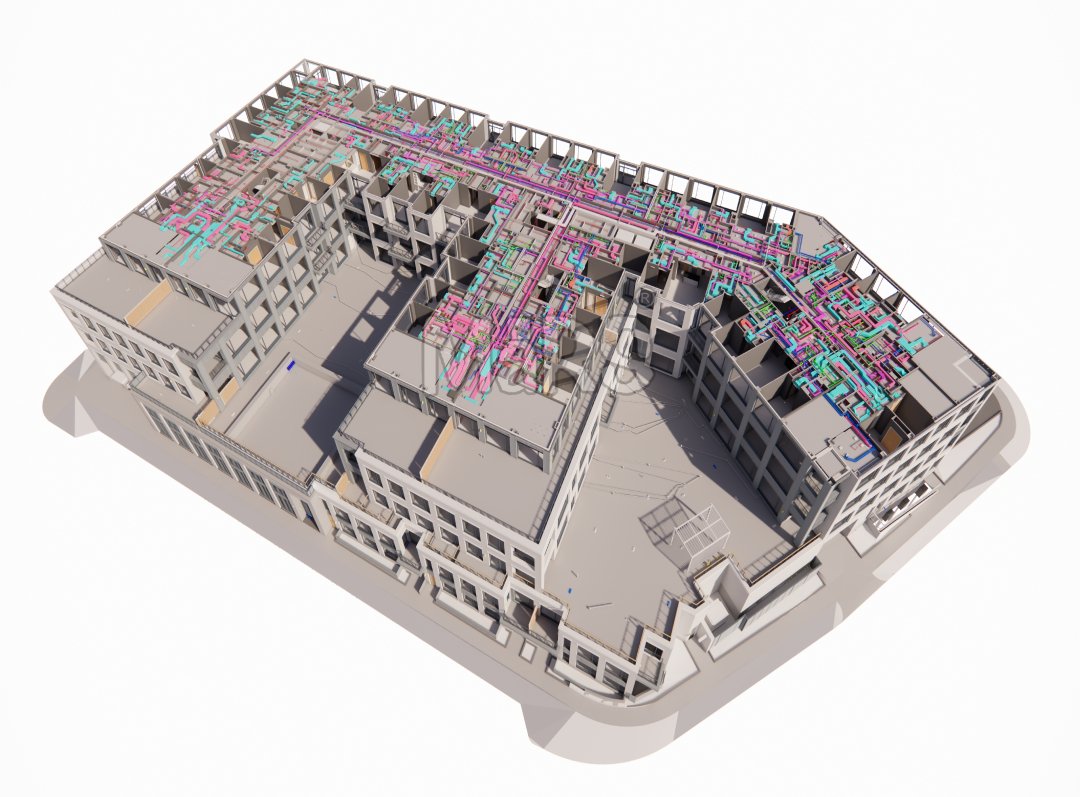
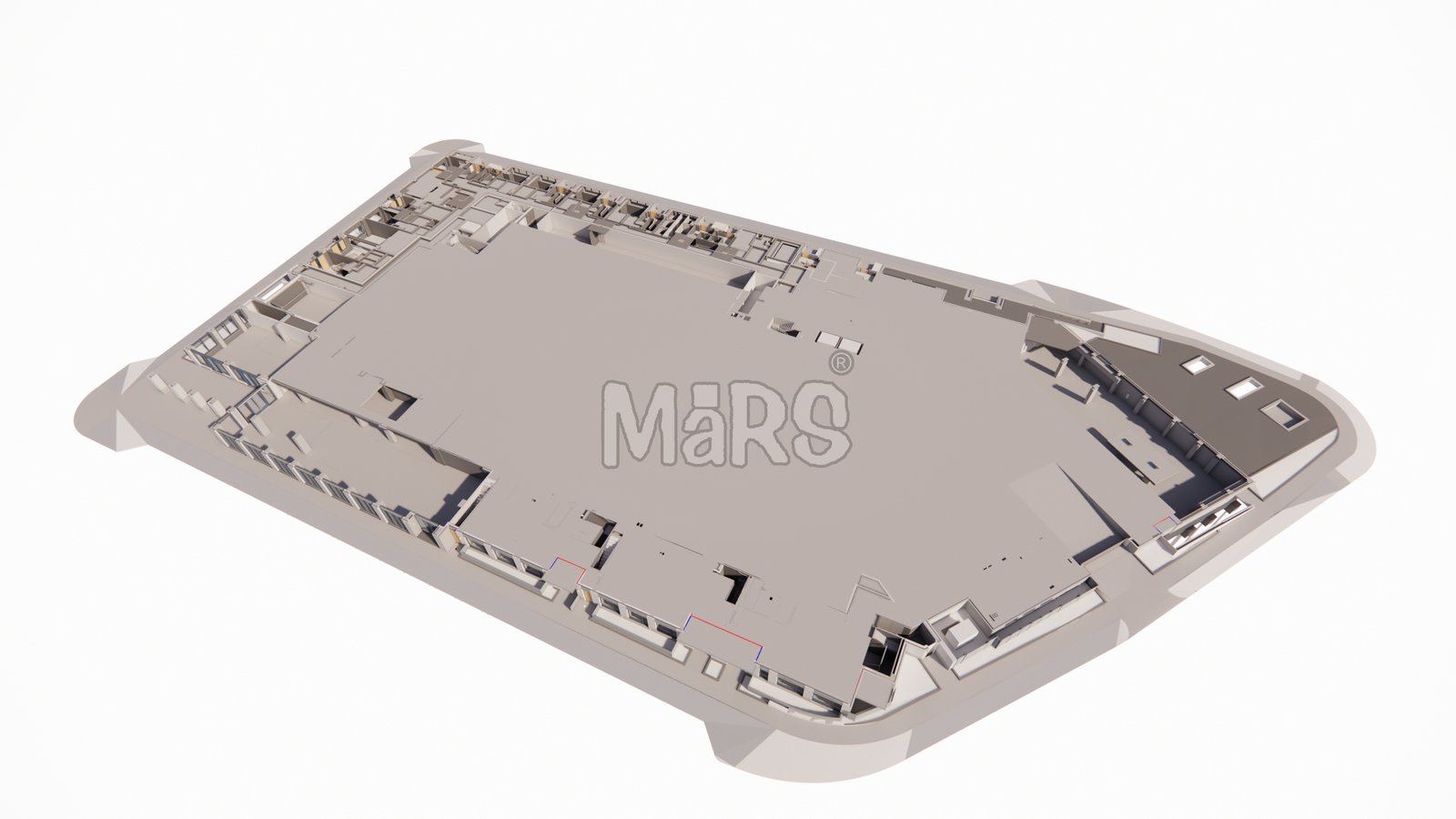
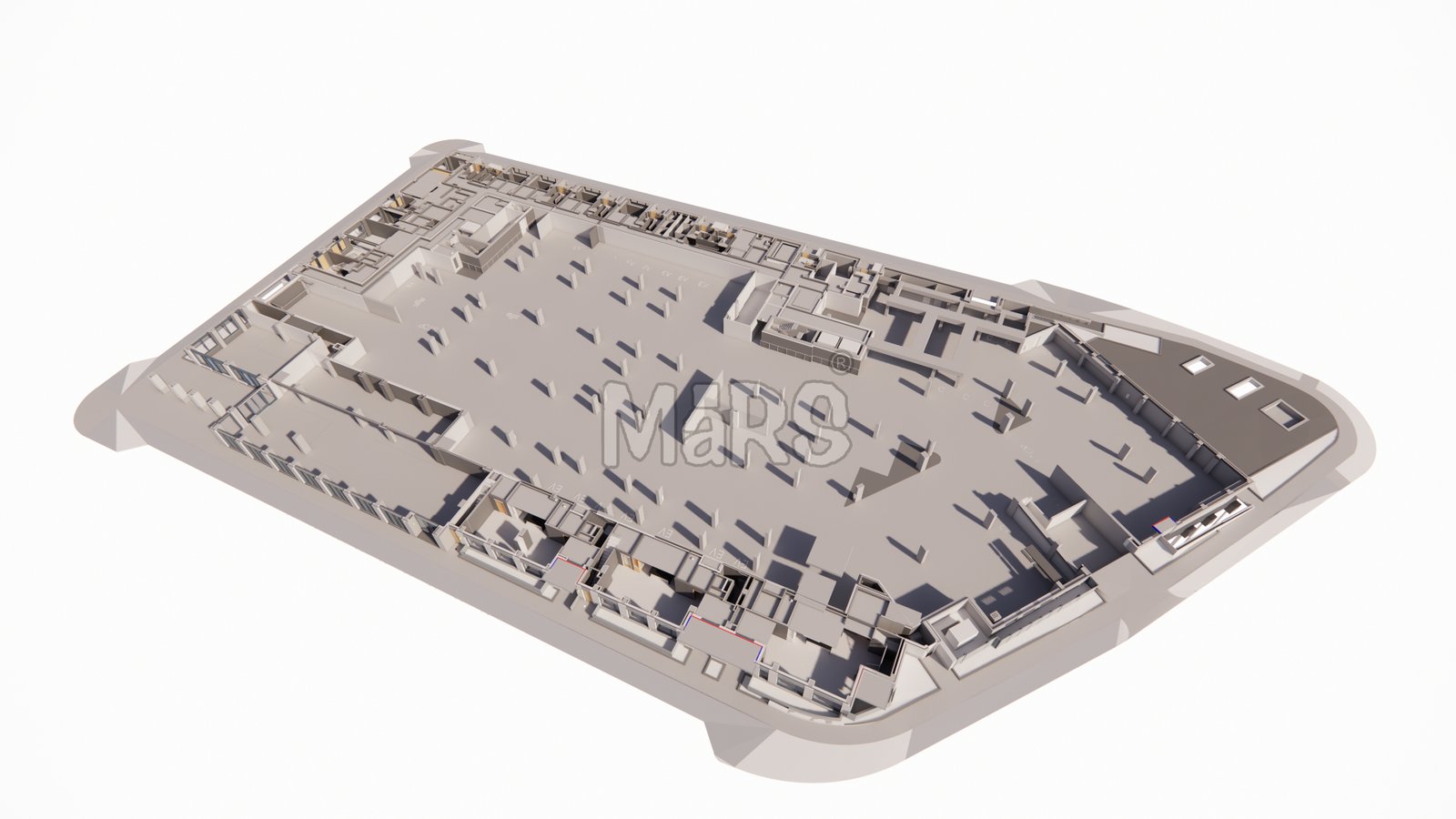
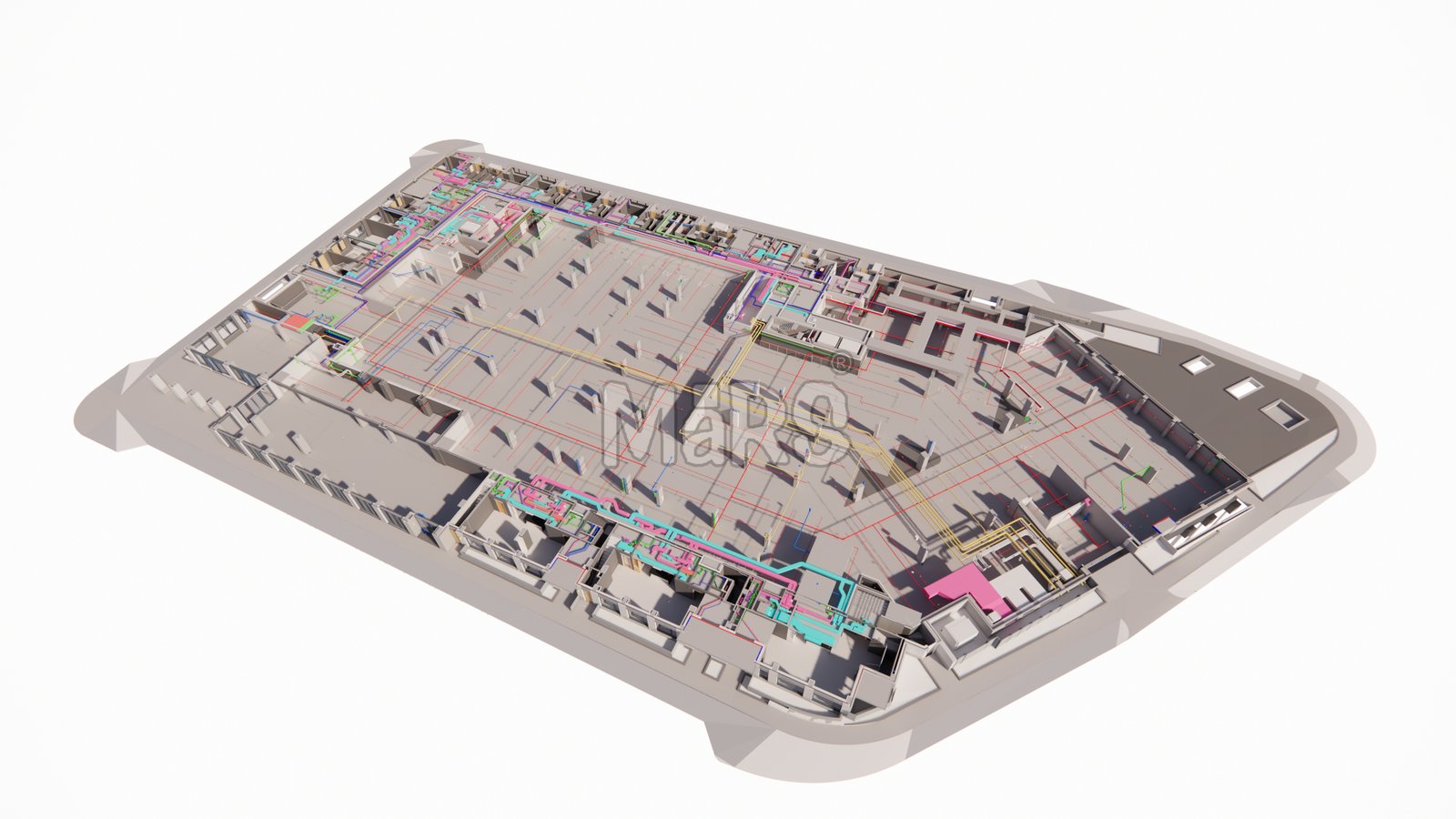
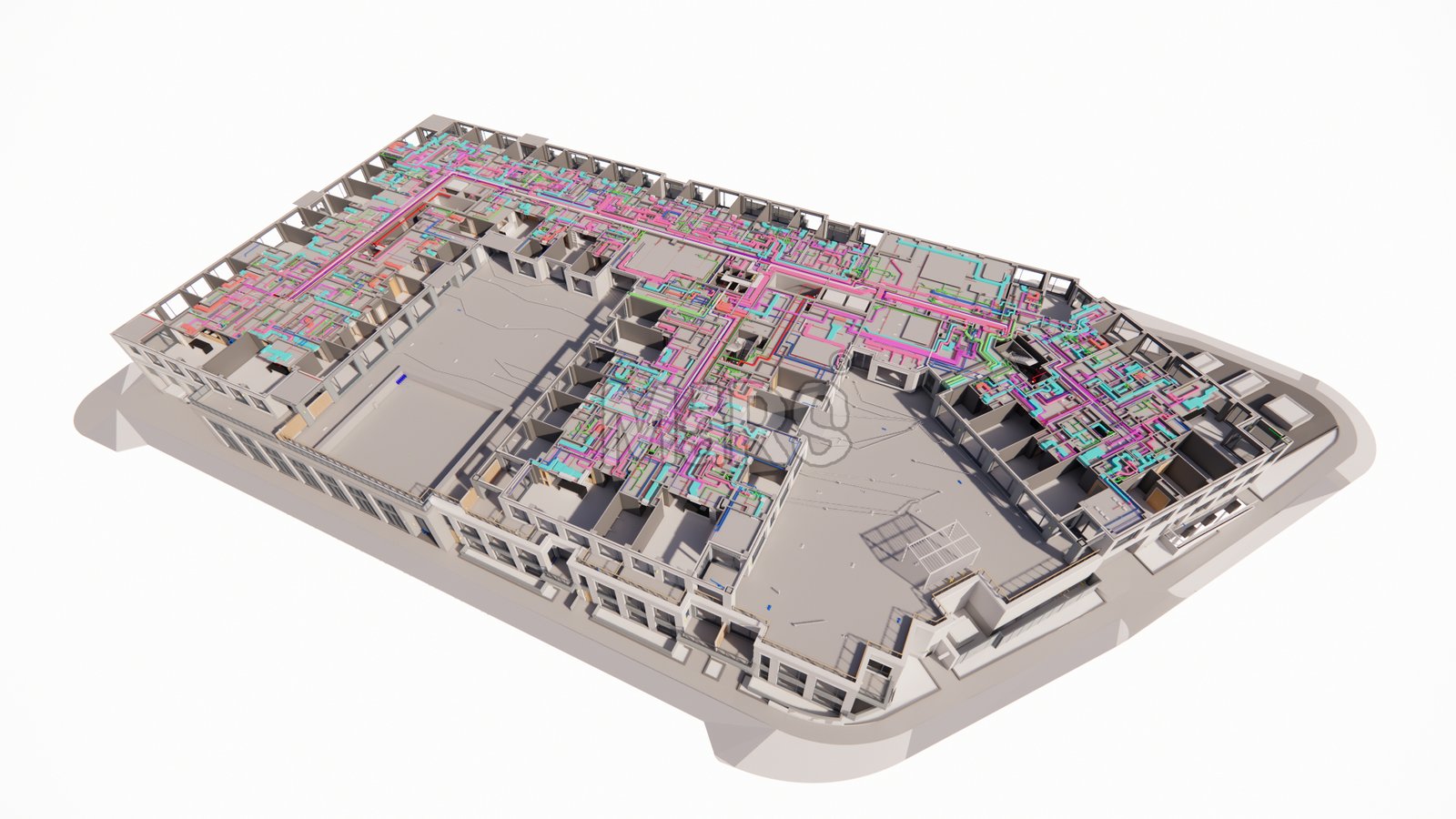
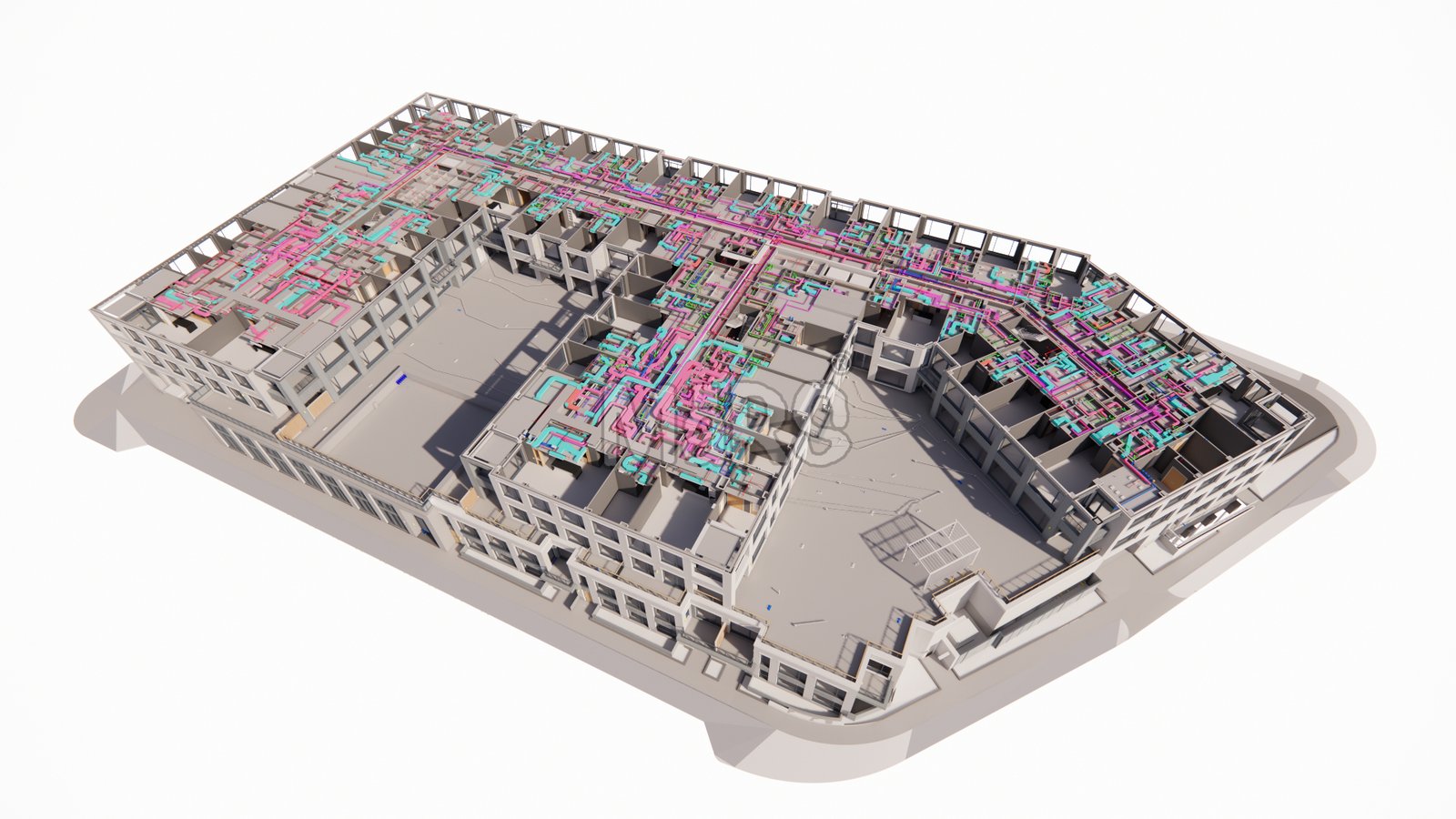
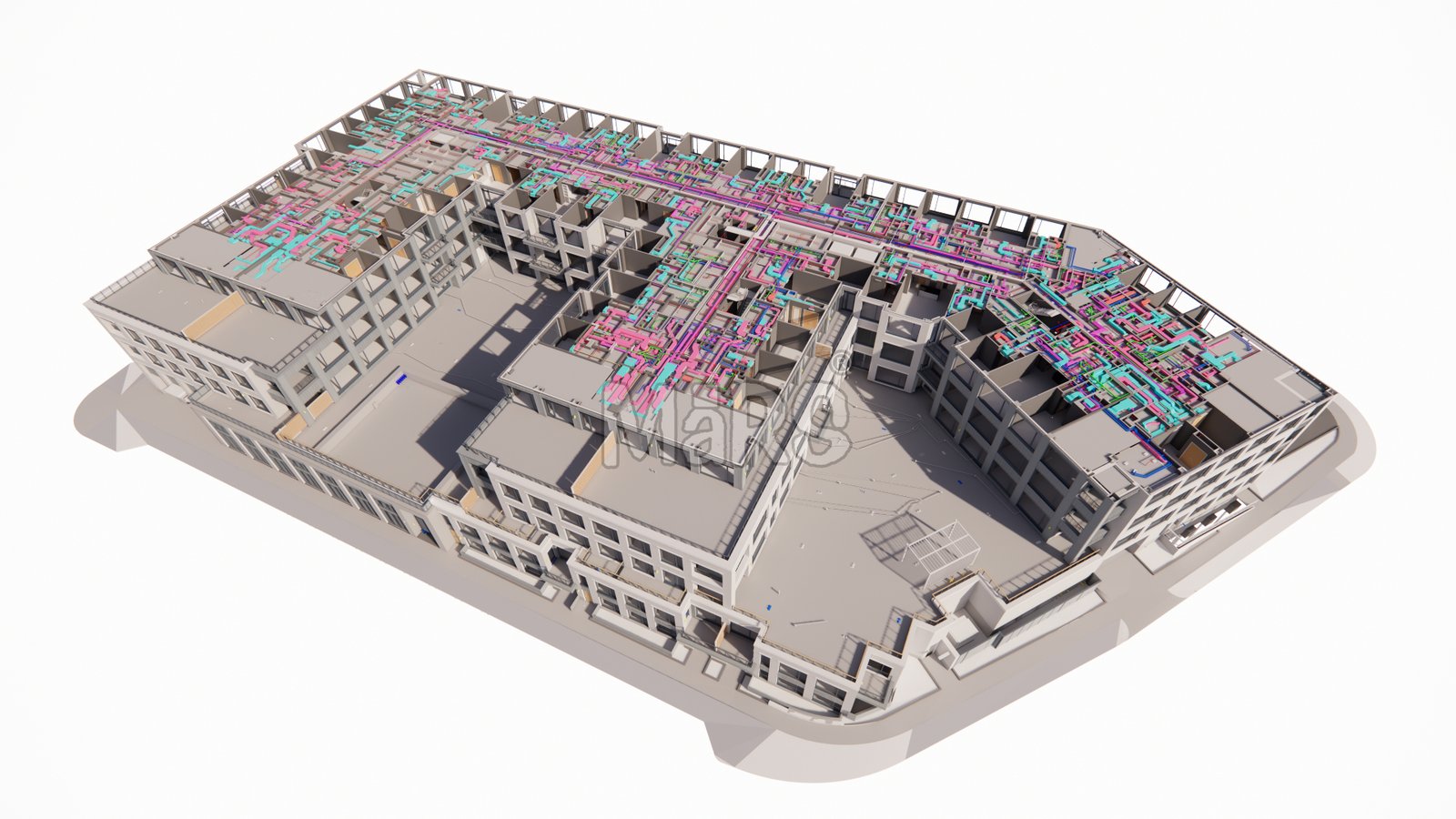
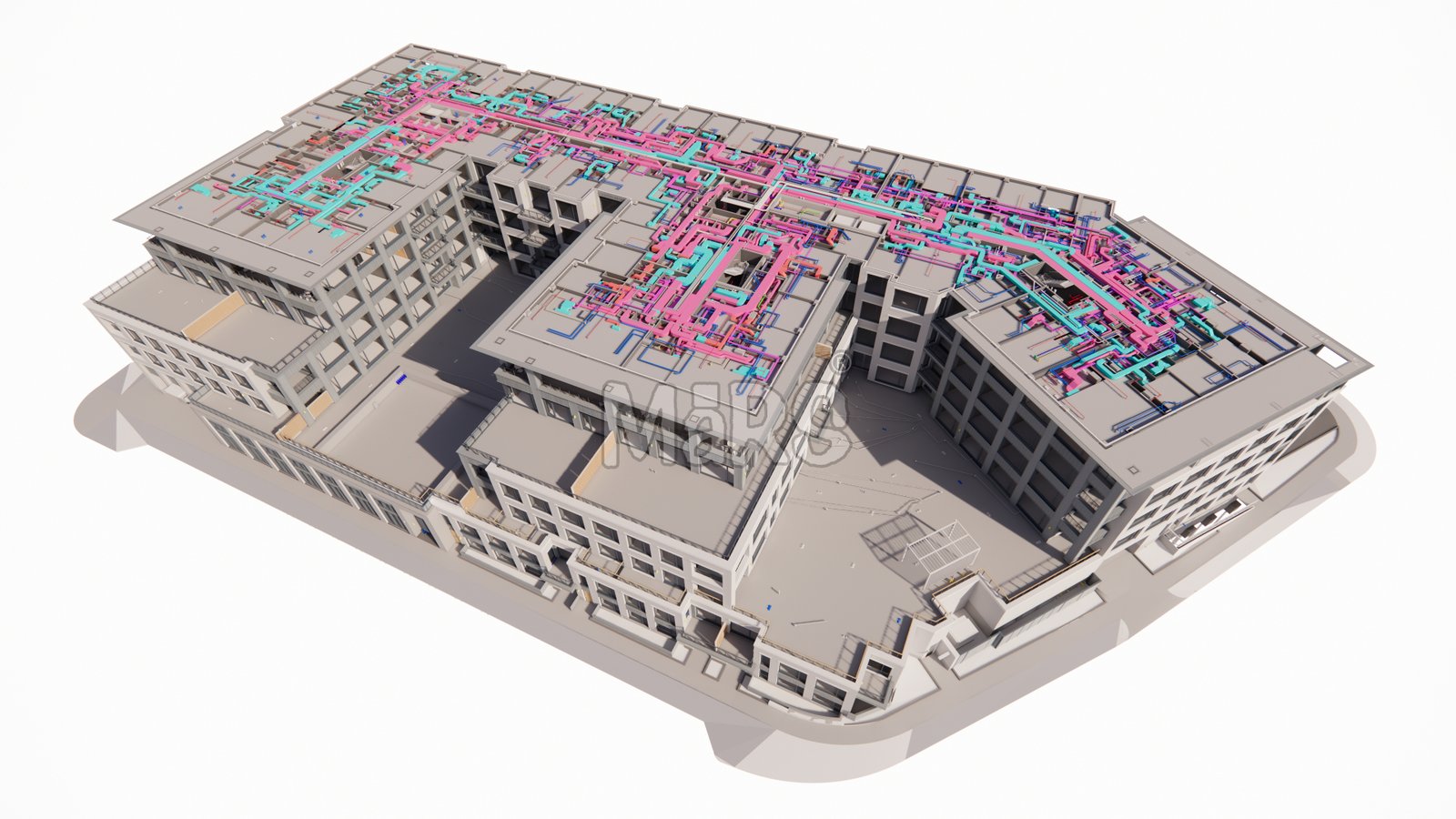
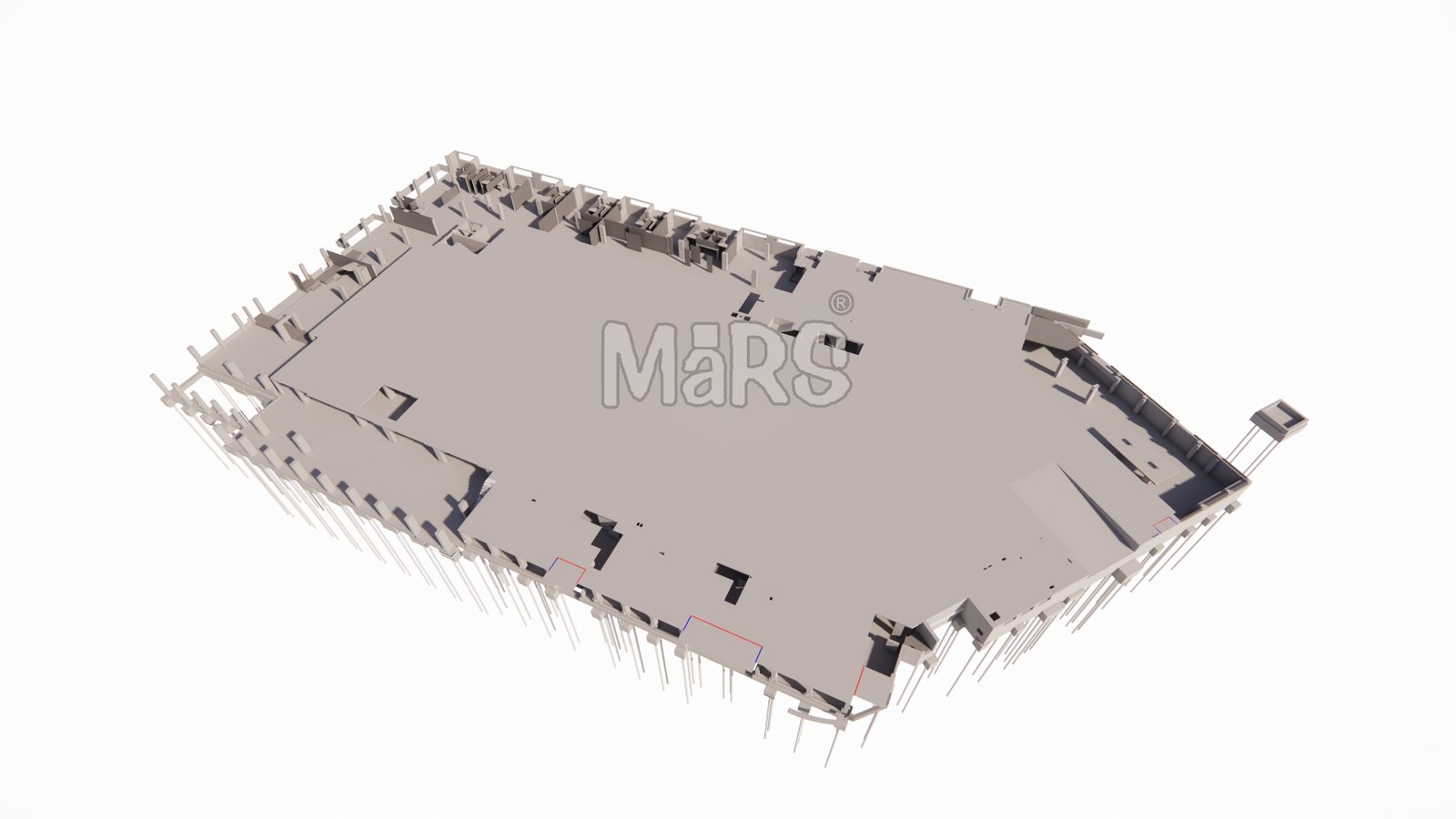
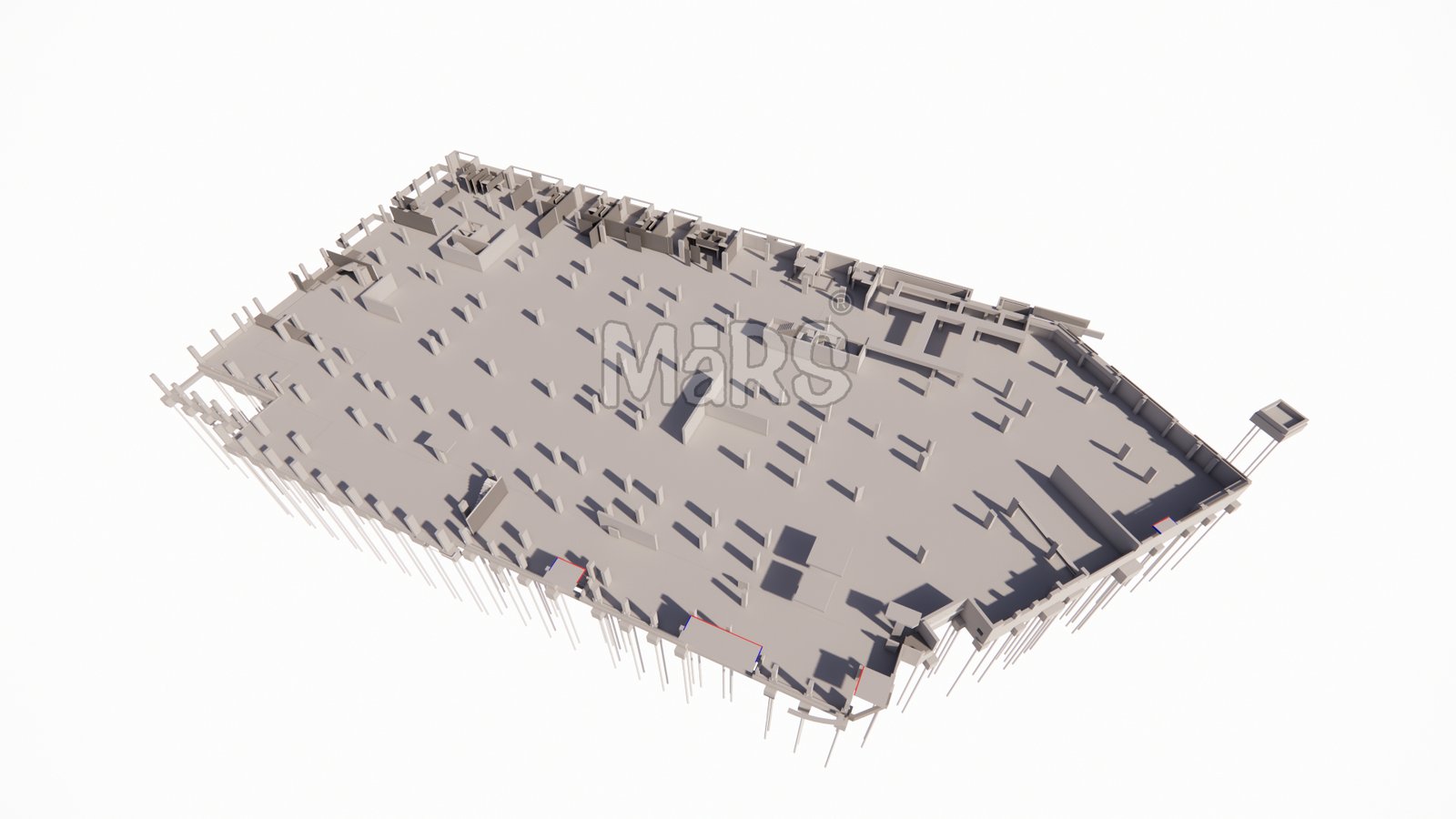
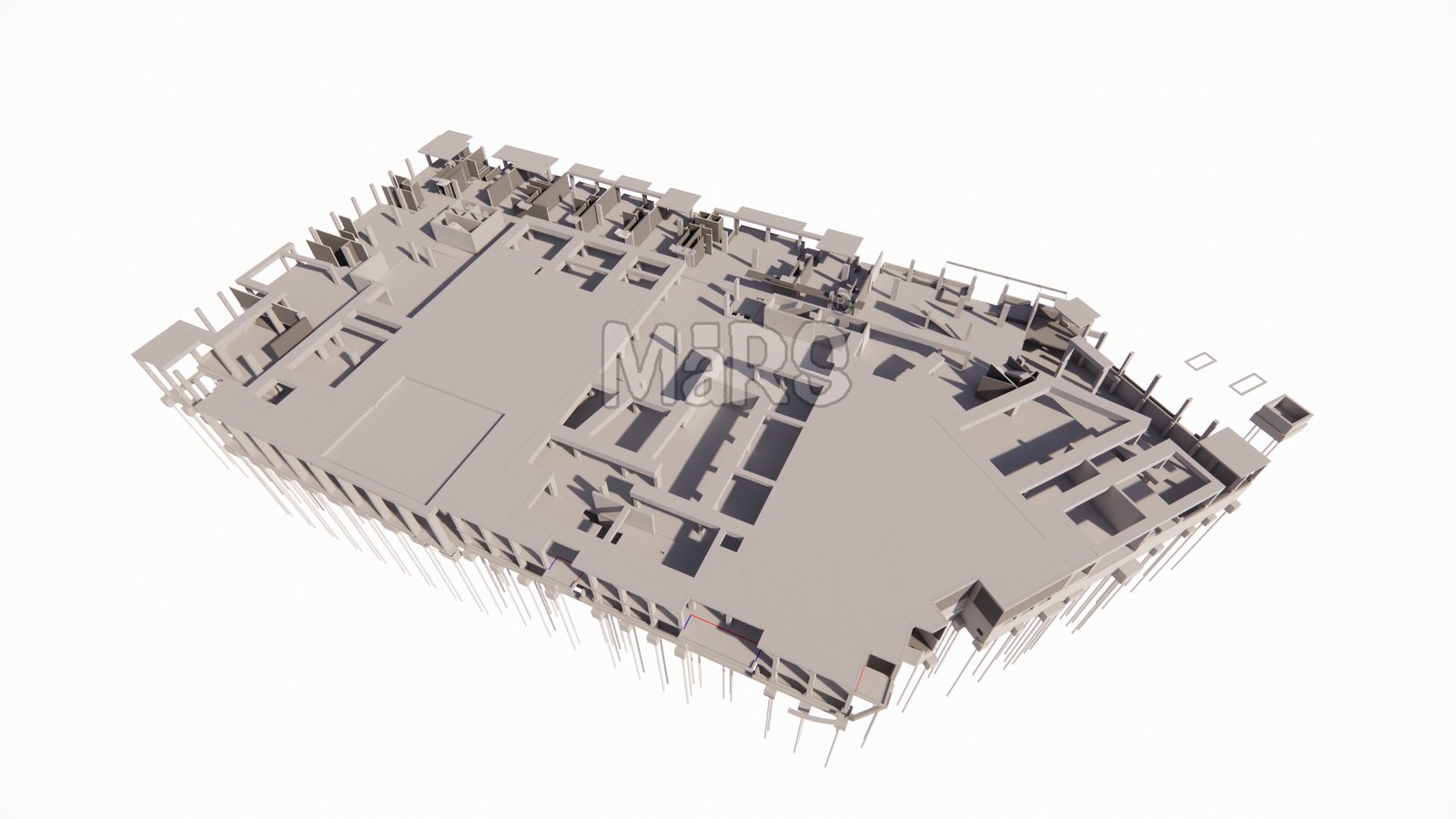
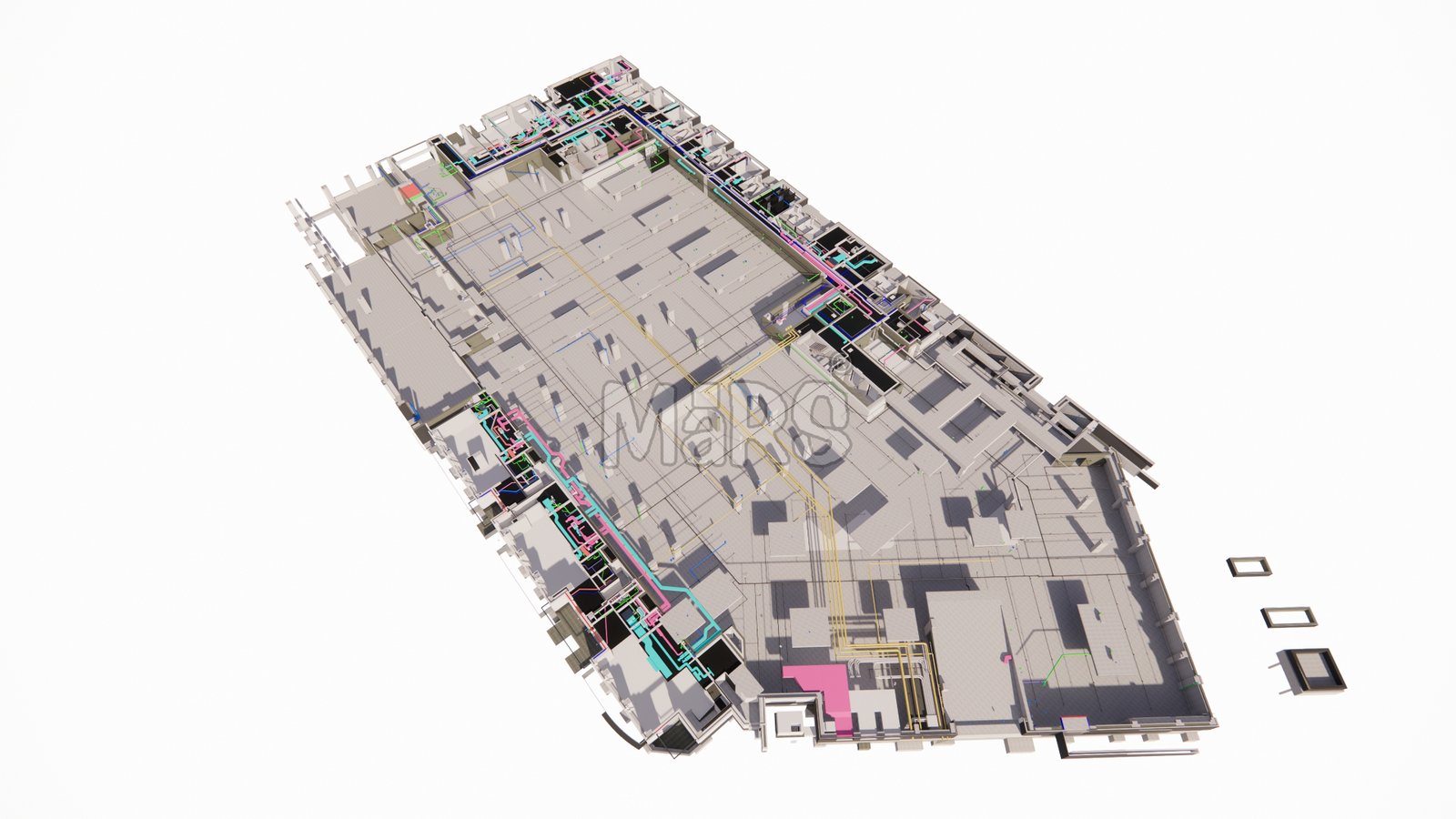
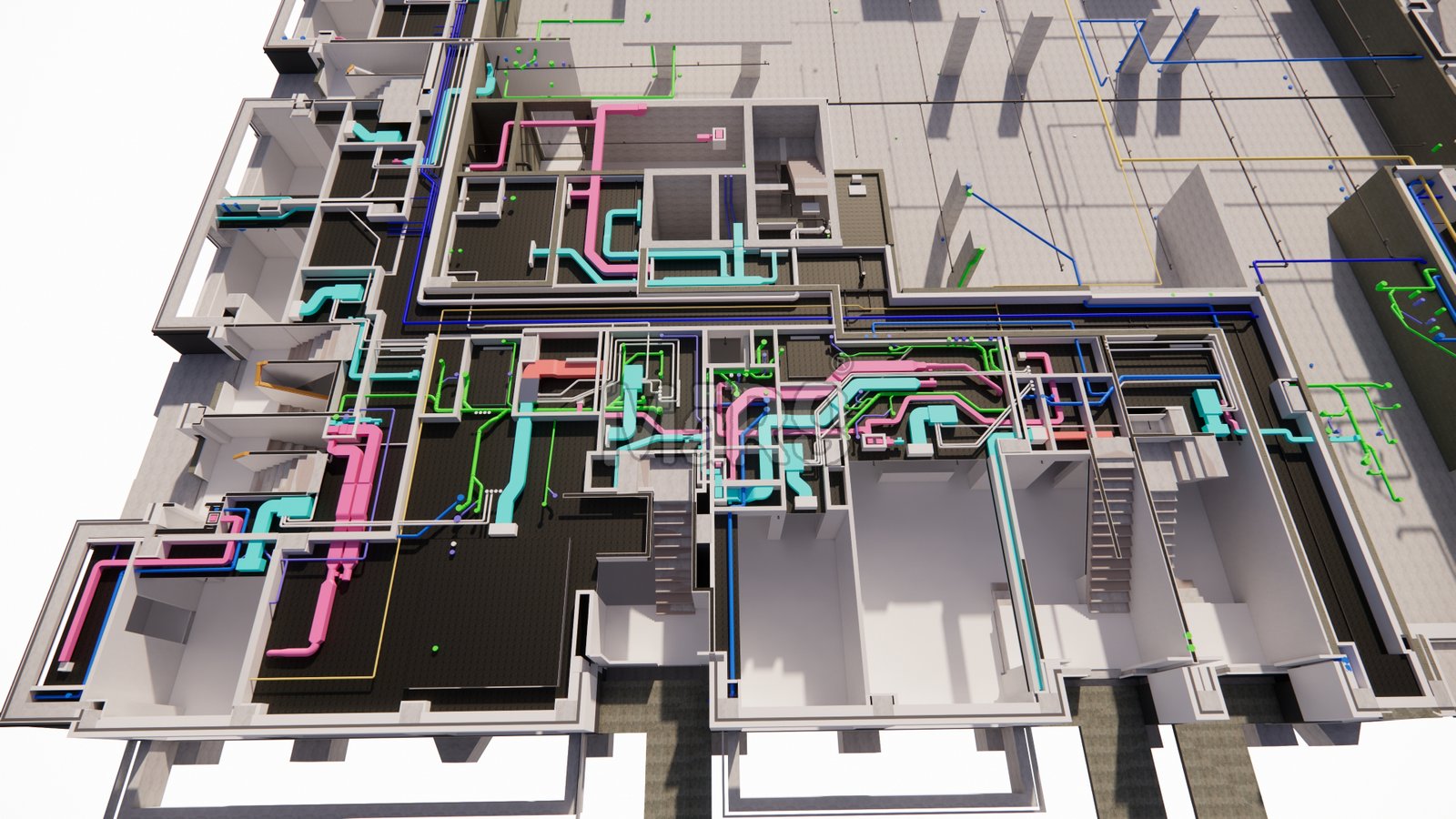
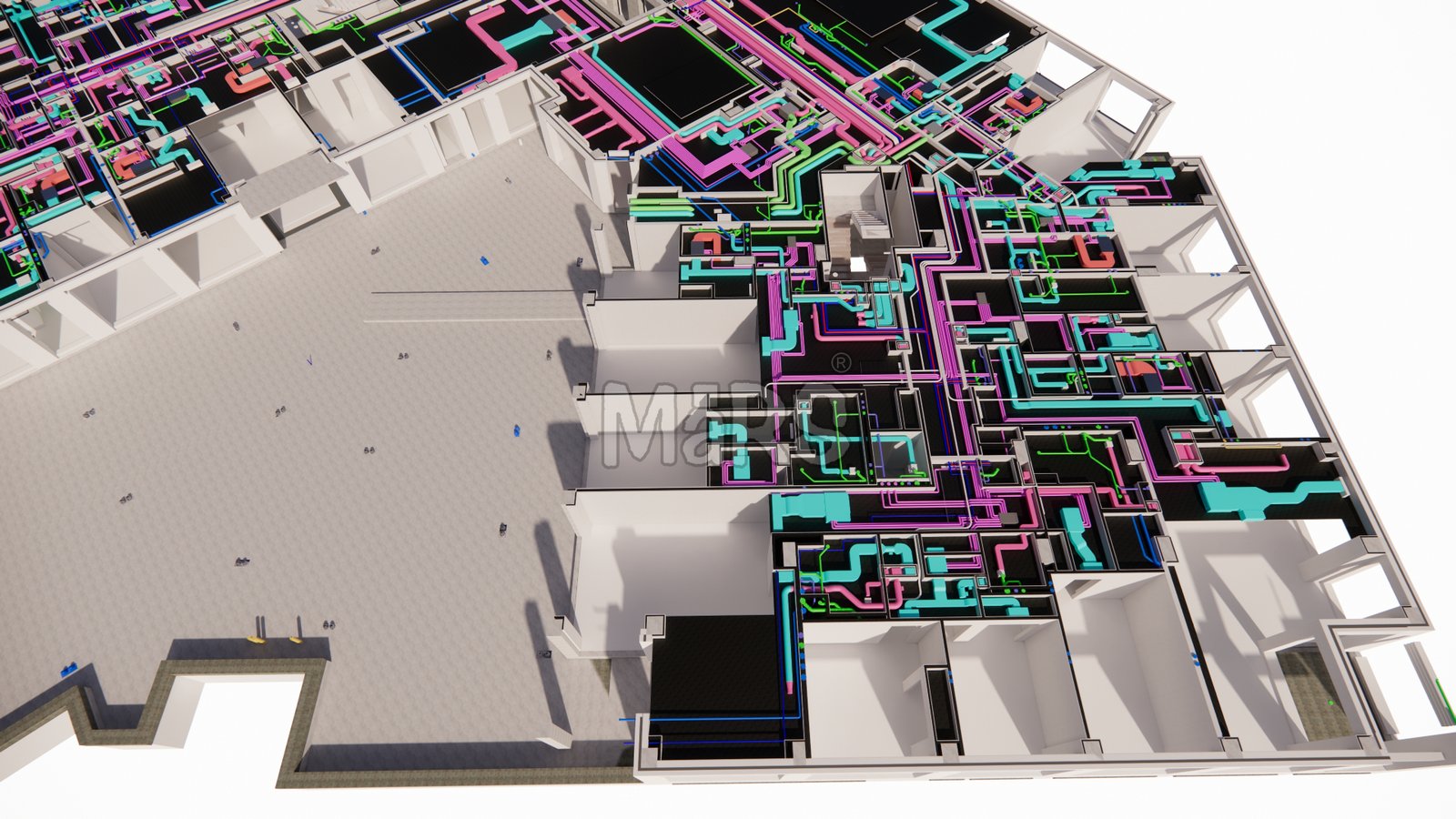
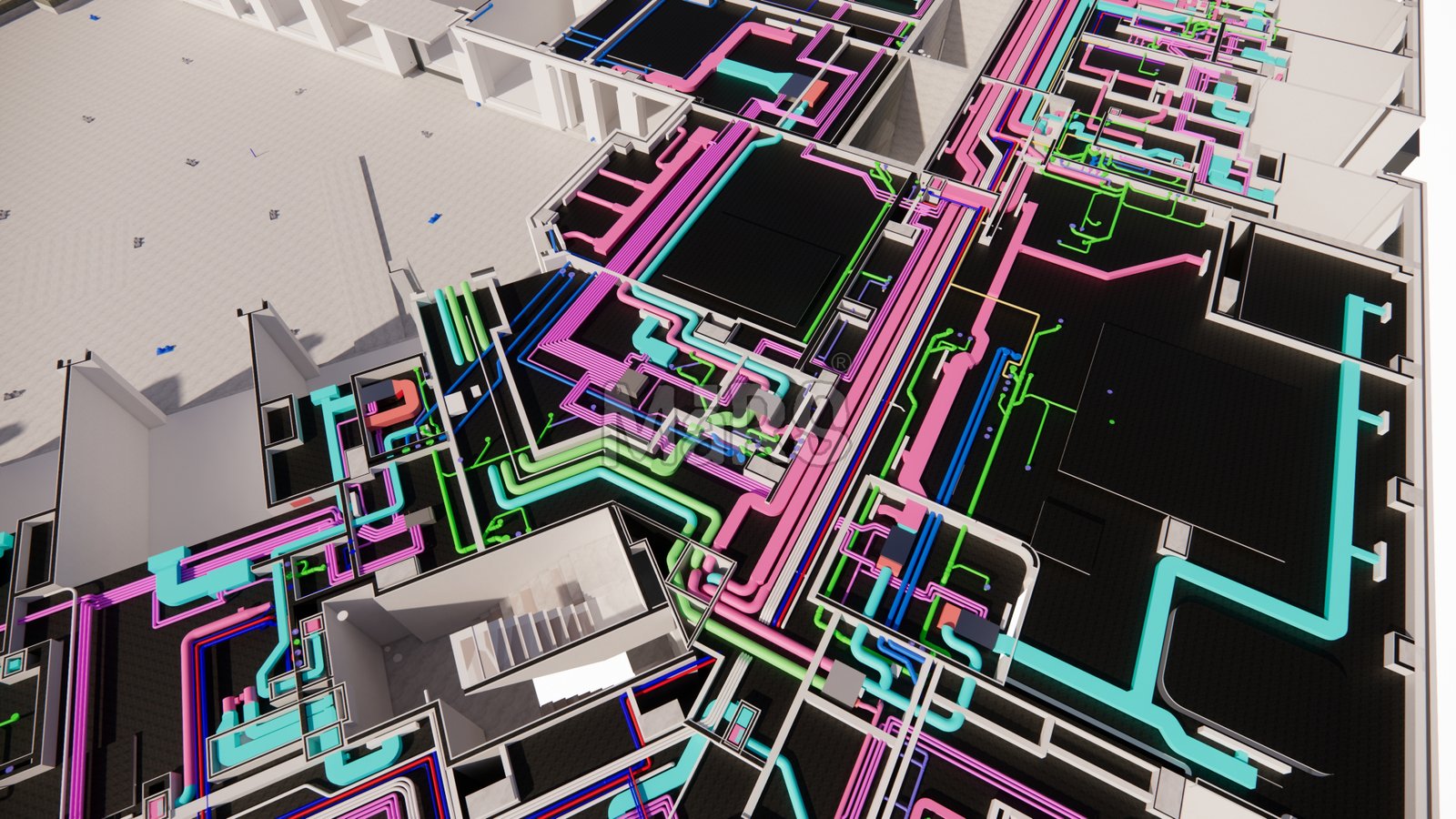
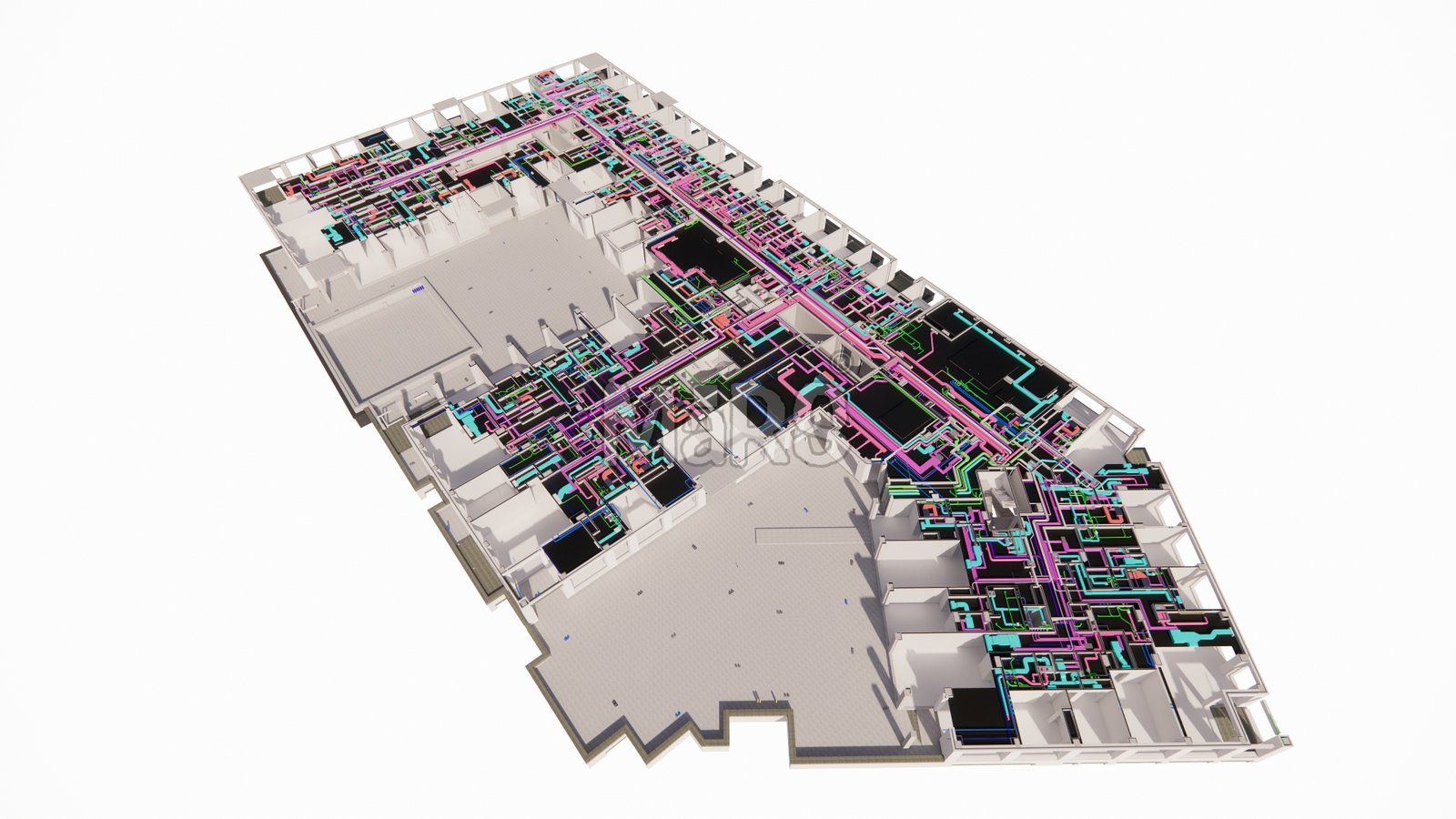
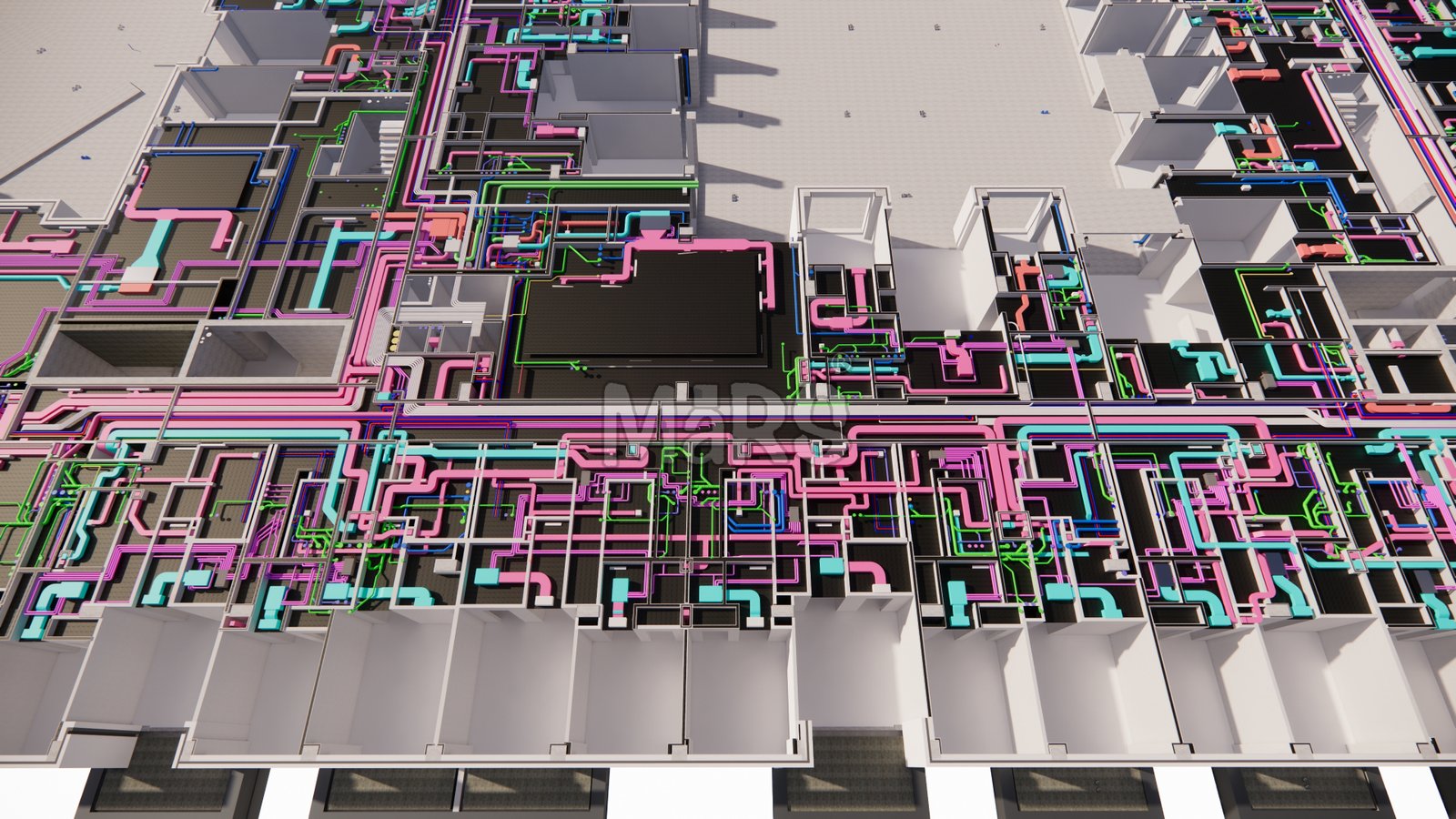
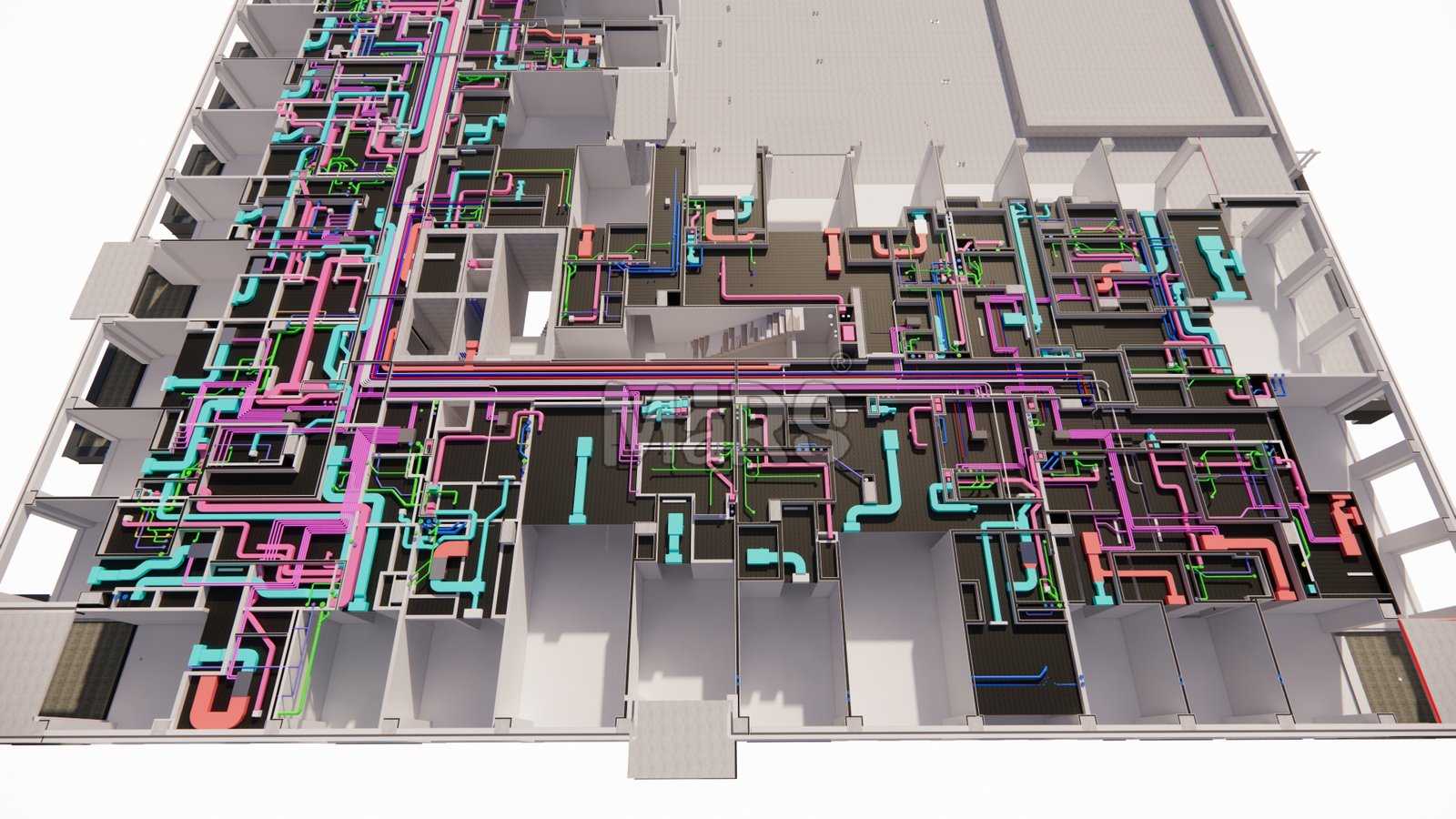
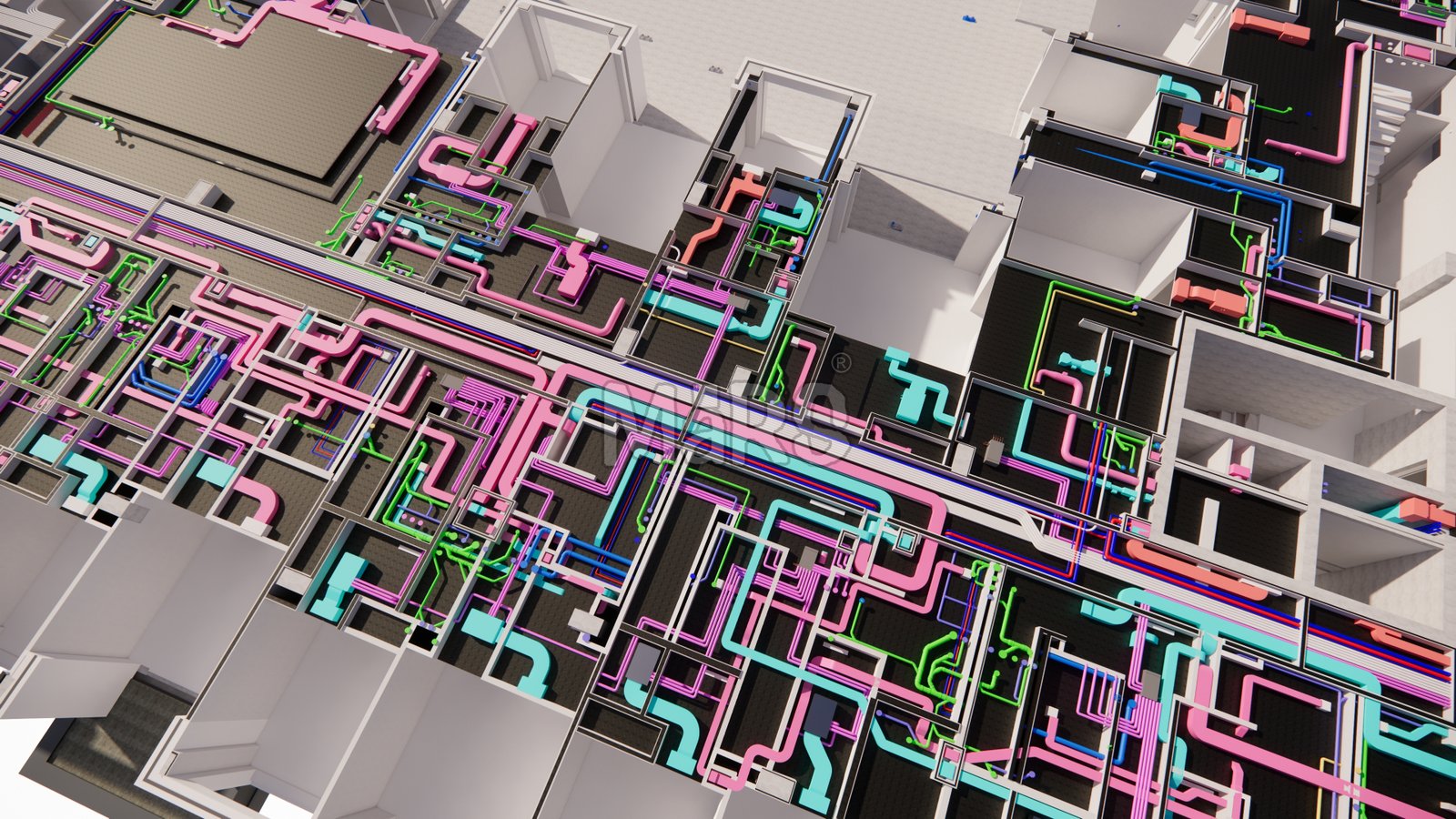
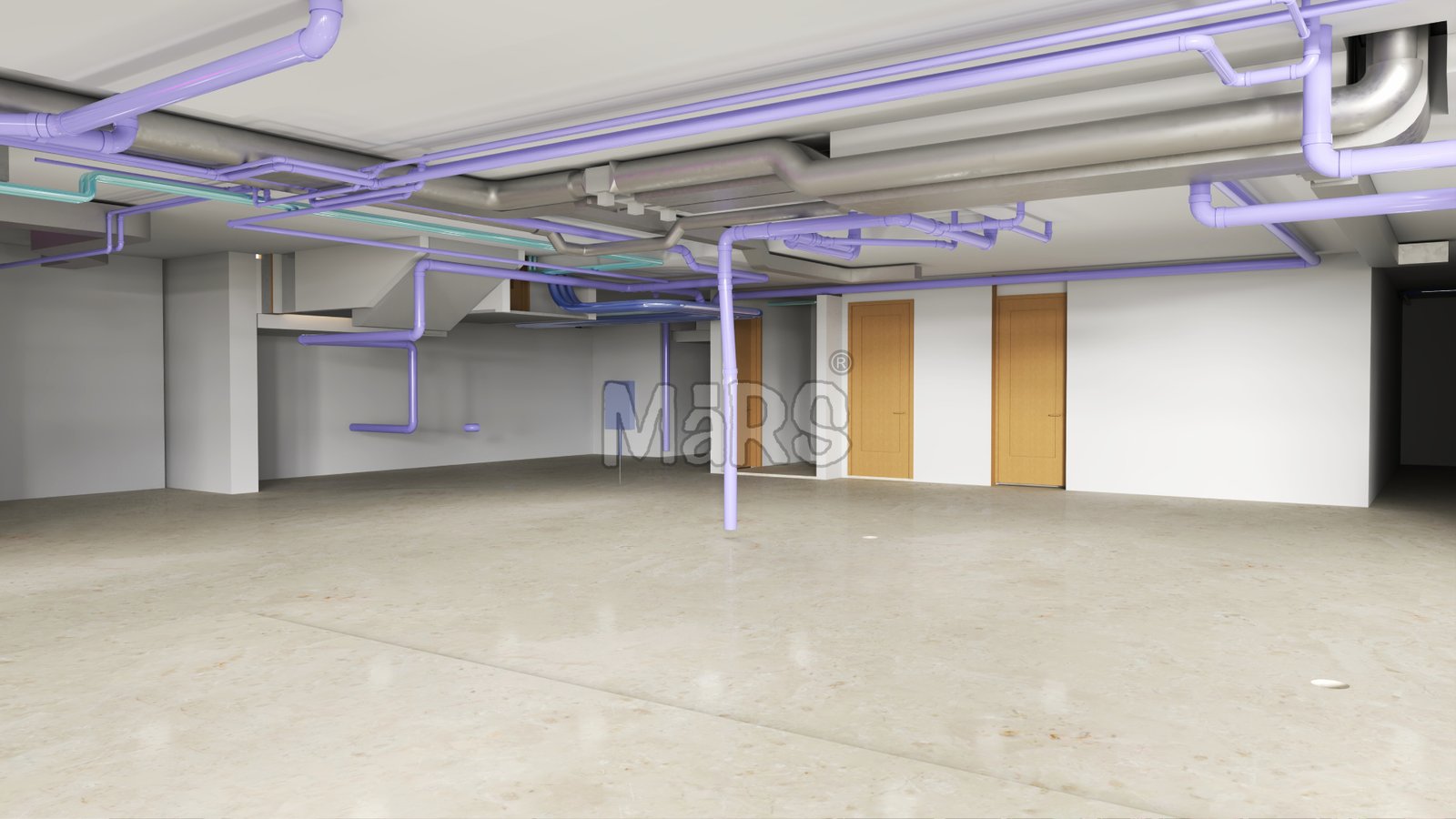
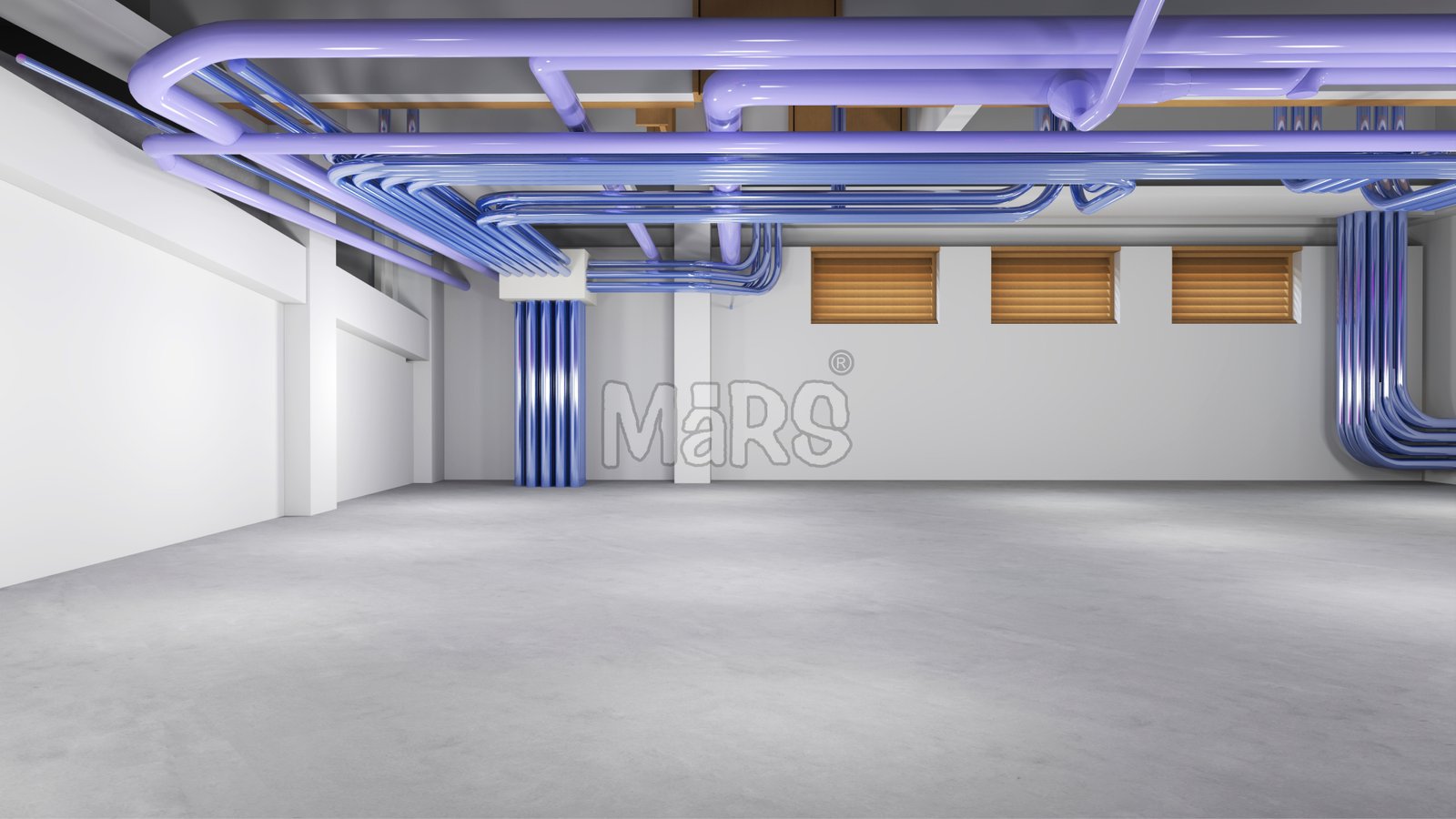
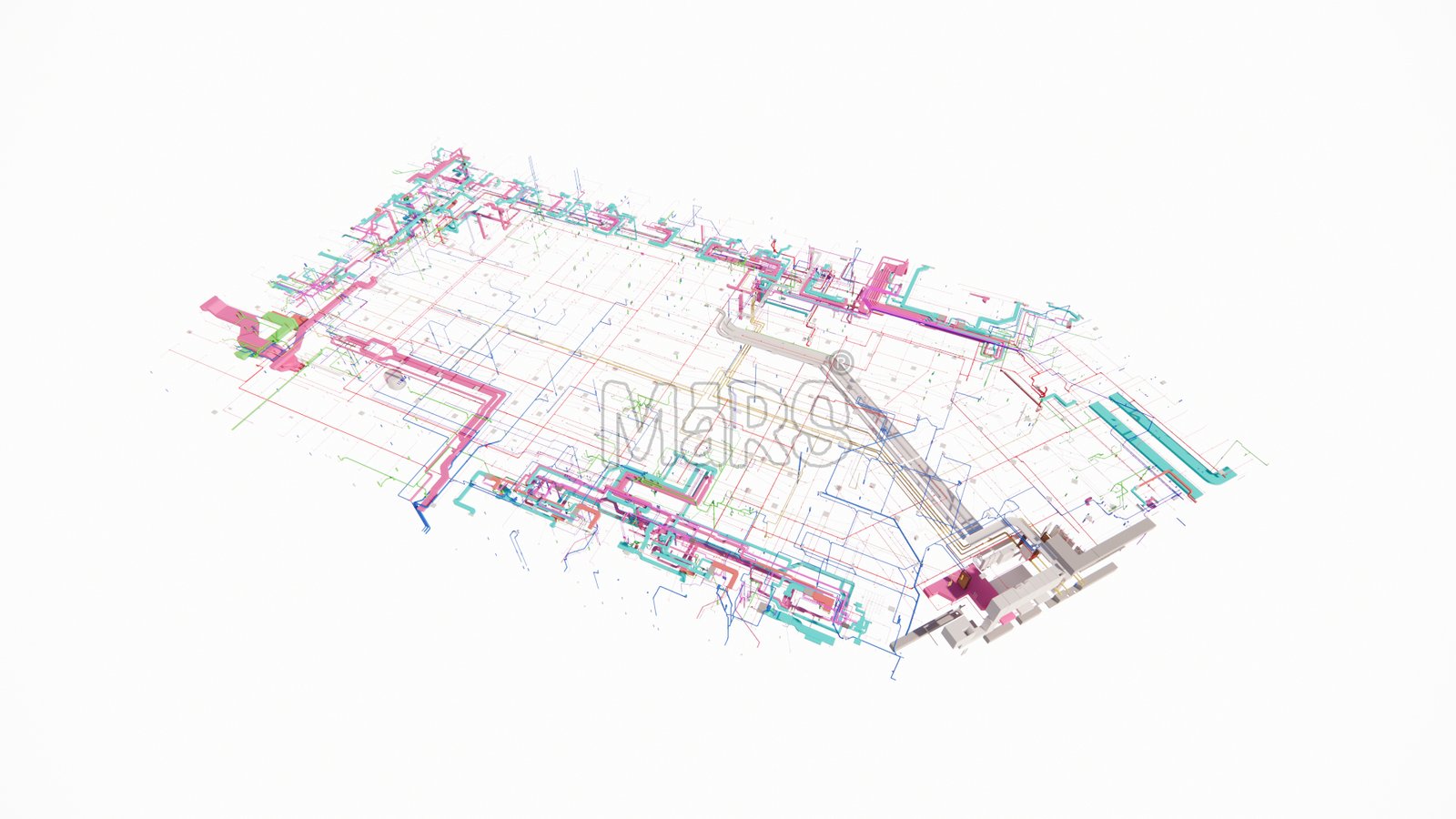
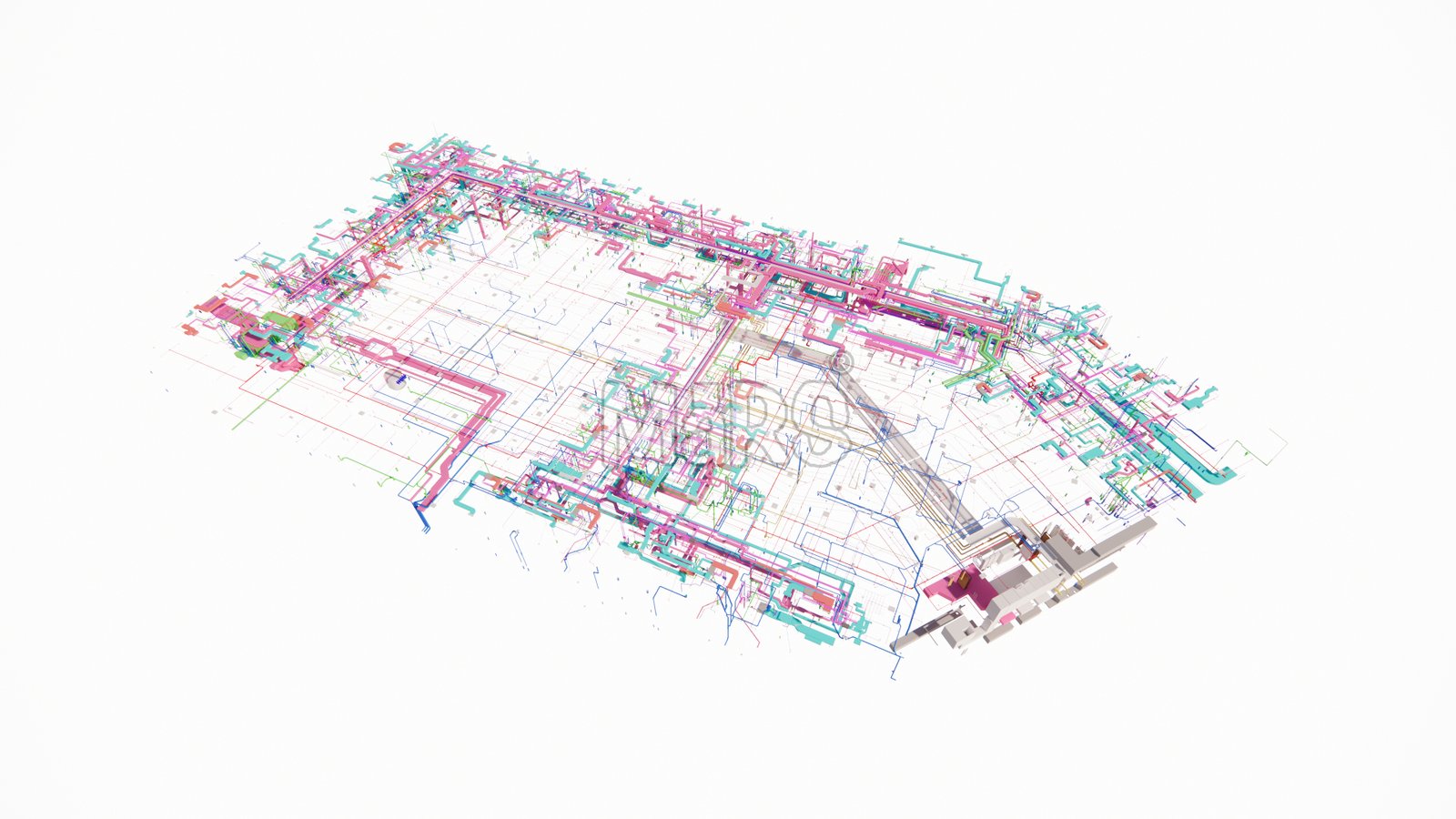
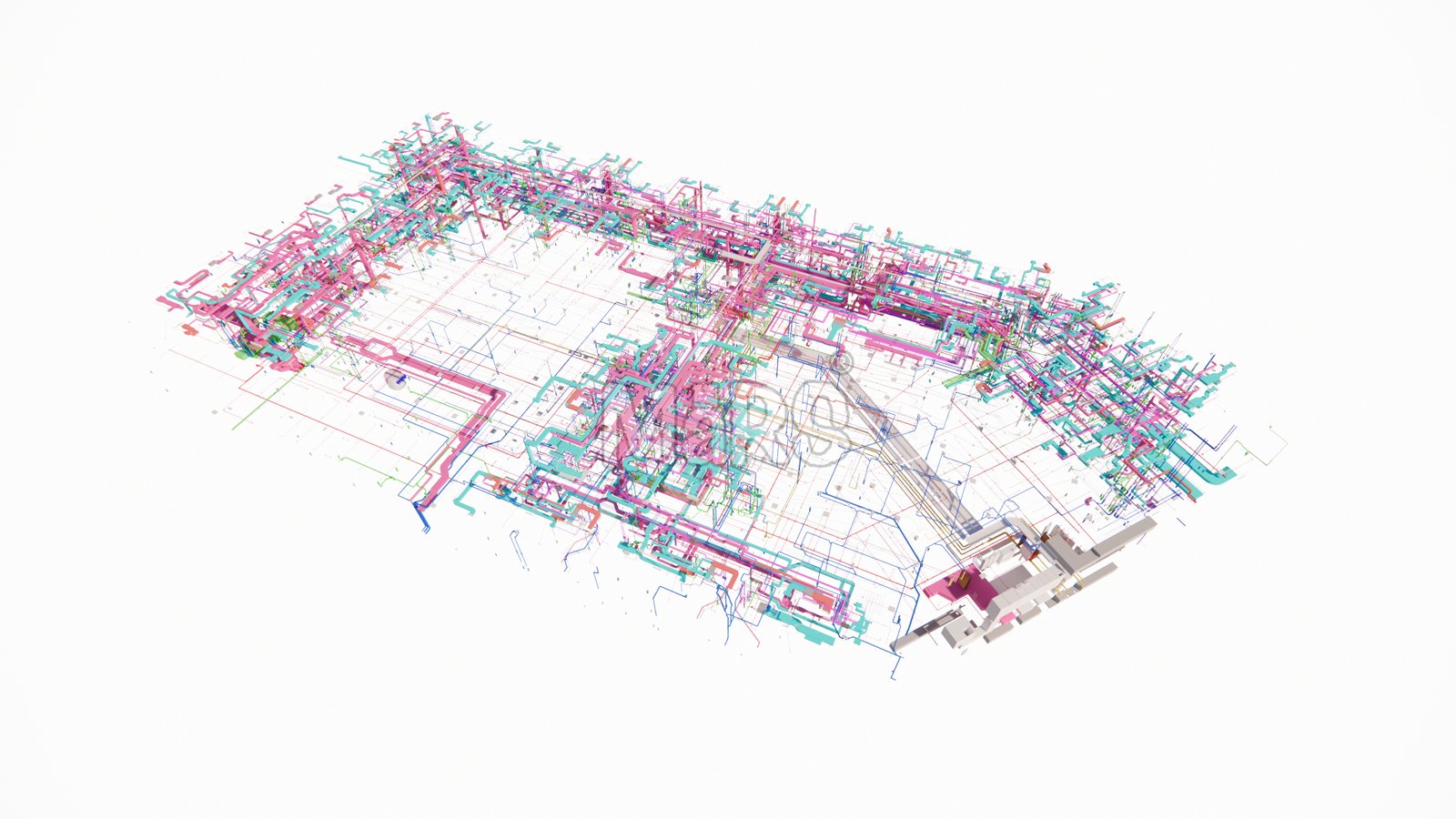
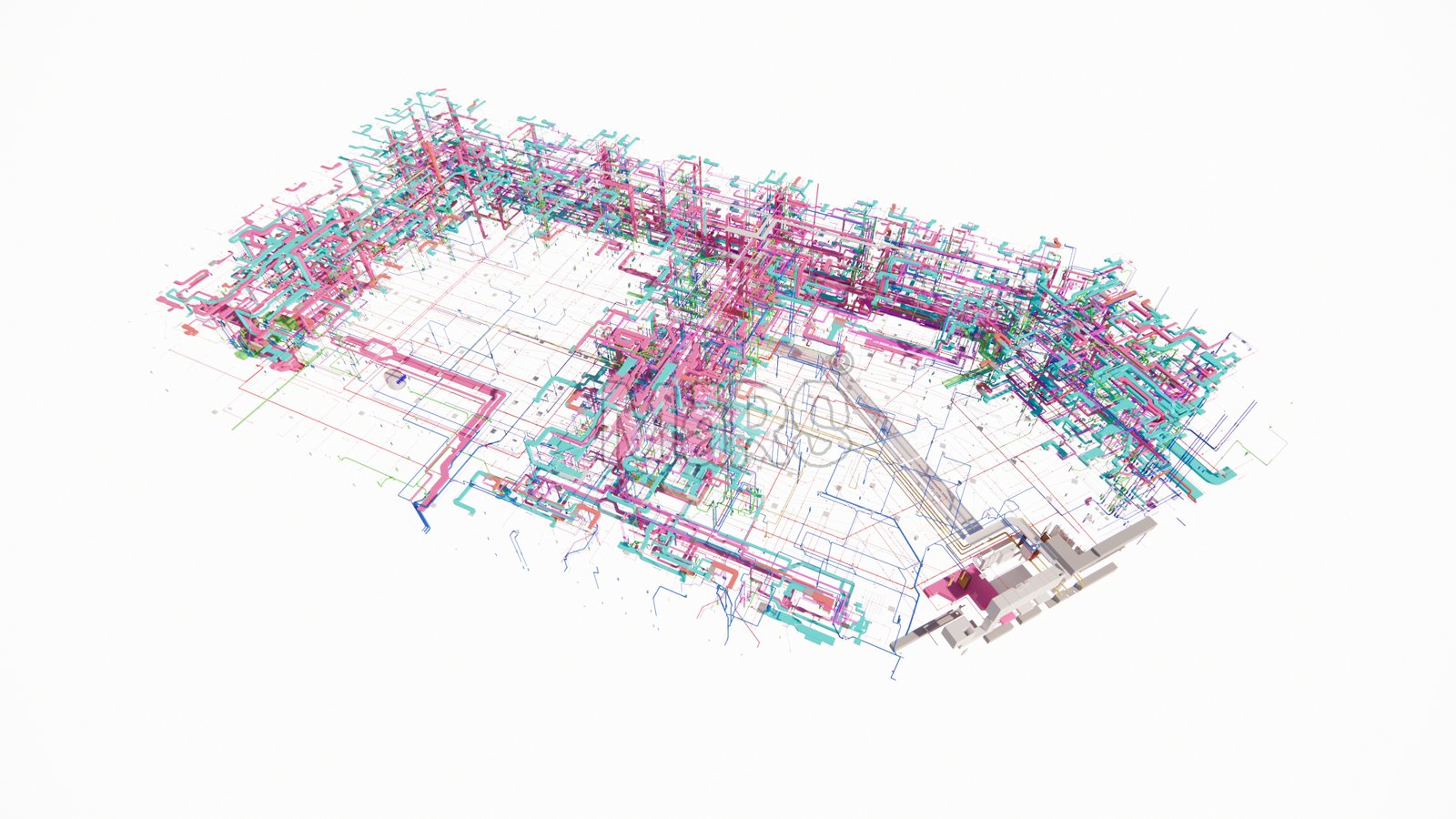
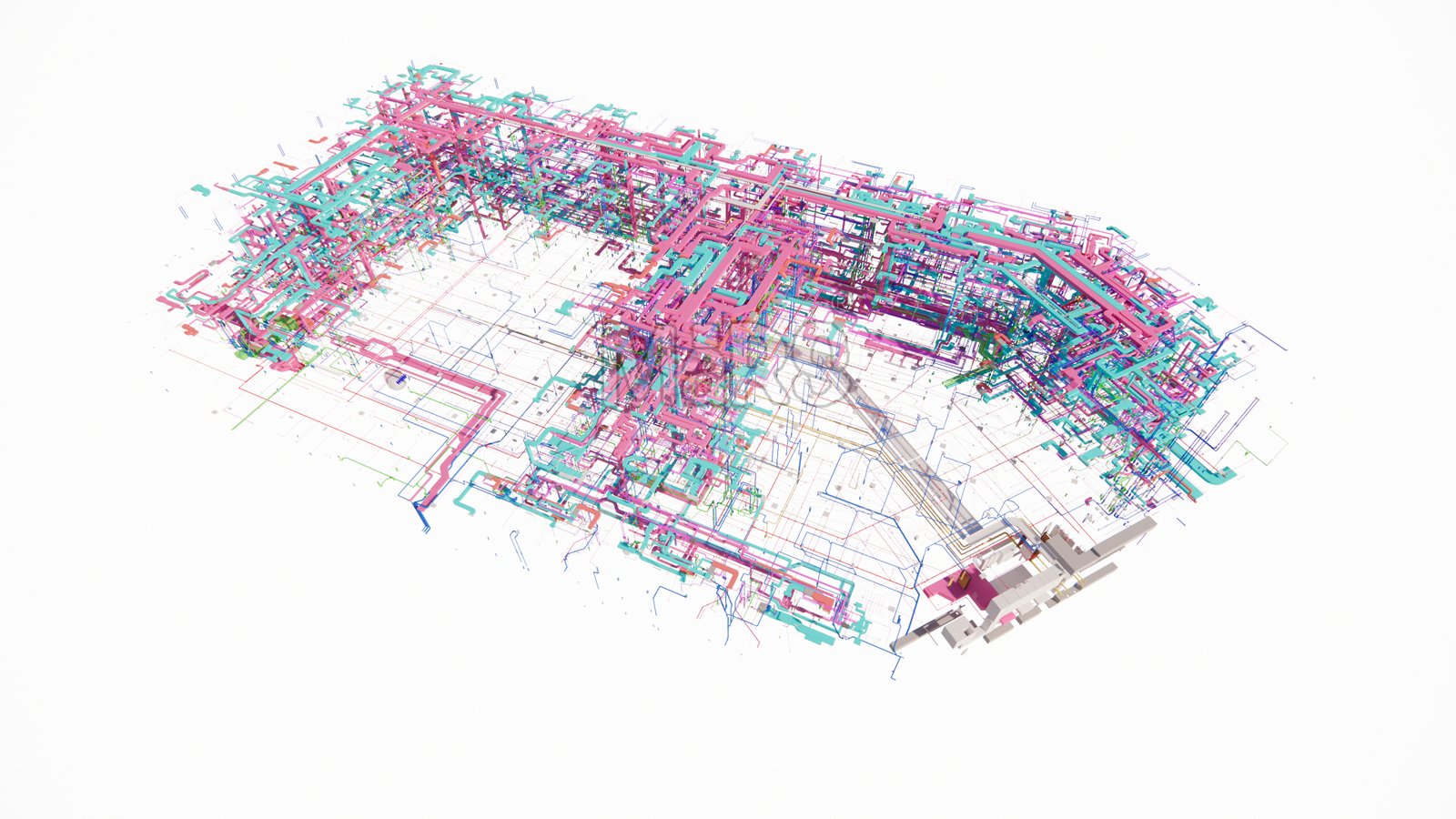
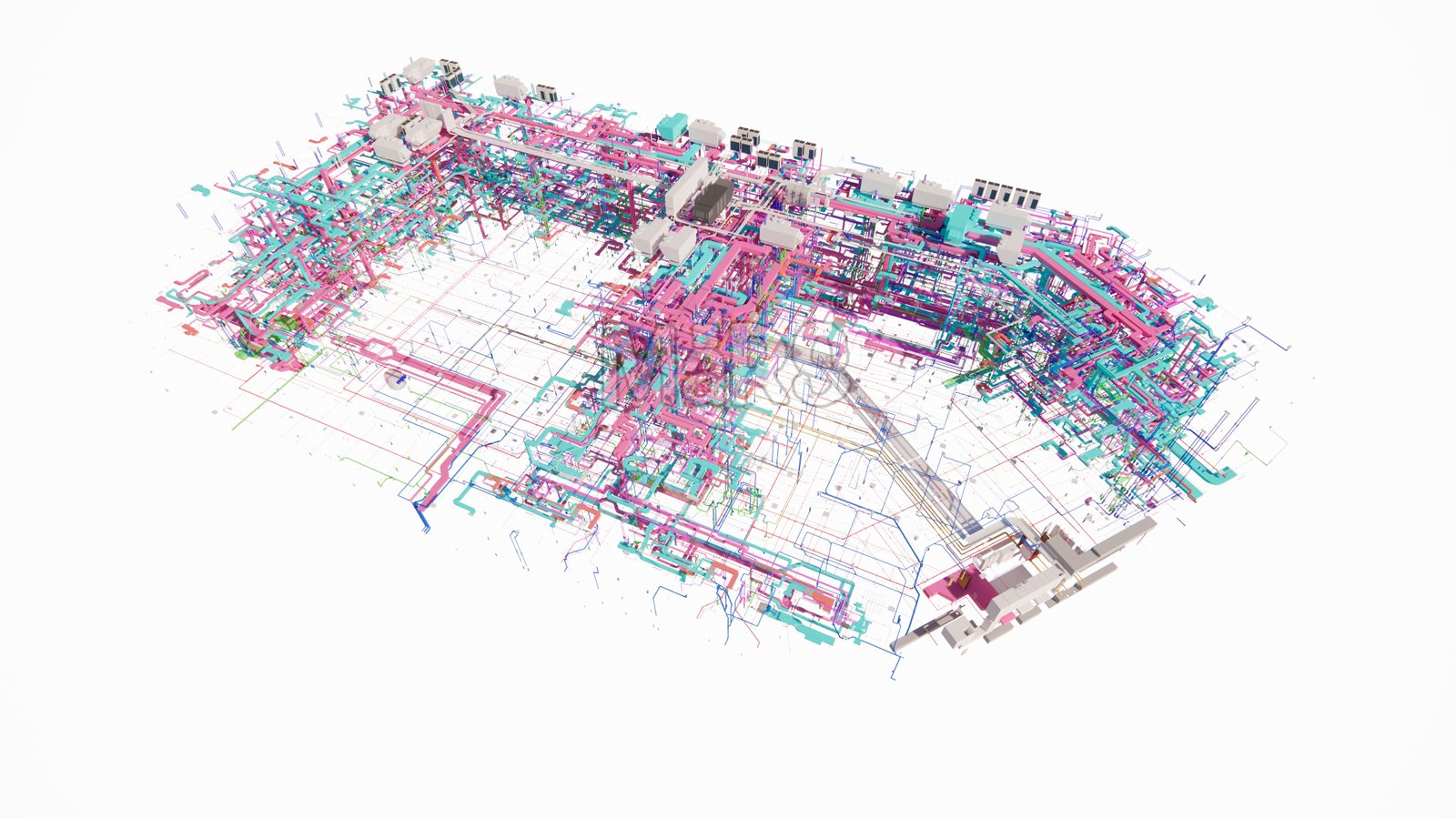
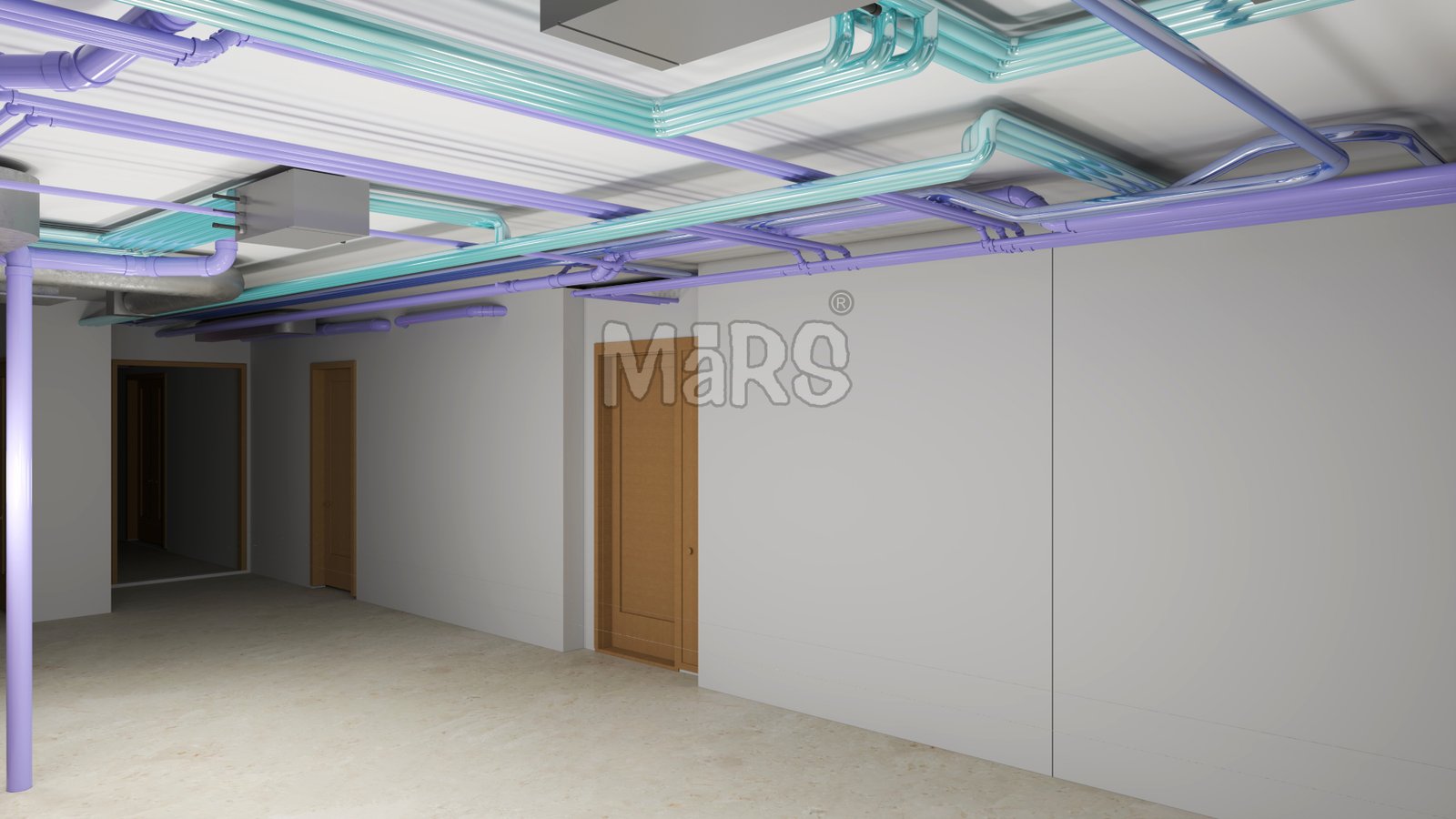
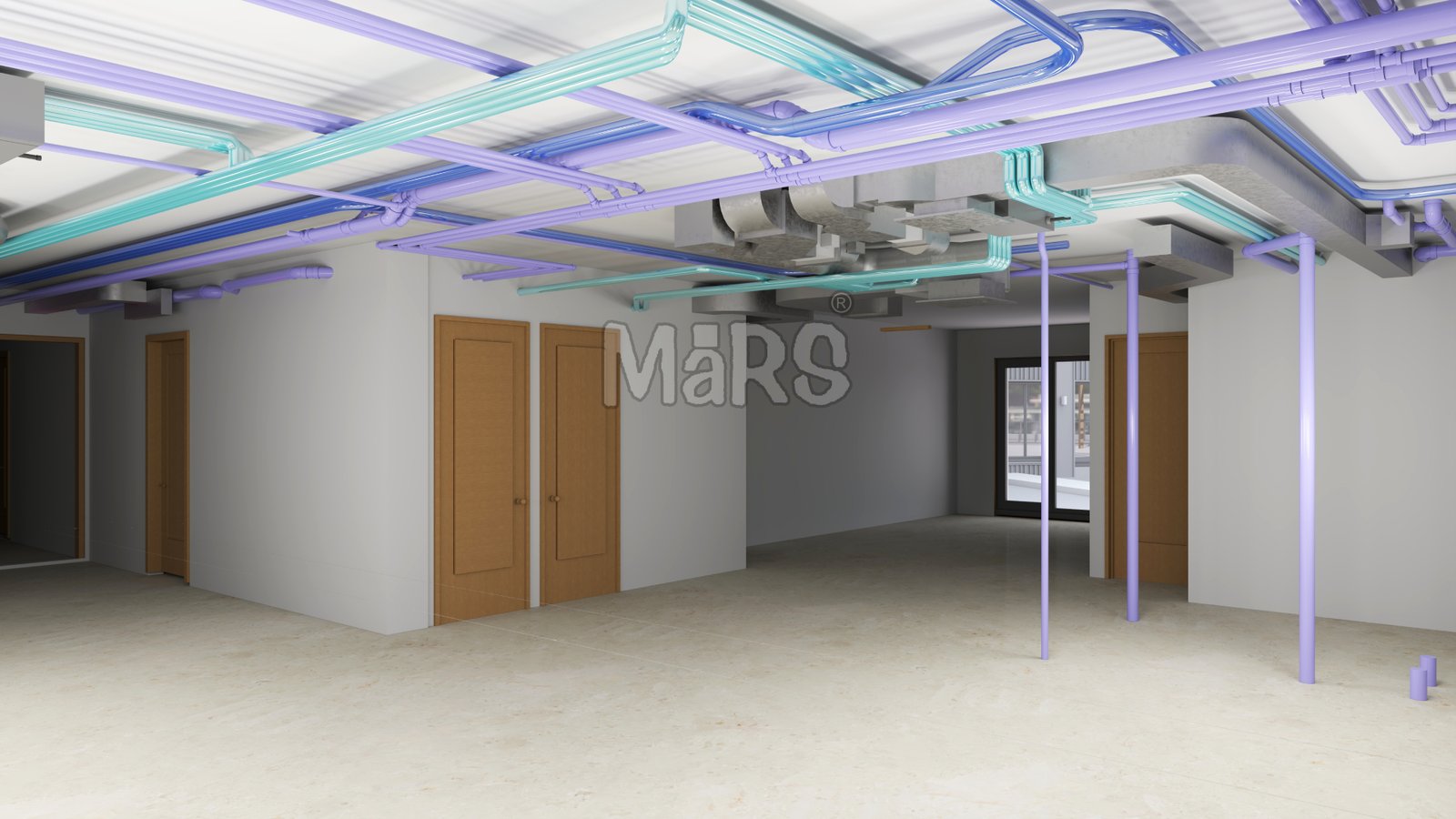
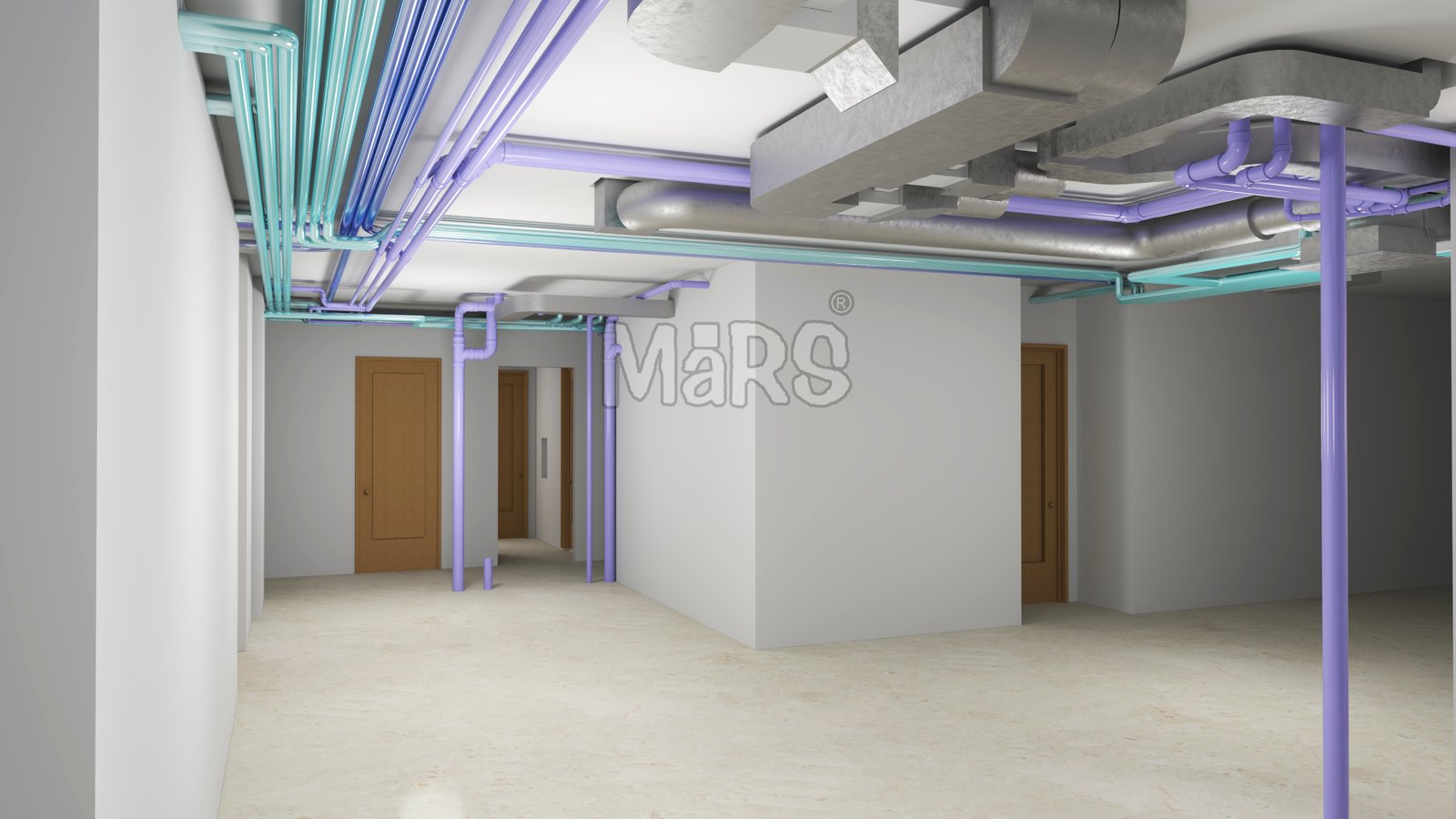
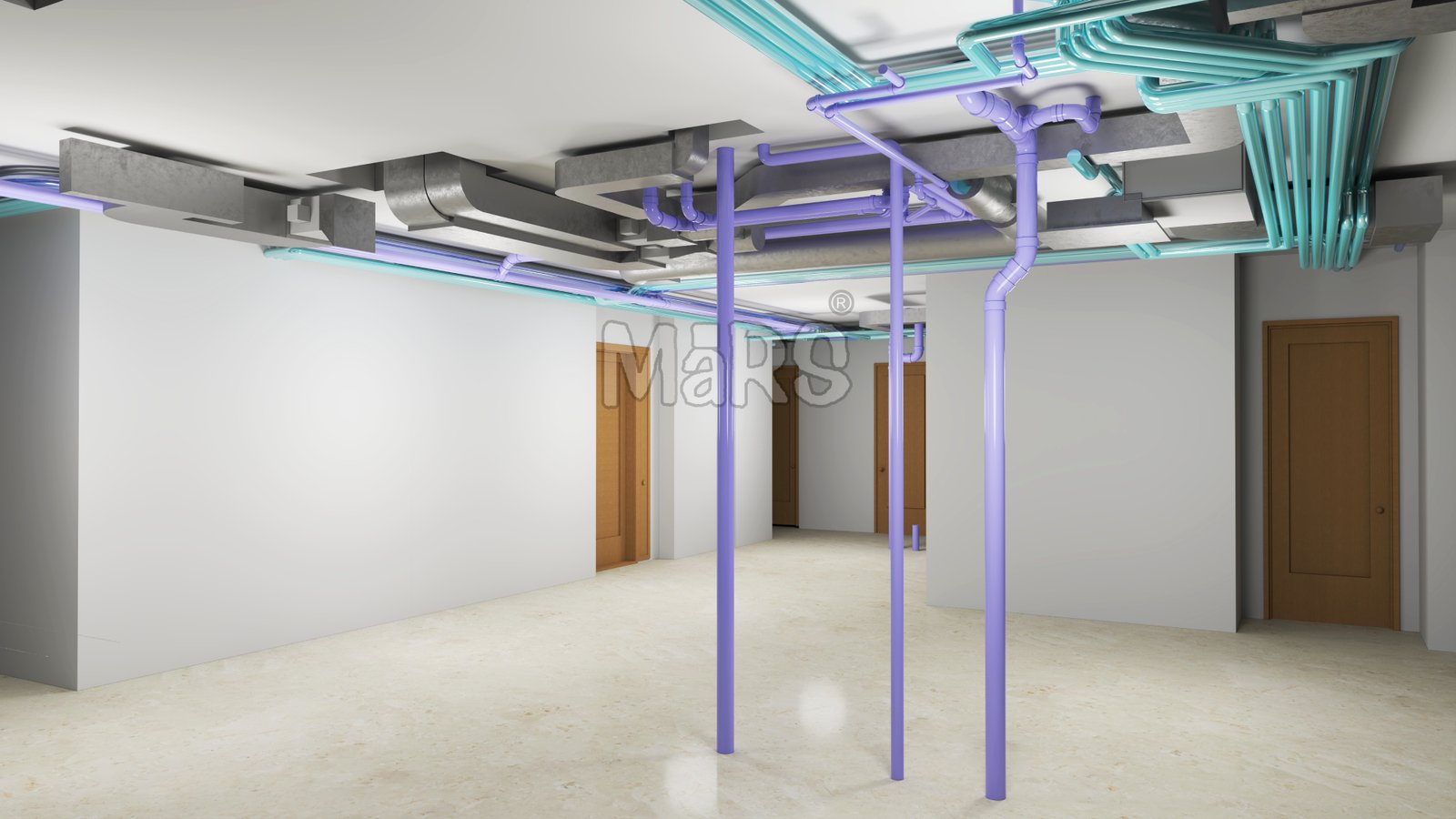
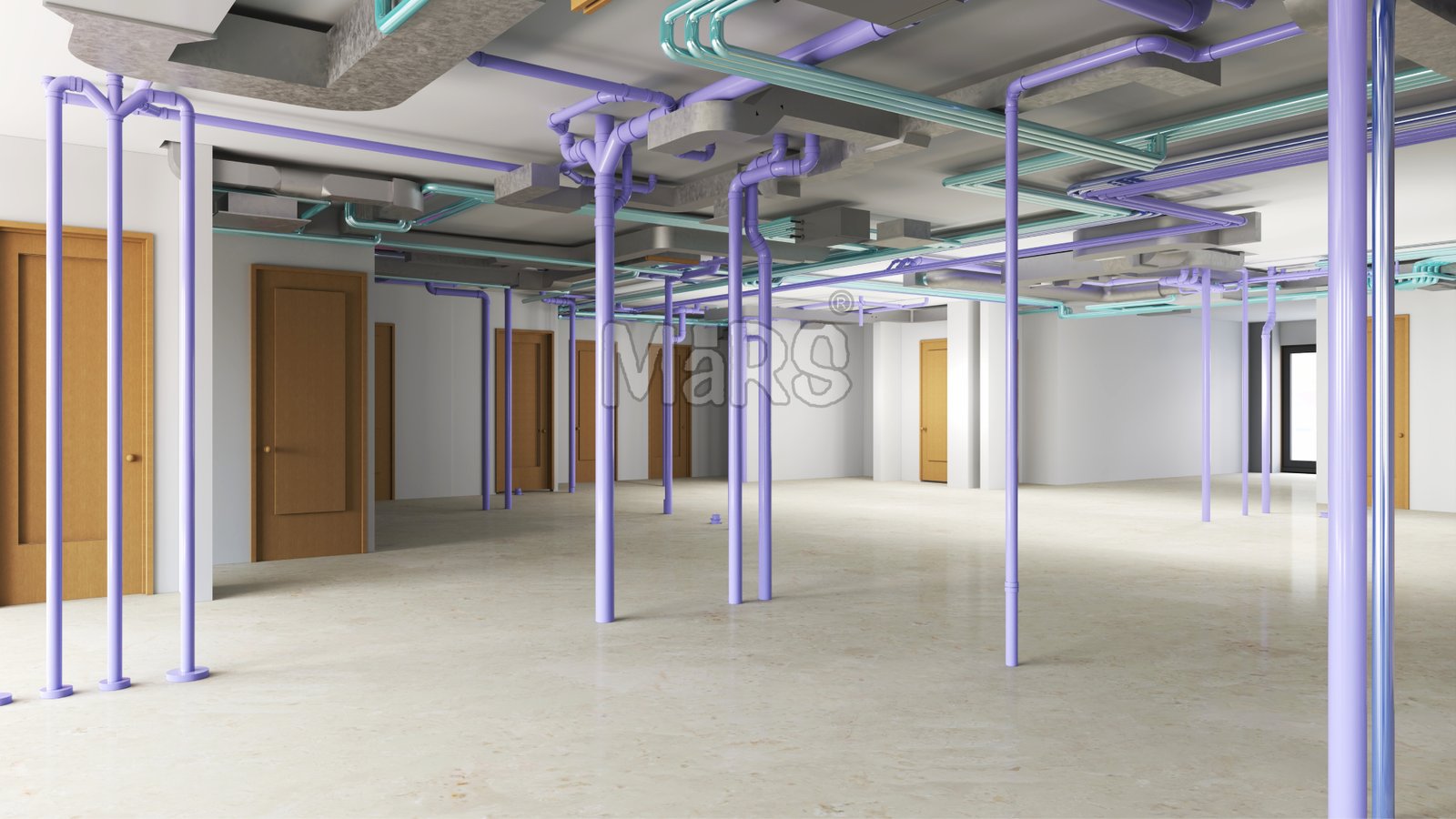
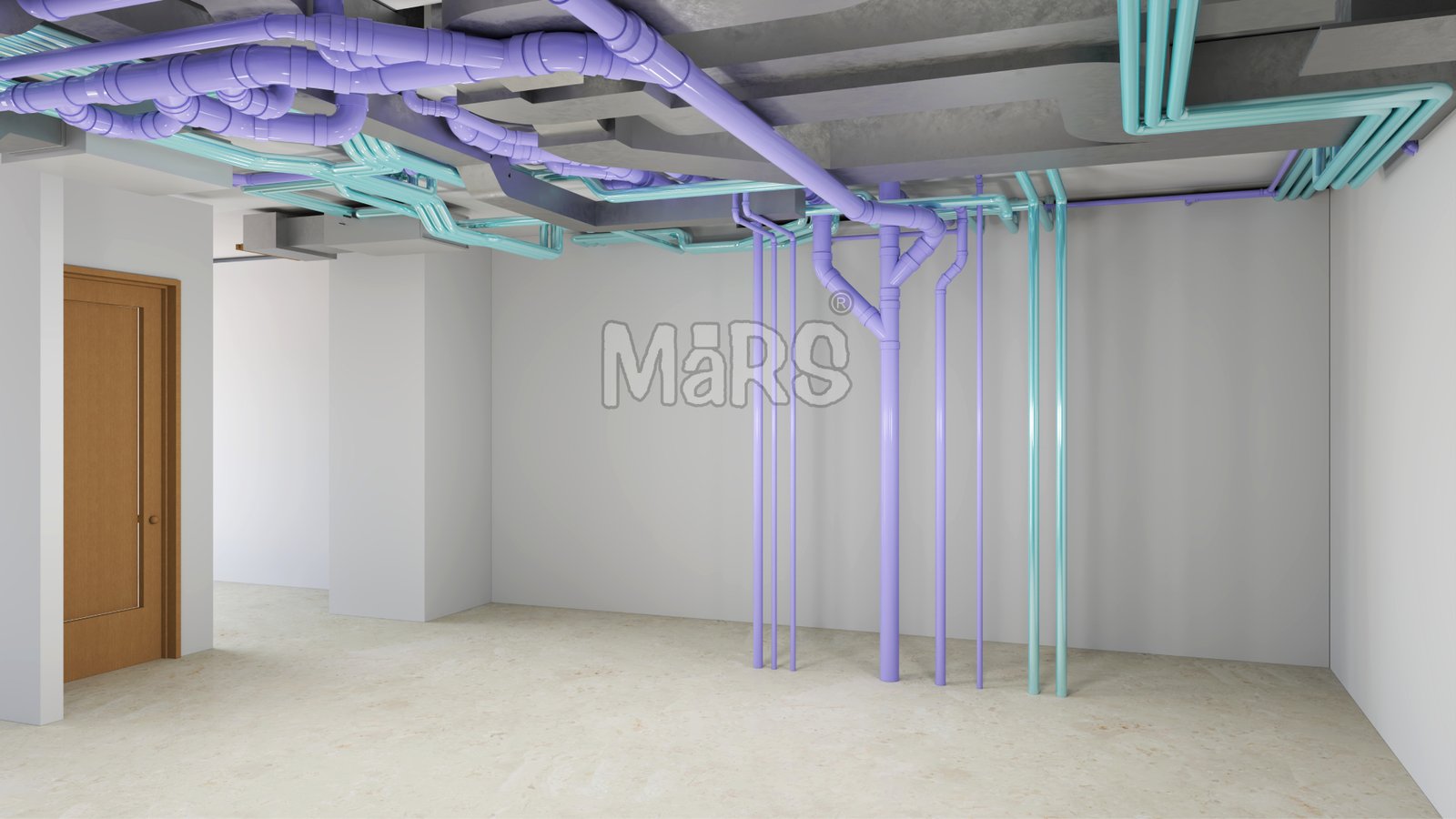
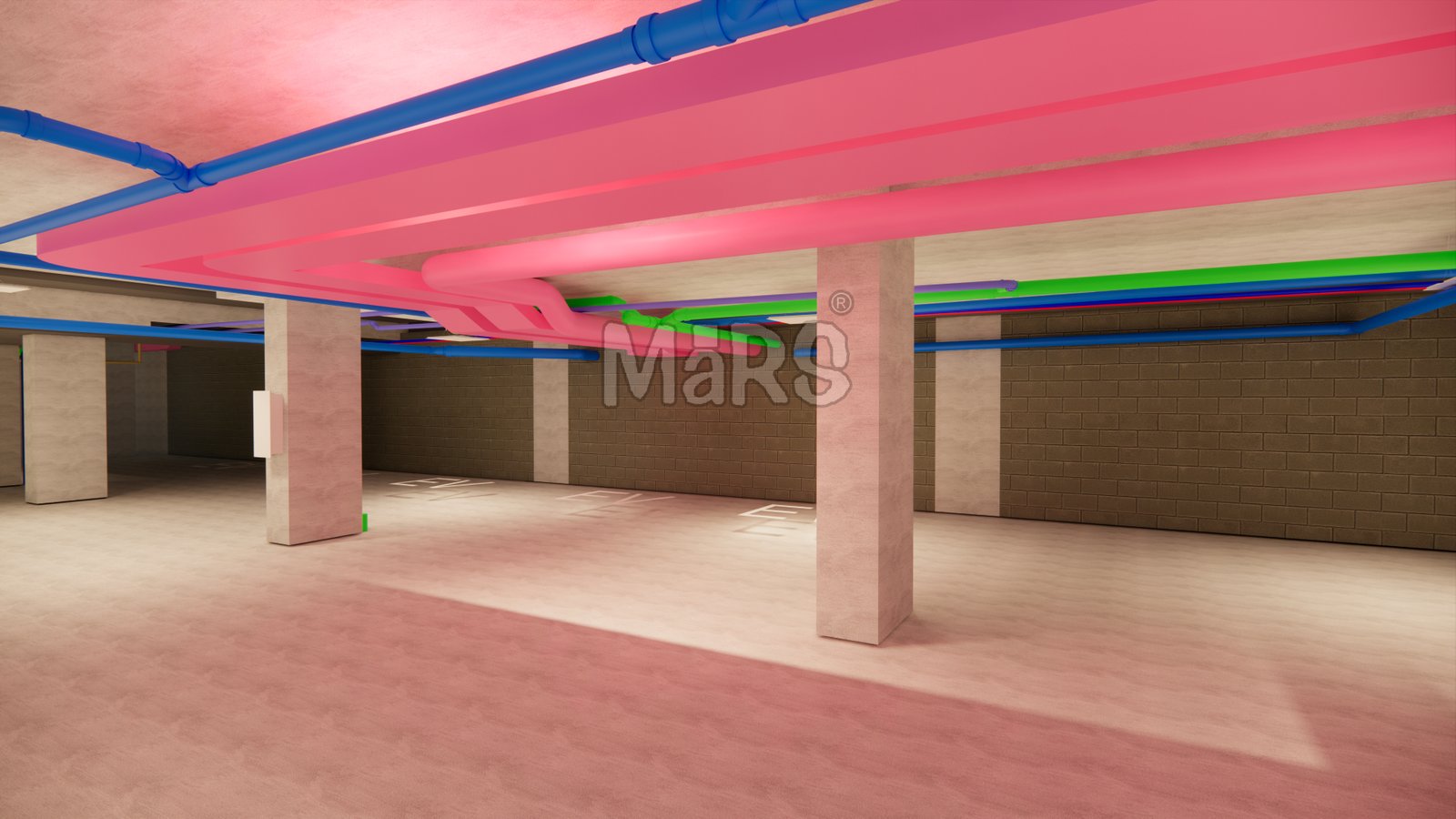
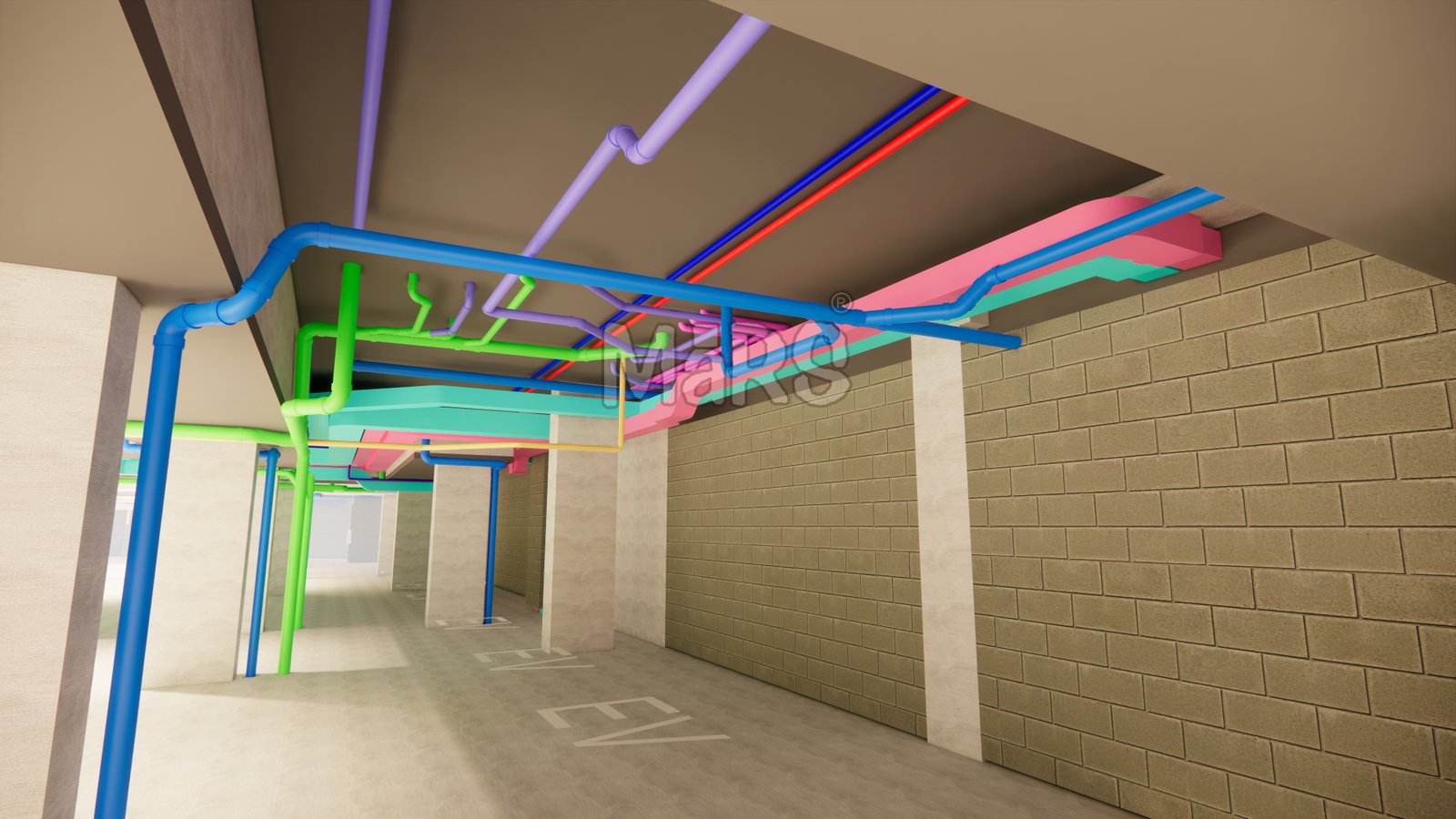
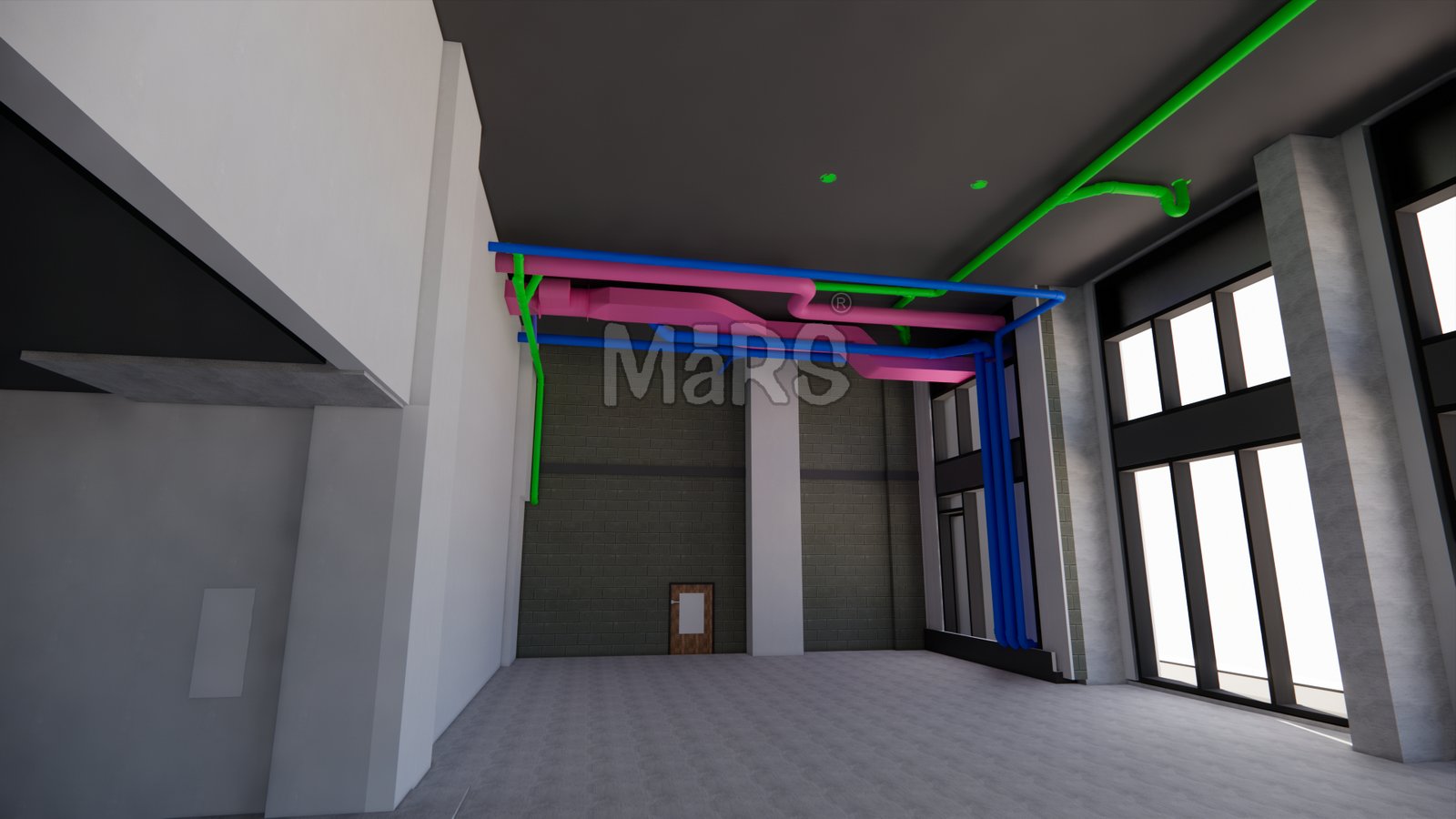
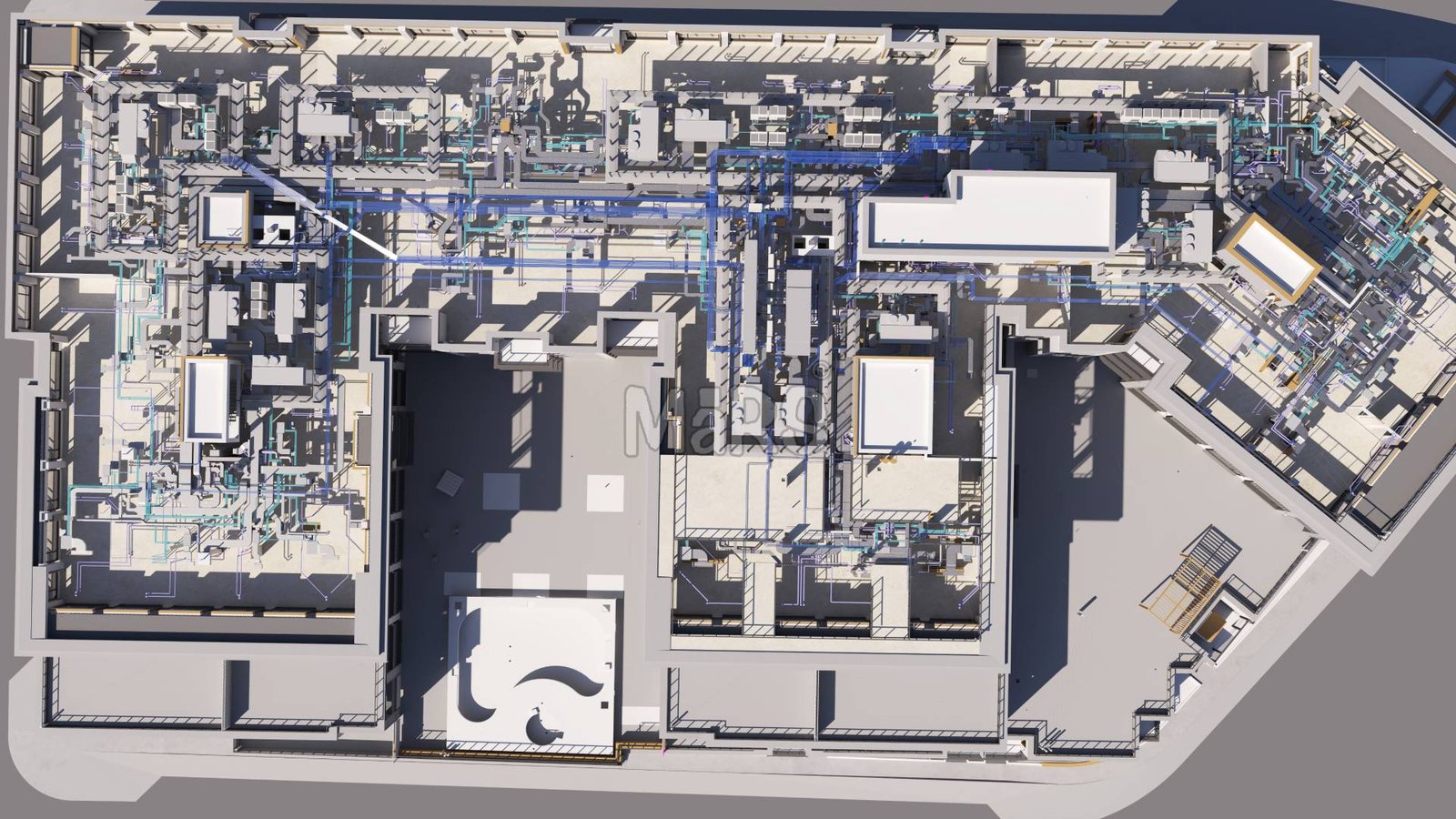
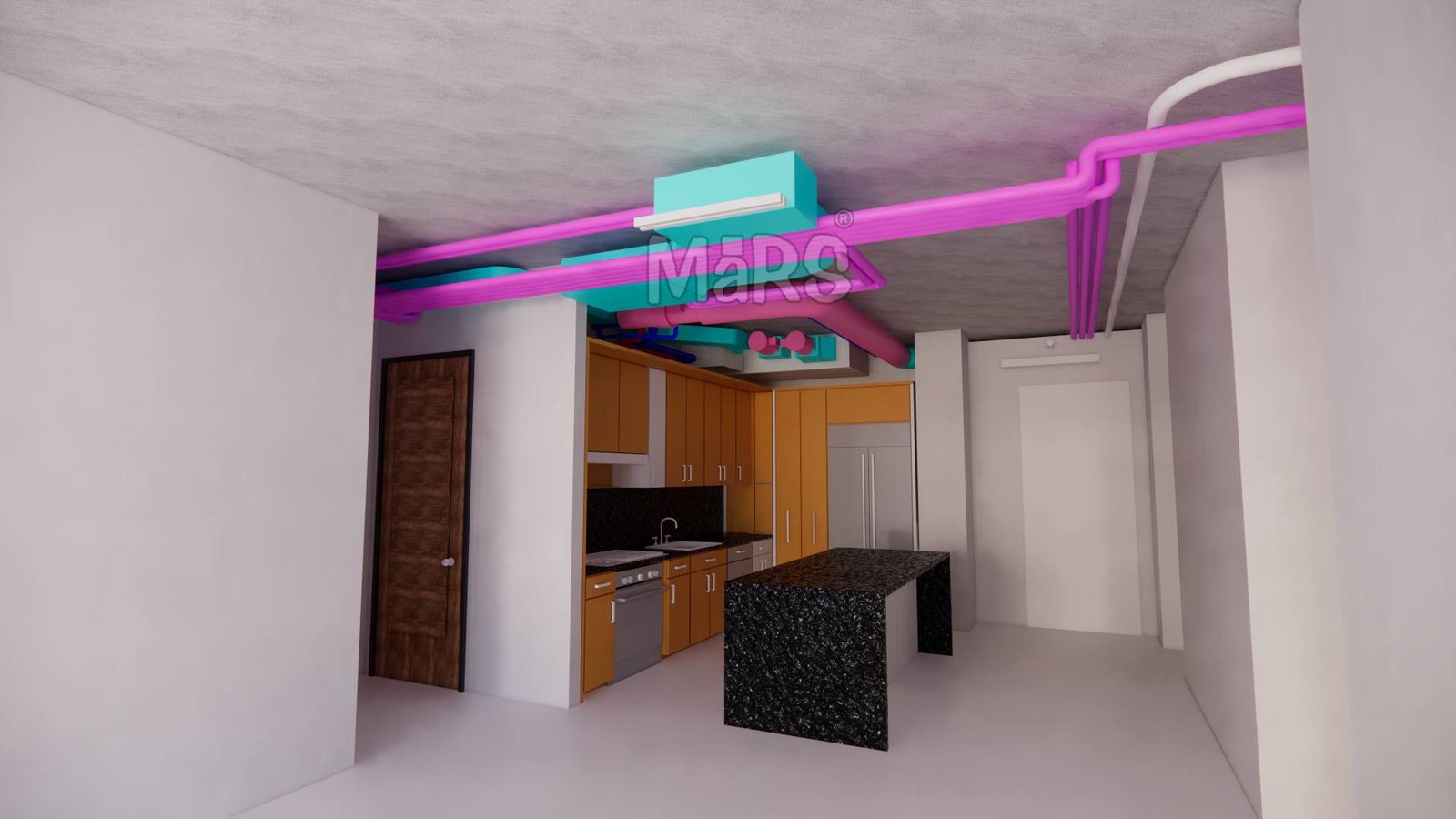
MaRS BIM Solutions provided full LOD 400 BIM coordination services across architectural, structural, and MEP disciplines, supporting multiple trade contractors through a phased, large-scale delivery environment managed on Autodesk Construction Cloud.
Why This Project Needed BIM?
01
Phased Delivery Across a 70-Acre Site
With residential, retail, hotel, and office buildings being delivered in multiple phases, a centralized BIM environment was essential to maintain coordination continuity across different contractors, timelines, and building types running simultaneously.
02
MEP Across Mixed Building Typologies
Mechanical, electrical, plumbing, and fire protection systems had to be coordinated across residential towers, townhomes, hotel floors, and retail podiums, each with different ceiling configurations, riser strategies, and occupancy-driven system requirements.
03
Remediated Industrial Site Constraints
The former GM assembly plant site required soil remediation and surcharging before construction. Underground contamination boundaries directly affected pile layouts, foundation sequencing, and utility corridor routing, all of which had to be reflected and tracked within the BIM model.
04
Multi-Contractor, Multi-Phase Coordination
Toll Brothers, Hines, and multiple trade subcontractors were active across different parcels of the site concurrently. A shared BIM environment and structured coordination workflow was the only reliable way to align decisions, manage interfaces, and maintain a single source of truth across all teams.
05
Utility Infrastructure Complexity
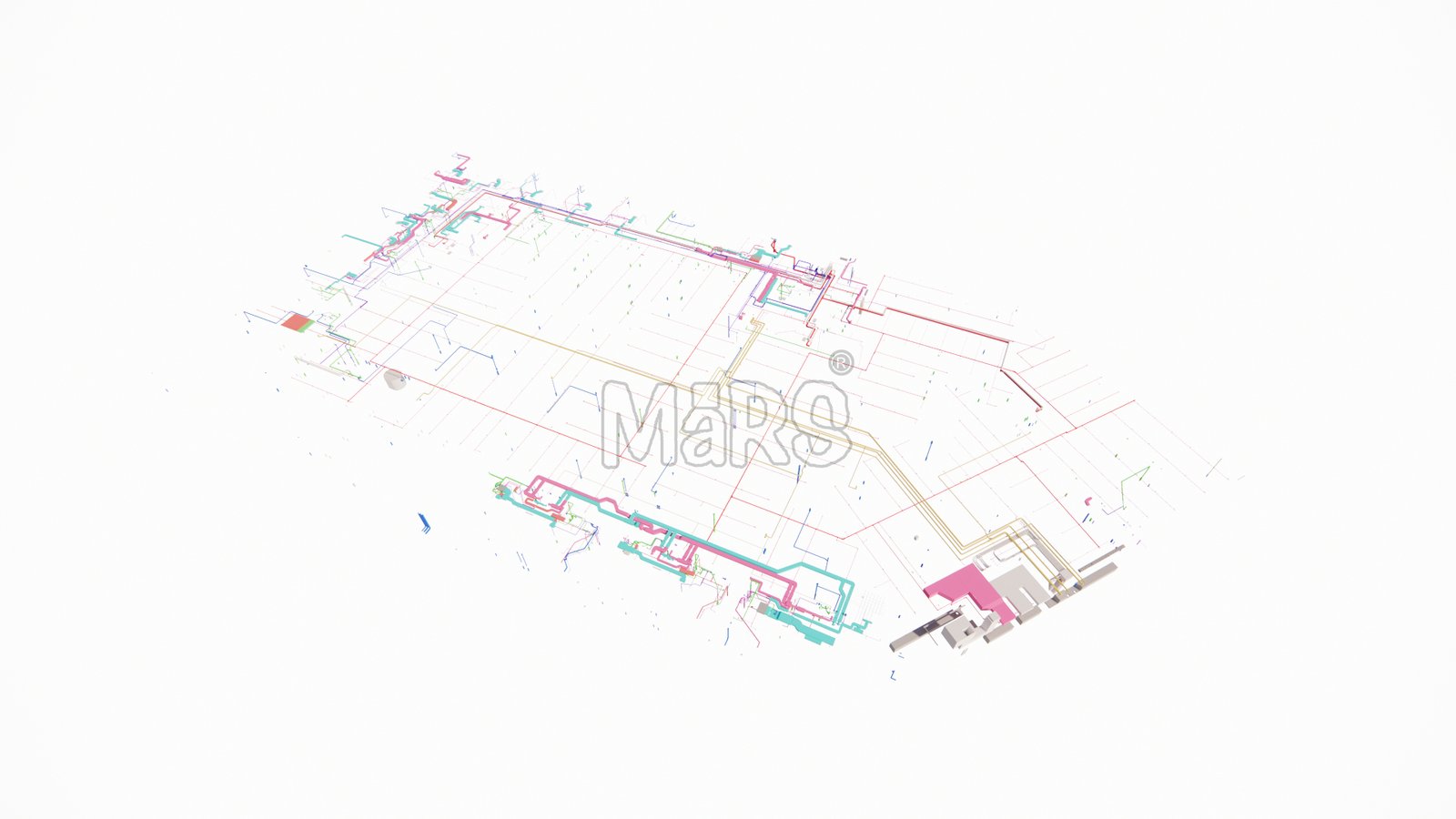
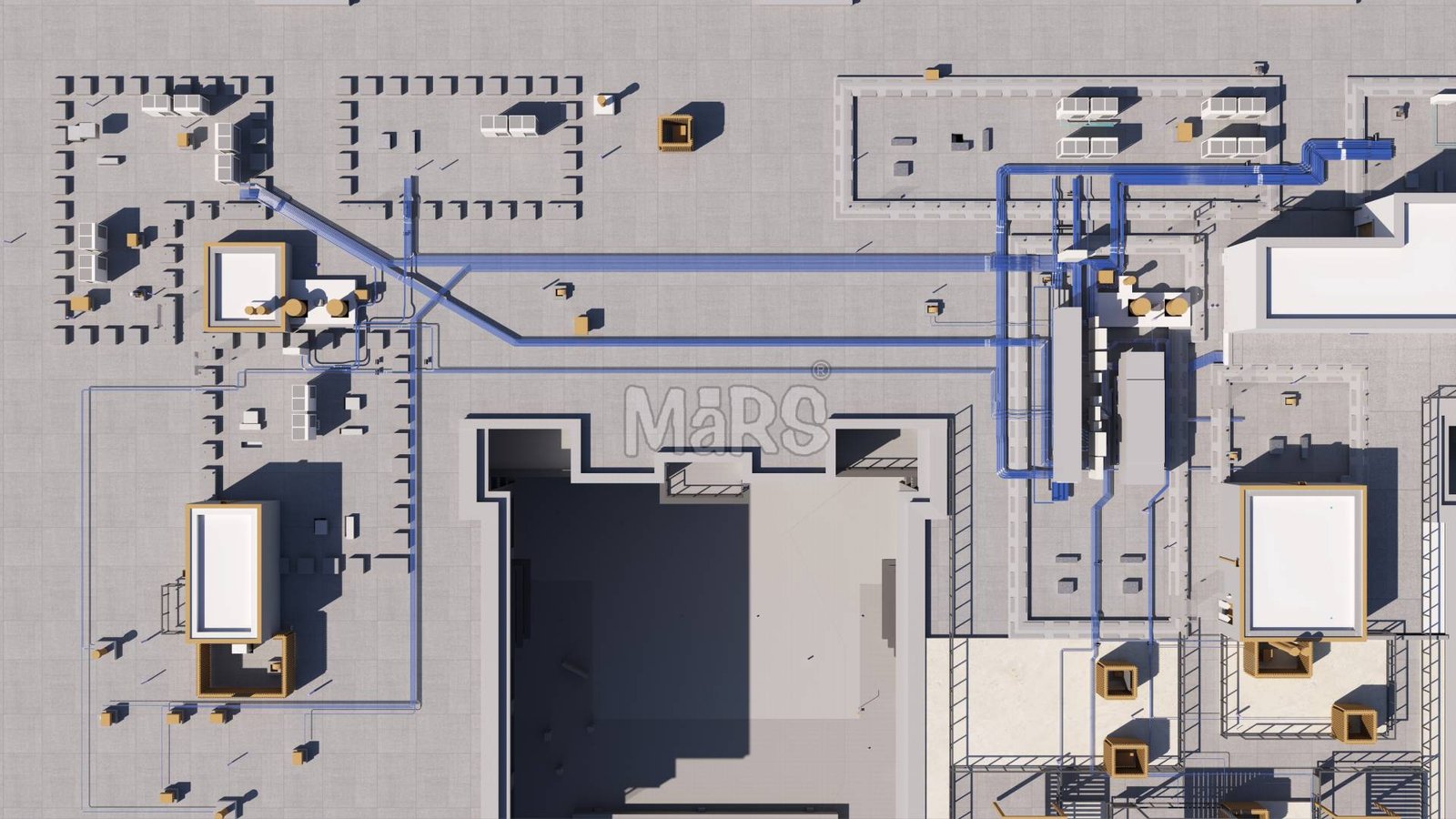
New streets, utility corridors, and site-wide infrastructure networks were constructed alongside vertical buildings. BIM coordination had to span both underground civil systems and above-grade building MEP, ensuring no conflicts across the full depth of the site.
06
LOD 400 Fabrication Precision Required
The density and scale of MEP systems across more than 1,100 residential units plus hotel and commercial floors required LOD 400 model precision to support shop drawing production, prefabrication, and field installation without rework.
Scope of Work
LOD 400 BIM Modeling for Architectural, Structural, and MEP disciplines
Multi-Discipline Clash Detection and Coordination
Shop Drawings for Structural and MEP Trades
Construction Documentation Support
BIM Model Maintenance through Autodesk Construction Cloud
Coordination Meeting Support
Visual Highlights
Architectural
Structural
MEP
Portfolio Performance Highlights
Showcasing BIM impact in real projects
1+
Clashes Resolved Before Construction
1%
Reduction in MEP-Related RFIs
1
Trade Disciplines Coordinated Simultaneously
Key Challenges
Remediation Zone Coordination
Underground contamination areas were not fully confirmed until environmental investigation was completed mid-project. Pile layouts, drainage routing, and foundation sequencing had to be updated within the model as remediation boundaries were finalized, without disrupting the active coordination schedule.
Multi-Building MEP System Integration
Each building type across the master plan carried different MEP system logic. Coordinating shared infrastructure risers and site utility connections across townhomes, apartment towers, hotel floors, and retail podiums required discipline-level planning before individual building coordination could begin.
Phasing Interface Management
Active construction in early-phase buildings overlapped with design coordination for later-phase buildings on adjacent parcels. BIM models had to define clear interface boundaries, manage temporary conditions, and sequence trade access across an active and continuously evolving site.
High-Density Residential Ceiling Zones
With more than 1,100 residential units, MEP systems repeated across dozens of floor plates and stacks. Coordination errors identified in one zone had the potential to propagate across multiple units. Early and thorough clash resolution at LOD 400 was critical to preventing rework at scale.
Our Project Execution Strategy
Field-First Sequencing
Installation sequence for each trade was mapped before LOD 400 modeling began. Access clearances, trade priority, and prefabrication requirements drove all spatial decisions during coordination, ensuring models reflected how systems would actually be built and not just how they were designed.
System Corridor Planning
Primary distribution zones were defined early for electrical, mechanical, and plumbing systems across both site infrastructure and individual buildings. Each trade worked within defined corridors, reducing conflict density in the most congested ceiling and shaft areas.
Prefabrication Support
Pipe spools, duct assemblies, and cable tray sections were modeled at full LOD 400 fabrication geometry to support shop prefabrication, reducing field labor in high-congestion residential floor zones and accelerating installation across repetitive floor plates.
Multi-Trade Coordination & Stakeholder Meetings
Structured coordination meetings were held with all active trades and the design team using live model walkthroughs in Autodesk Construction Cloud. Open clashes were reviewed, resolution decisions confirmed, and all actions logged and tracked to closure each cycle, across multiple building packages running in parallel.
Get In Touch
Let’s Talk About Your Next Project
Share your drawings and project scope. We will review and send a proposal within 24 hours.