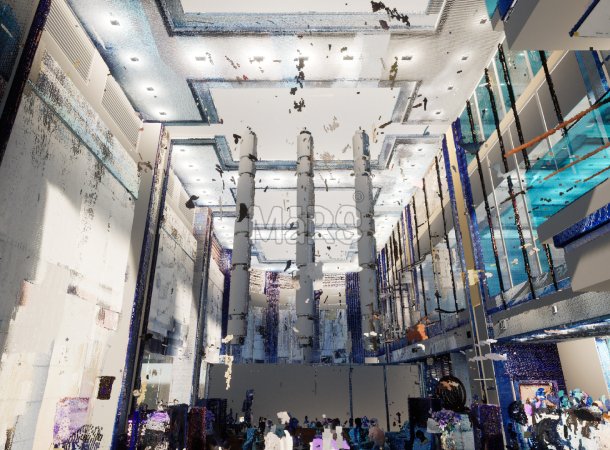
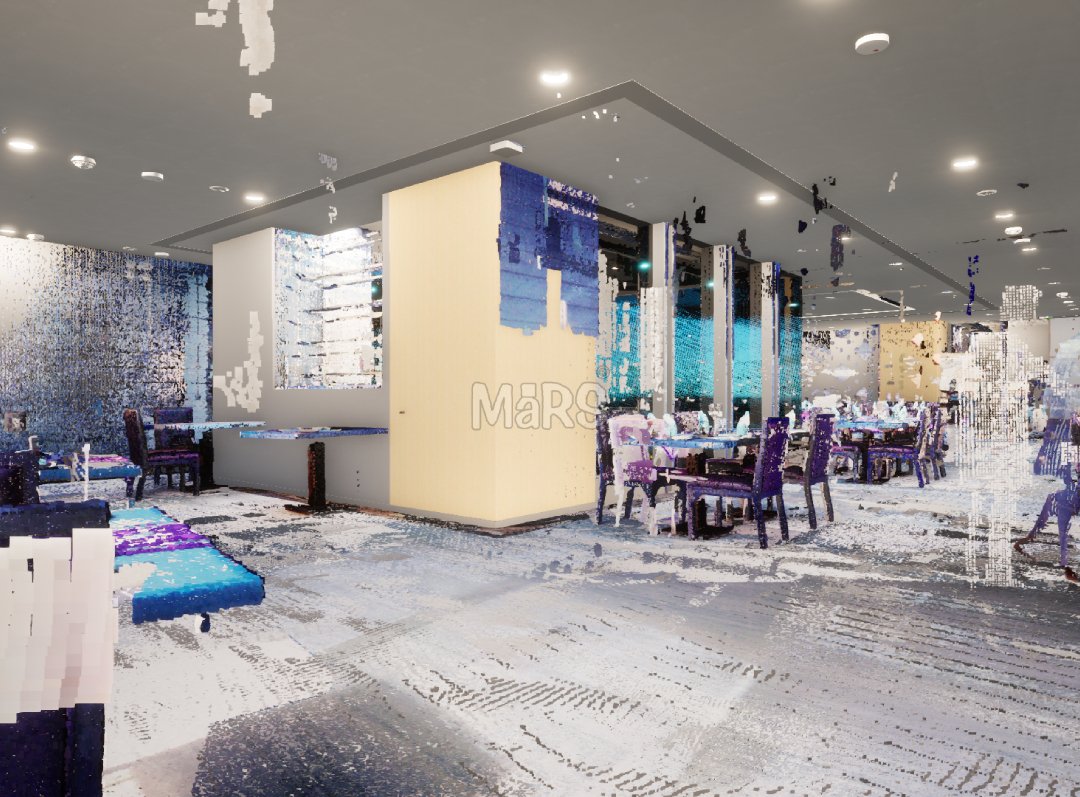
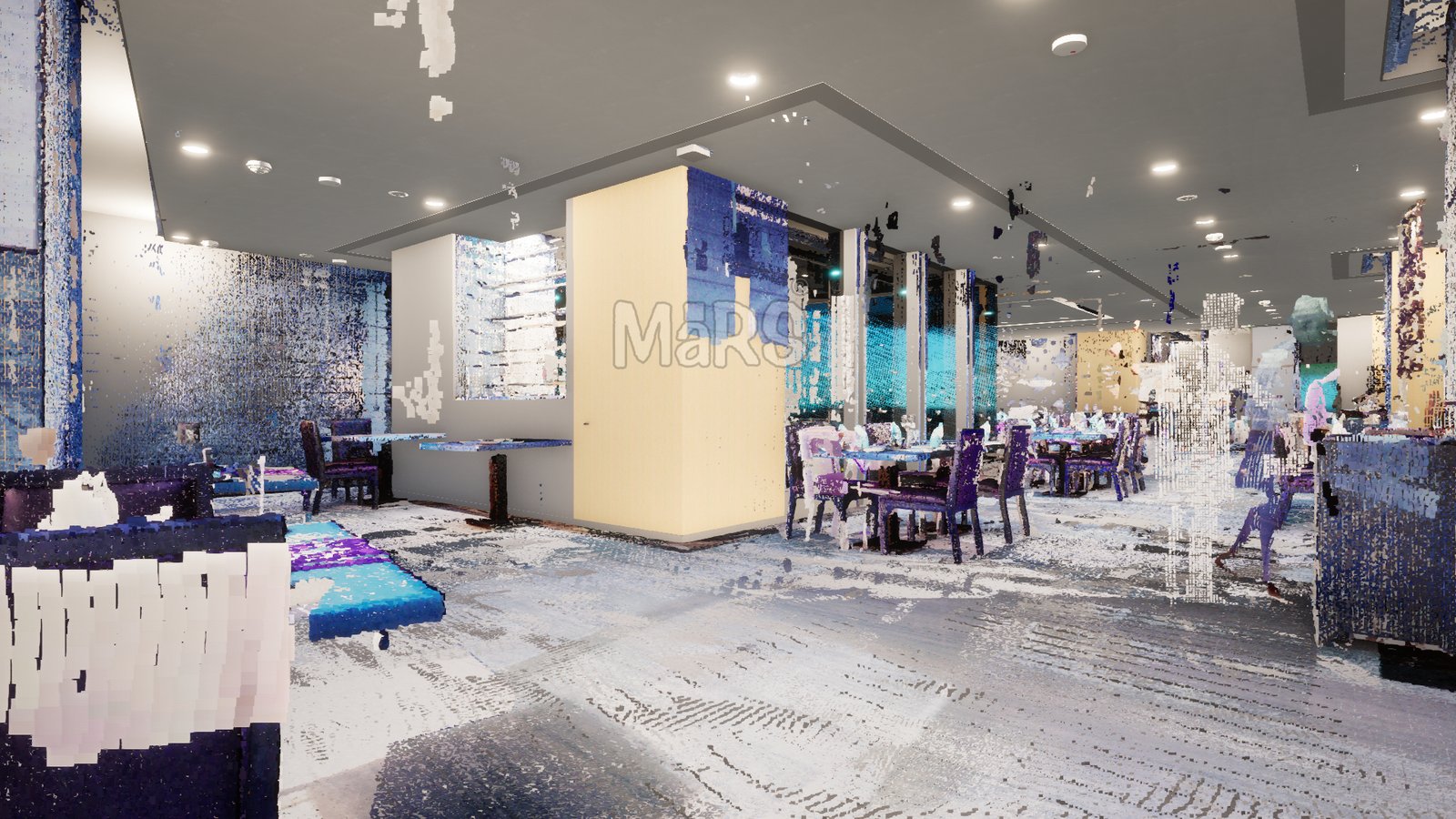
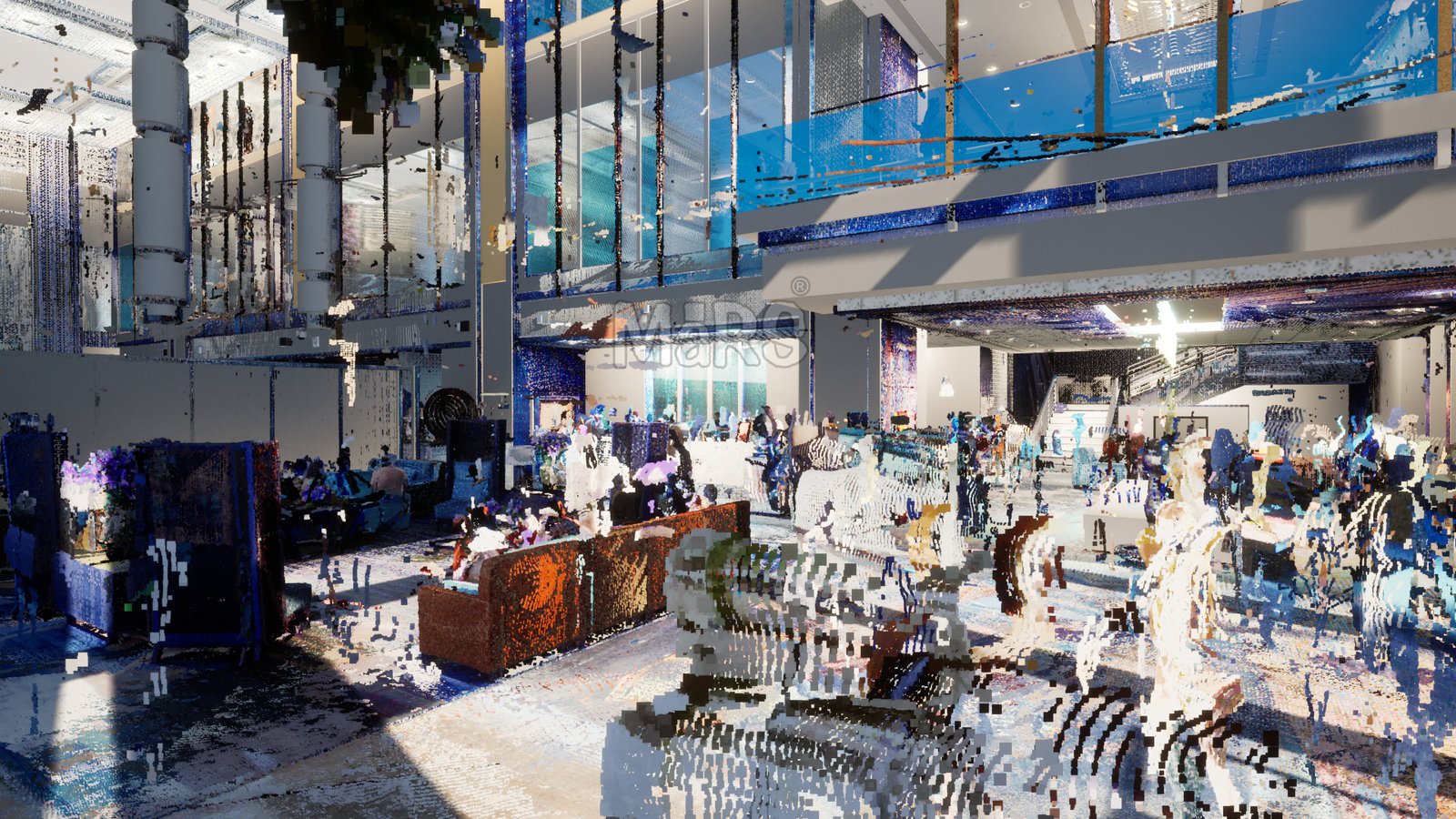
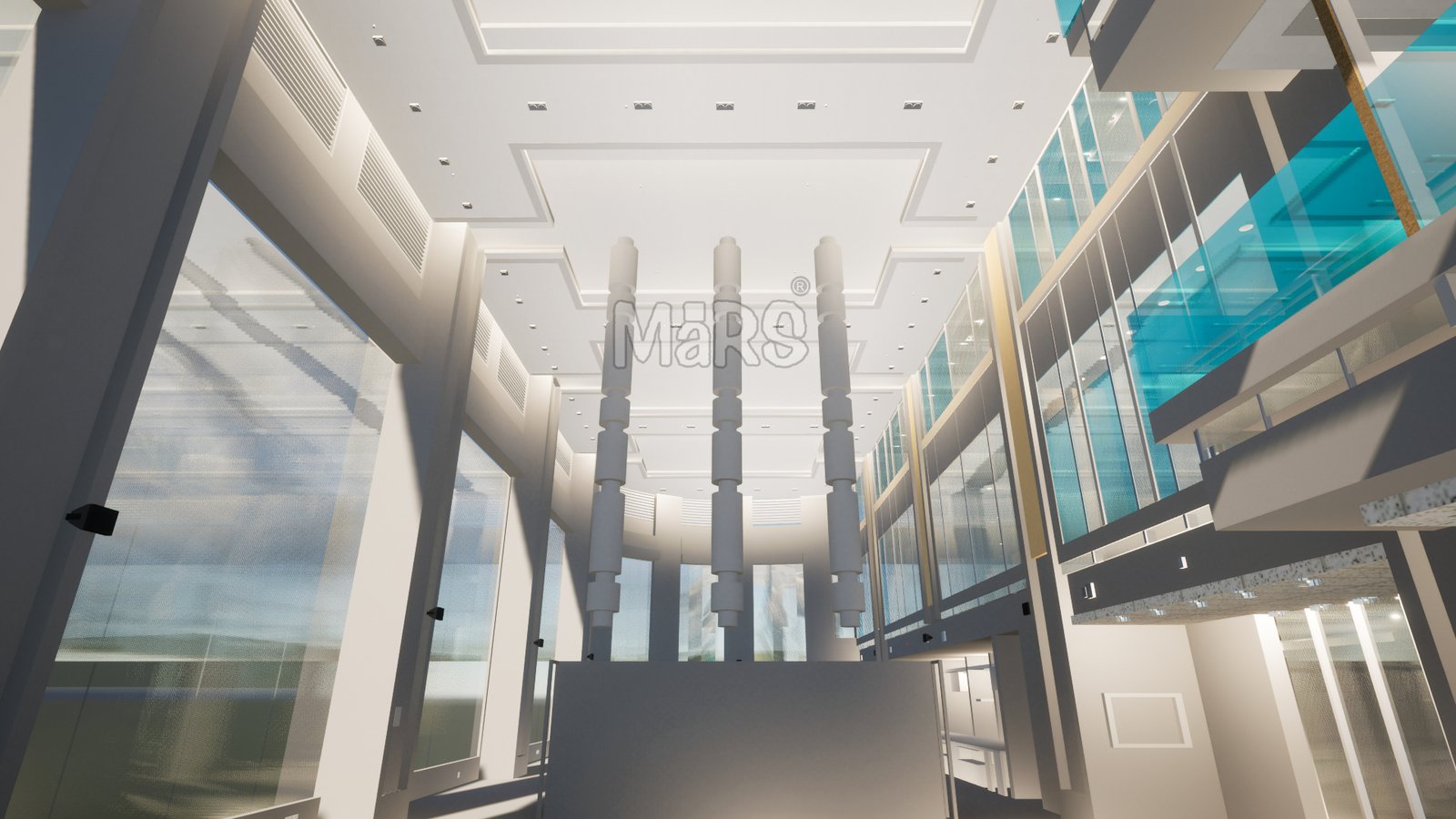
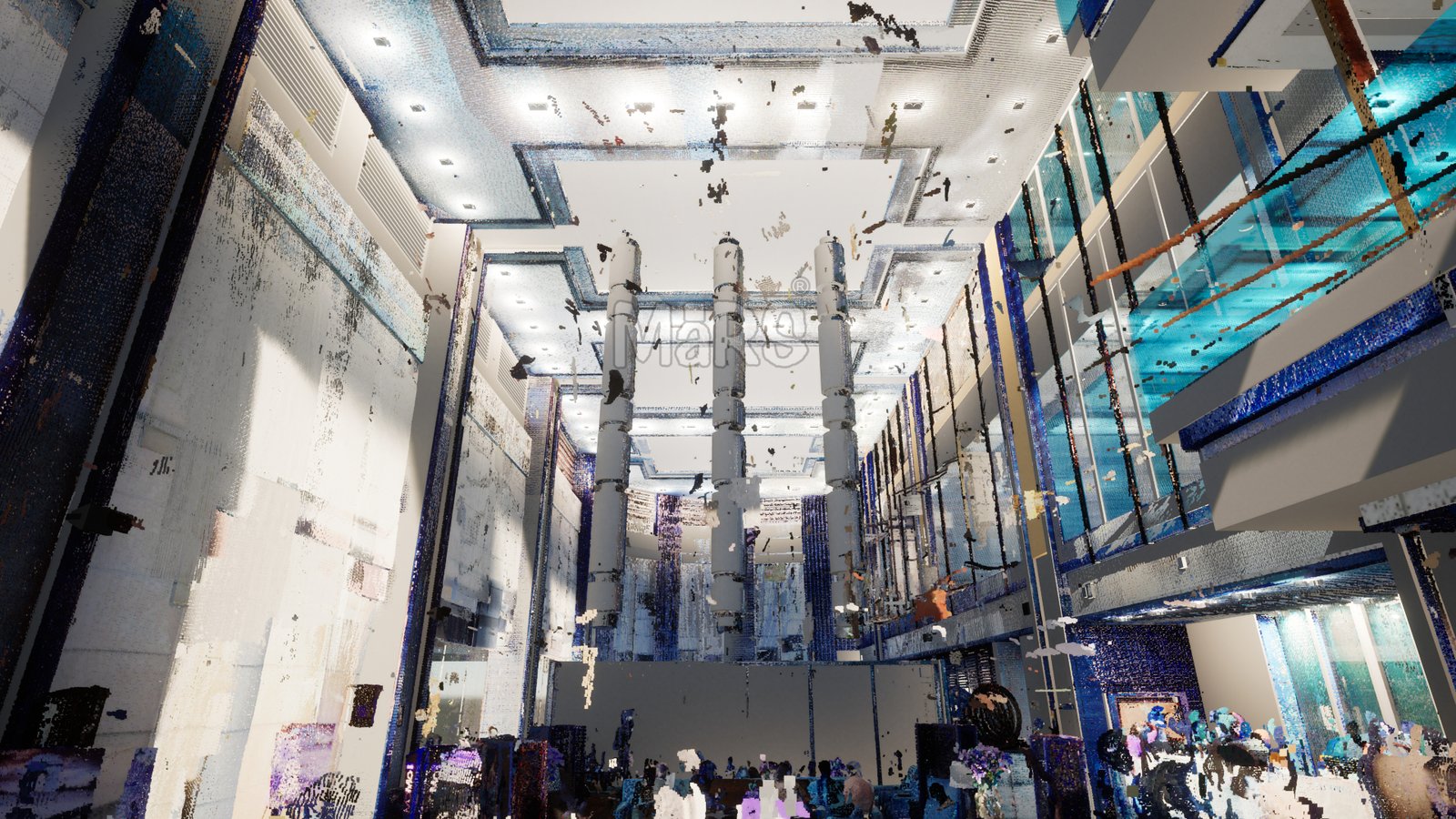
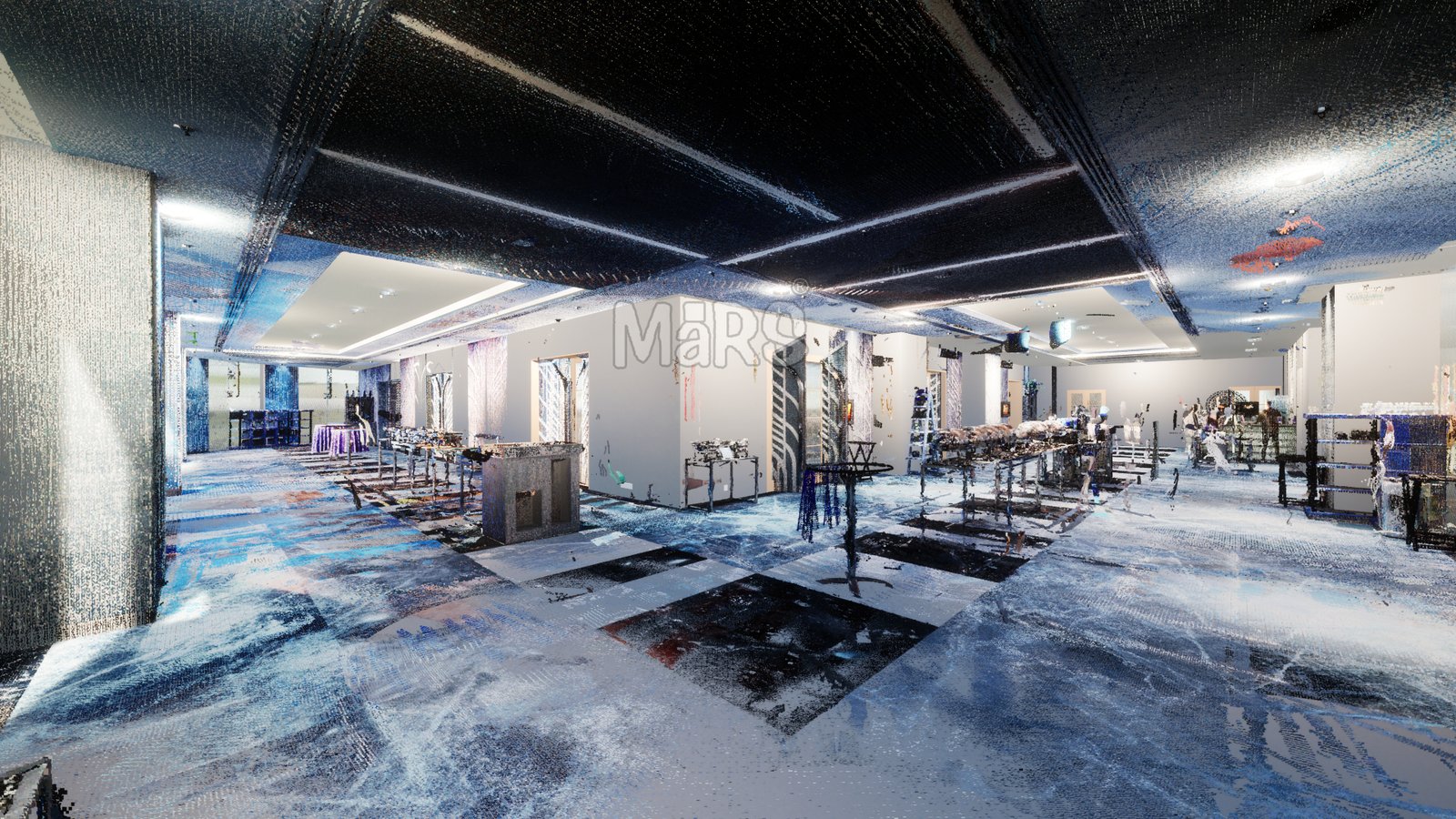
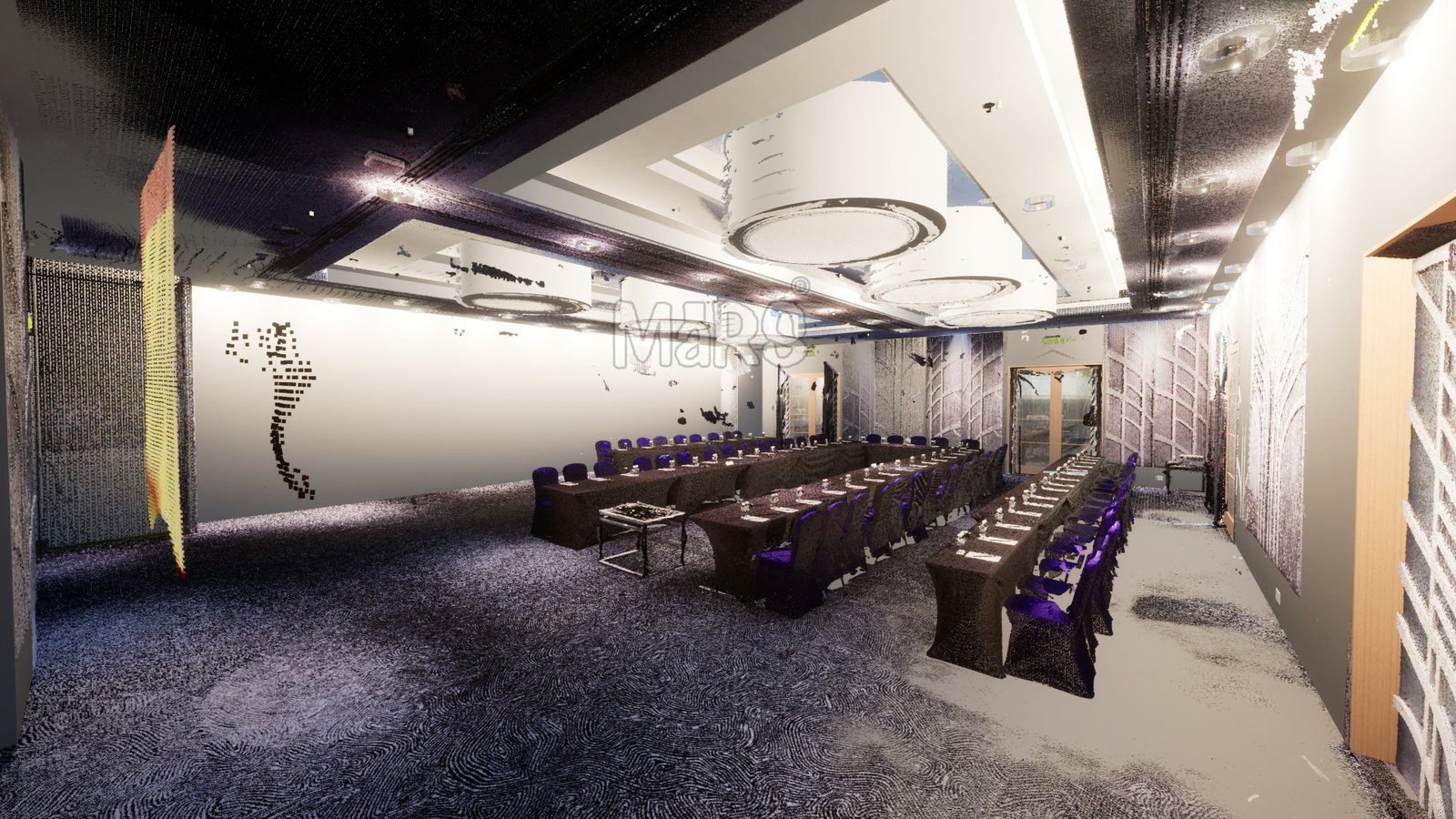
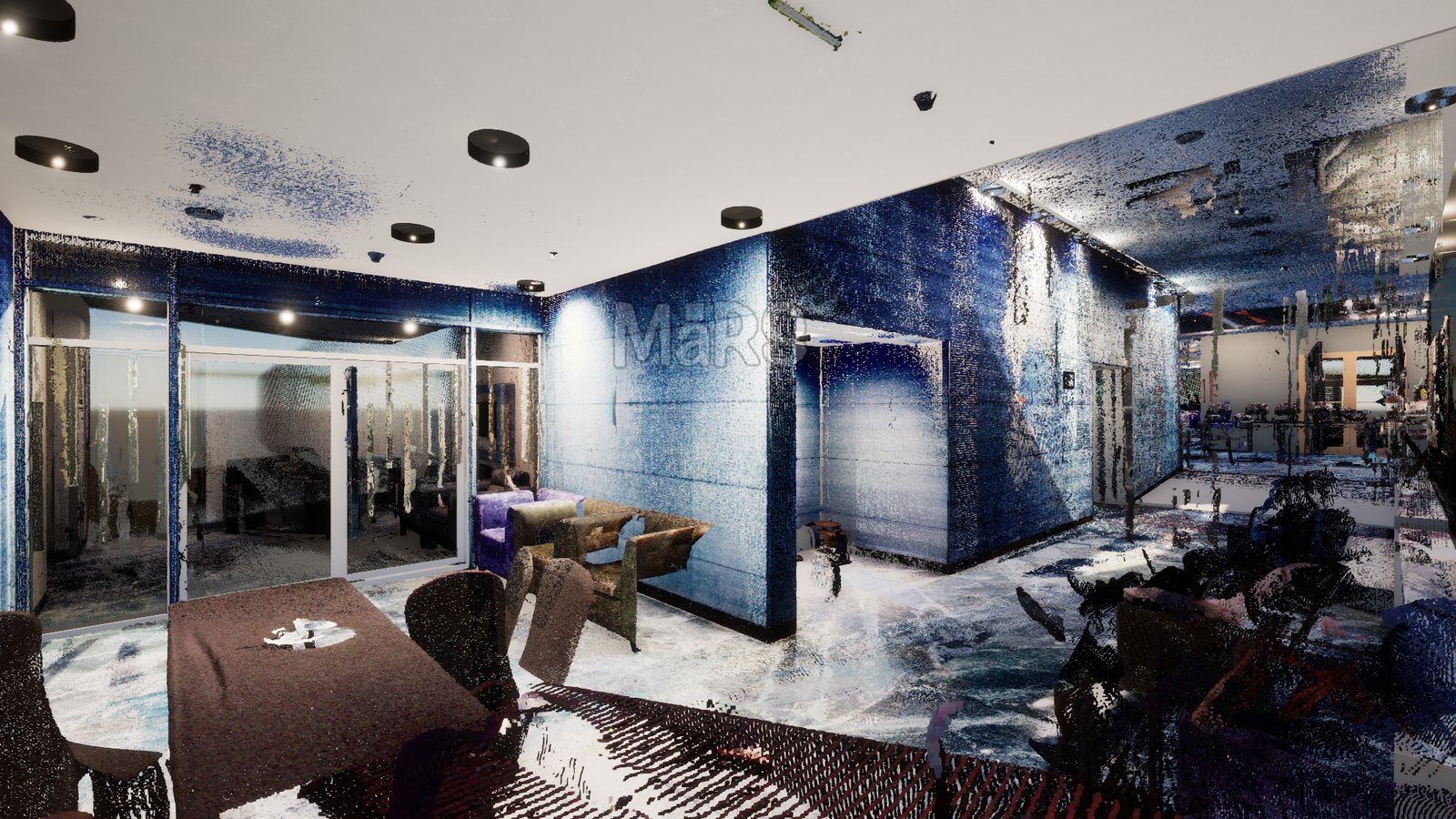
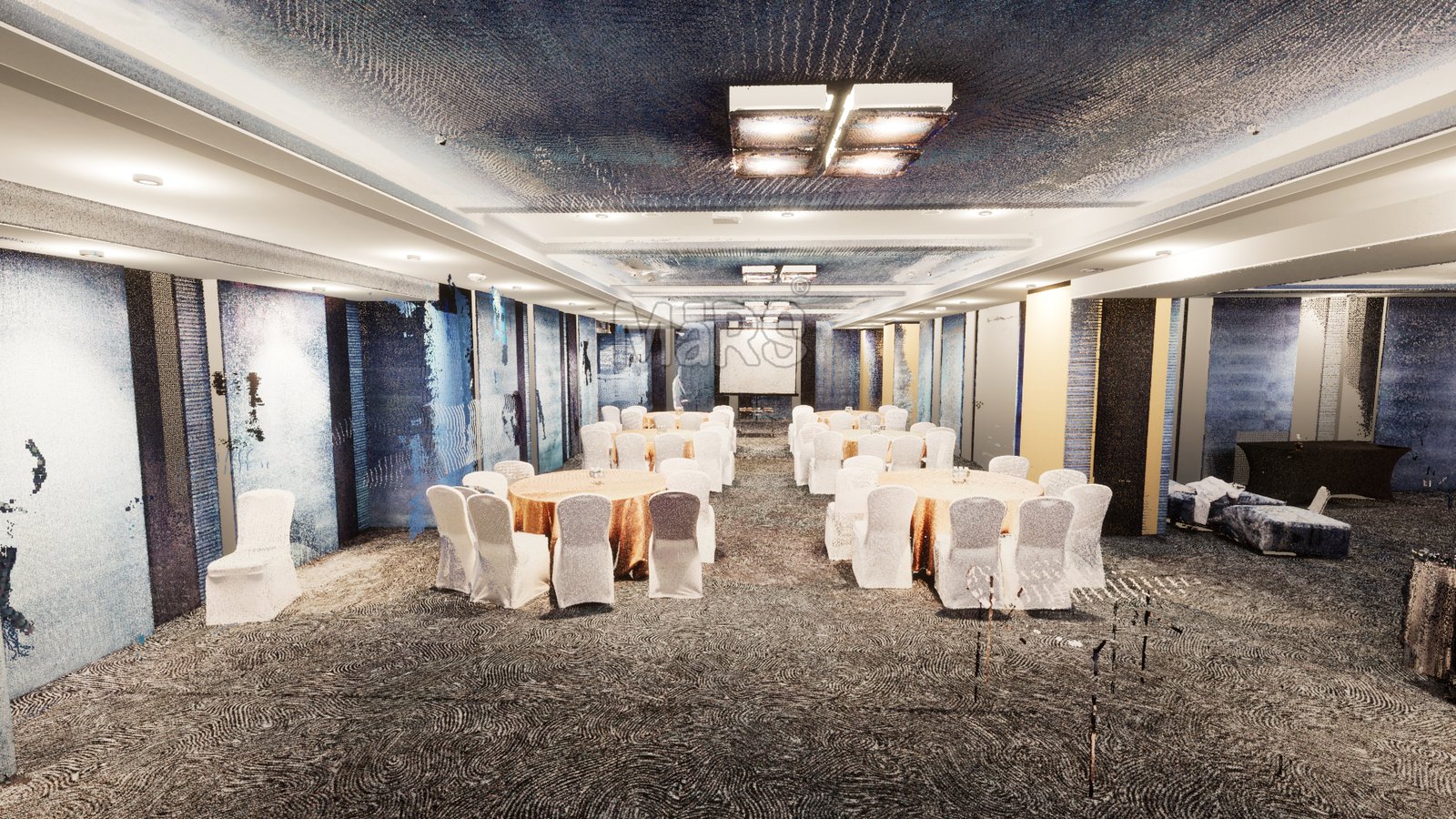
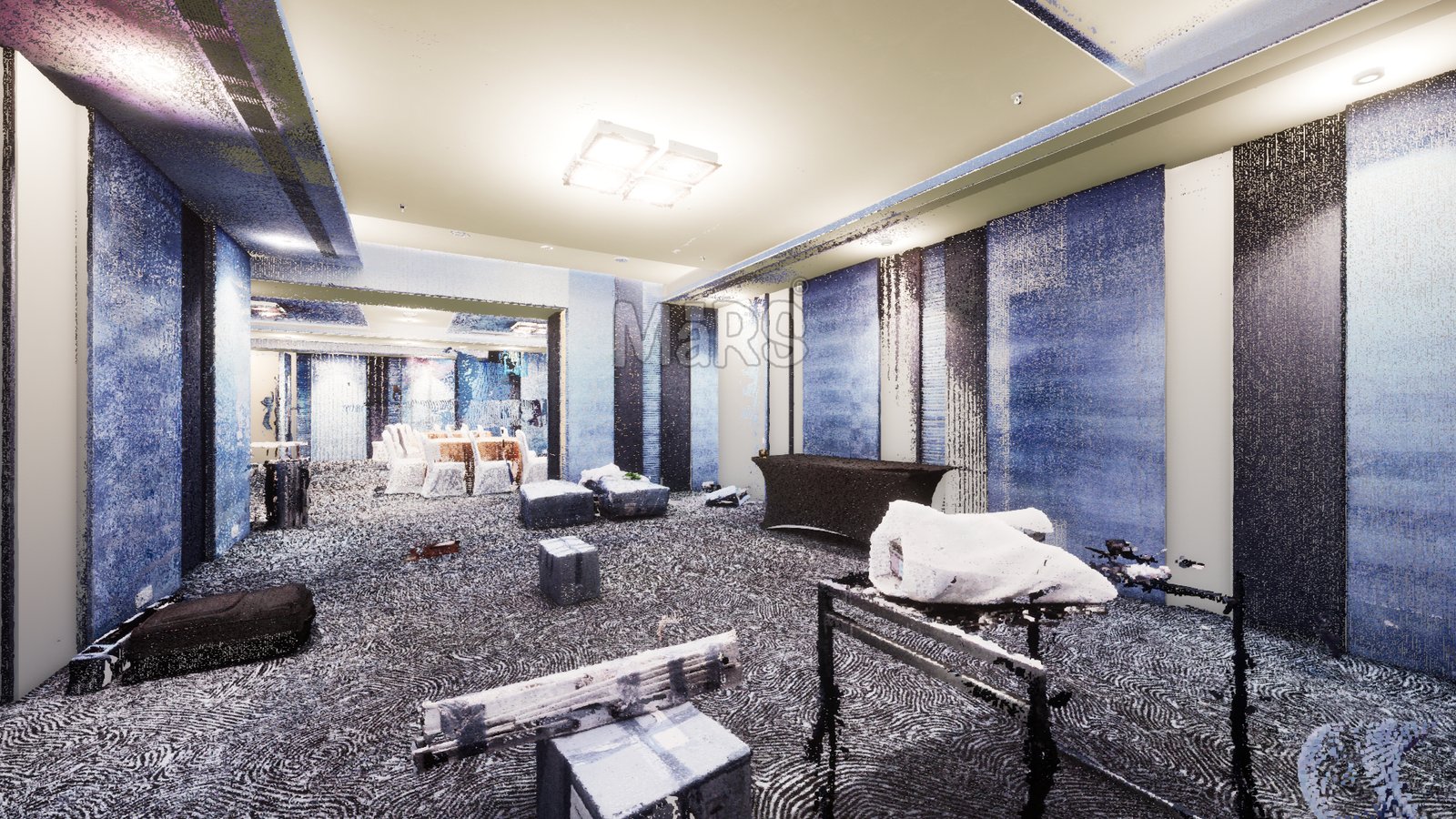
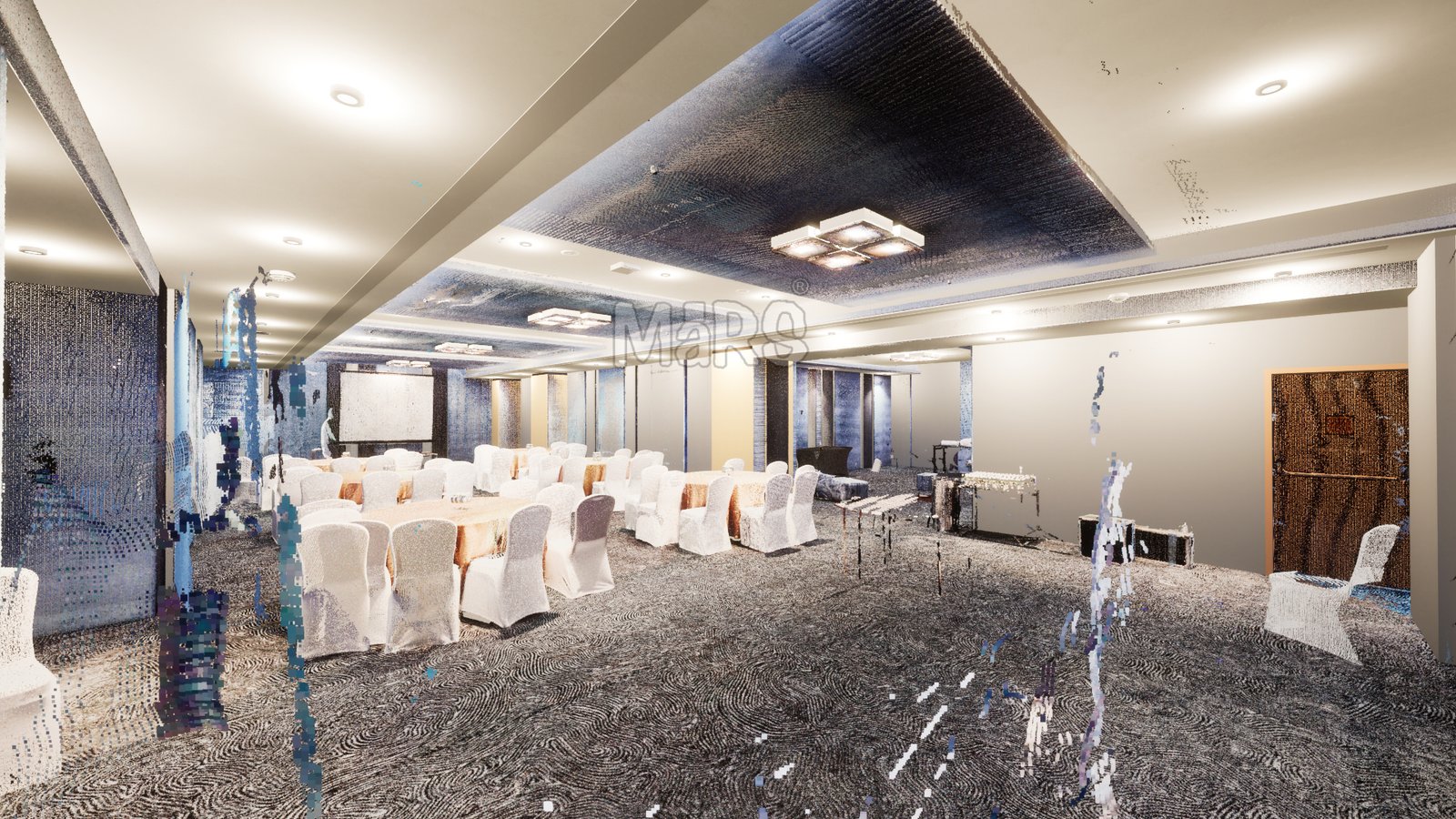
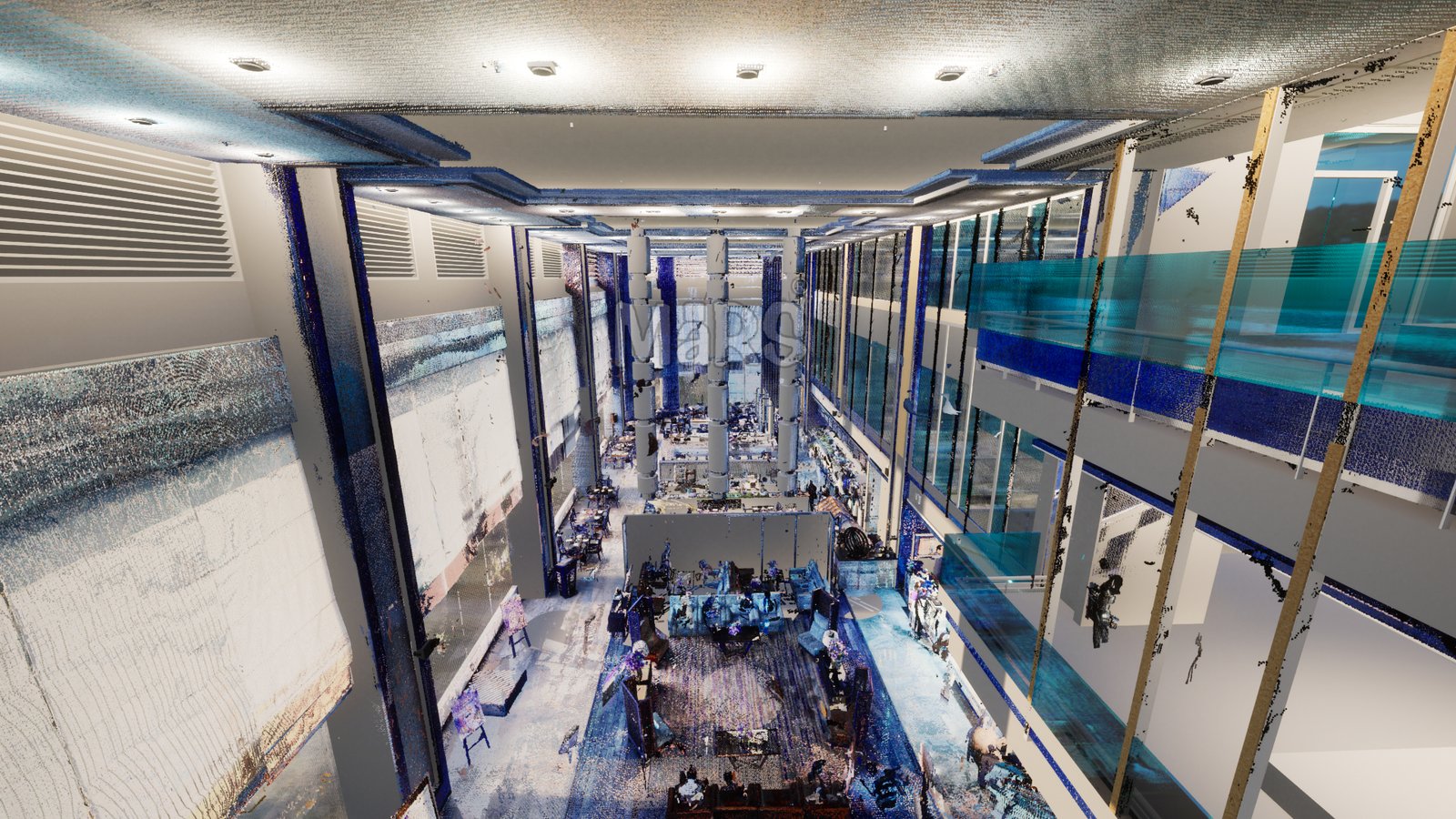
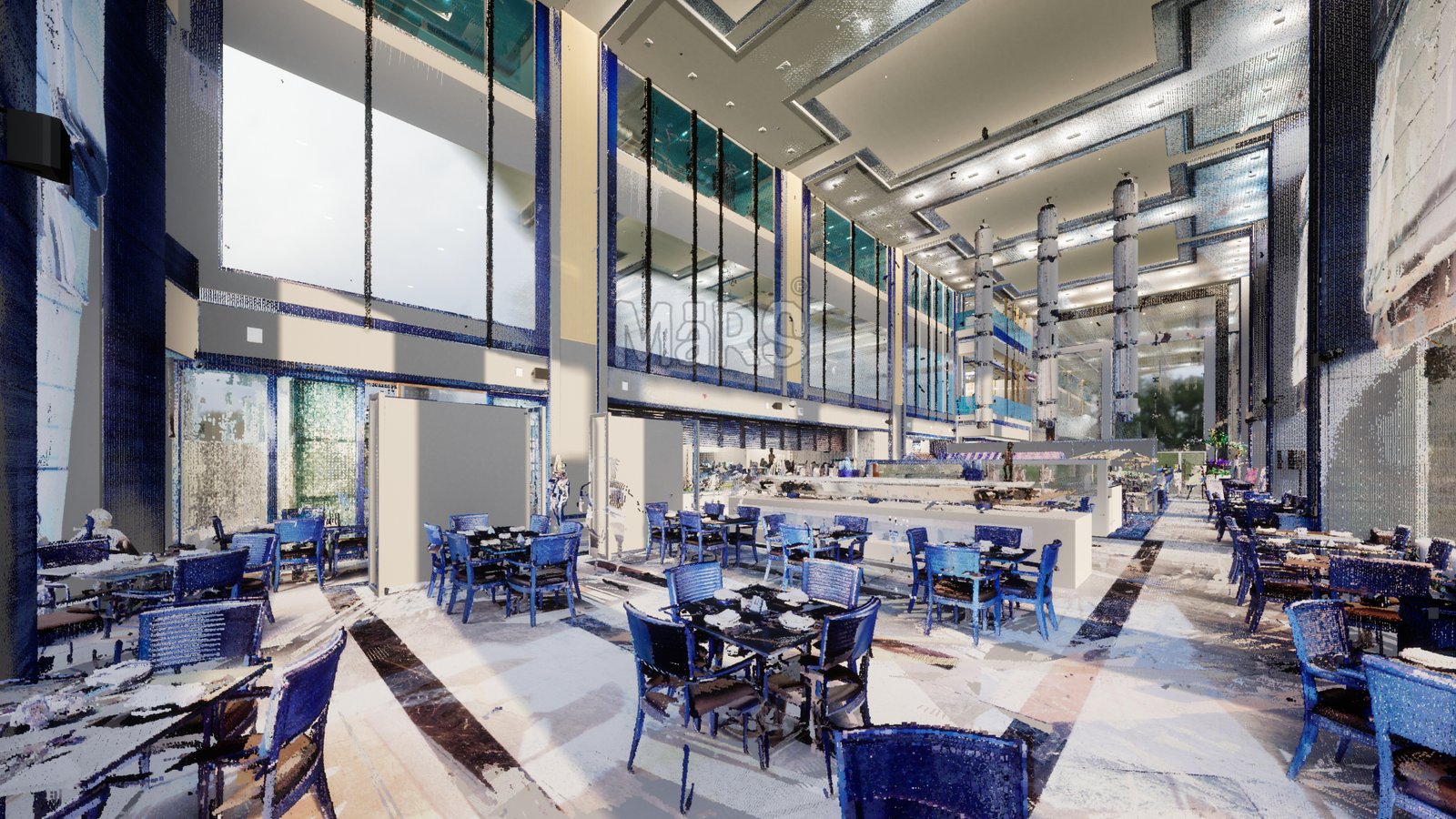
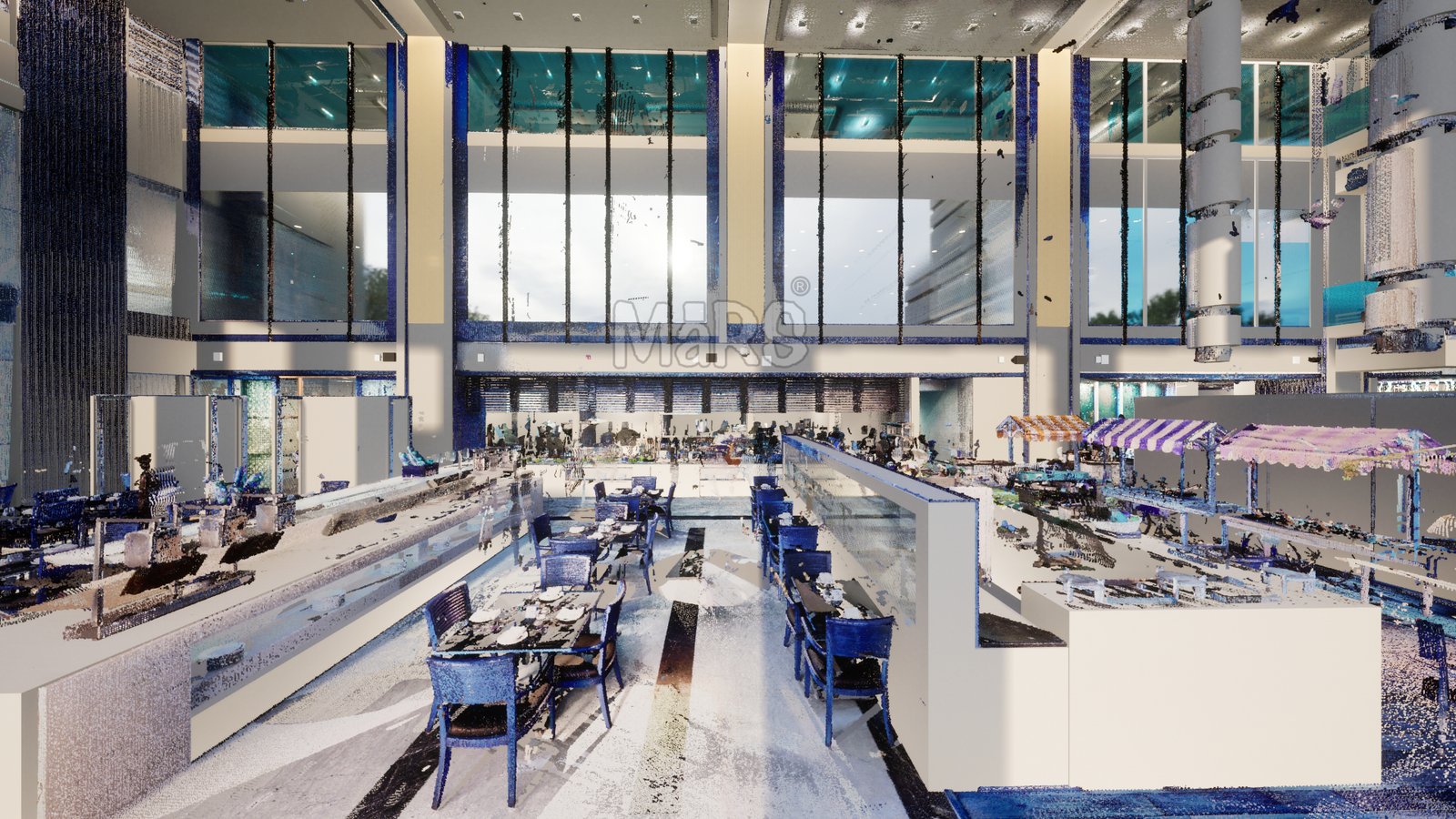
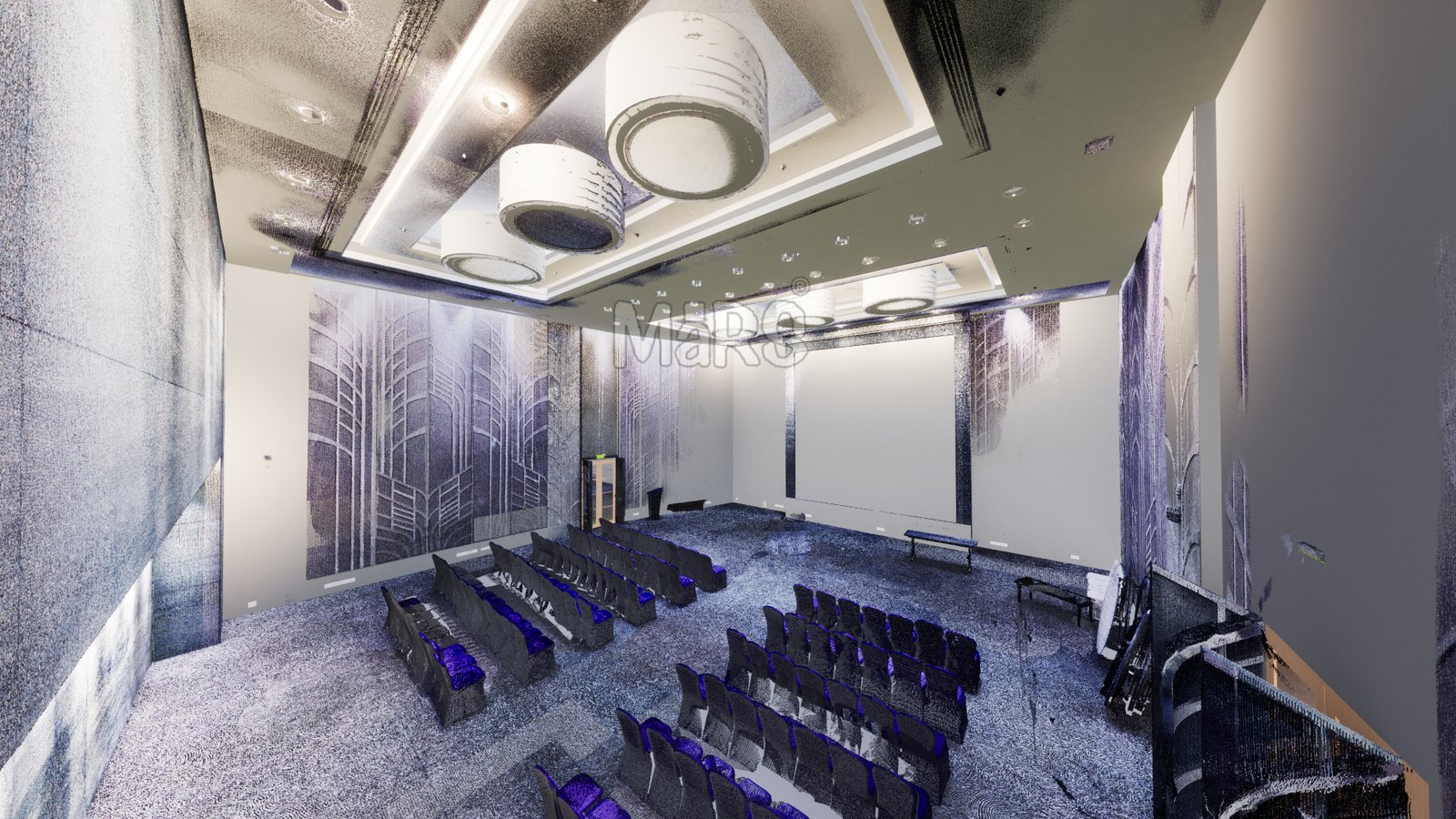
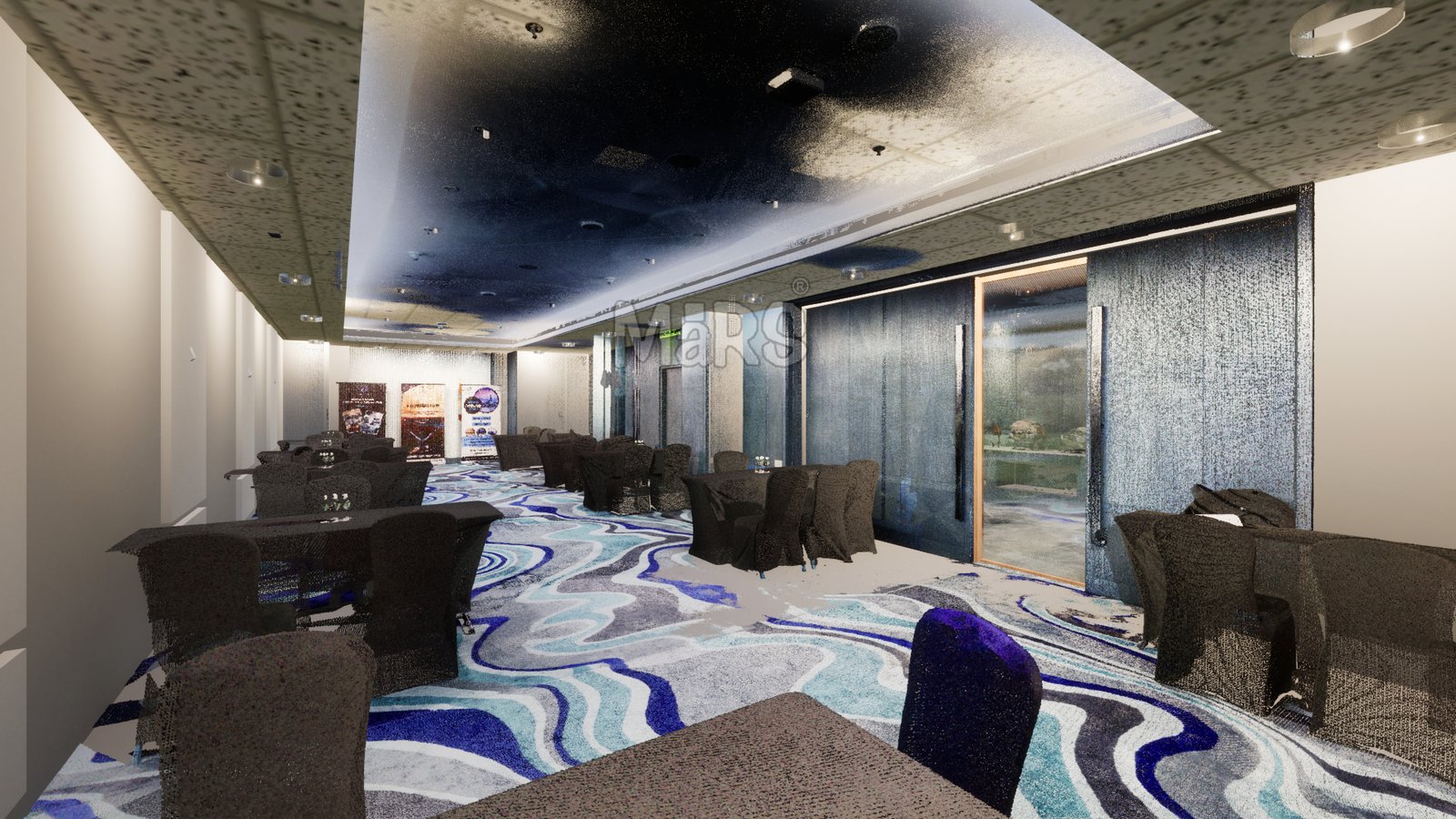
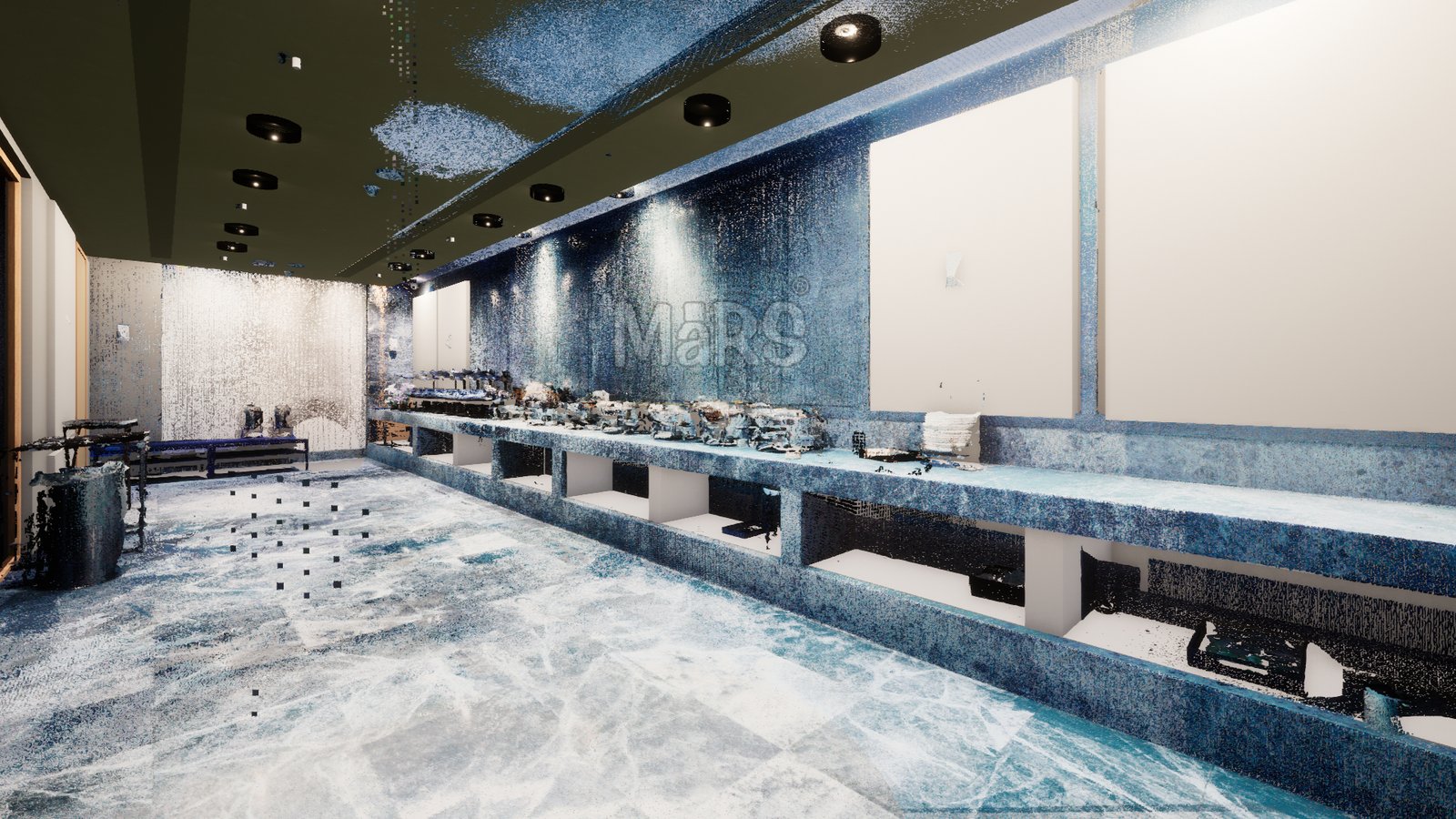
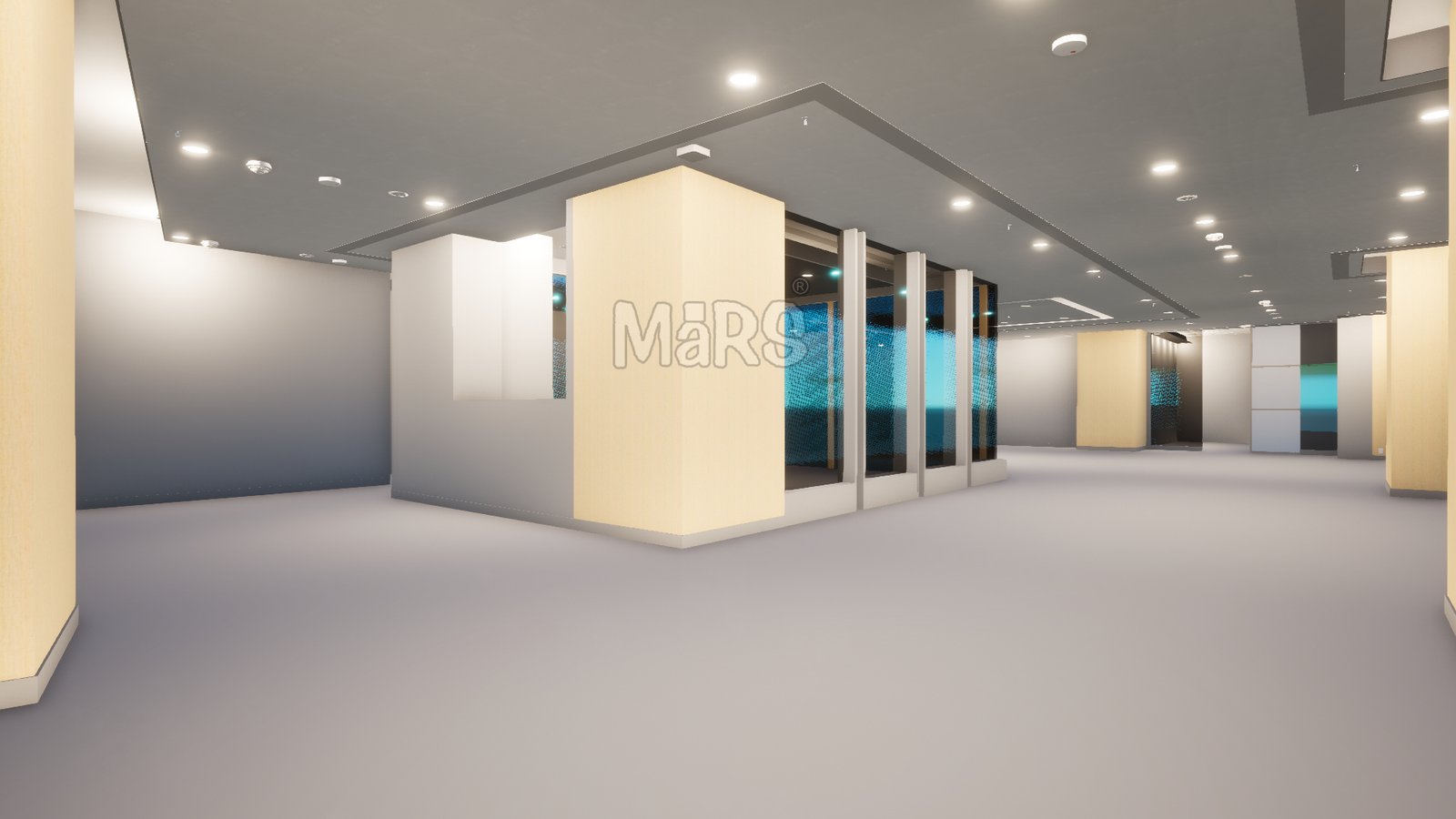
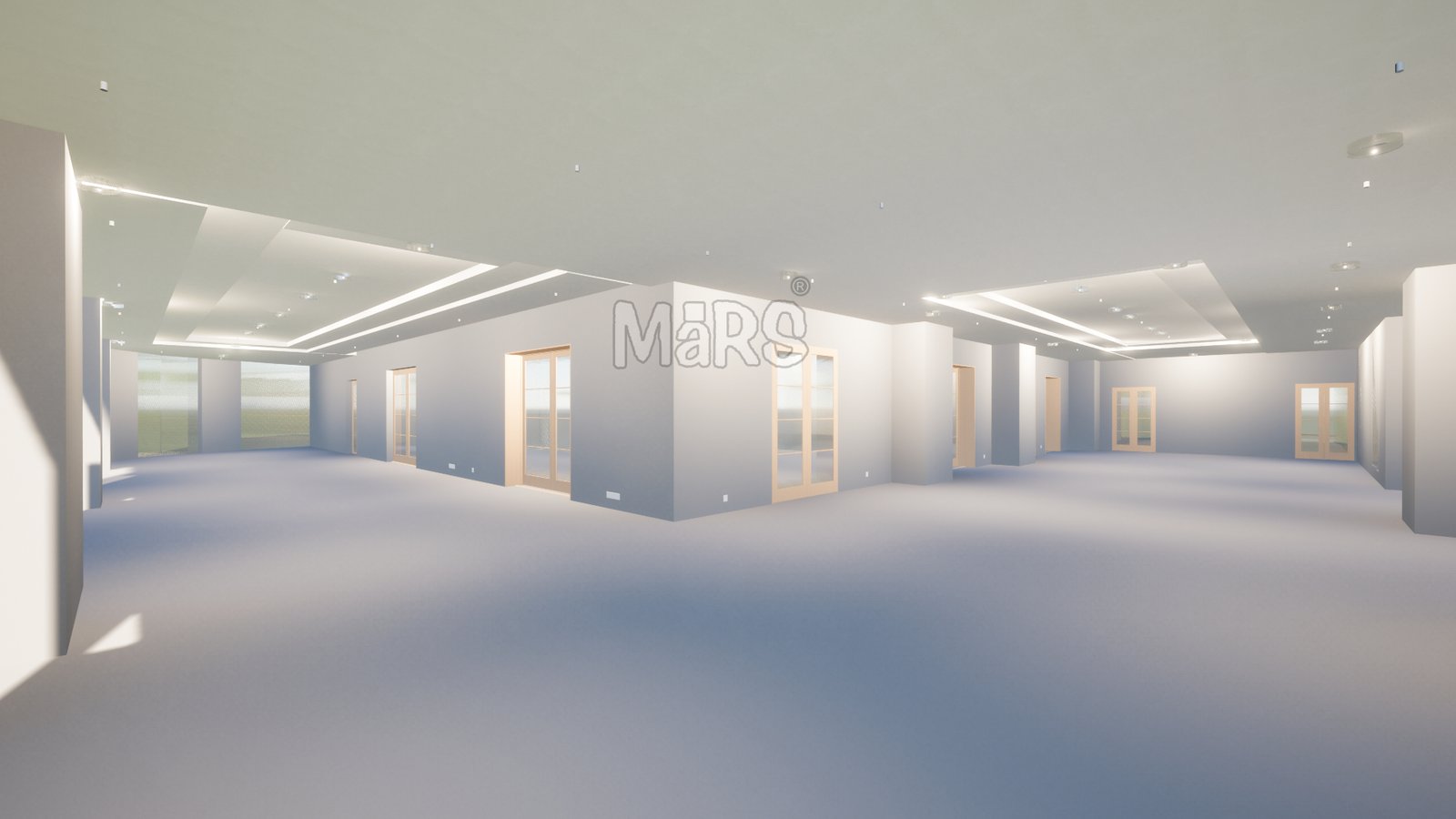
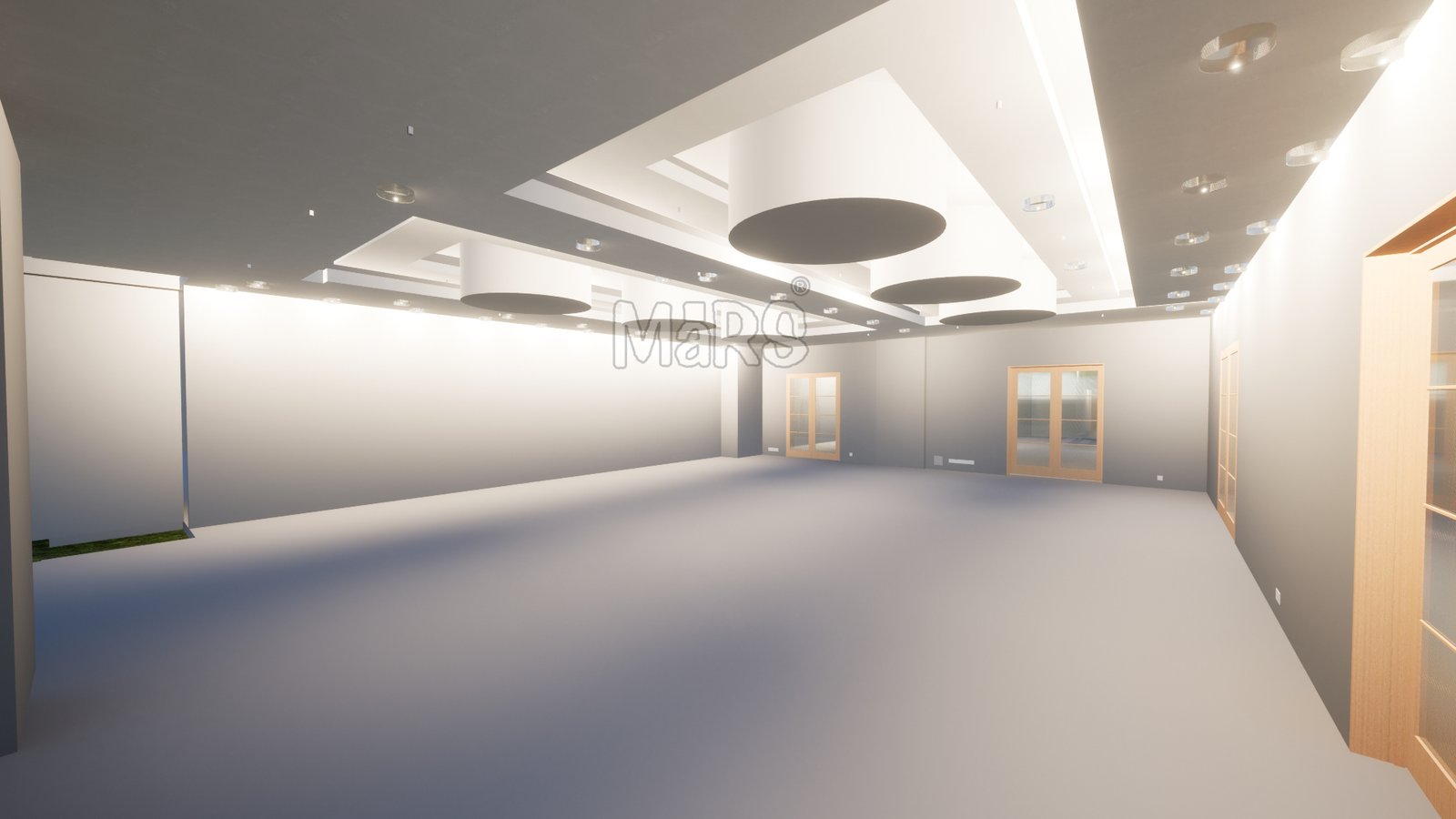
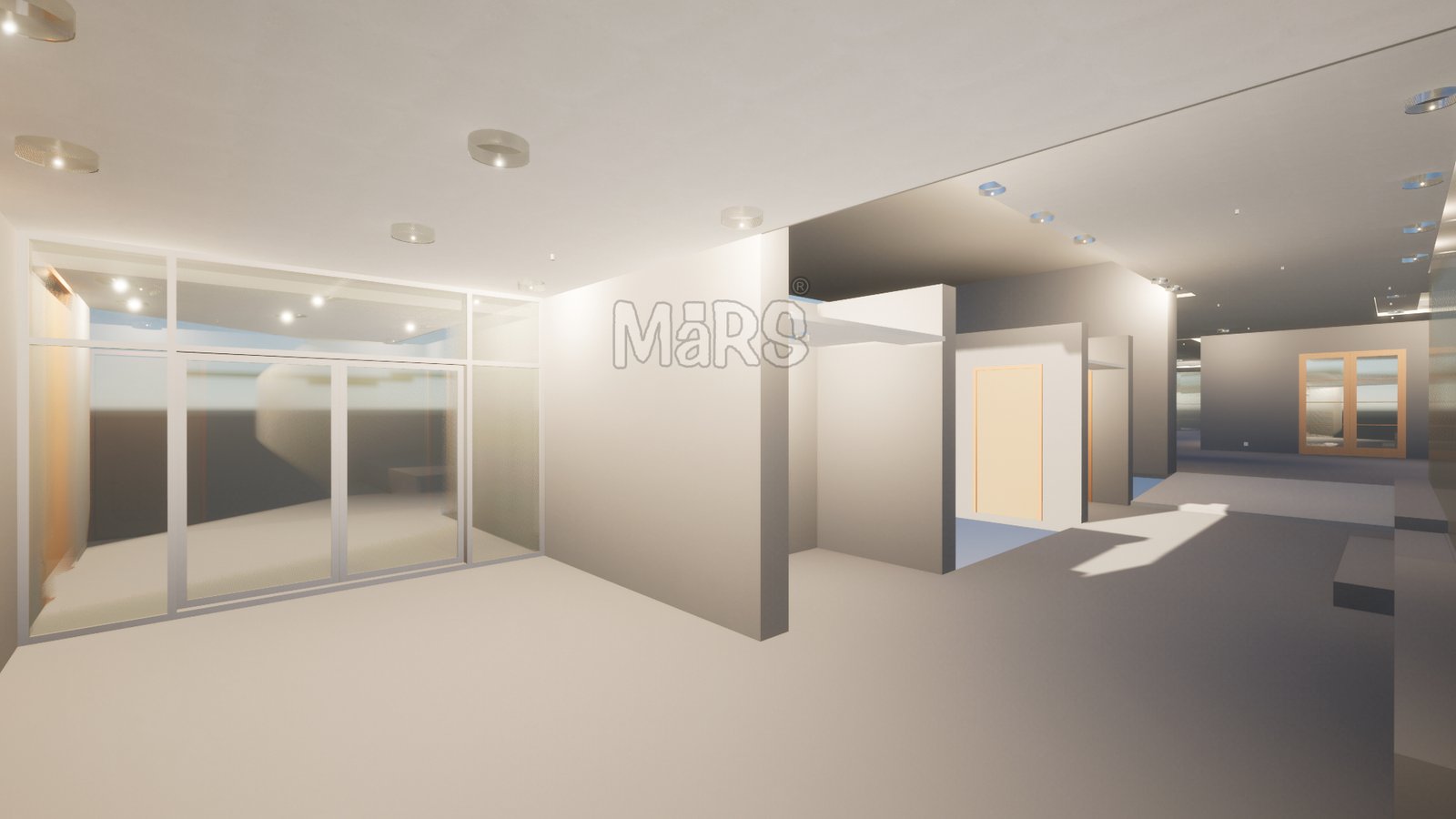
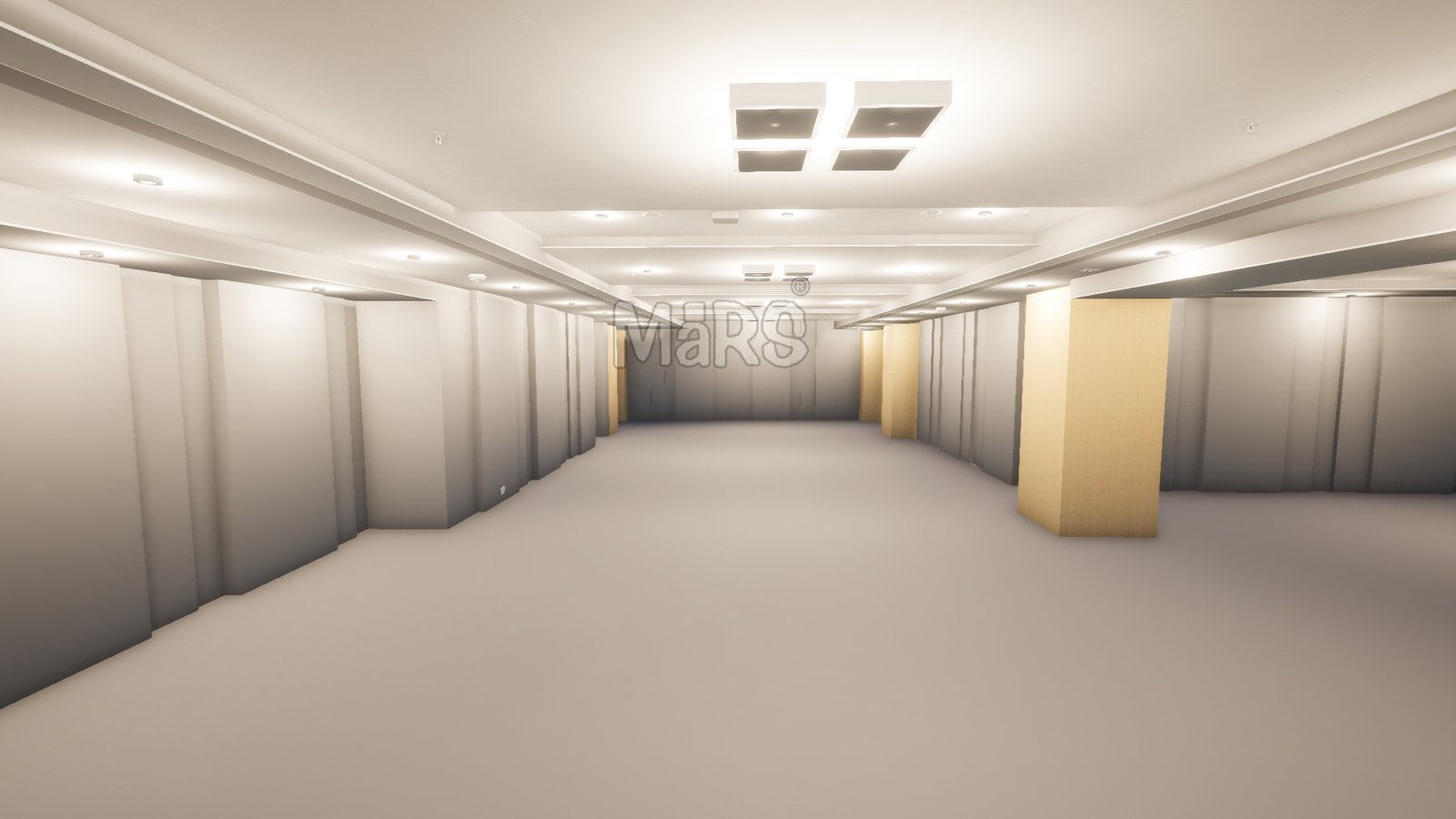
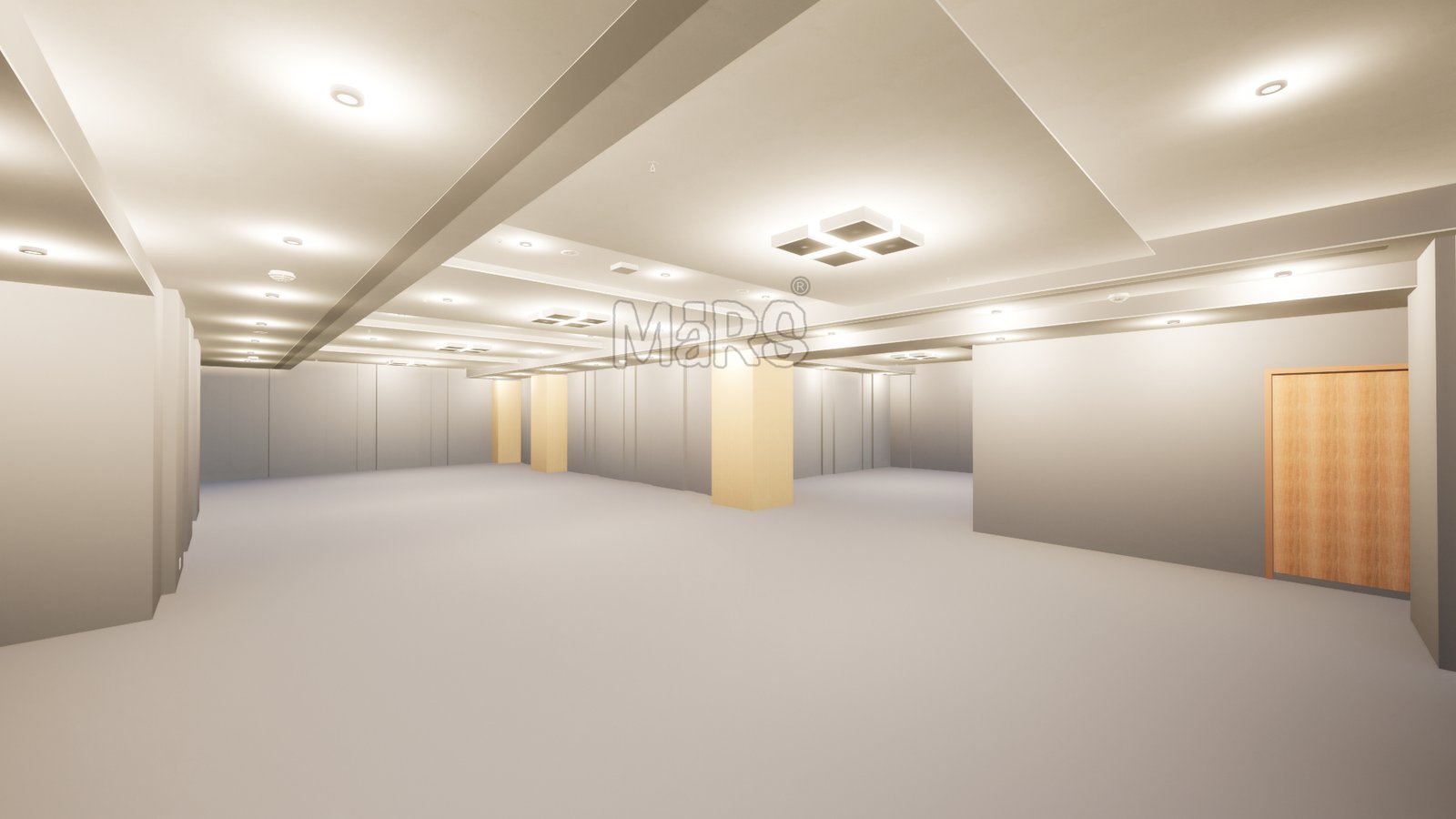
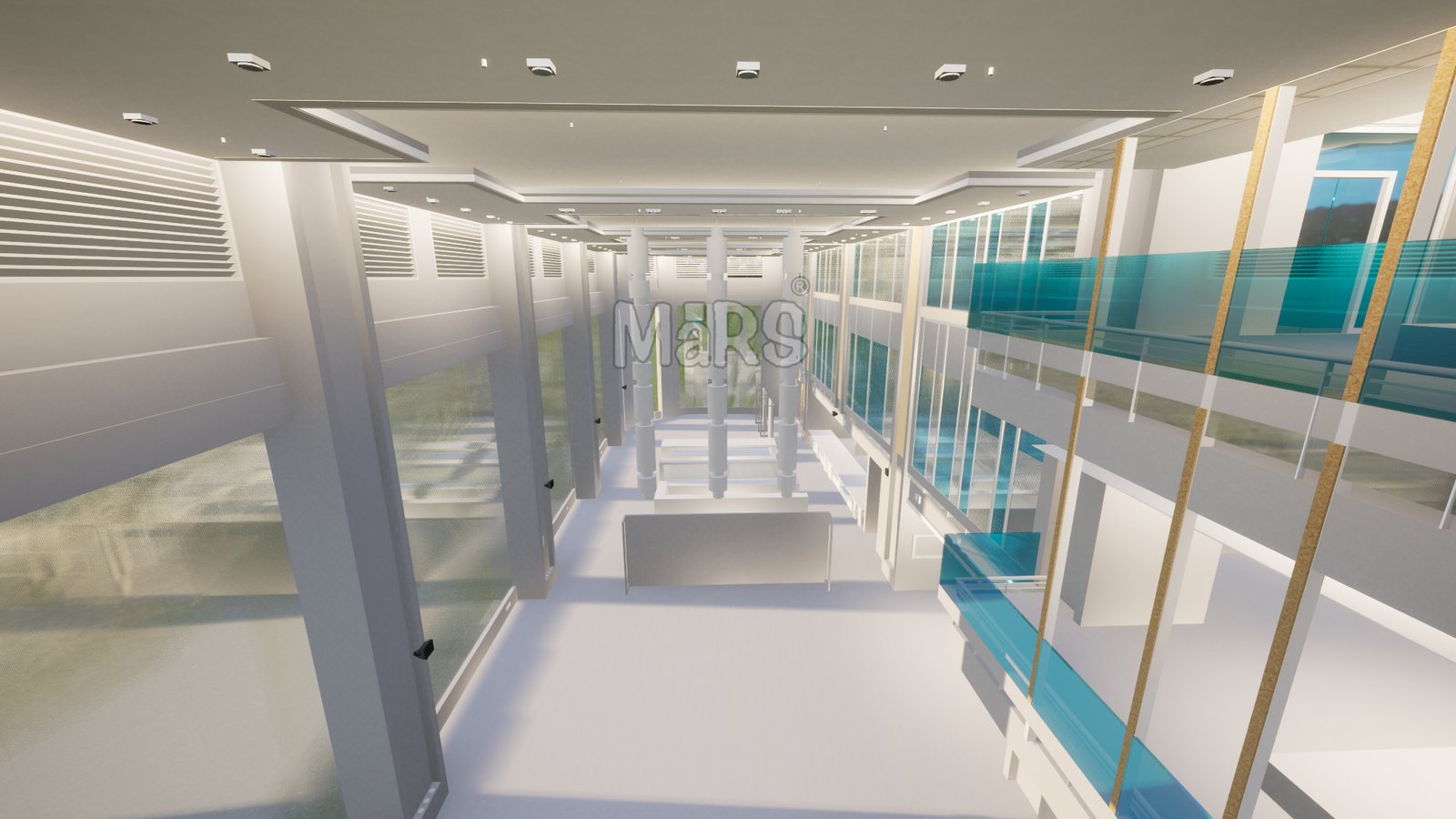
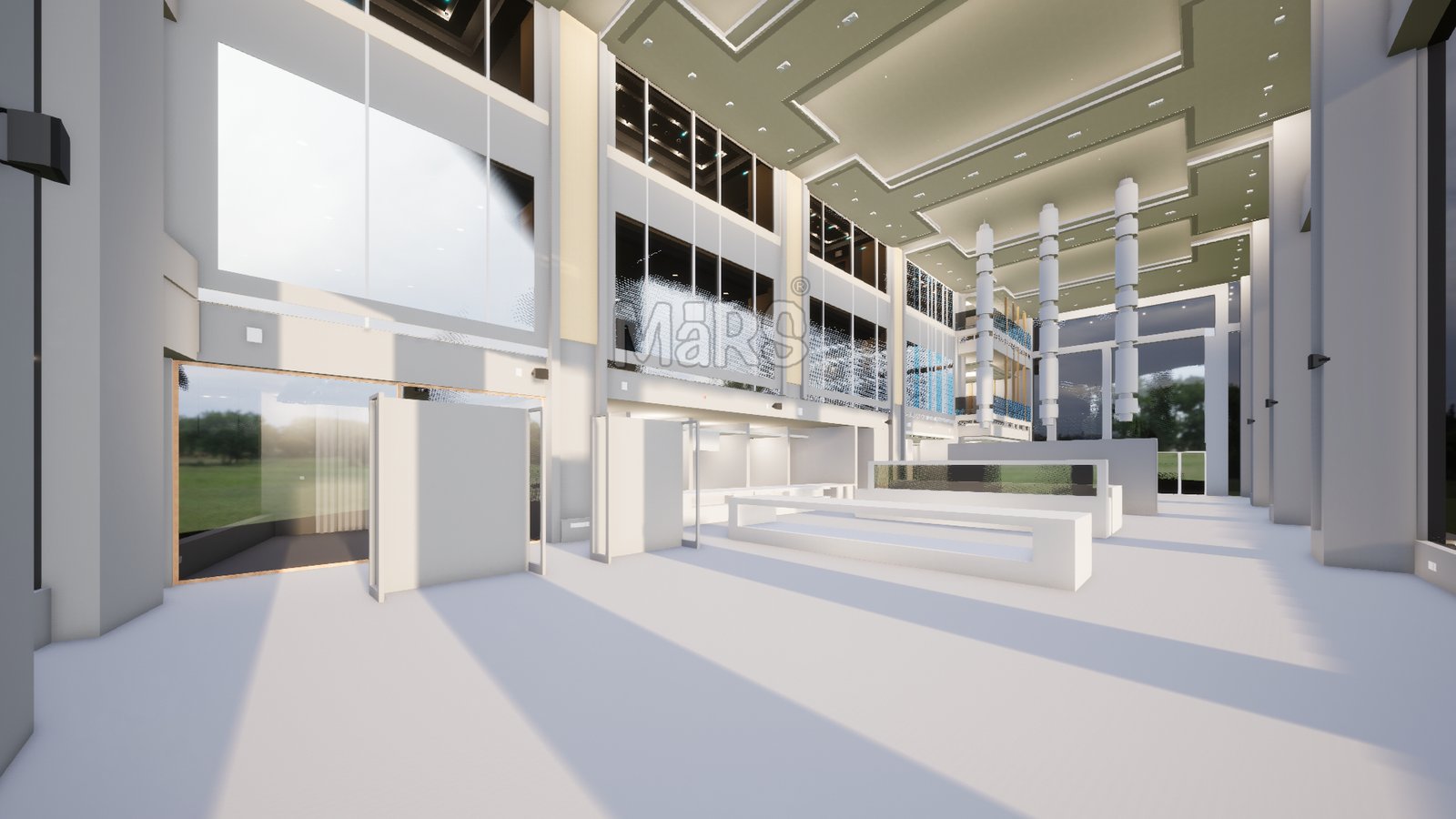
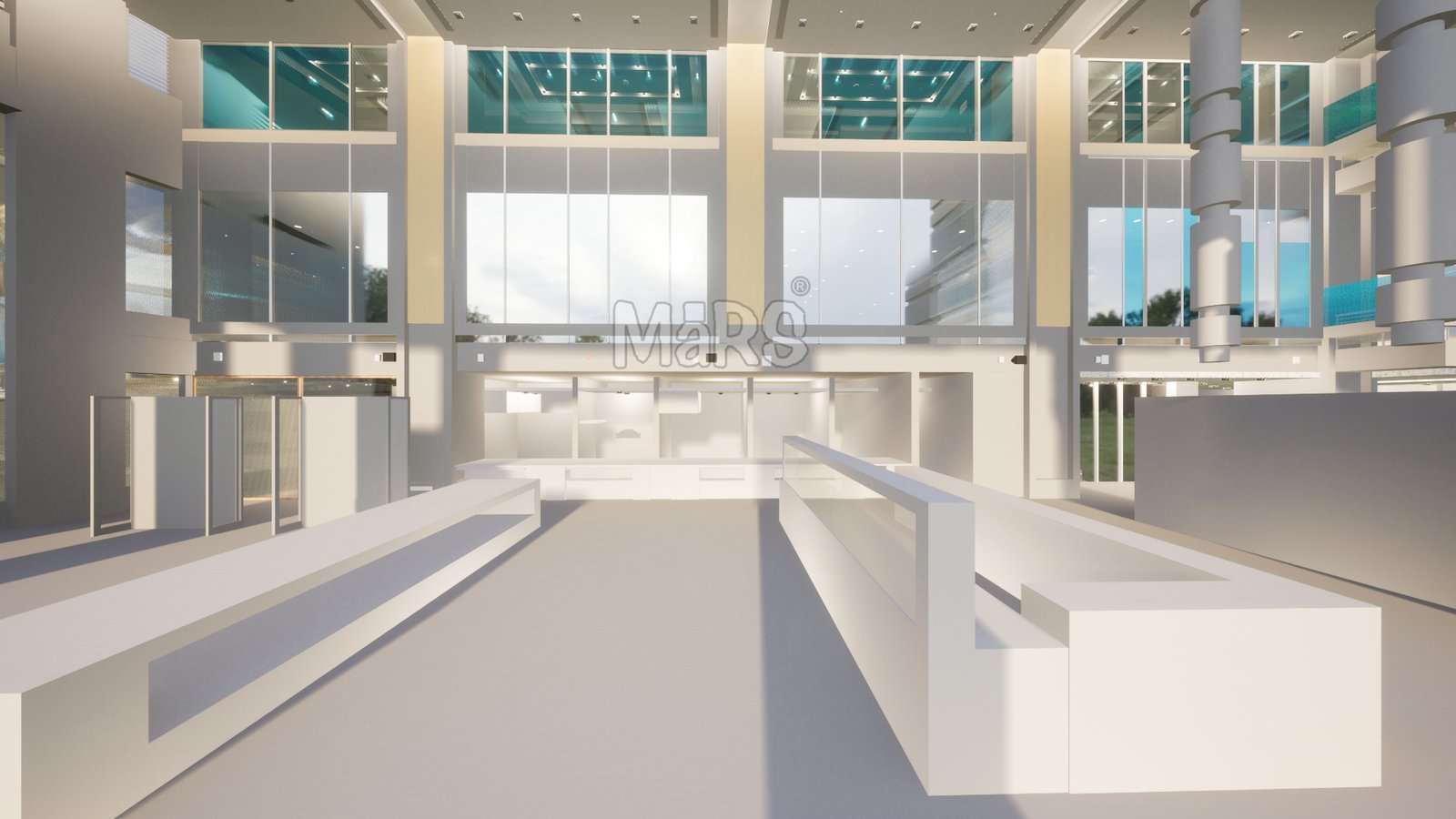
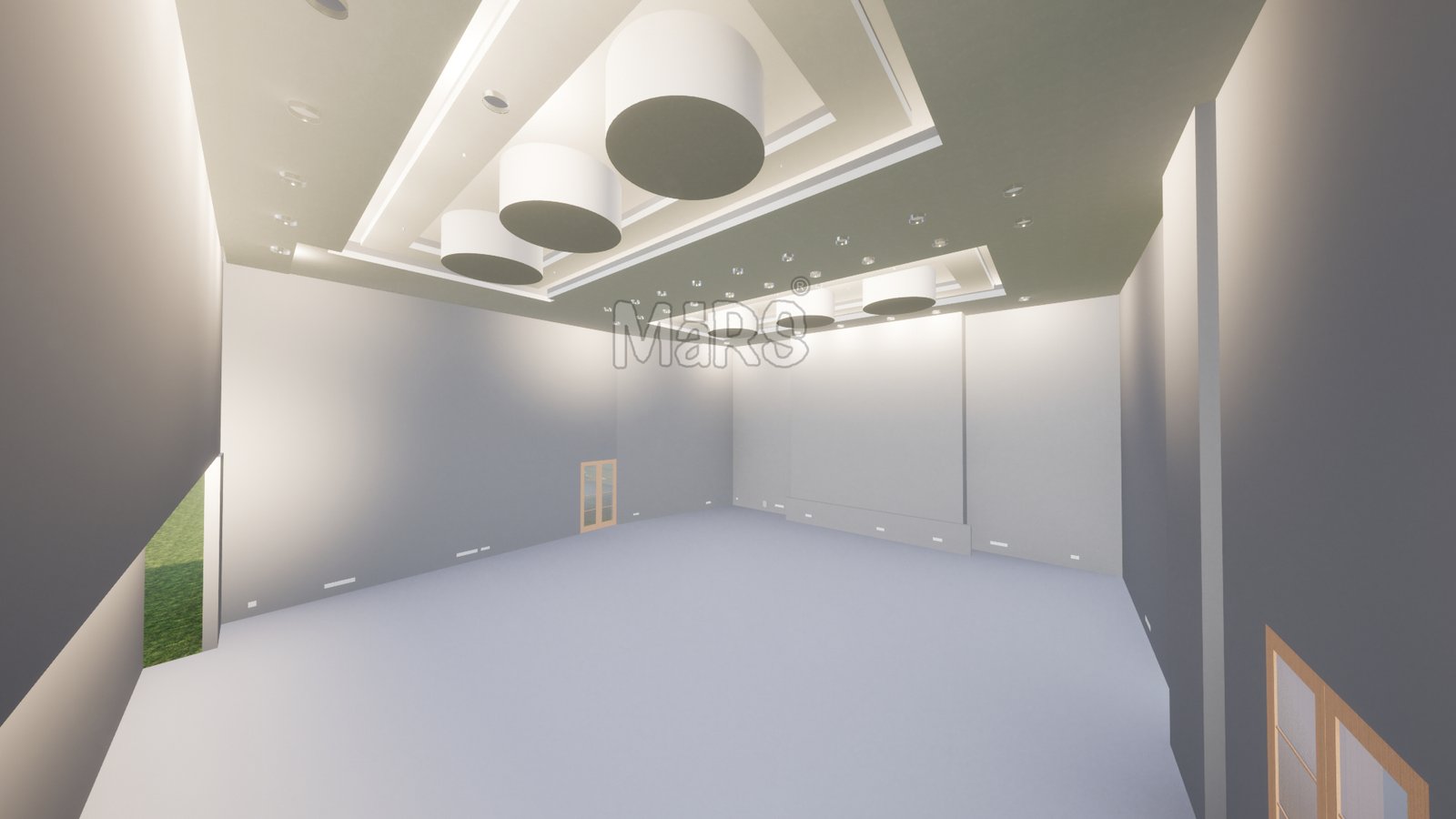
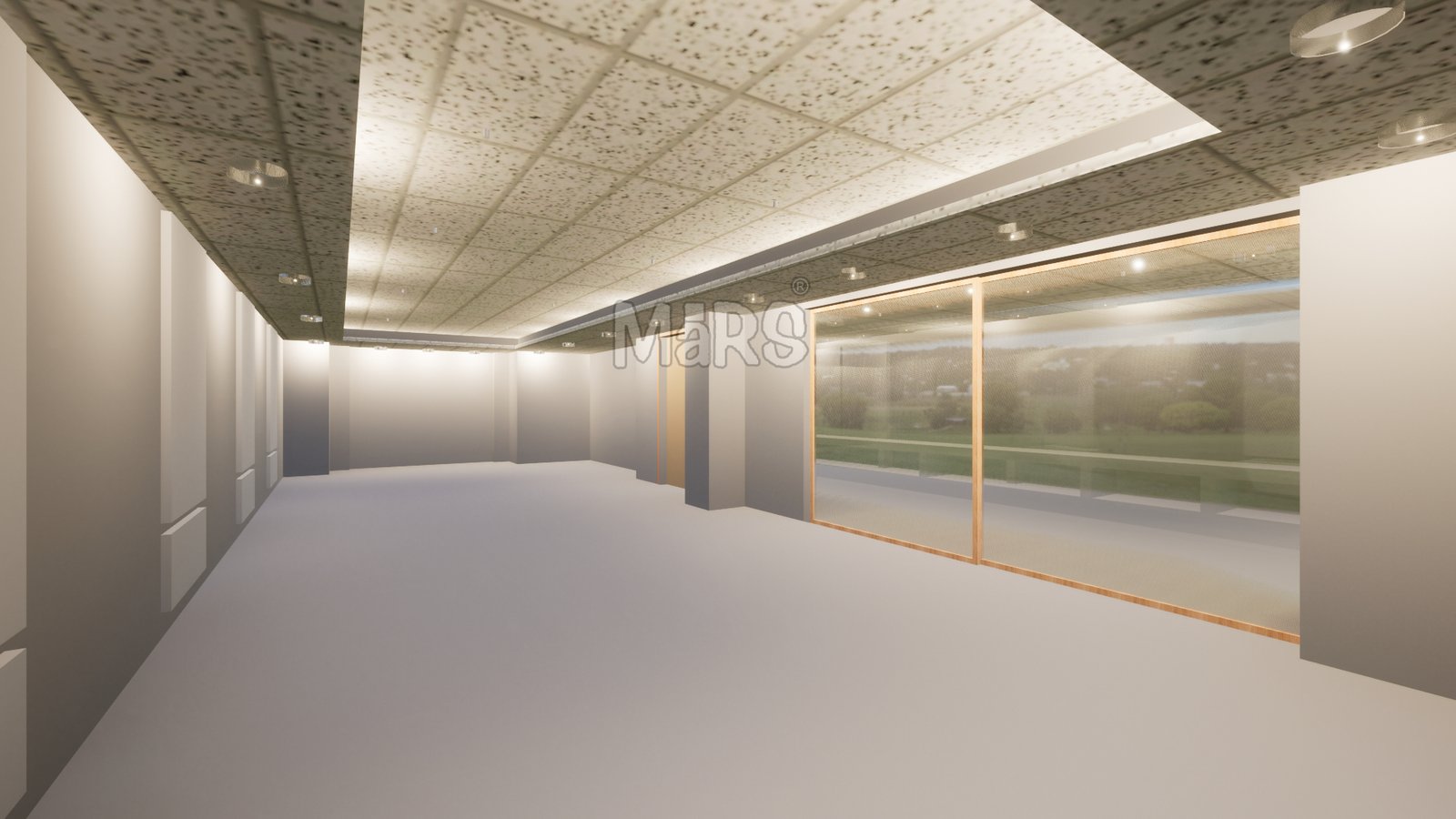
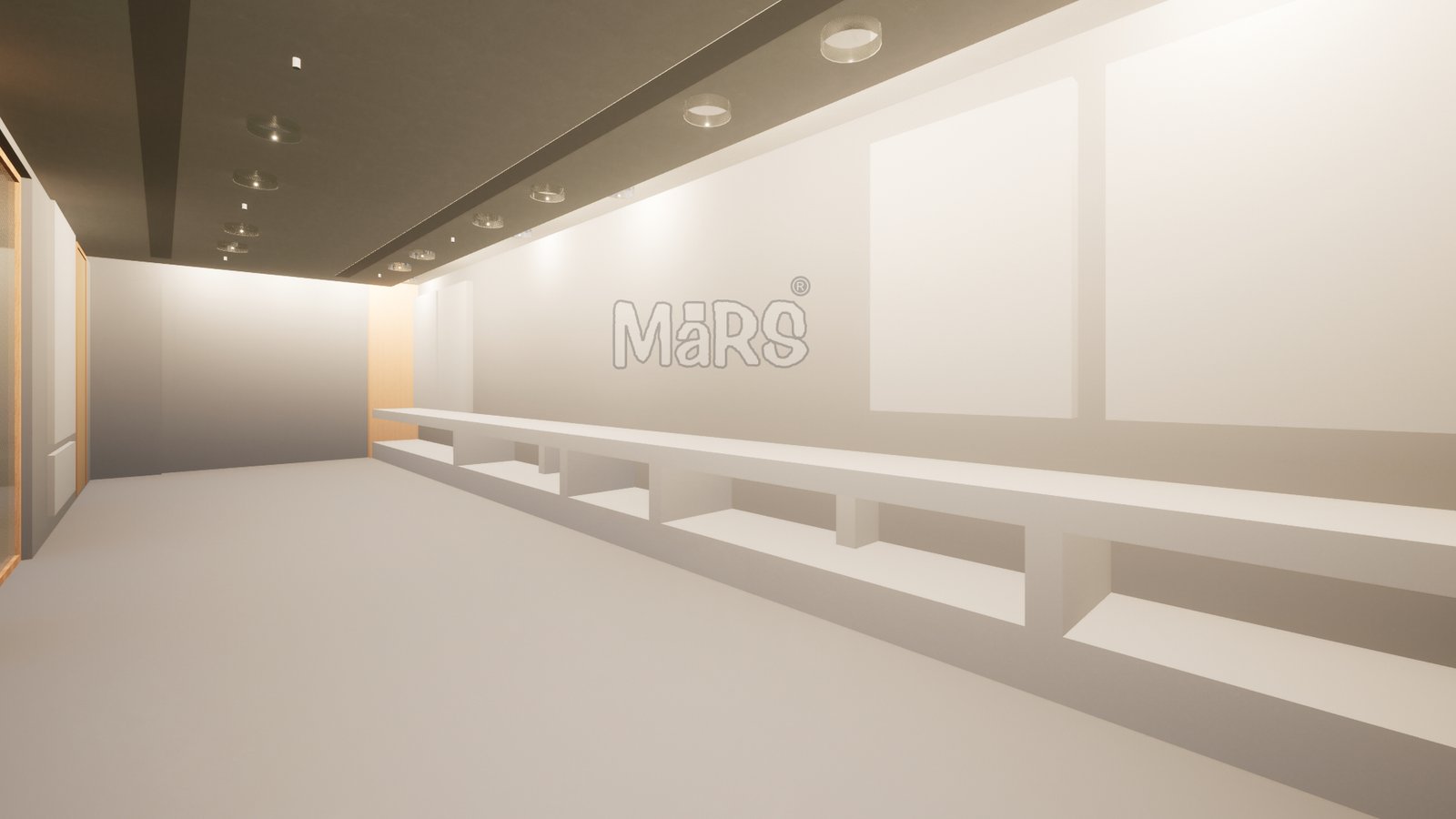
The Marriott Hotel project required an accurate as-built digital model to support renovation planning, coordination, and long-term facility management. Since design drawings for existing hotel buildings are often outdated or incomplete, the client needed a reliable, current representation of the building’s actual conditions before any renovation work could begin.
MaRS BIM Solutions delivered end-to-end Scan to BIM services for the project. Our team collected point cloud data from laser scans of the hotel property, processed and cleaned the data to remove noise and align it accurately, and developed a detailed Building Information Model at LOD 300. The result is a dependable as-built model that gives the client’s design, renovation, and facility management teams a single accurate source of truth for the building.
Why This Project Needed BIM?
01
Accurate As-Built Documentation
Existing hotel drawings rarely reflect real-world conditions after years of operation and minor modifications. A Scan to BIM model captured the true as-built geometry of the property, giving the renovation team a dependable foundation to design from.
02
Renovation Planning Confidence
Renovation decisions — from layout changes to MEP upgrades — depend on knowing exact existing conditions. The LOD 300 model gave planners precise dimensions, clearances, and spatial relationships to plan changes with confidence.
03
Multi-Team Coordination
Renovation projects involve architects, contractors, and facility teams working together. A shared, accurate BIM model became the common reference point that kept every stakeholder aligned throughout planning and execution.
04
Facility Management Readiness
Beyond renovation, hotels need reliable building data for ongoing operations and maintenance. The as-built BIM model gives the facility management team an accurate digital record to reference well after construction is complete.
05
Minimizing On-Site Rework
Working from outdated drawings often leads to costly surprises during construction. A verified point cloud-based model reduced the risk of field conflicts and rework by capturing existing conditions with high accuracy.
Scope of Work
Laser Scanning Data Collection (Point Cloud)
Point Cloud Data Processing, Cleaning & Registration
LOD 300 Architectural BIM Modeling
As-Built Model Development
Renovation Planning Support
Facility Management Documentation Support
Visual Highlights
Scan
BIM
Key Challenges
Capturing Complex Existing Conditions
Hotel buildings include a mix of guest rooms, corridors, lobbies, and back-of-house spaces, each with unique geometry and finishes. Accurately capturing all of these areas through laser scanning required careful planning of scan locations and coverage.
Point Cloud Data Volume and Alignment
Laser scans generate large volumes of point cloud data that must be cleaned and precisely registered together. Ensuring every scan aligned correctly was essential to producing a model that truly reflected the building's actual dimensions.
Translating Scan Data into a Usable Model
Raw point cloud data has no inherent design intent. Converting this data into a structured, LOD 300 Building Information Model required careful interpretation of walls, floors, ceilings, and architectural elements from the scan.
Supporting Multiple End Uses
The model needed to serve more than one purpose — renovation design, project coordination, and ongoing facility management. Balancing the right level of detail to support all three uses without over- or under-modeling was a key consideration.
Our Project Execution Strategy
Comprehensive Laser Scanning
The hotel property was scanned using laser scanning equipment to capture accurate point cloud data across all relevant areas, ensuring complete coverage of existing conditions.
Point Cloud Cleanup and Registration
Collected scan data was processed to remove noise, artifacts, and outliers, then aligned and registered into a single unified point cloud representing the entire building accurately.
LOD 300 BIM Development
Using the processed point cloud as a reference, our team built a detailed Building Information Model at LOD 300, capturing walls, floors, ceilings, and key architectural elements with accurate dimensions.
As-Built Model Delivery
The final BIM model was delivered as a reliable as-built digital reference, ready to support renovation design, project coordination, and facility management workflows going forward.
Get In Touch
Let’s Talk About Your Next Project
Share your drawings and project scope. We will review and send a proposal within 24 hours.