
2000 W University Ave, Muncie, Indiana 47306

Ball State University

Project Type

Educational / Institutional

Sector

University Building

Location

Muncie, Indiana

LOD

LOD 400

Year Completed

2021

Project Overview

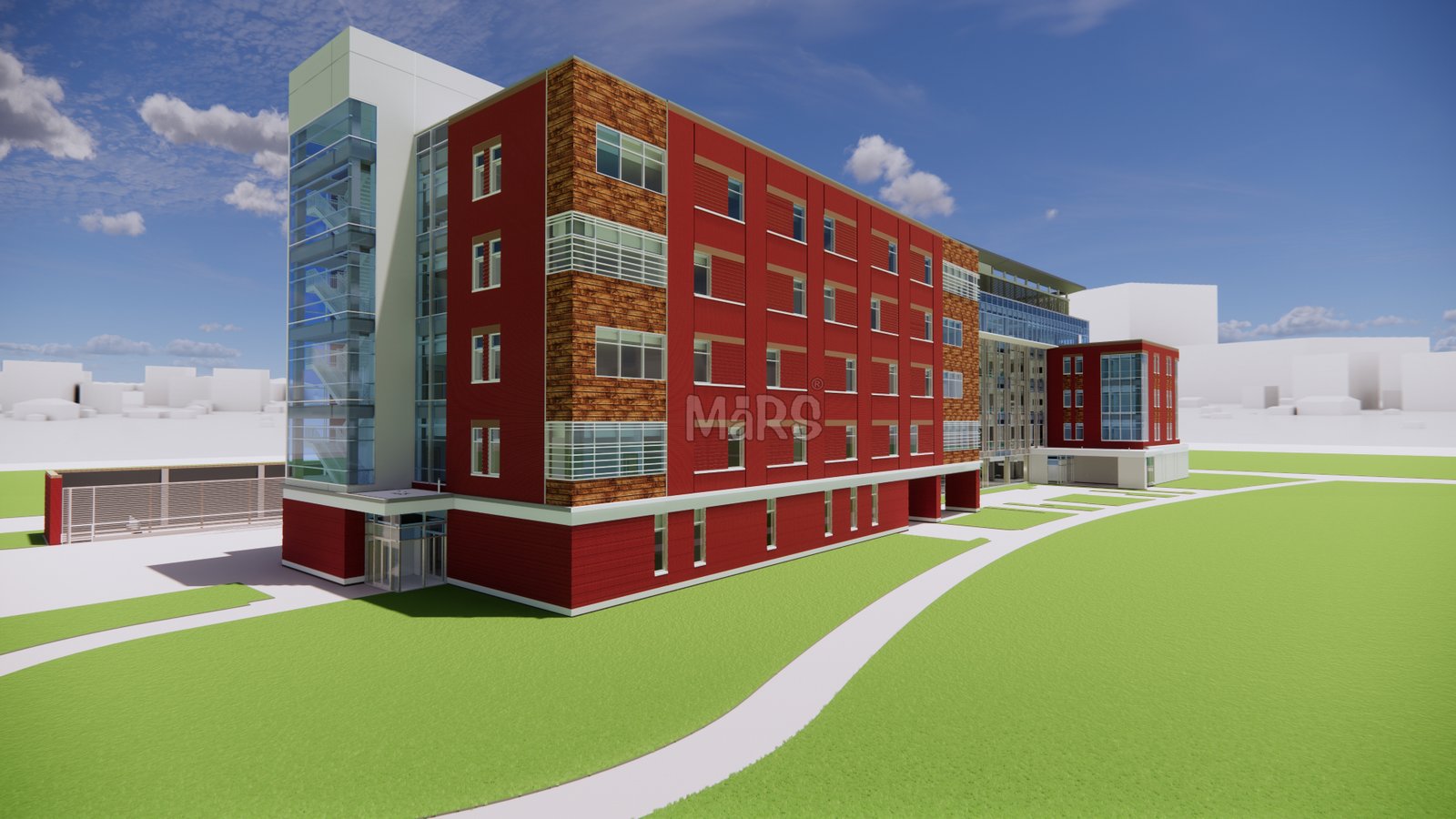
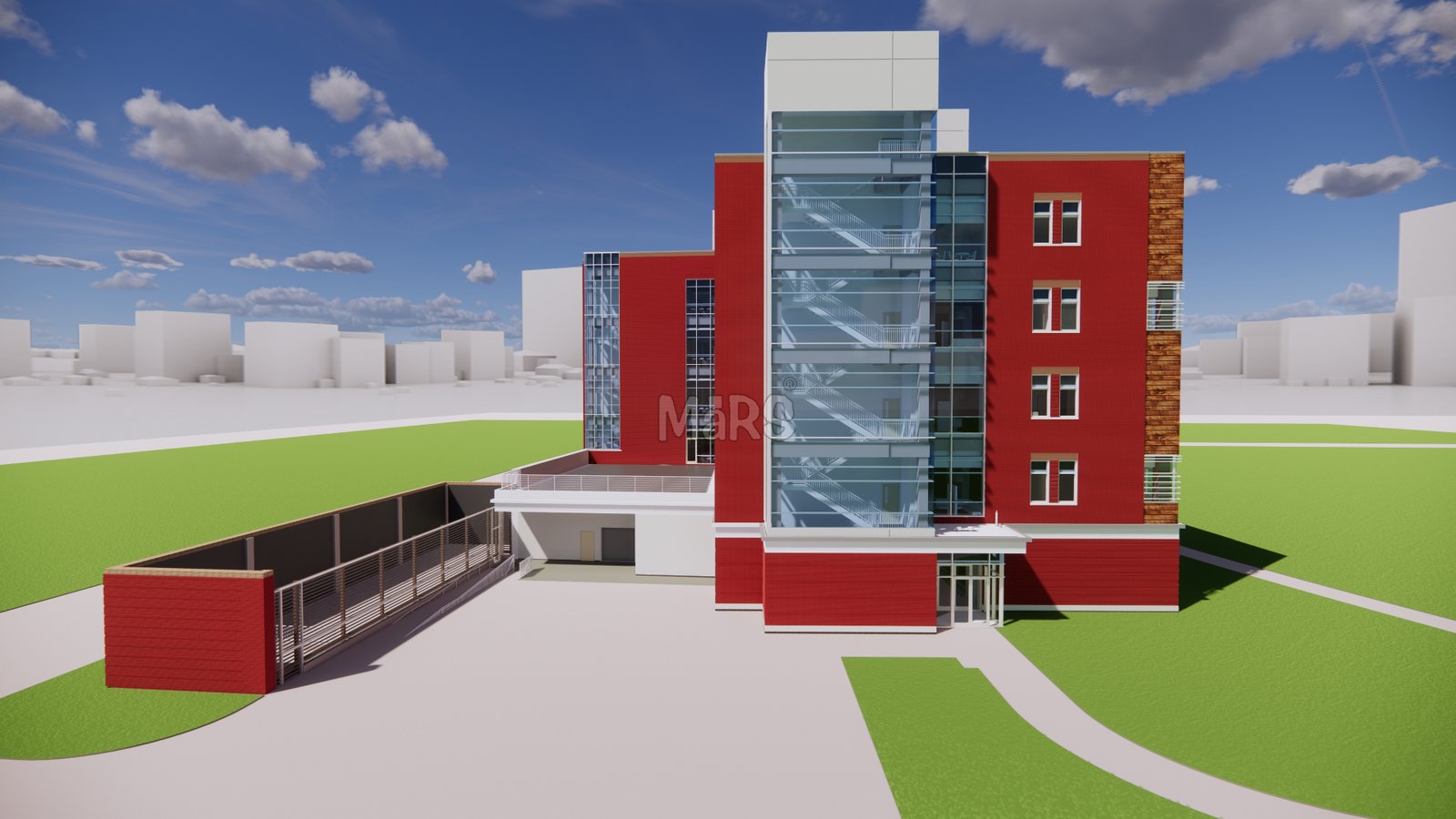
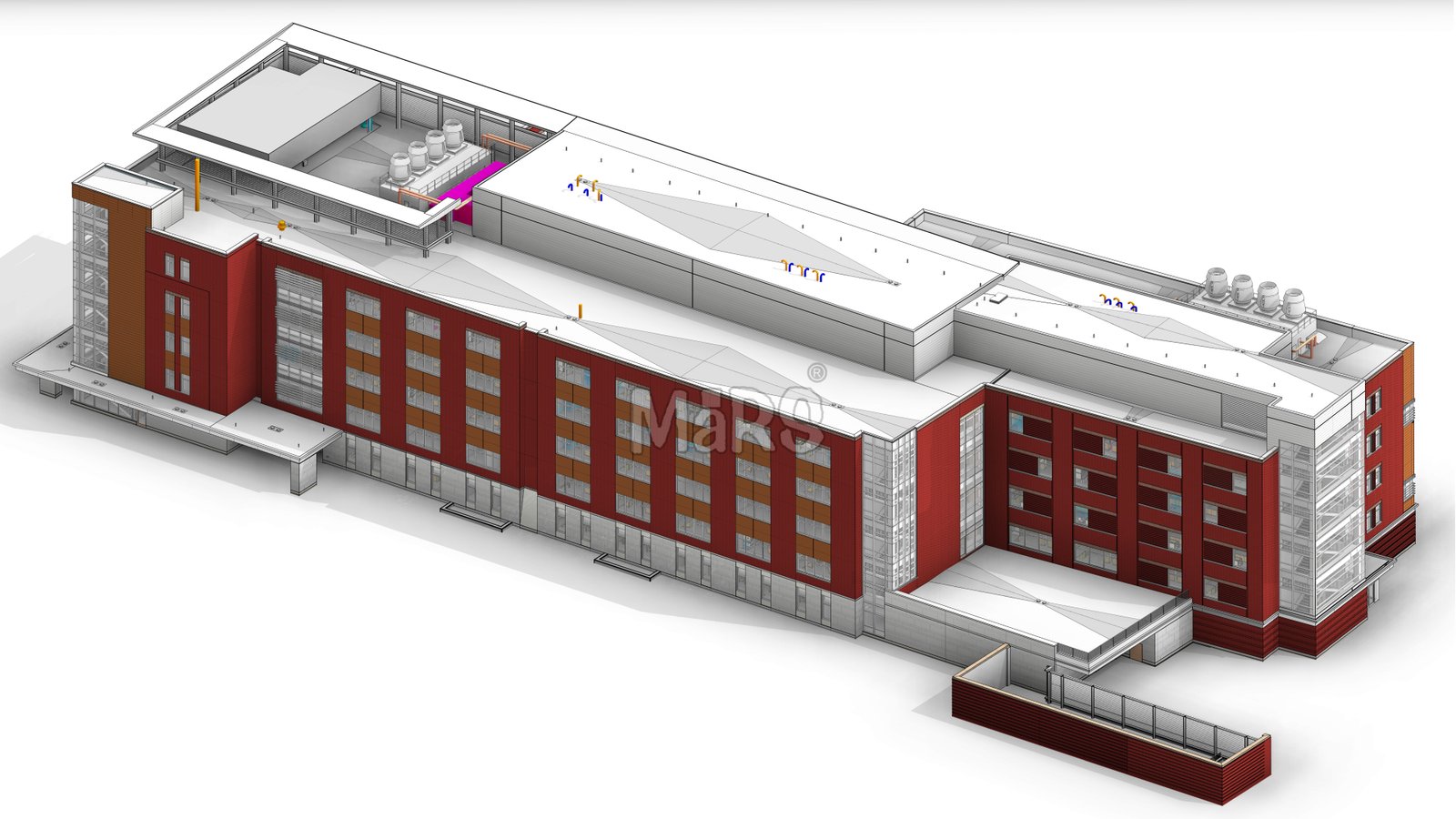
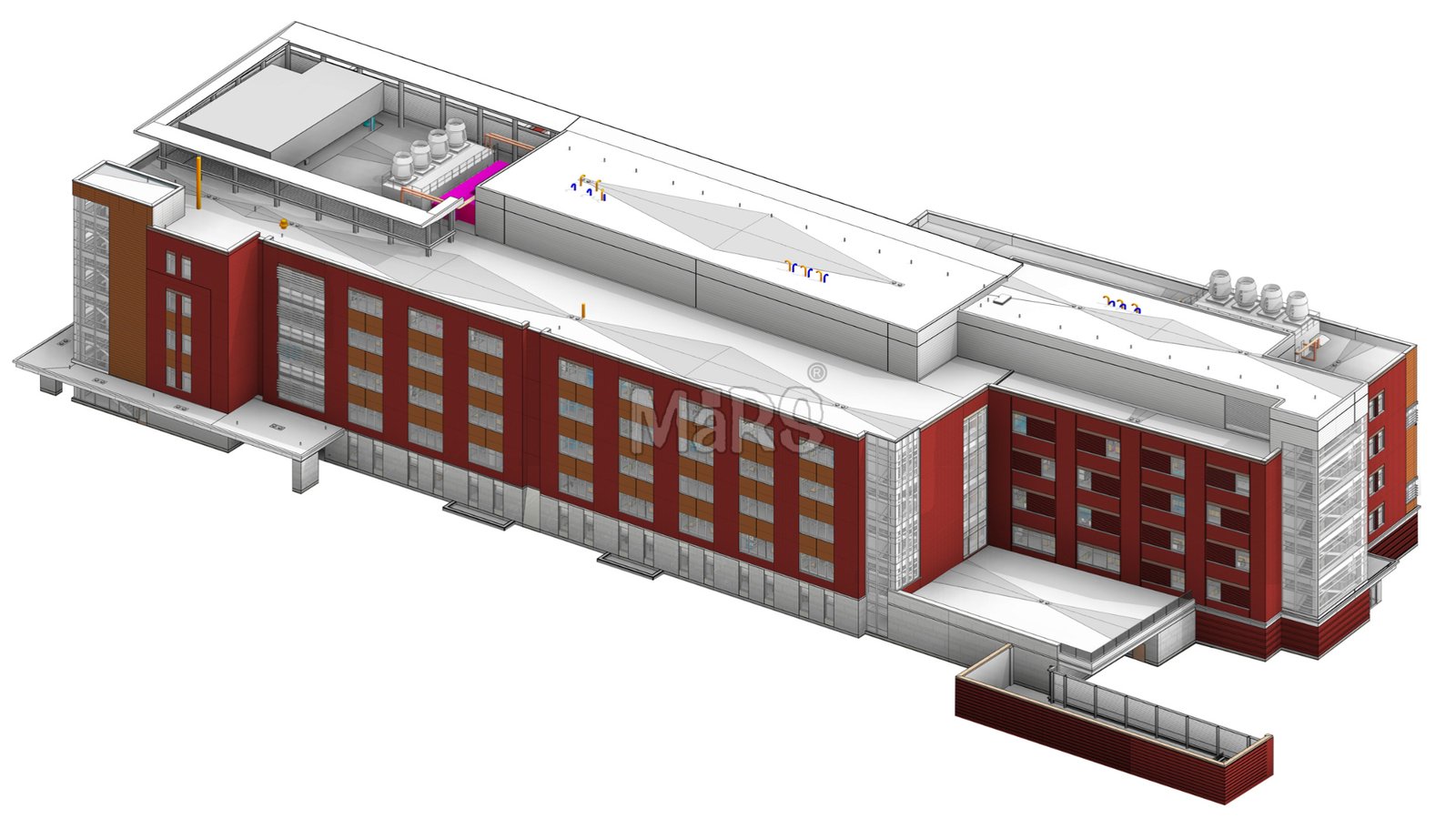
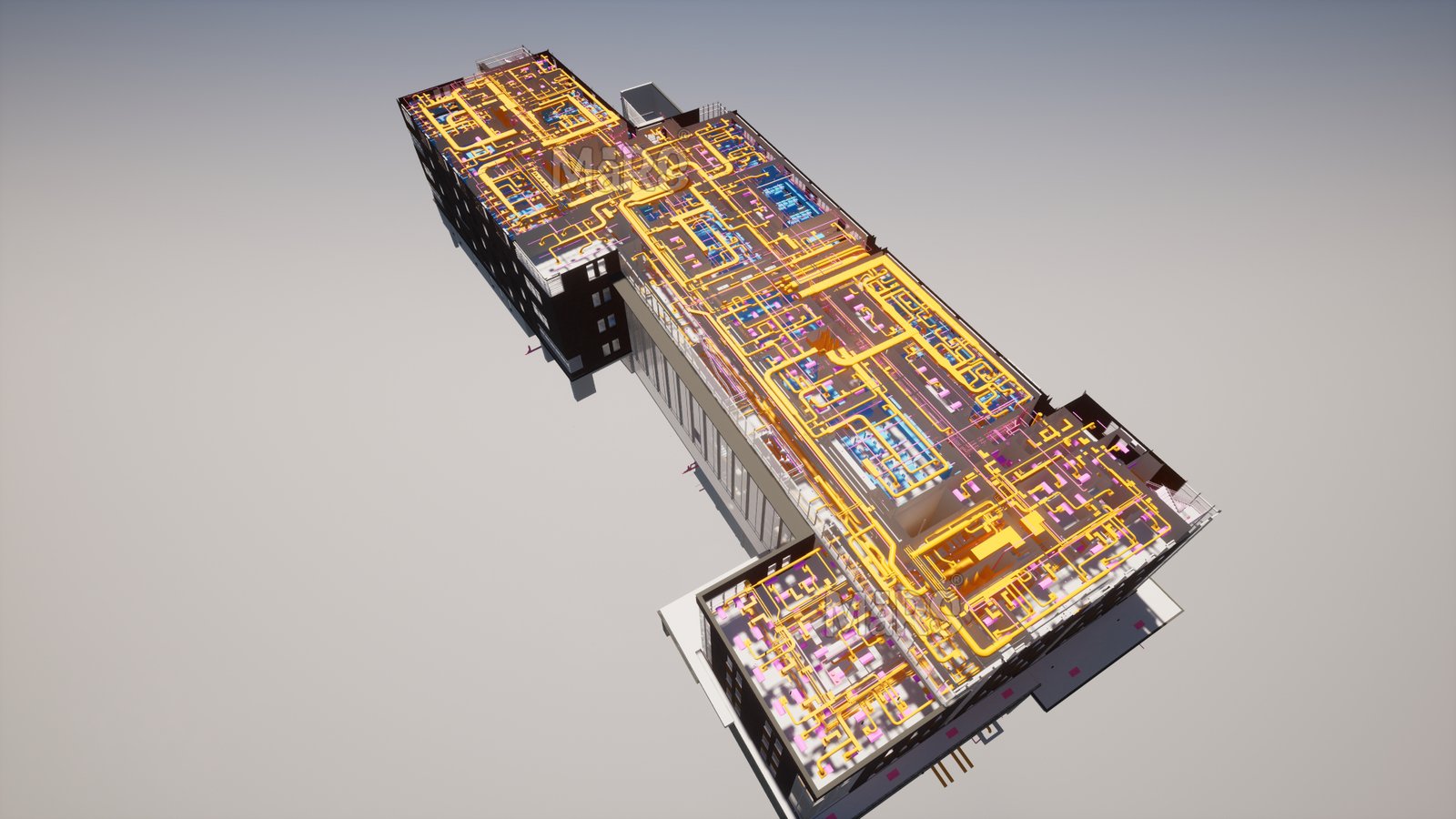
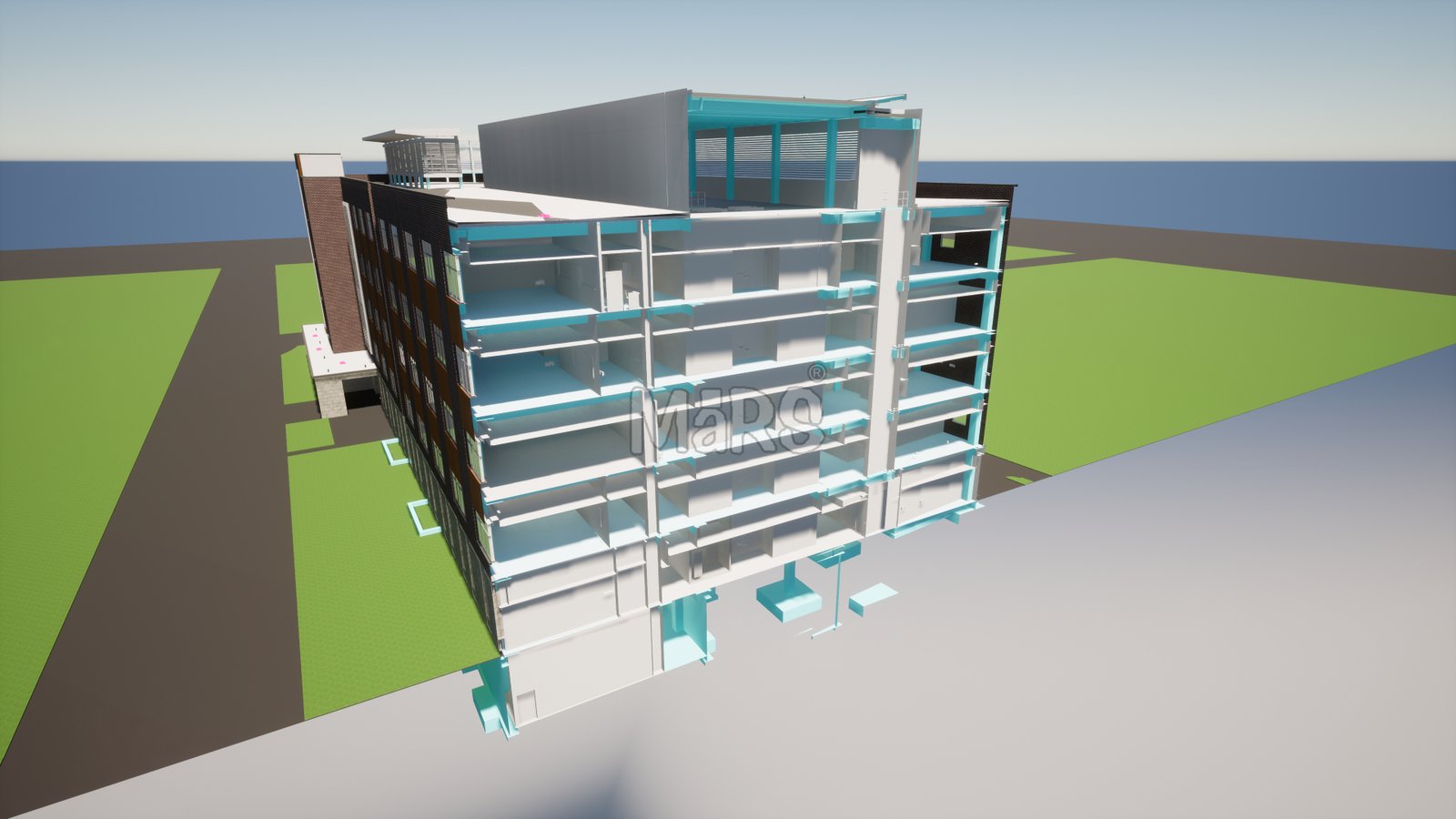
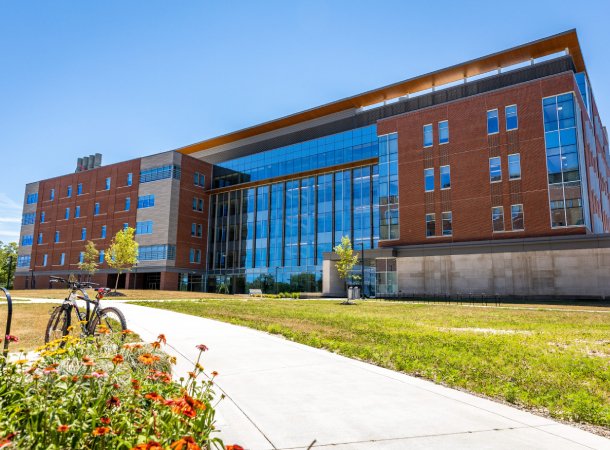
The Ball State University Foundational Sciences Building is a modern academic facility located on the main campus in Muncie, Indiana. Opened in 2021, the building serves as the new home for the Biology and Chemistry departments, bringing together cutting-edge research laboratories, flexible classrooms, and collaborative learning spaces within a single purpose-built facility. Designed to support the next generation of science education, the building reflects Ball State University’s commitment to providing students and faculty with an environment that meets the demands of contemporary research and interdisciplinary academic programming. 

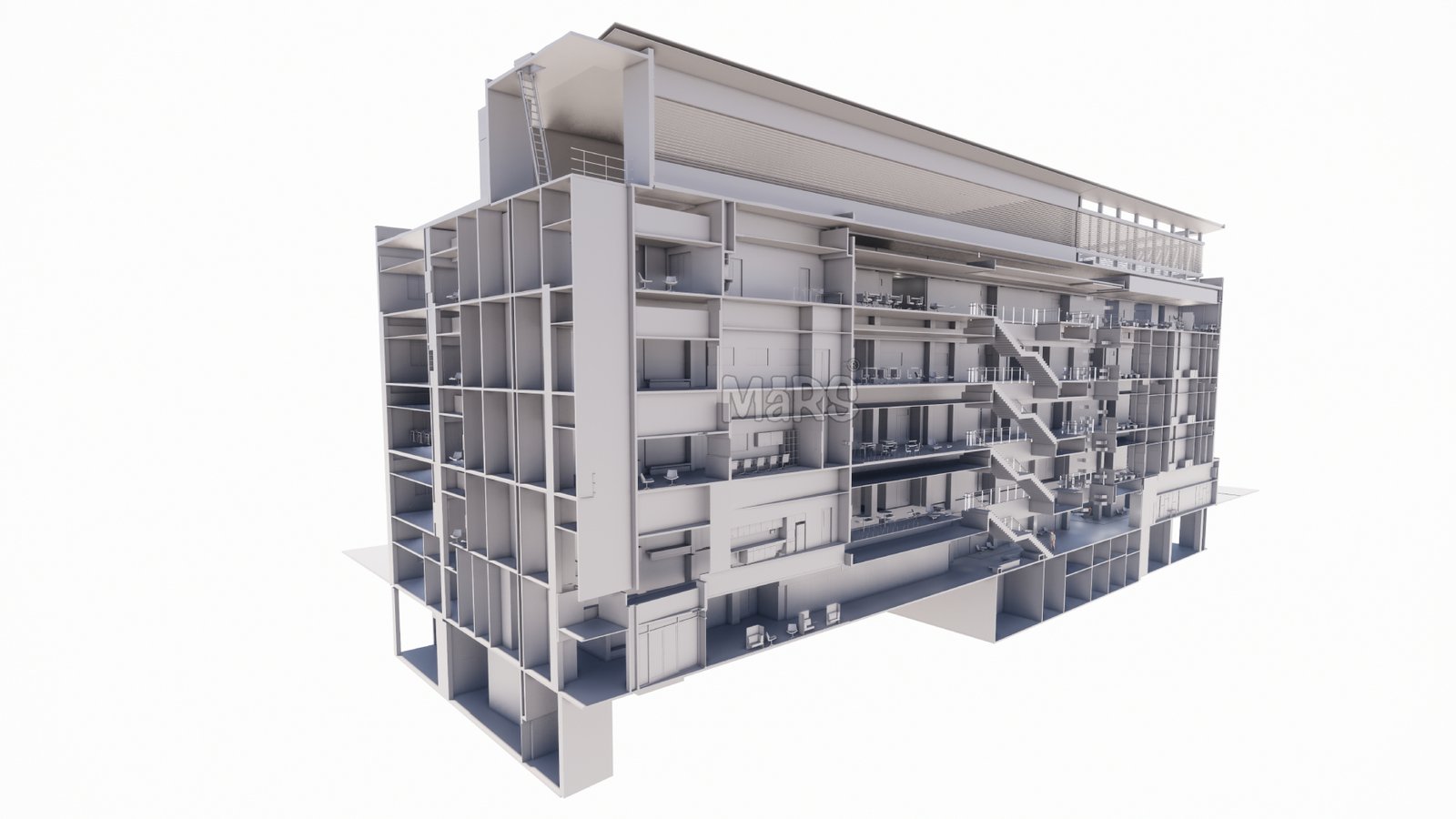
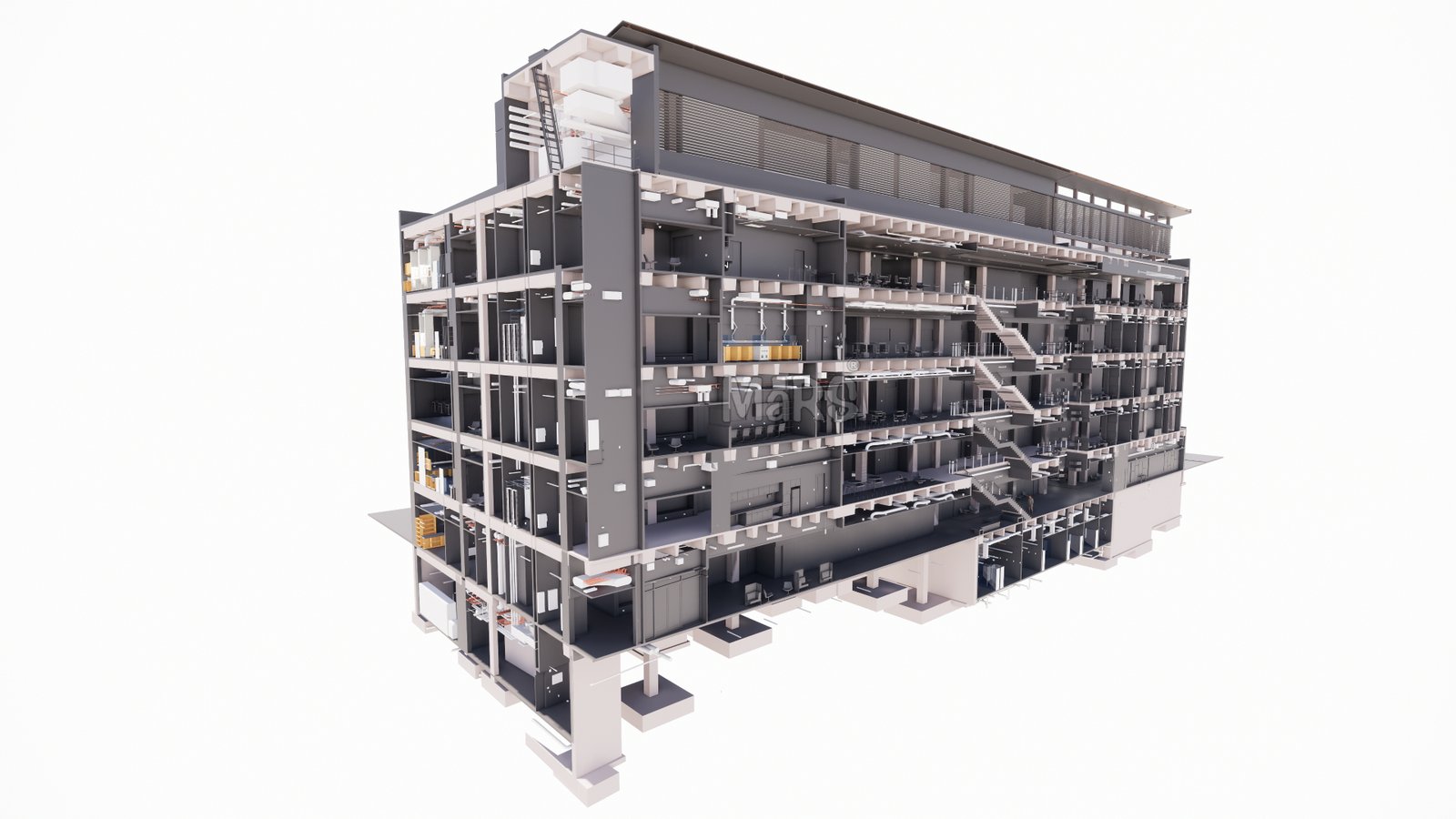
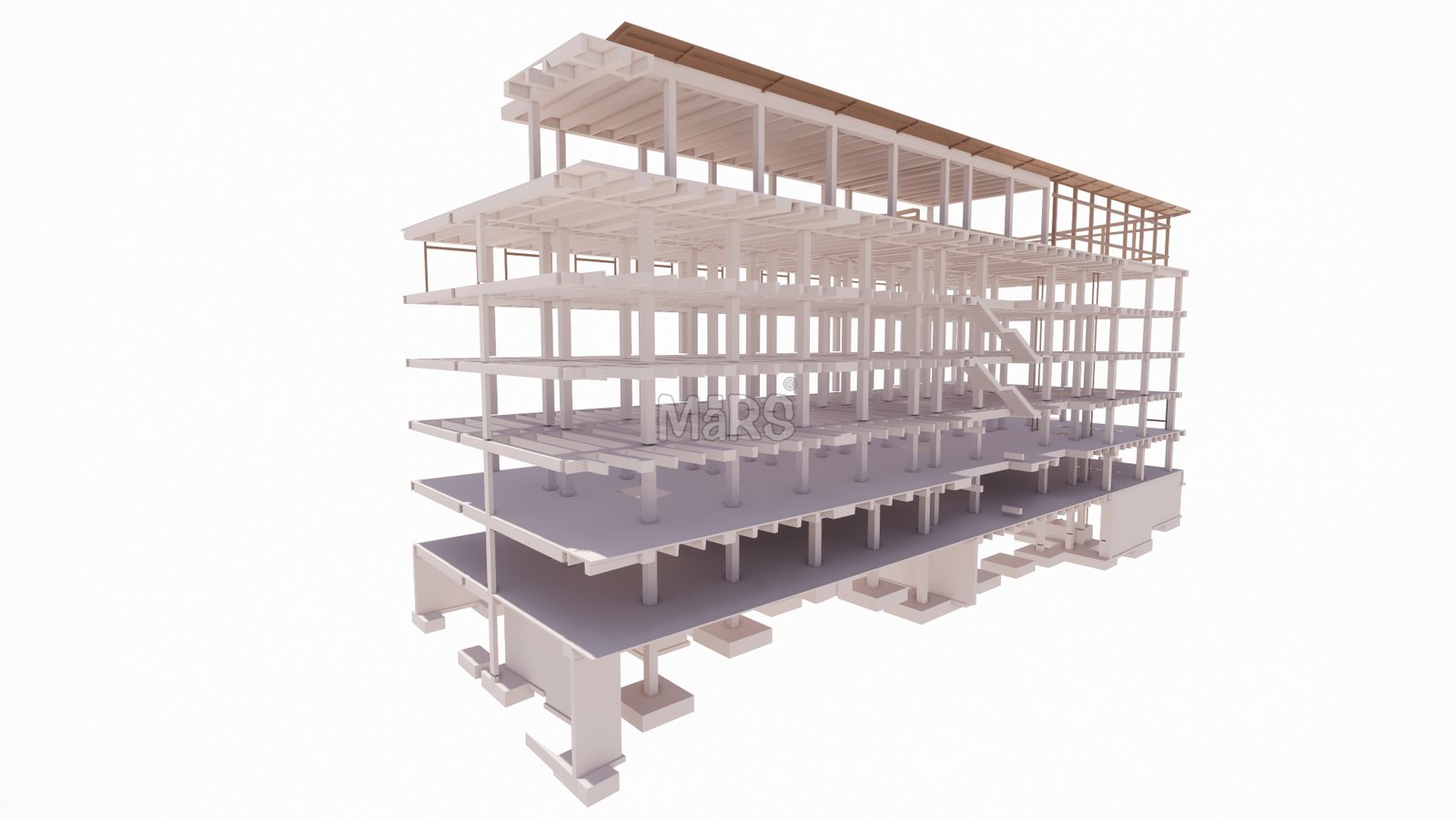
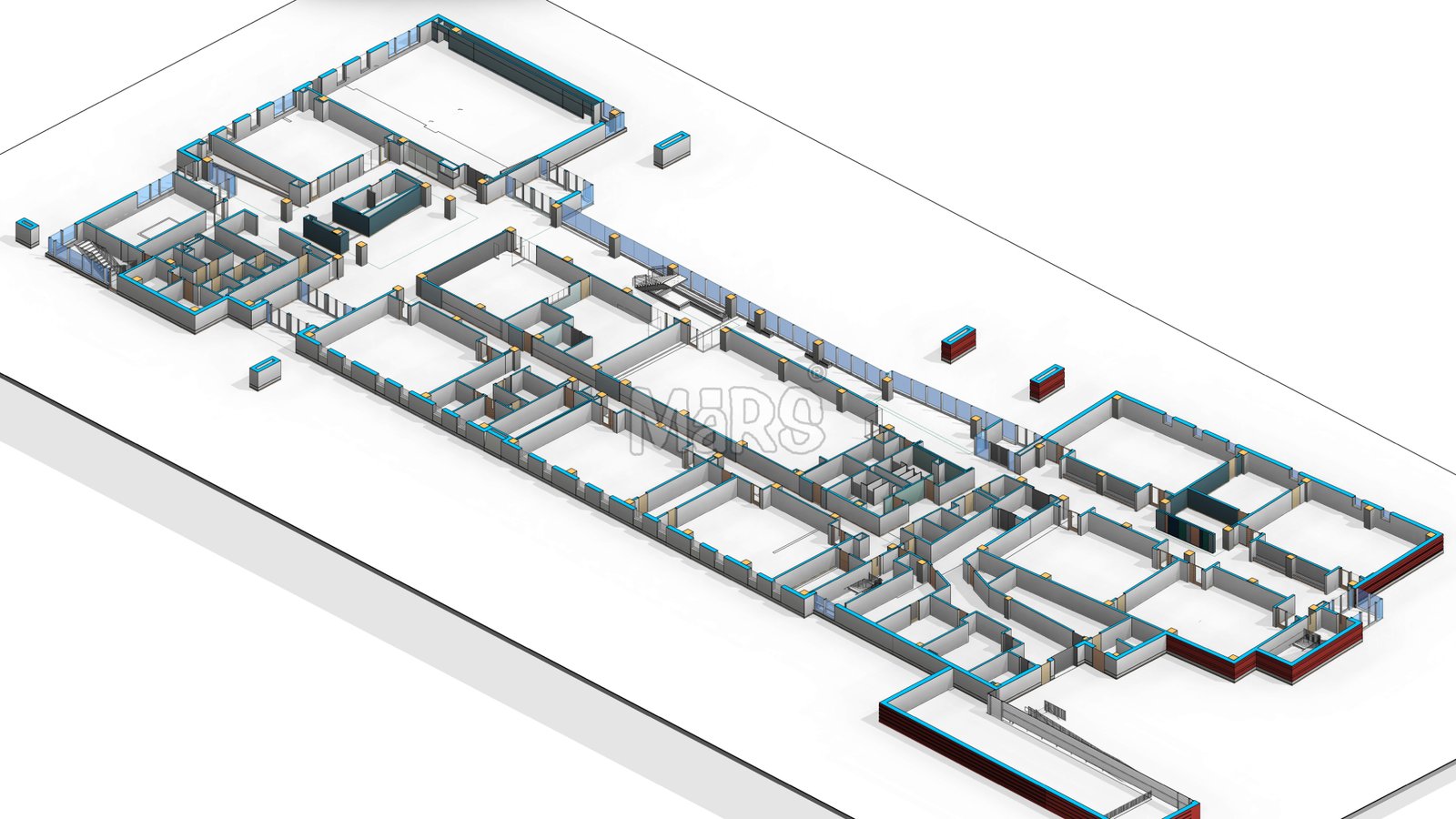
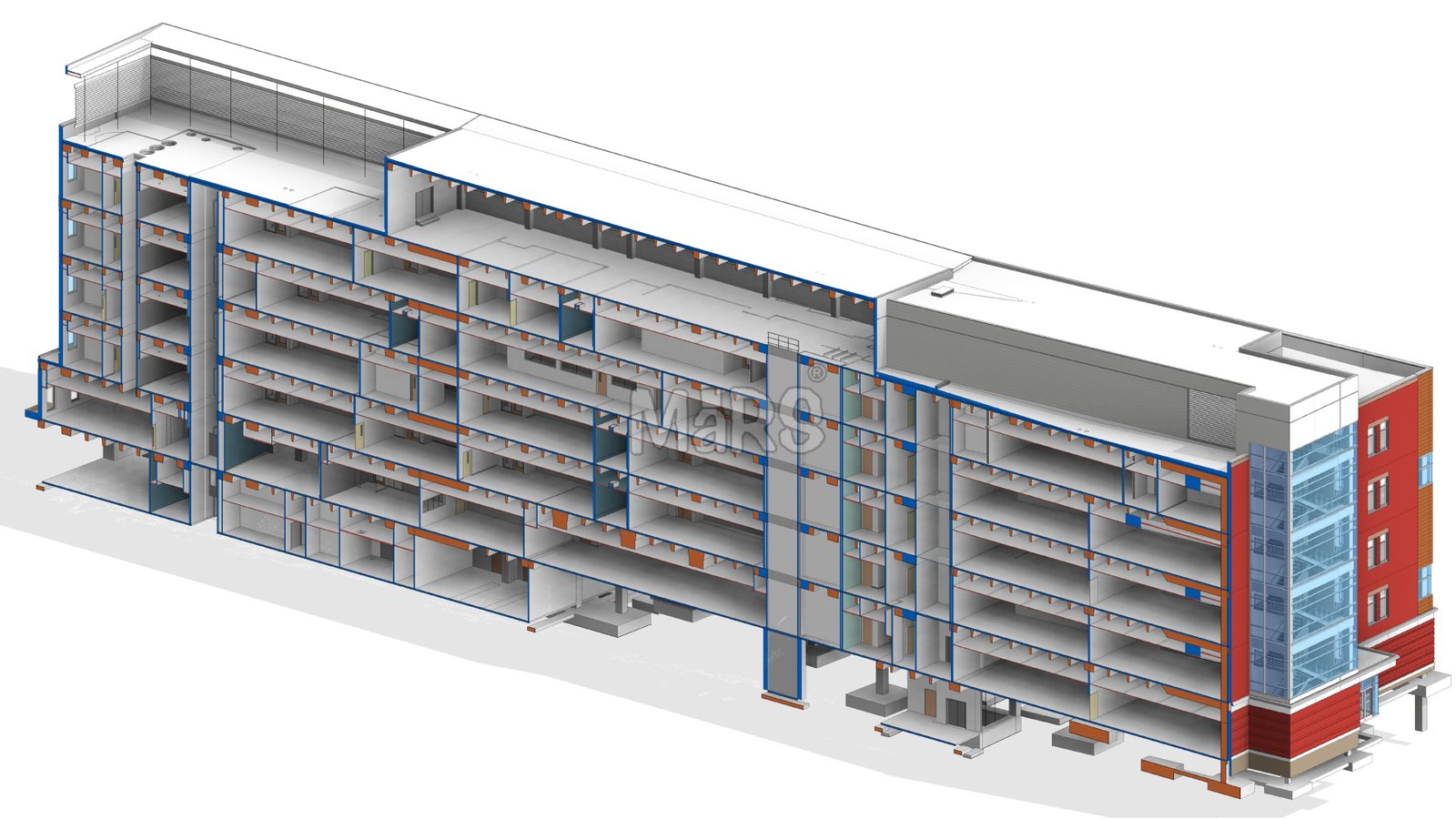
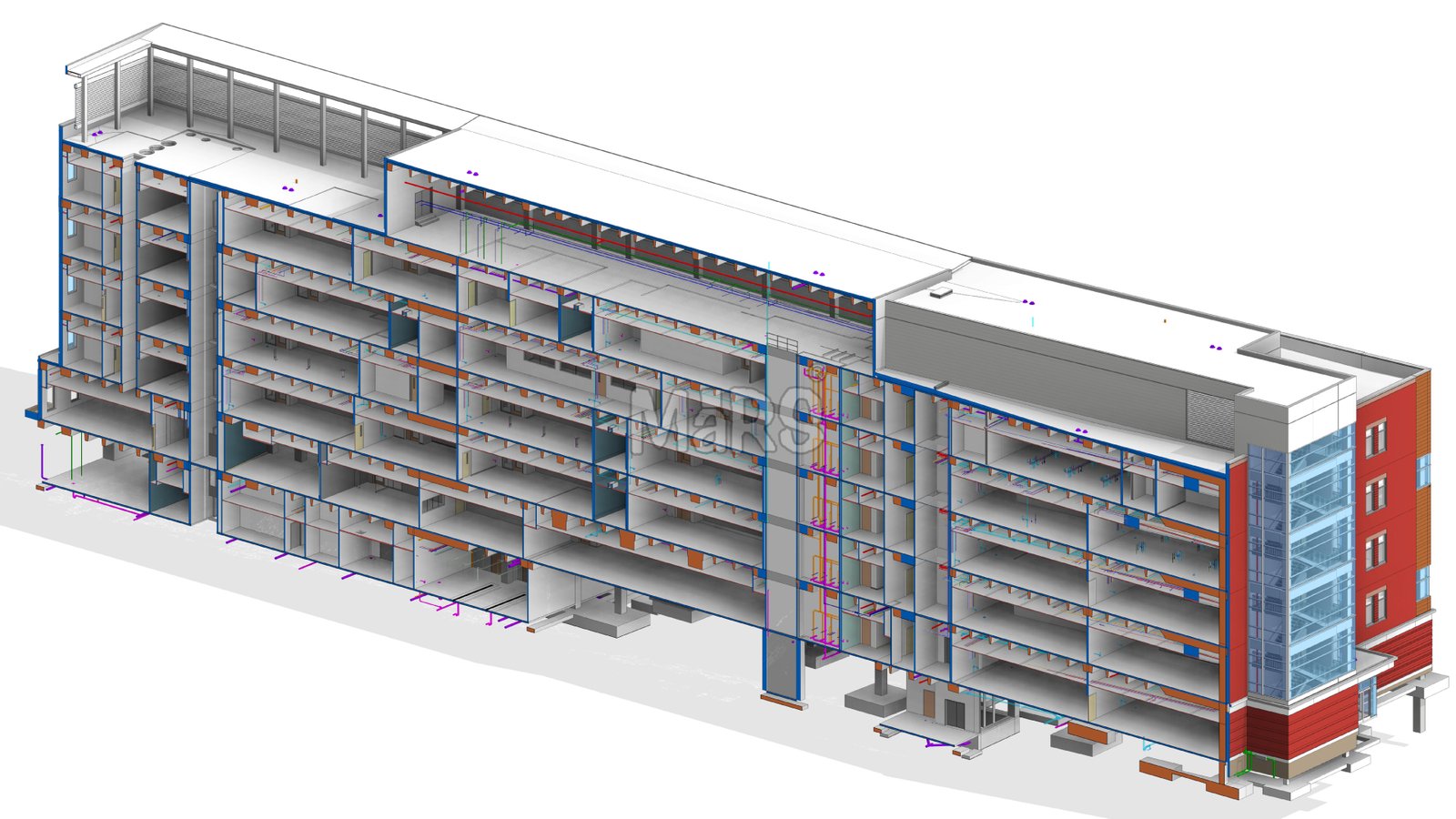
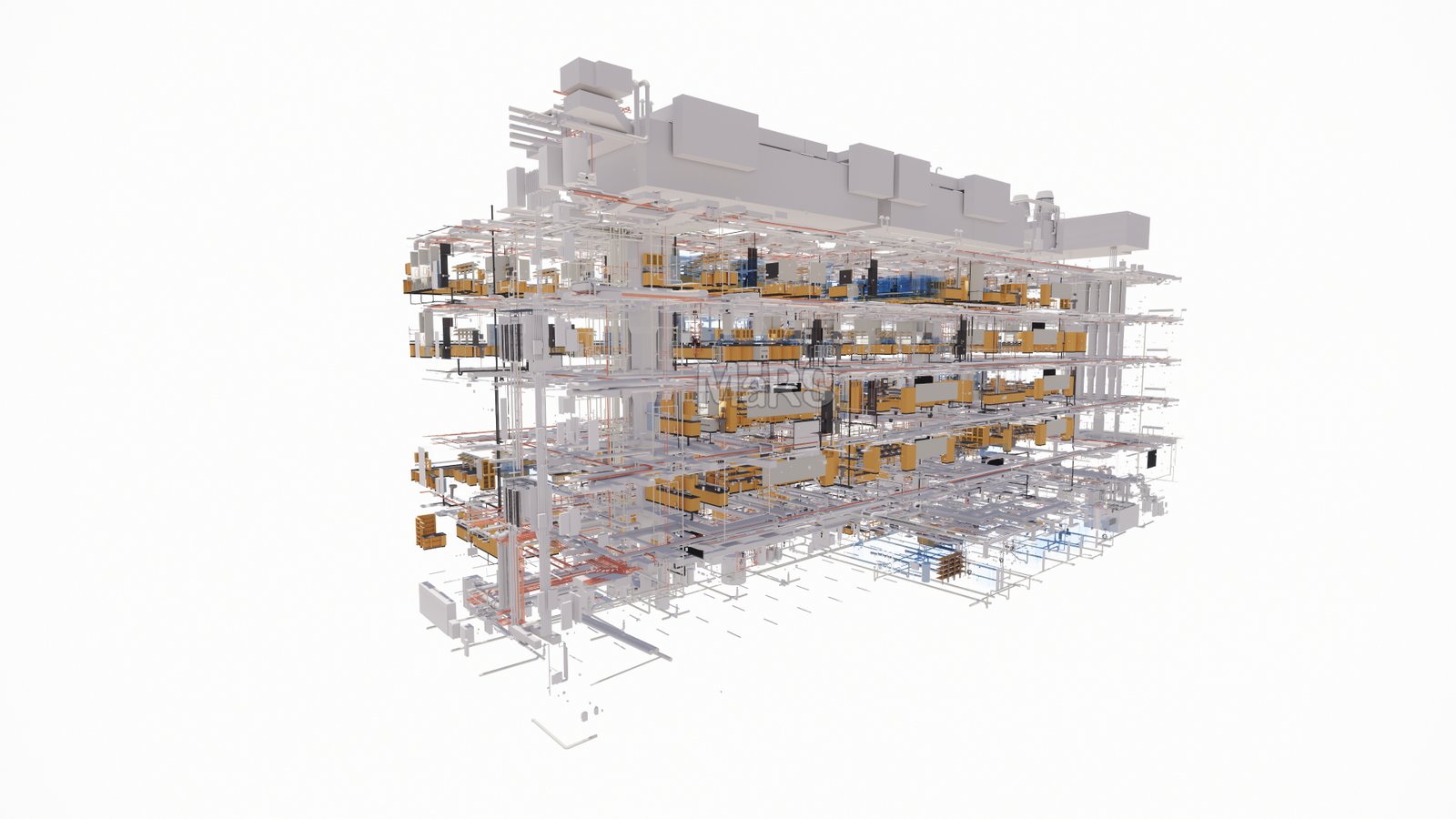
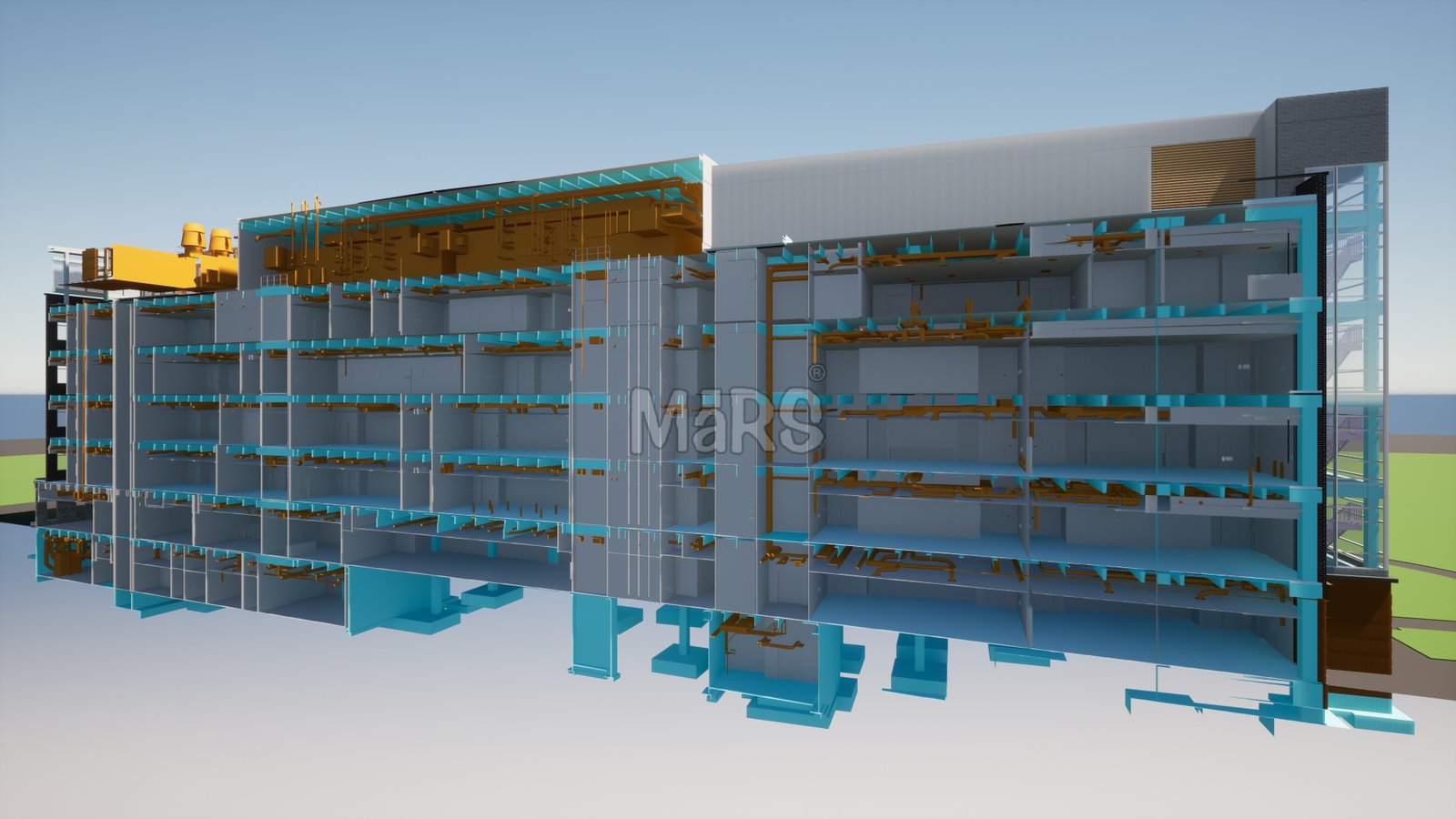
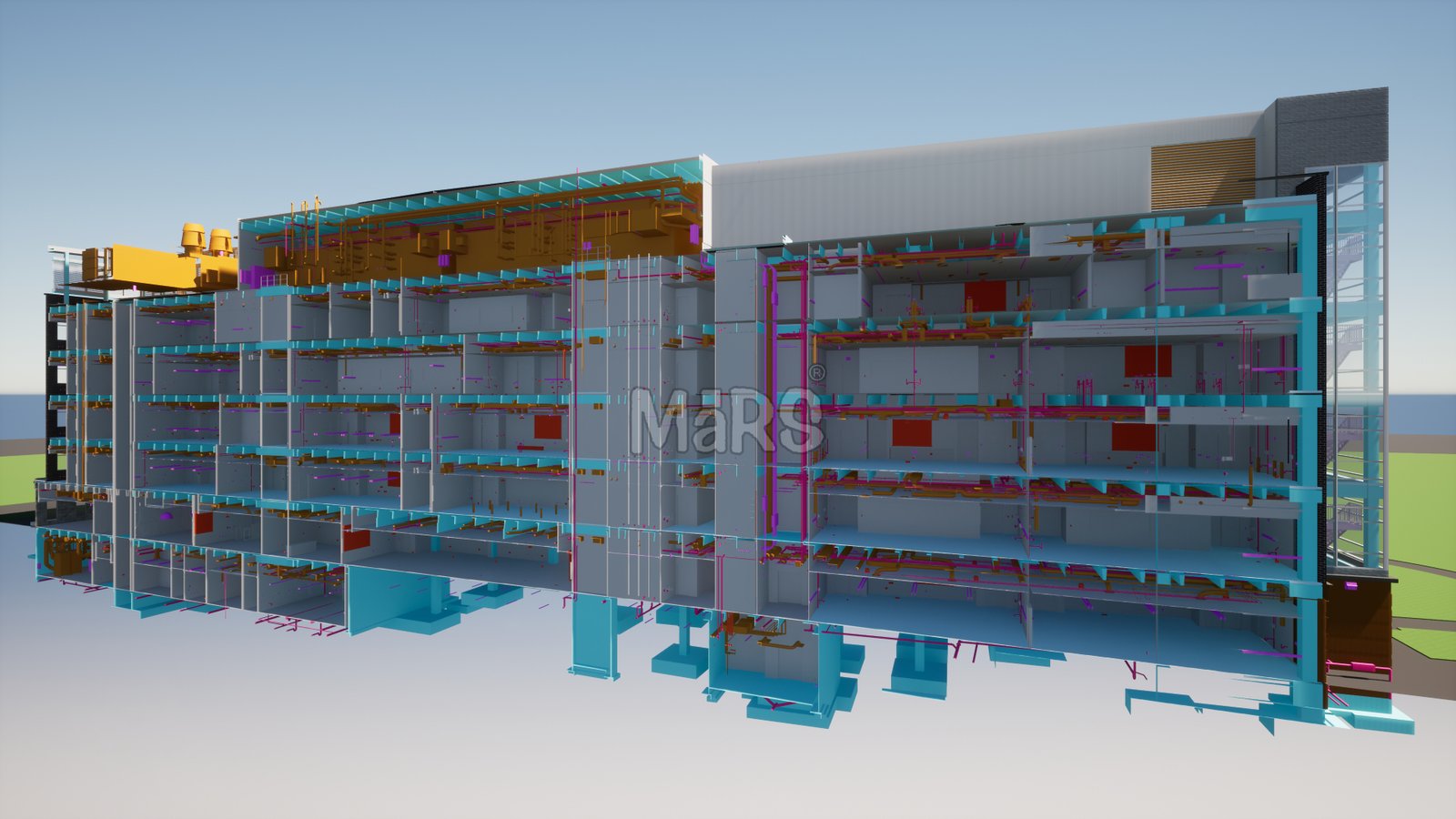
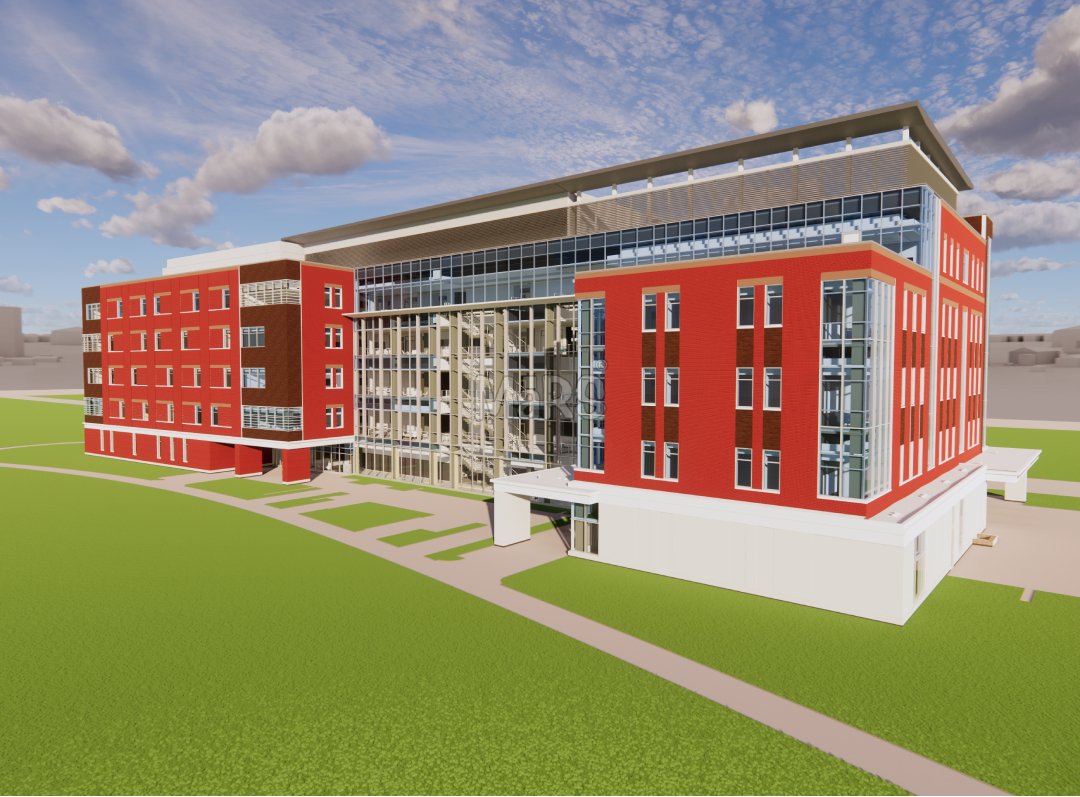
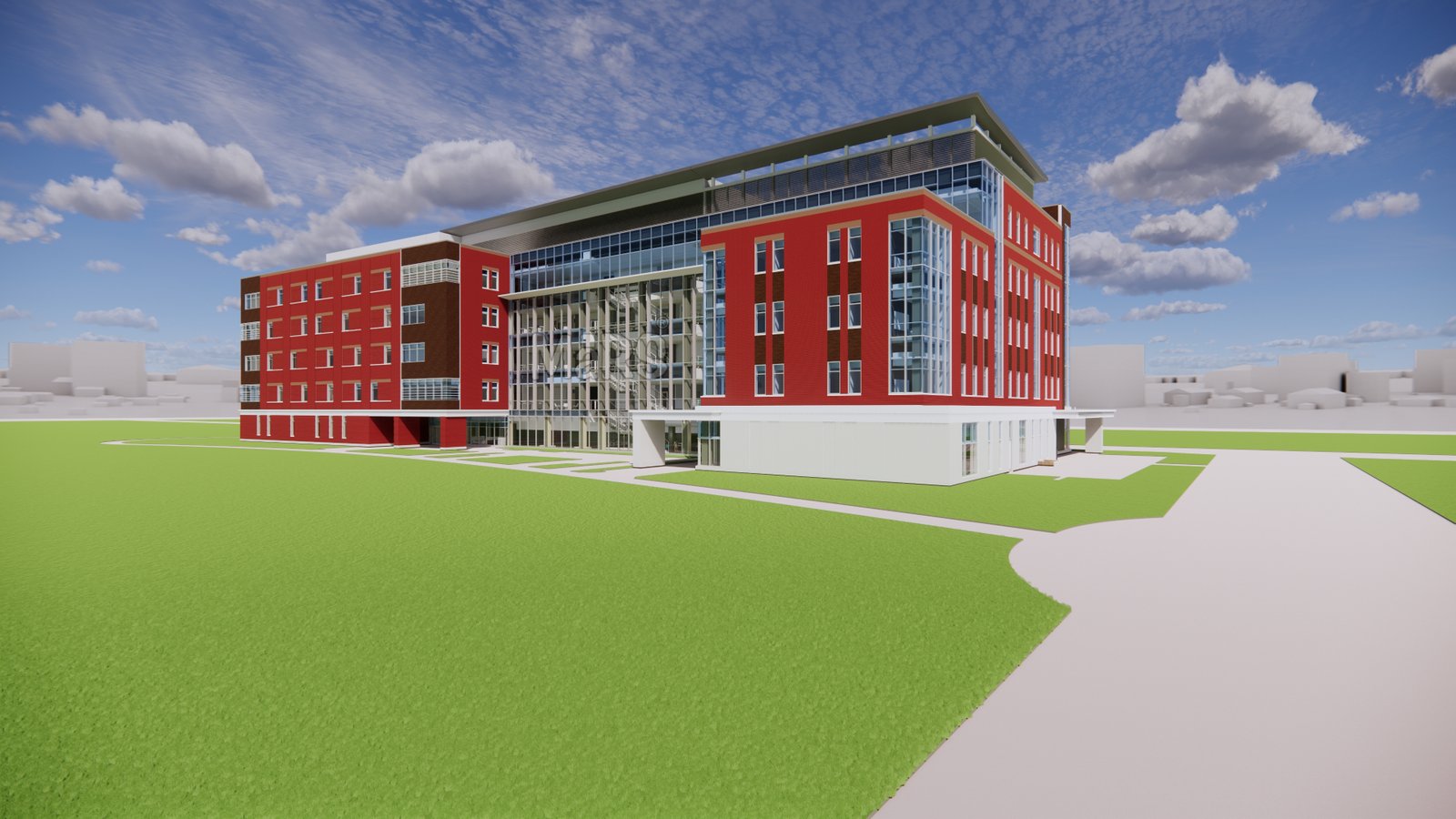
MaRS BIM Solutions contributed to the successful delivery of this project through comprehensive BIM services spanning all major disciplines. Our scope included LOD 400 modeling for architectural, structural, and MEP systems, multi-discipline clash detection and coordination, shop drawing production for structural and MEP trades, construction documentation support, and 4D scheduling assistance. By maintaining a fully coordinated BIM environment throughout the construction process, our team helped resolve conflicts early, improve trade coordination, and support a smooth construction workflow from documentation through final installation. 

Why This Project Needed BIM?

Multi-Discipline MEP Complexity

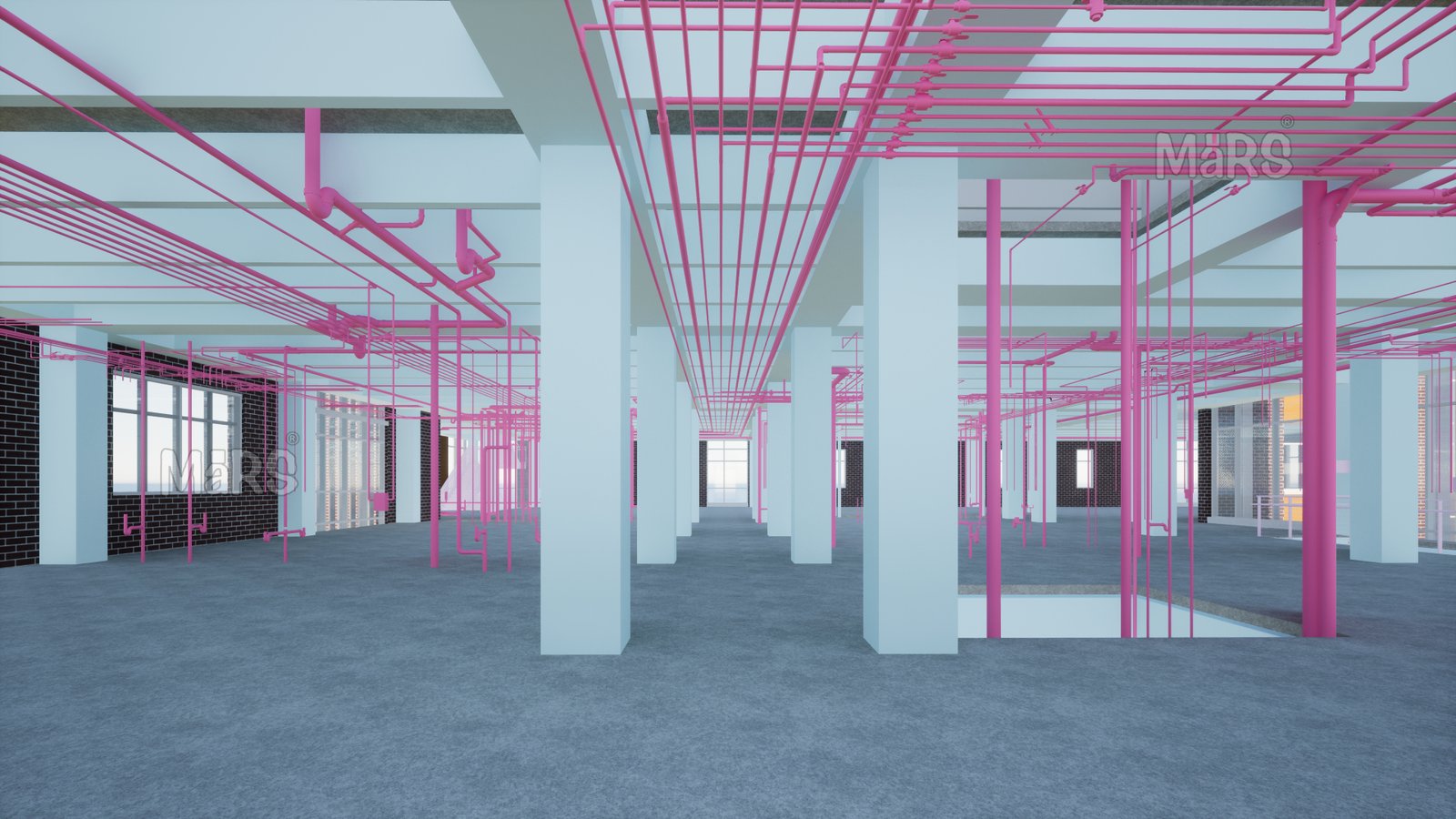
Science buildings carry dense mechanical, electrical, plumbing, and lab gas systems across specialized environments. A fully coordinated LOD 400 BIM model was essential to manage this complexity before fabrication began.

Lab-Grade Coordination Requirements

Research labs have strict spatial requirements for fume hoods, exhaust systems, and utility distribution. BIM allowed every connection to be verified for clearance and code compliance ahead of construction.

Structural and MEP Interface

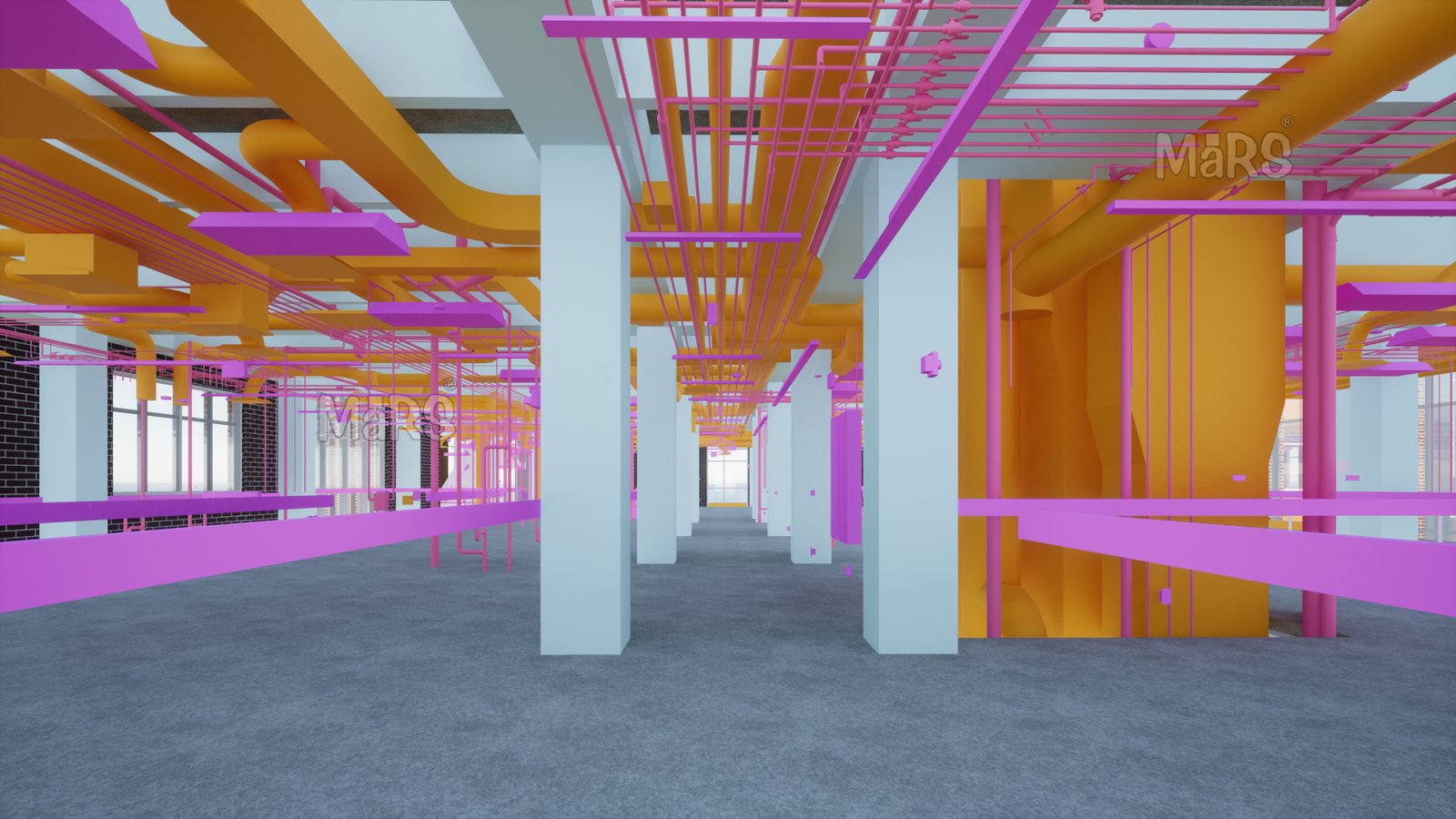
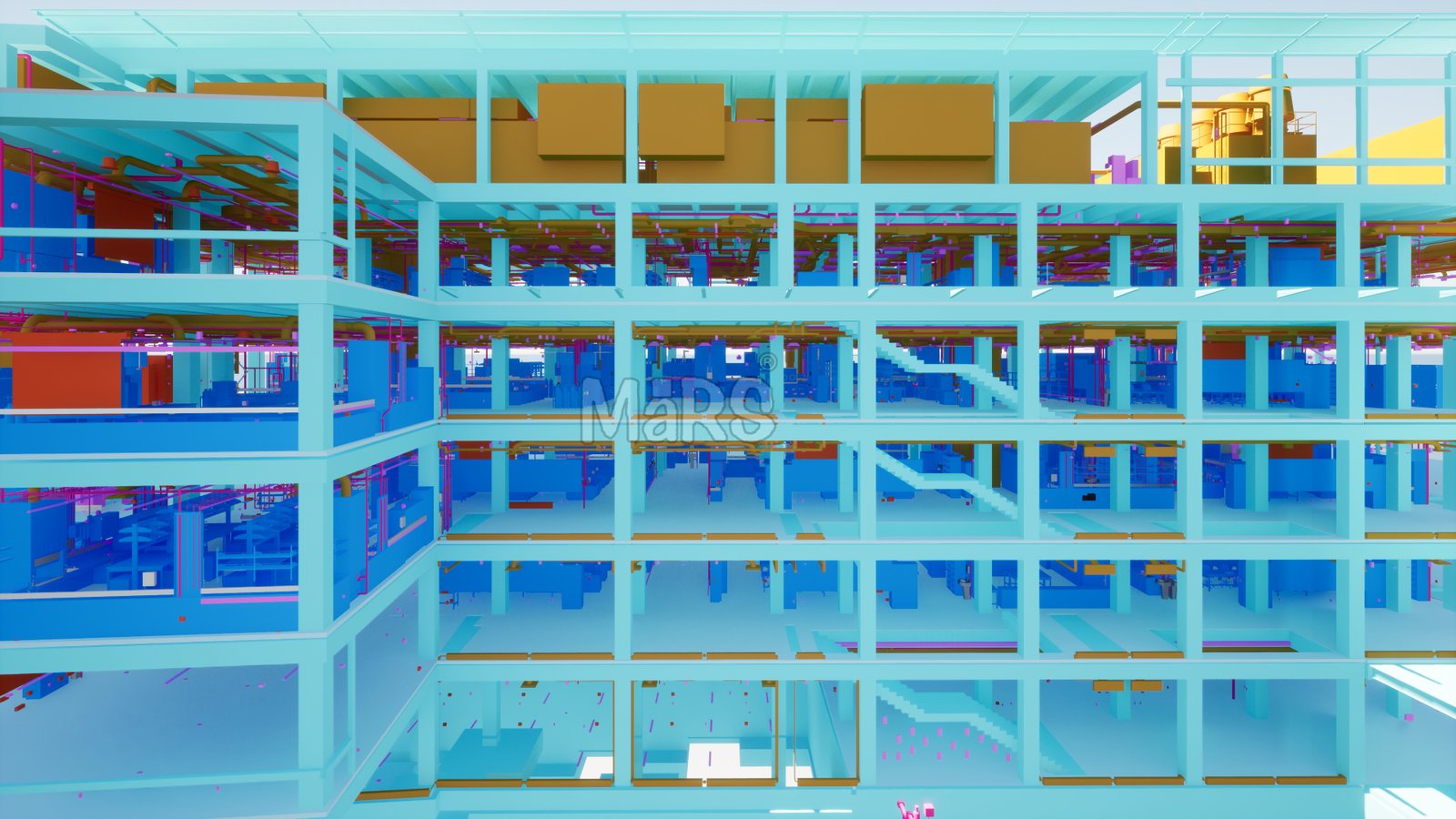
Long-span structural members and overhead MEP distribution shared the same ceiling zones throughout the building. Clash detection resolved these conflicts well before field installation.

4D Scheduling Alignment

Active campus operations required careful construction phasing. BIM-linked scheduling allowed the team to sequence work clearly and communicate milestones across all project stakeholders.

Multiple Trade Coordination

With architectural, structural, and MEP trades all working in parallel, a centralized BIM environment was the most reliable way to align decisions and maintain a single source of truth across the project.

Scope of Work

LOD 400 BIM Modeling (Architectural, Structural, and MEP)
Multi-discipline Clash Detection and Coordination
Shop Drawings for Structural and MEP Trades
Construction Documentation Support
4D Scheduling Support
Coordination Meeting Support

Visual Highlights

Architectural
Structural
MEP
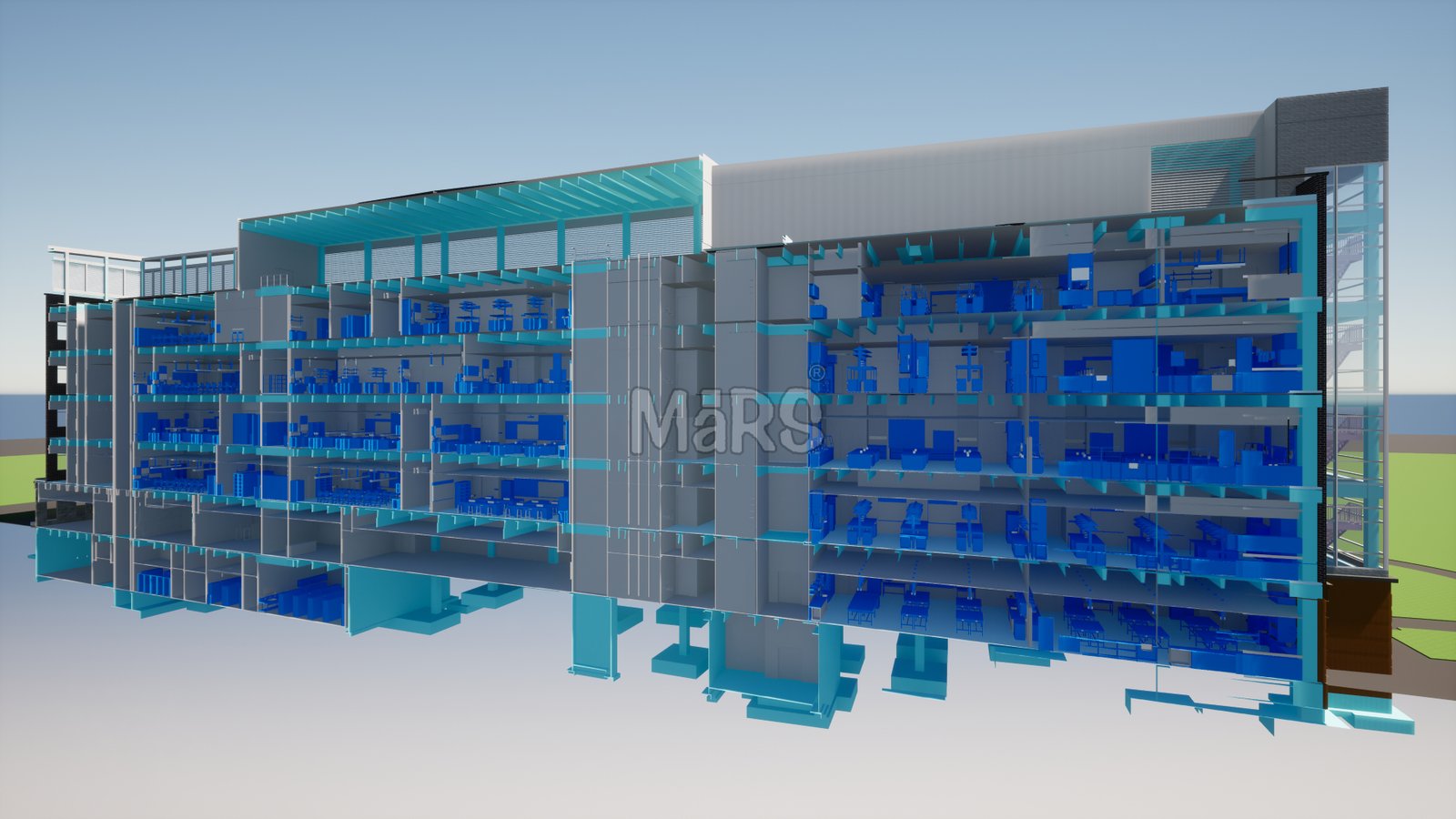
Facilities
1 +

Clashes Resolved Before Construction

1 %

Reduction in MEP-Related RFIs

1

Trade Disciplines Coordinated Simultaneously

Key Challenges

Laboratory Utility Density
Science buildings carry significantly more MEP content than typical academic facilities. Fume exhaust shafts, lab gas piping, deionized water lines, and specialized electrical circuits created congested ceiling and wall cavities that required careful spatial management across every floor.
Phased Campus Construction
Work had to be coordinated within an active university campus environment. Construction sequencing, site access, and temporary conditions all had to be reflected accurately in the BIM model to avoid disruption to adjacent campus facilities.
Architectural and Structural Coordination
The building's design incorporated exposed structure and technically demanding facade elements that required tight integration between the architectural and structural models to ensure fabrication accuracy and installation alignment.
MEP and Structural Clearance in Ceiling Zones
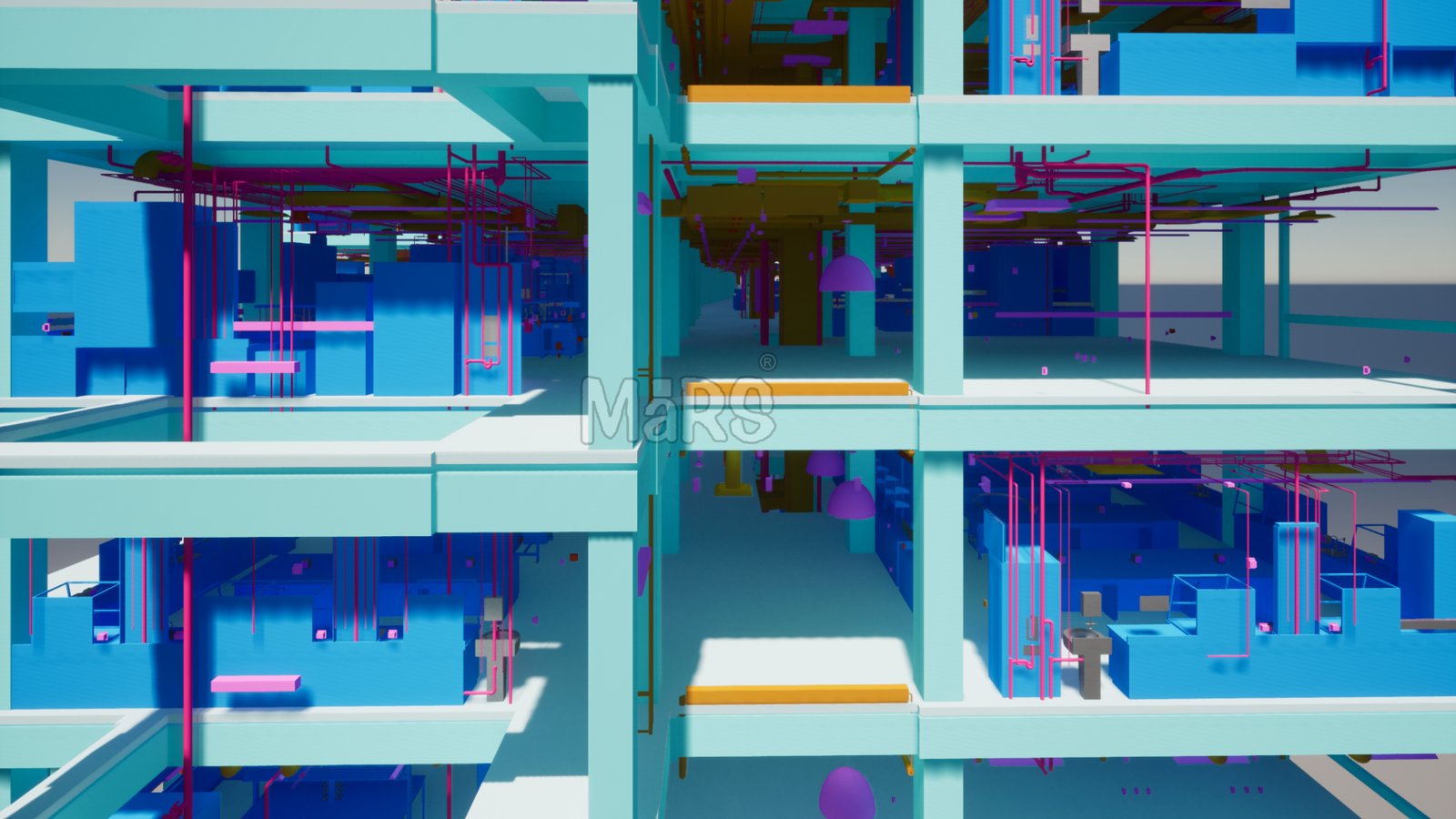
With heavy mechanical systems, structural framing, and lighting all competing for overhead space, BIM clash detection was the primary tool for resolving conflicts before they reached the field.

Our Project Execution Strategy

Trade-by-Trade Coordination
MEP systems were coordinated discipline by discipline before full model integration, allowing each trade to develop their routing within defined spatial corridors before conflicts were identified and resolved across all systems together.
Lab-Specific Modeling
Each laboratory space was modeled individually to account for the unique utility layout, equipment clearances, and exhaust requirements of Biology and Chemistry lab environments, ensuring accurate shop drawing production for every space.
Shop Drawing Production
Structural and MEP shop drawings were produced directly from the LOD 400 model, giving fabricators and installers accurate, coordination-confirmed geometry without the need for field adjustments.
Coordination Meeting Support
Regular coordination meetings were conducted using the live BIM model, allowing trade contractors and the design team to review open clashes, confirm resolution decisions, and keep the project moving on schedule.
Get In Touch

Let’s Talk About Your Next Project

Share your drawings and project scope. We will review and send a proposal within 24 hours.

Contact Us

+1 469 887 6400 (Ext 126)
info@marsbimsolutions.com