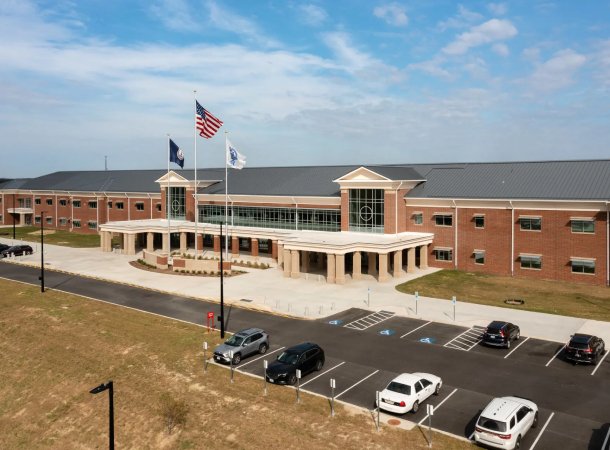
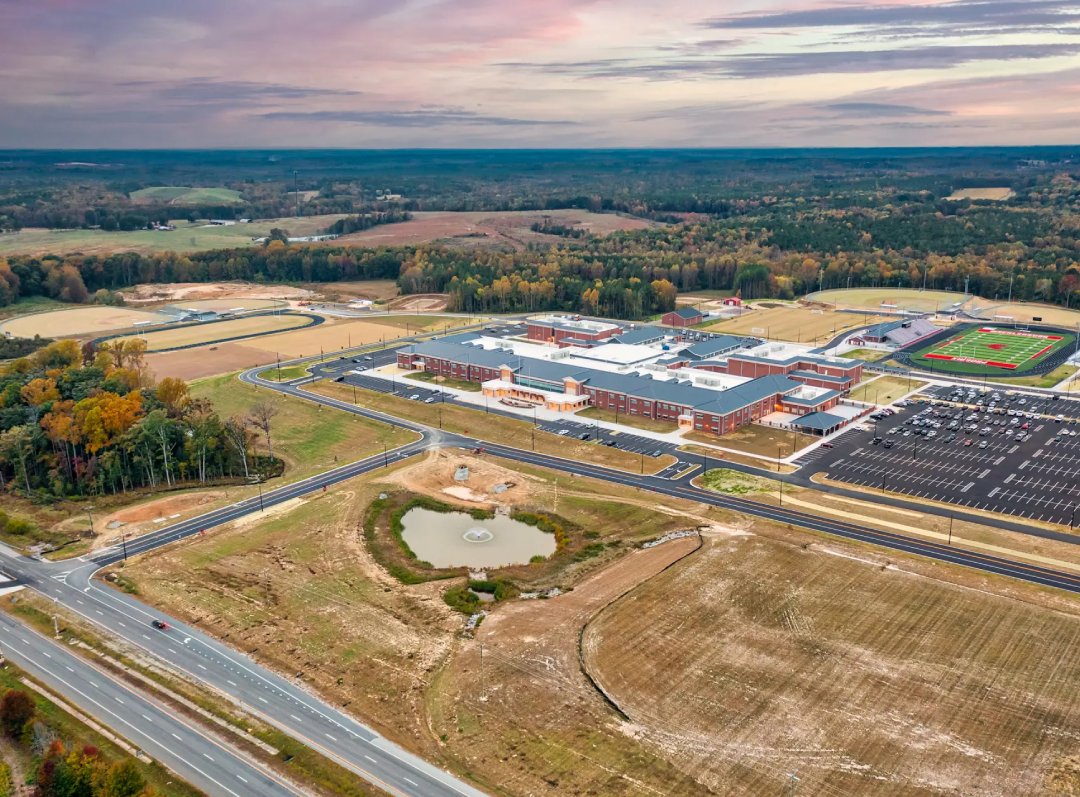
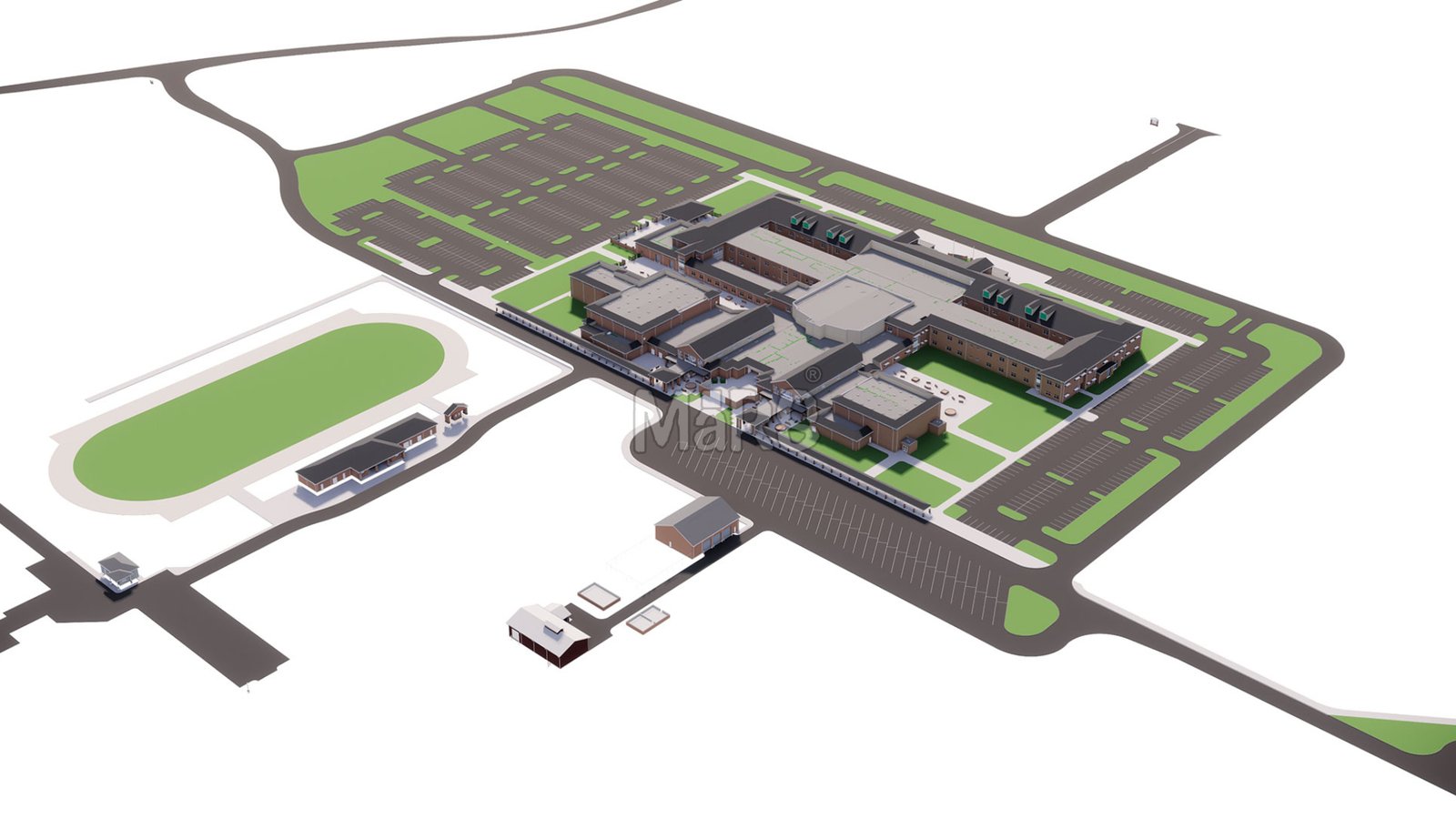
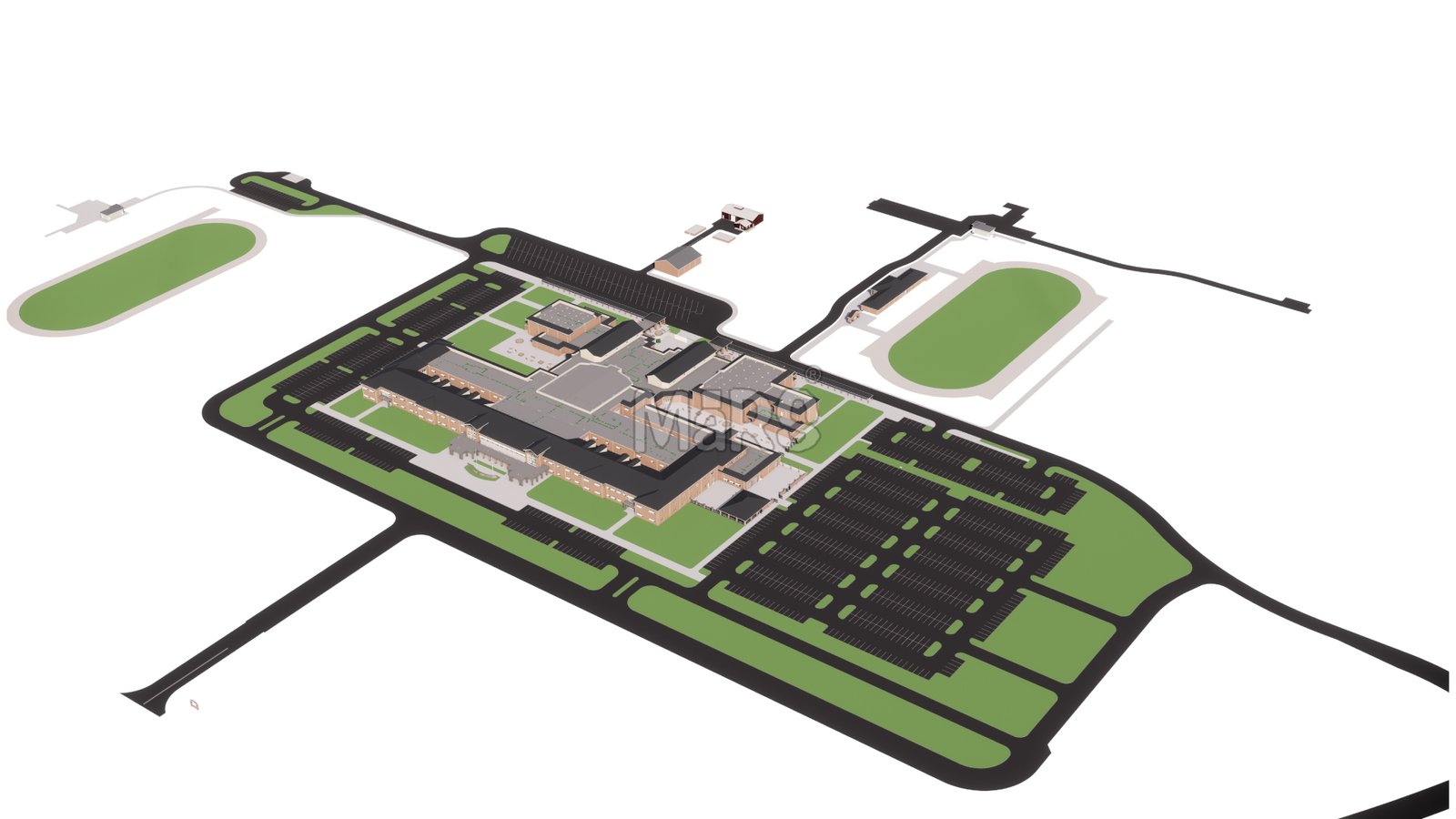
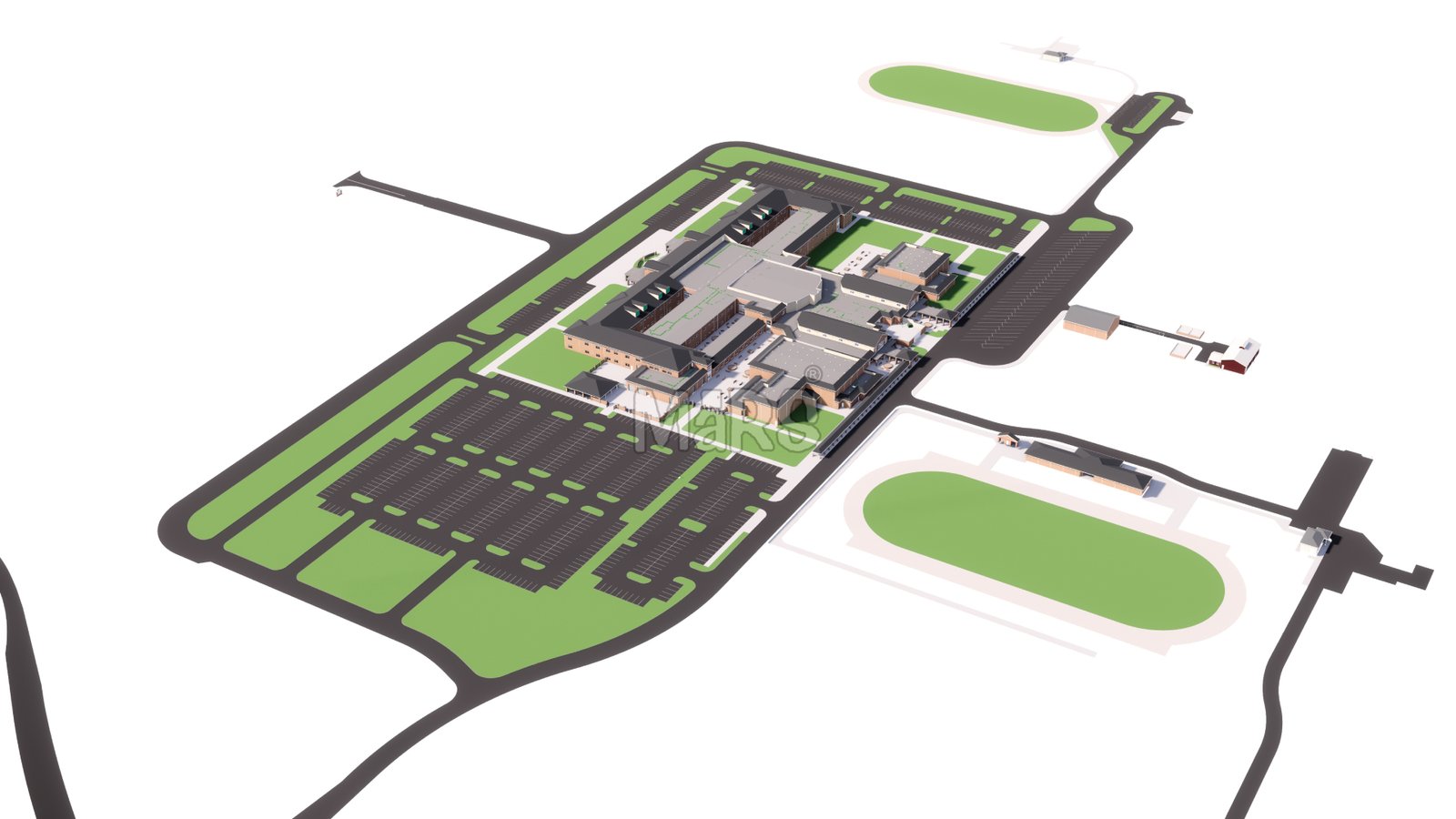
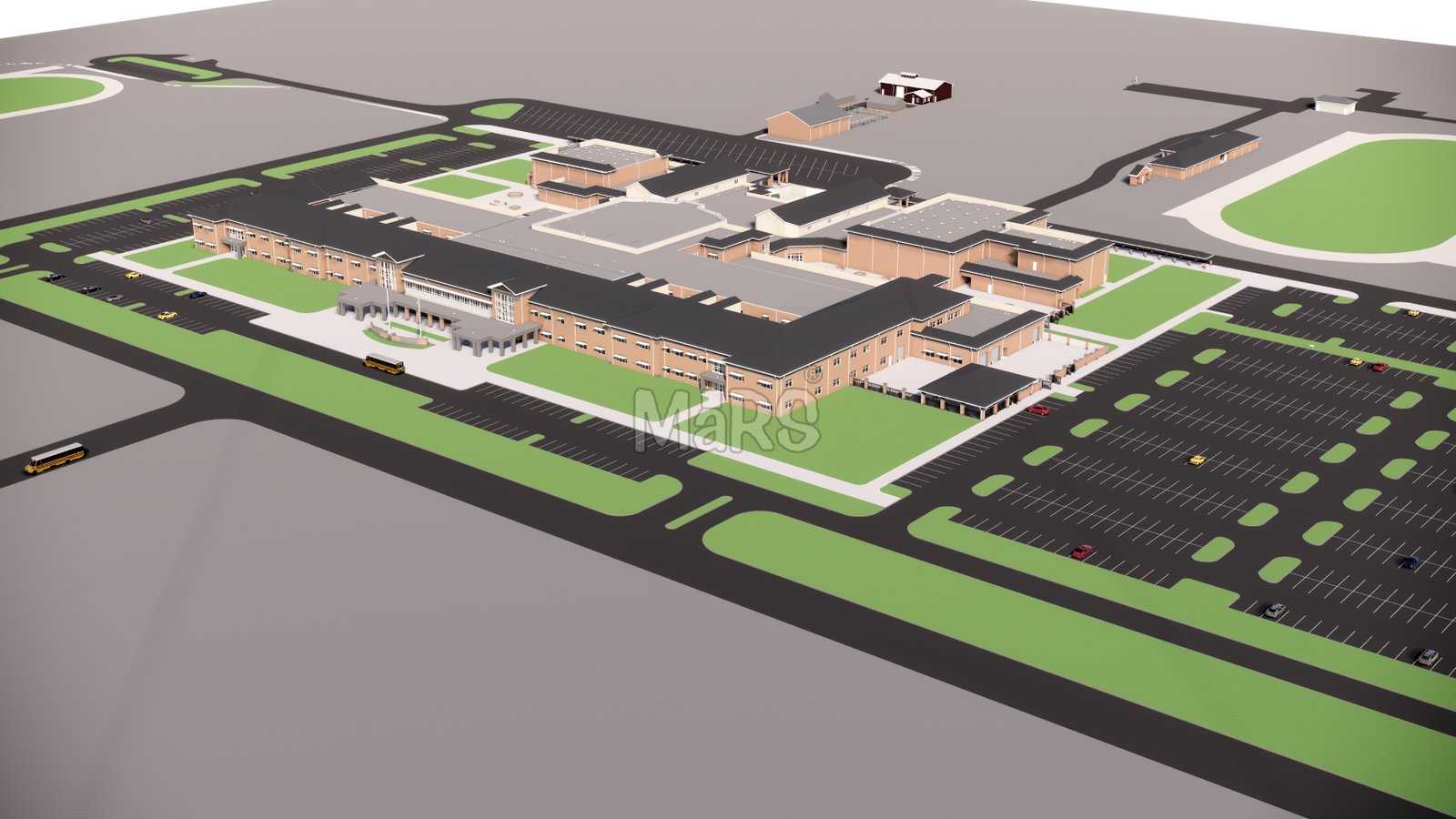
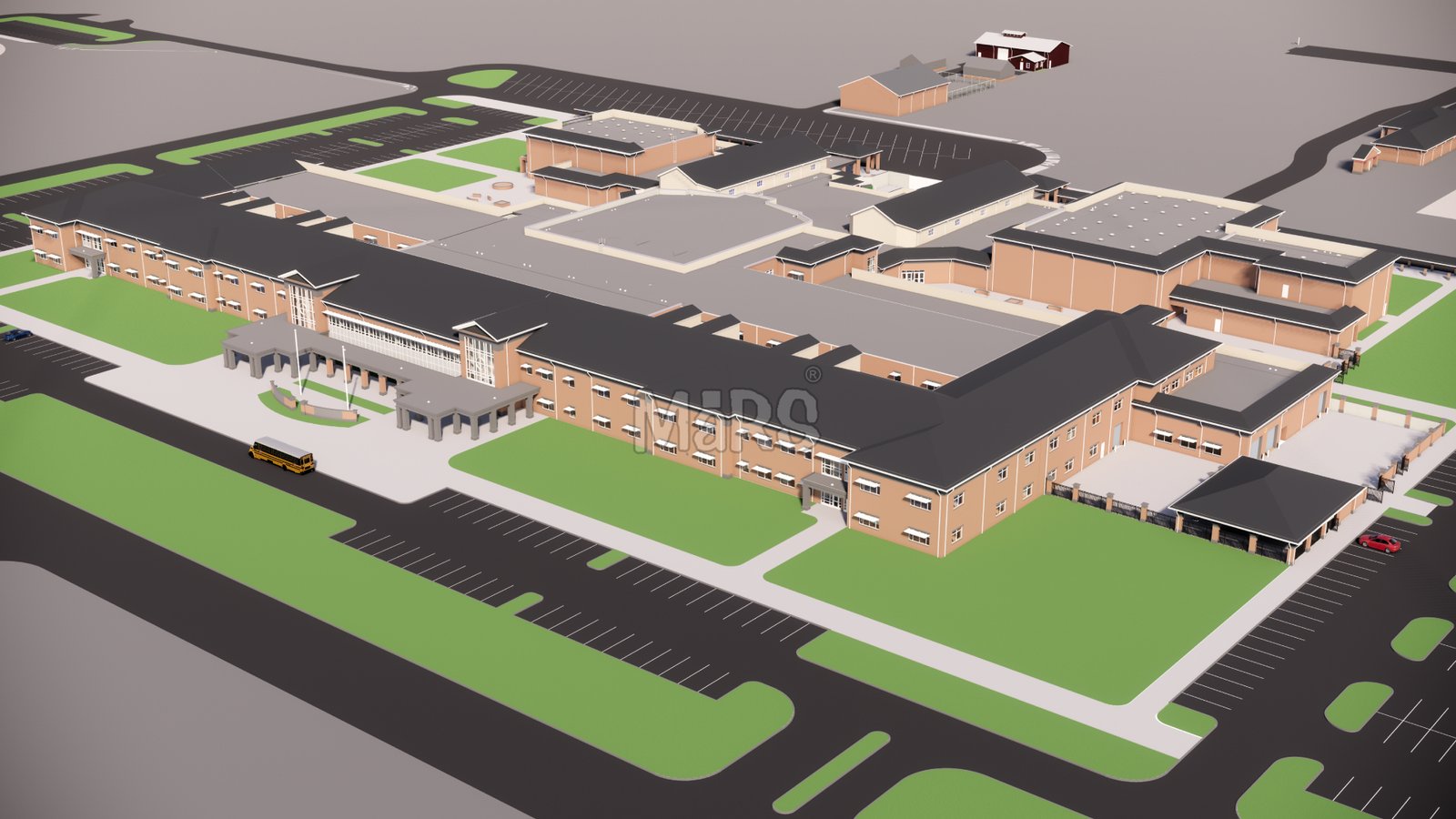
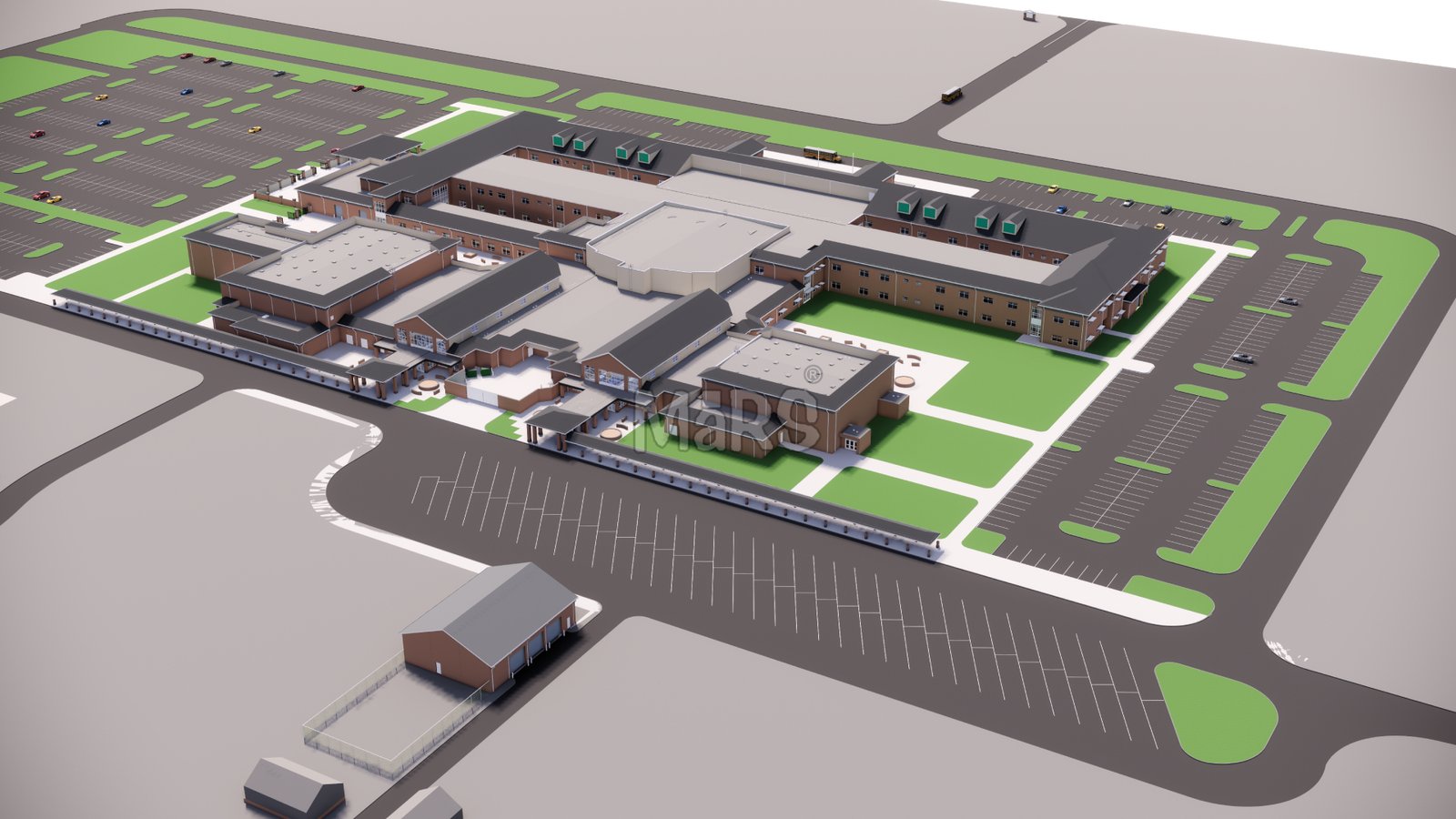
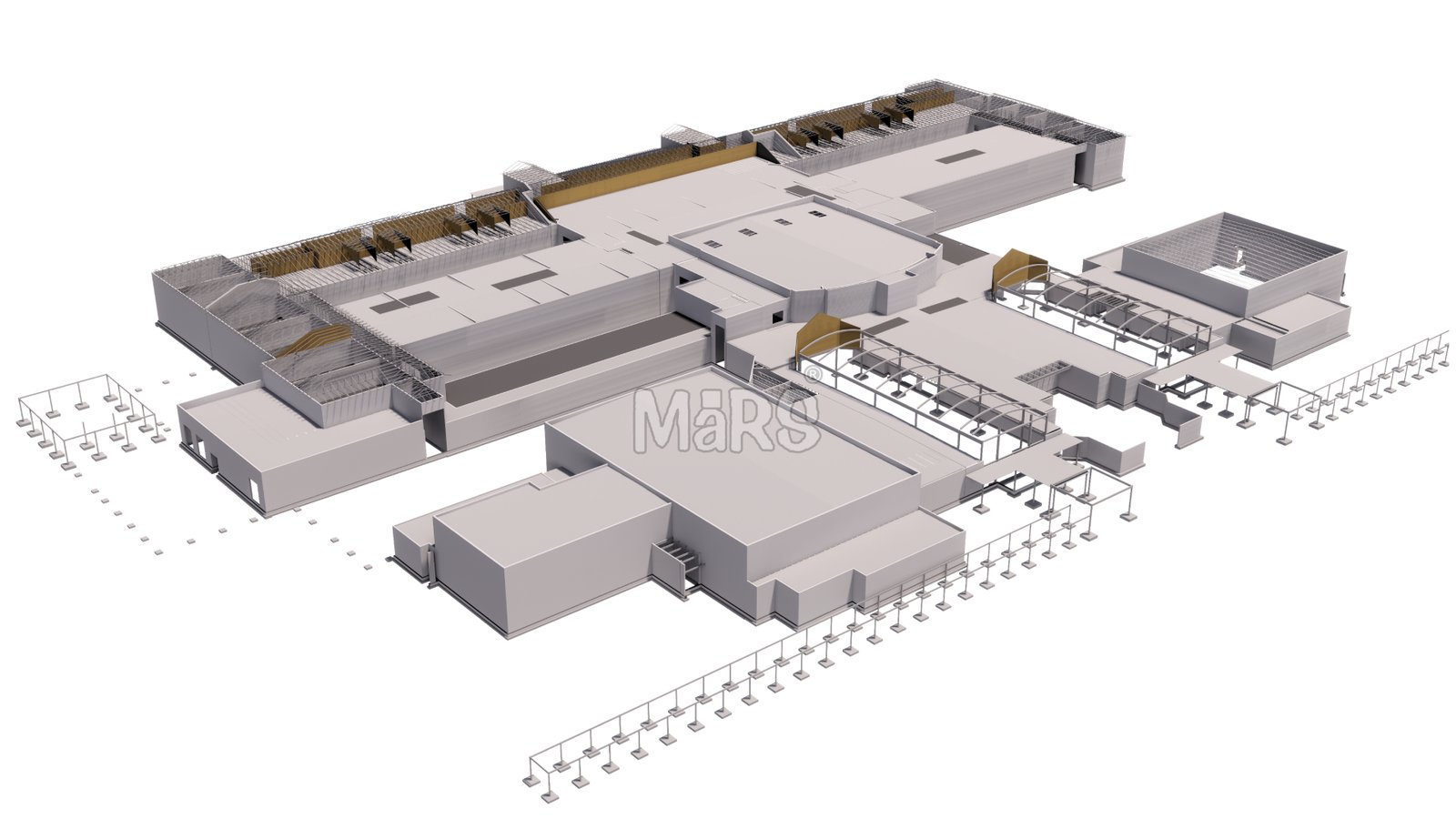
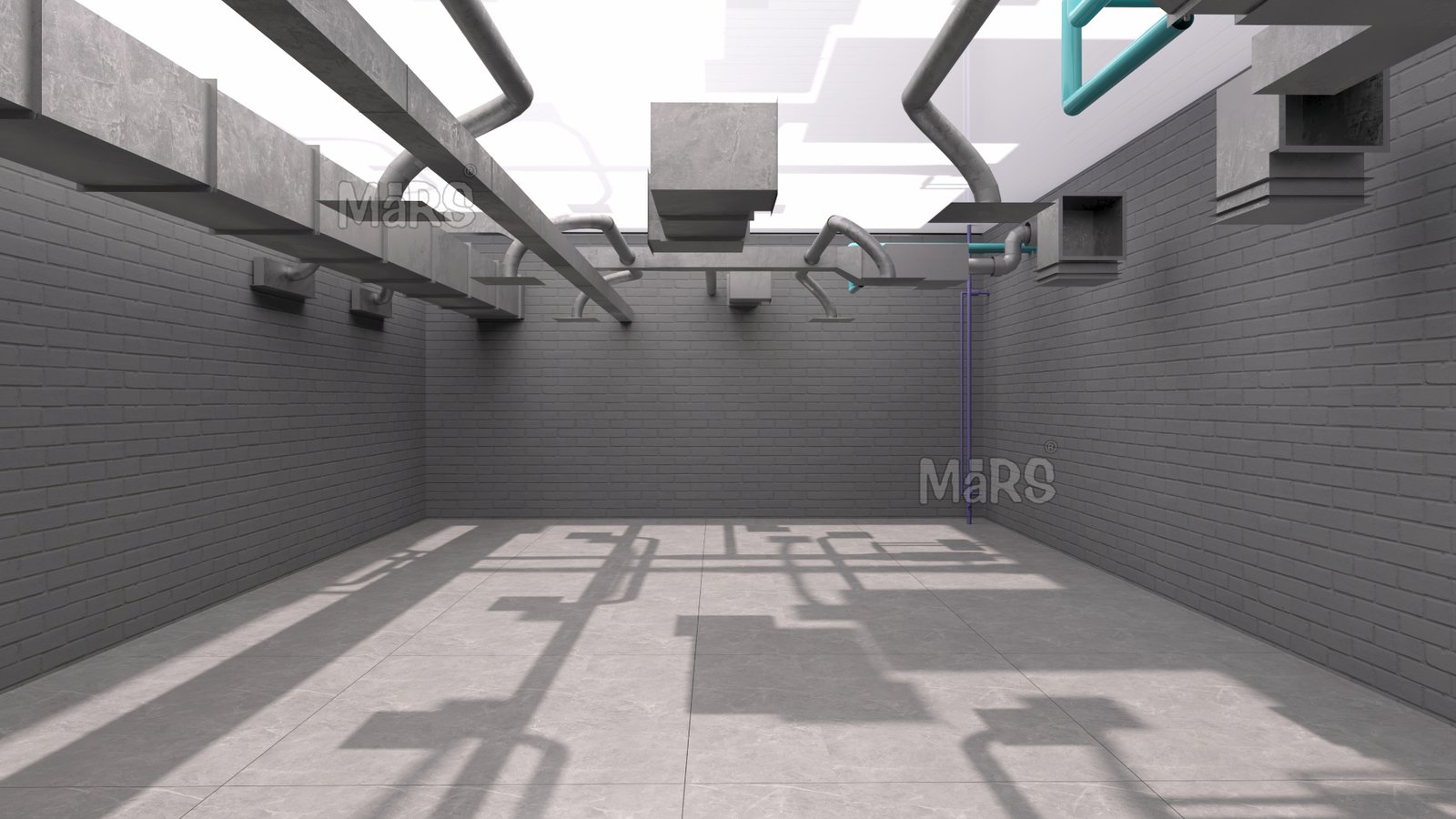
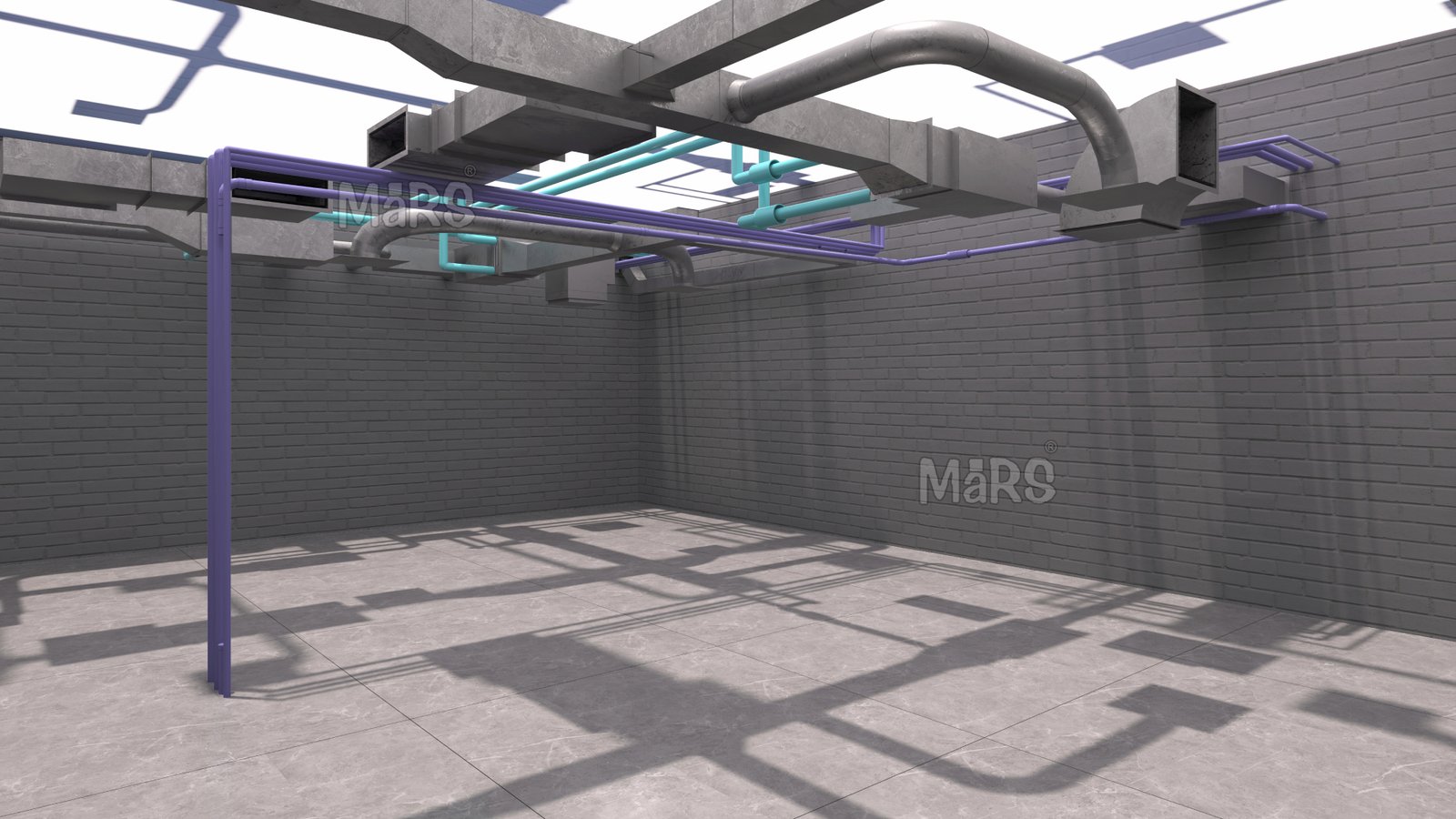
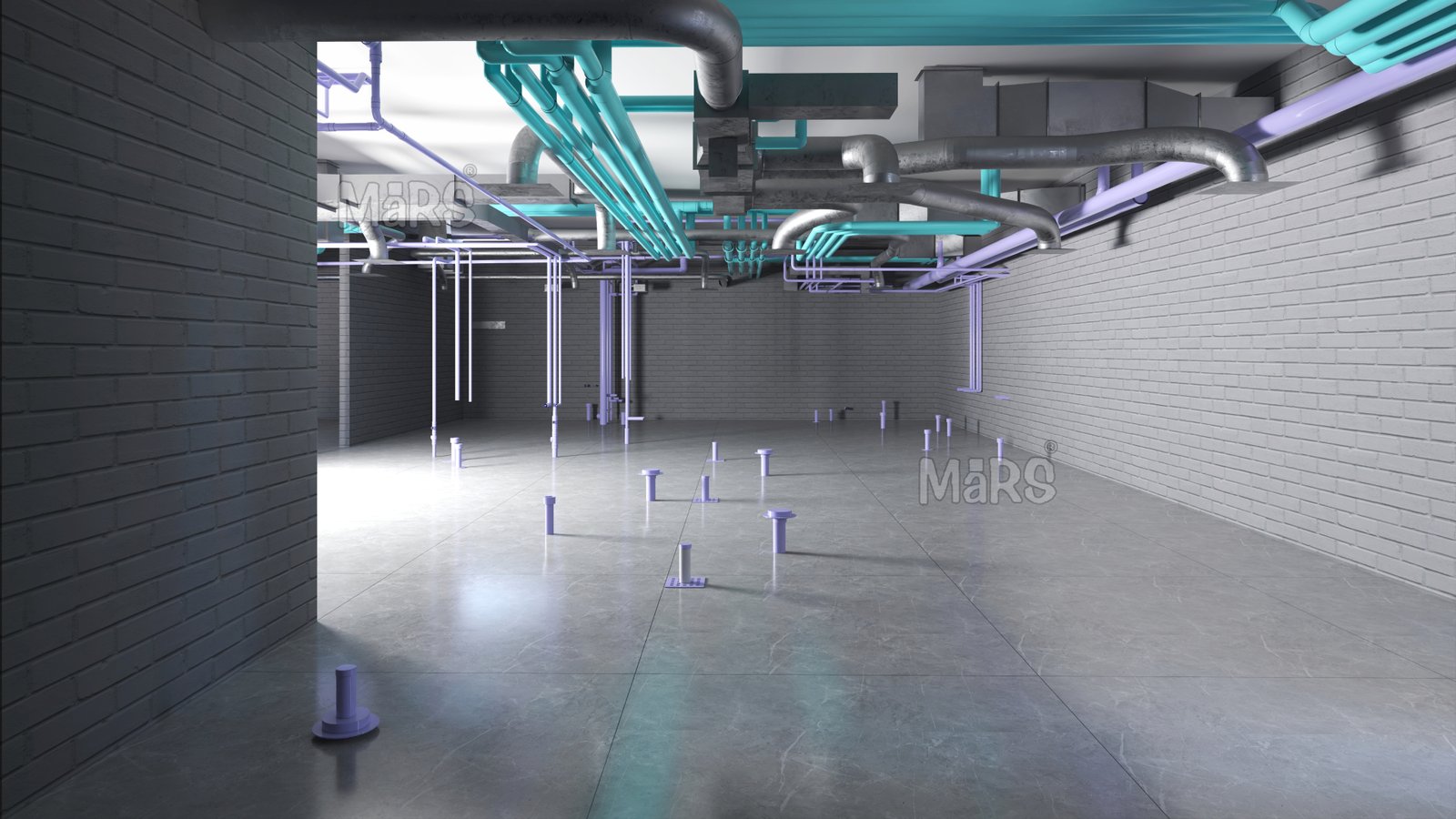
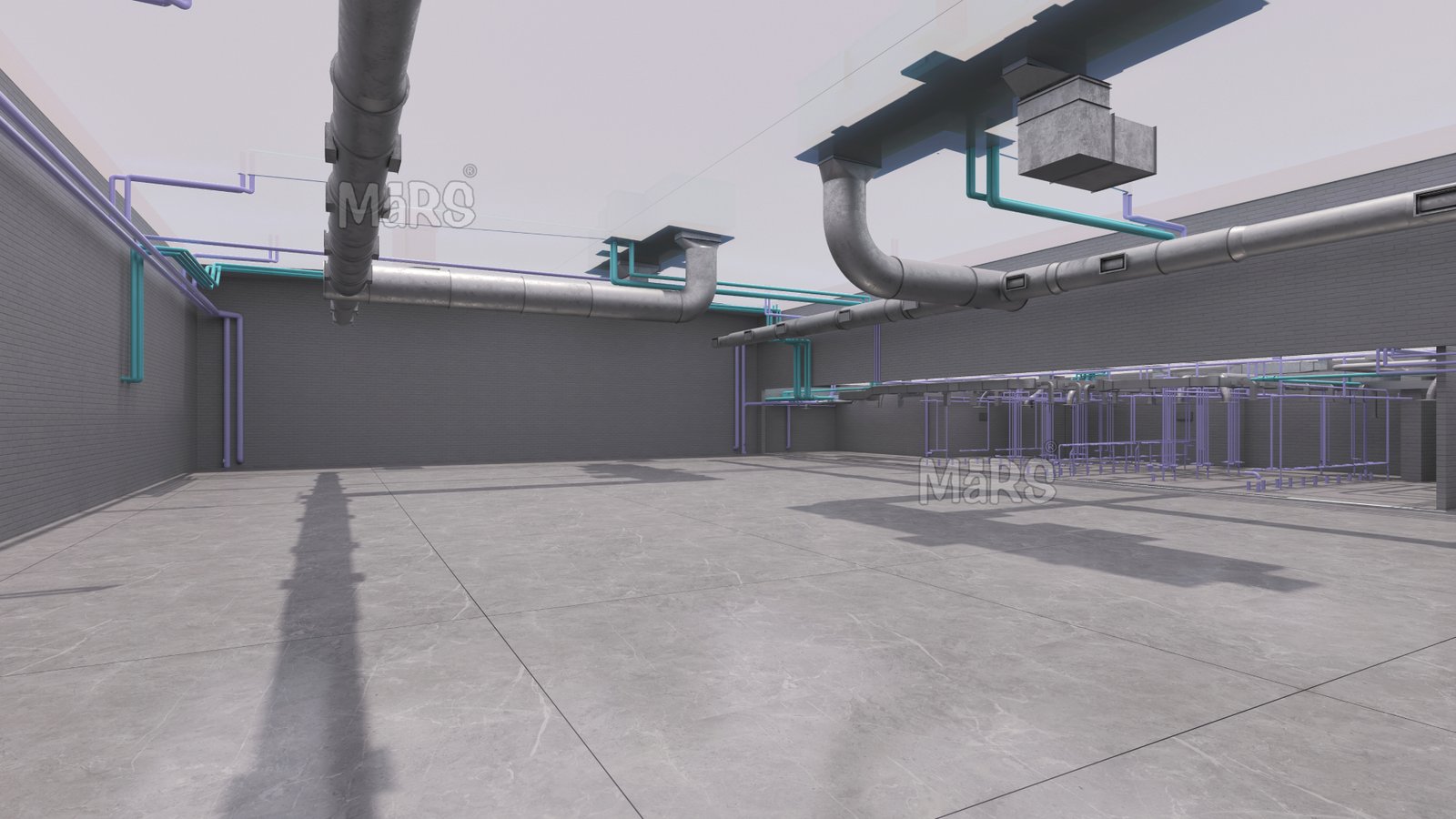
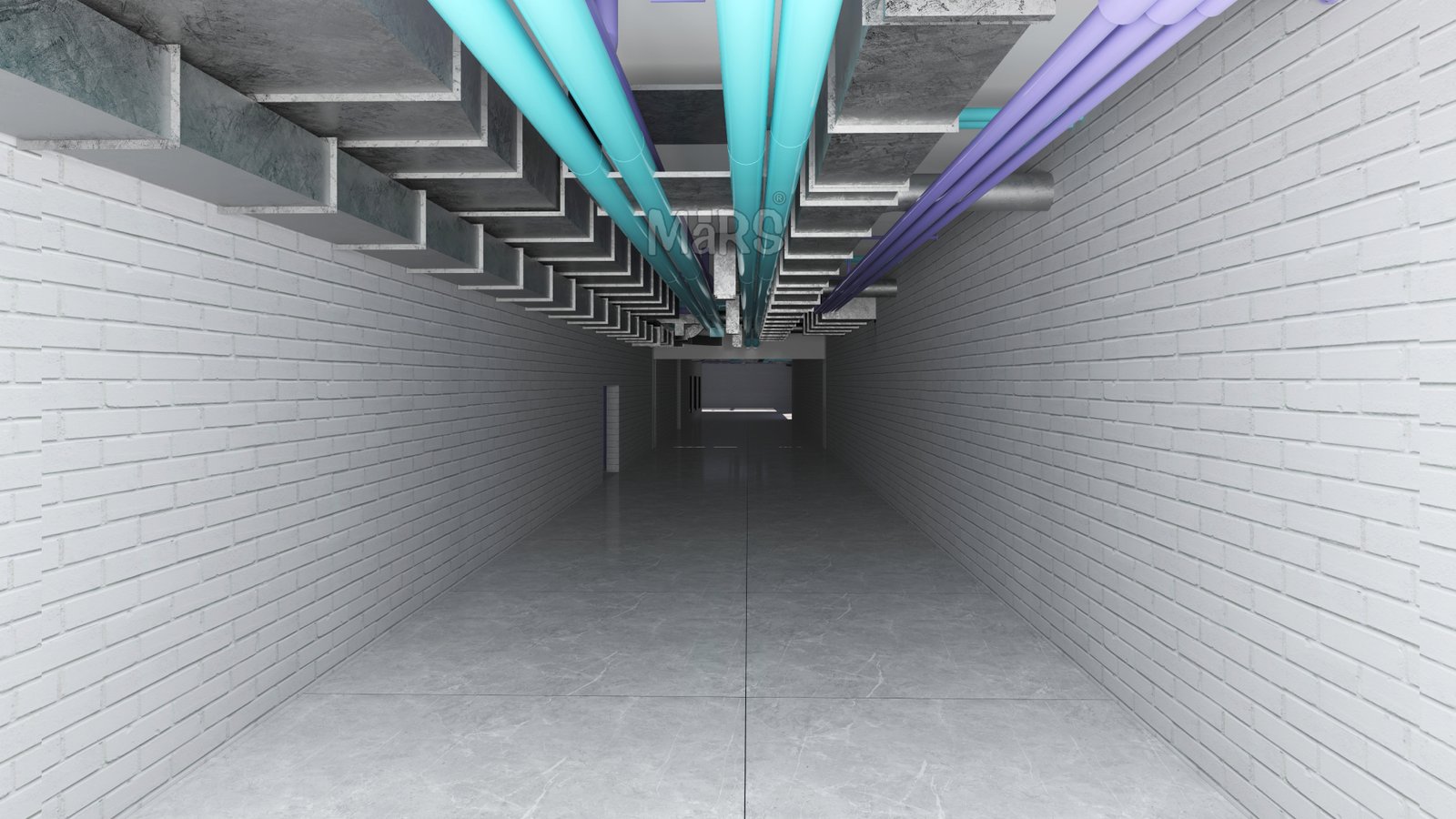
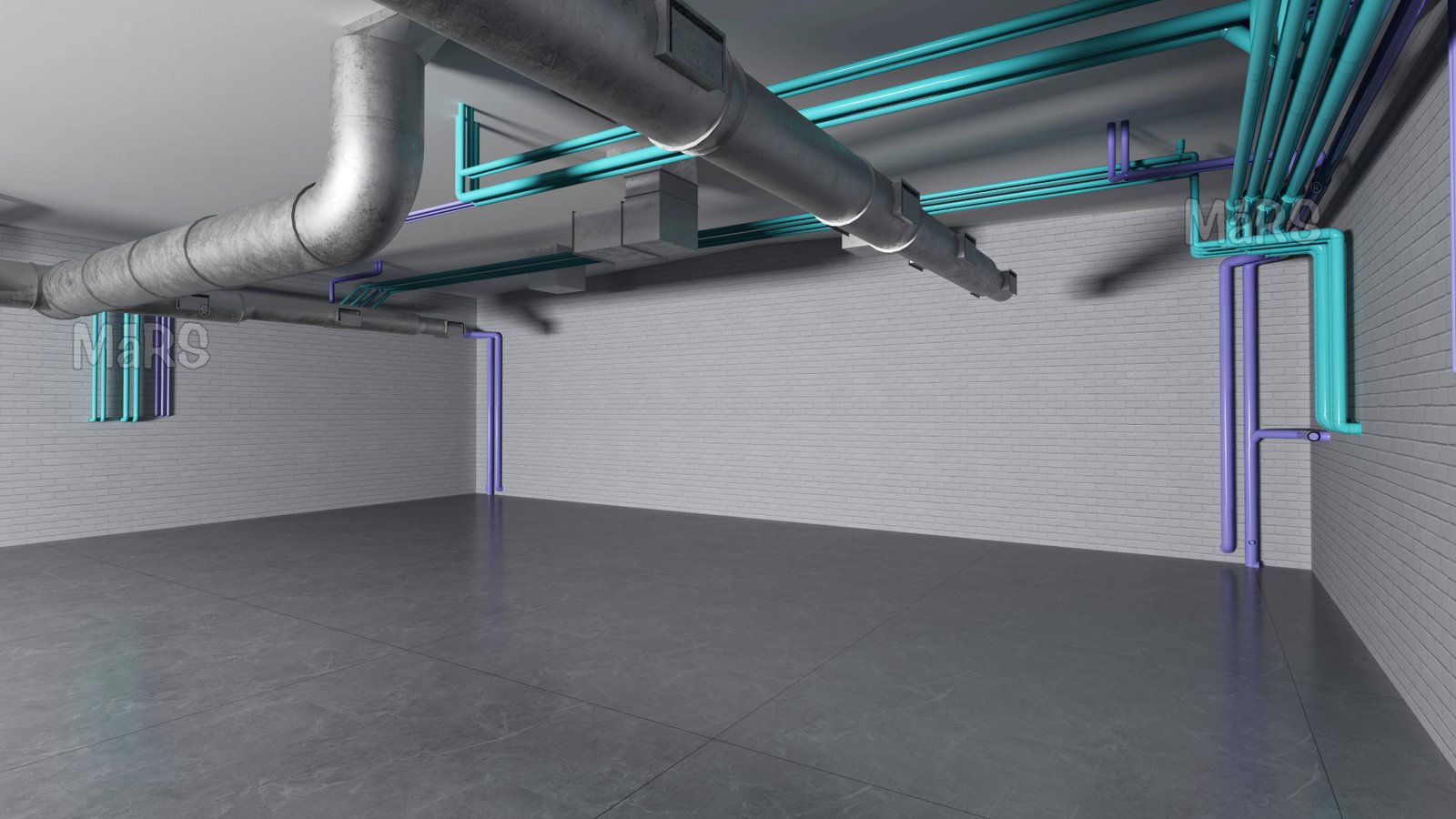
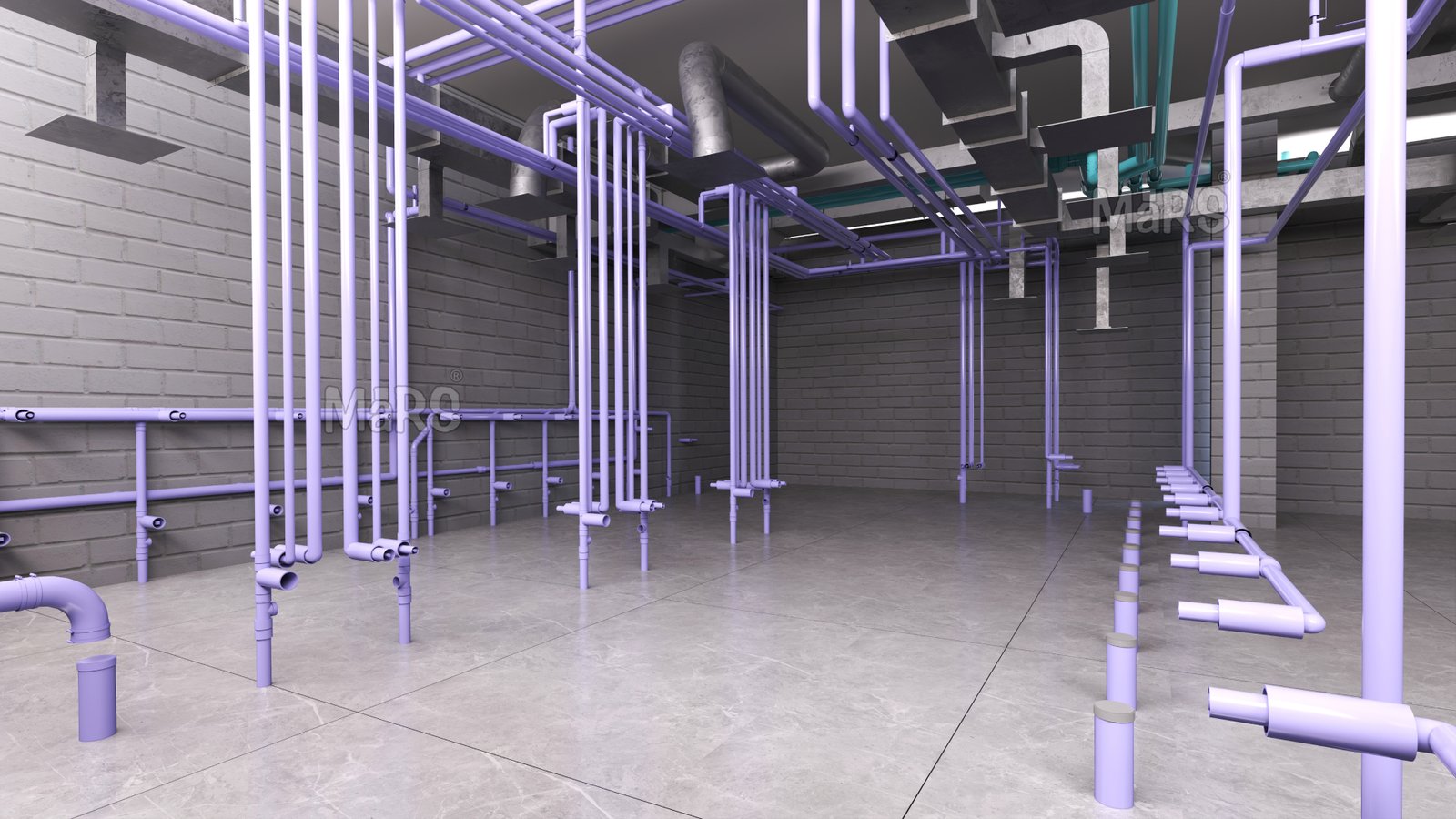
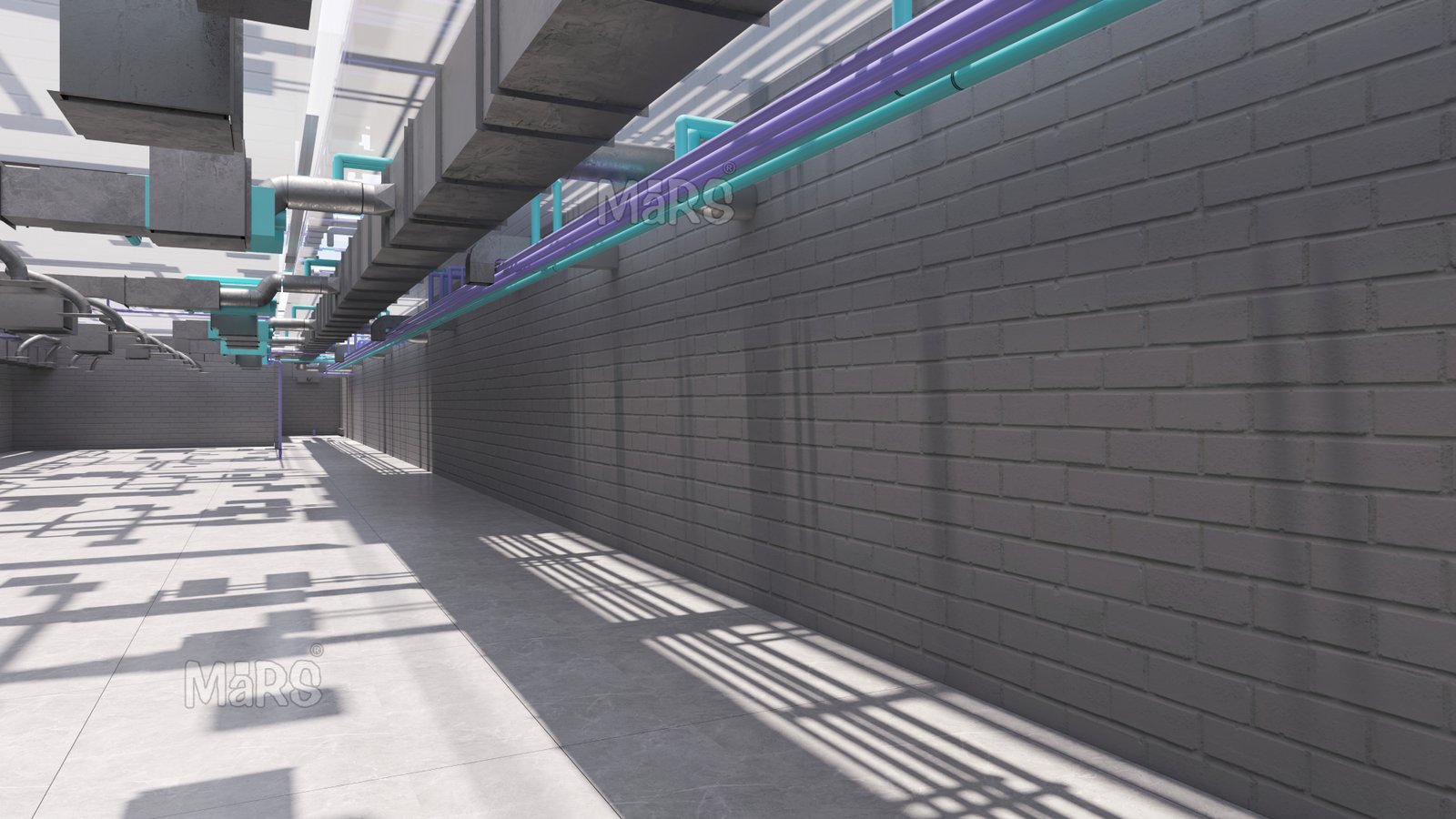
The Mecklenburg Middle/High School Complex is a new two-story, 347,000-square-foot consolidated public school facility developed for Mecklenburg County Public Schools in Baskerville, Virginia. Built on a 173-acre site, the project brings together middle and high school programs under one roof, creating a unified campus designed to serve the long-term educational needs of the community. Beyond the main building, the scope extends across the full site and includes athletic fields, support facilities, parking lots, site lighting, and related road improvements, making it one of the more comprehensive K-12 campus projects in the region.
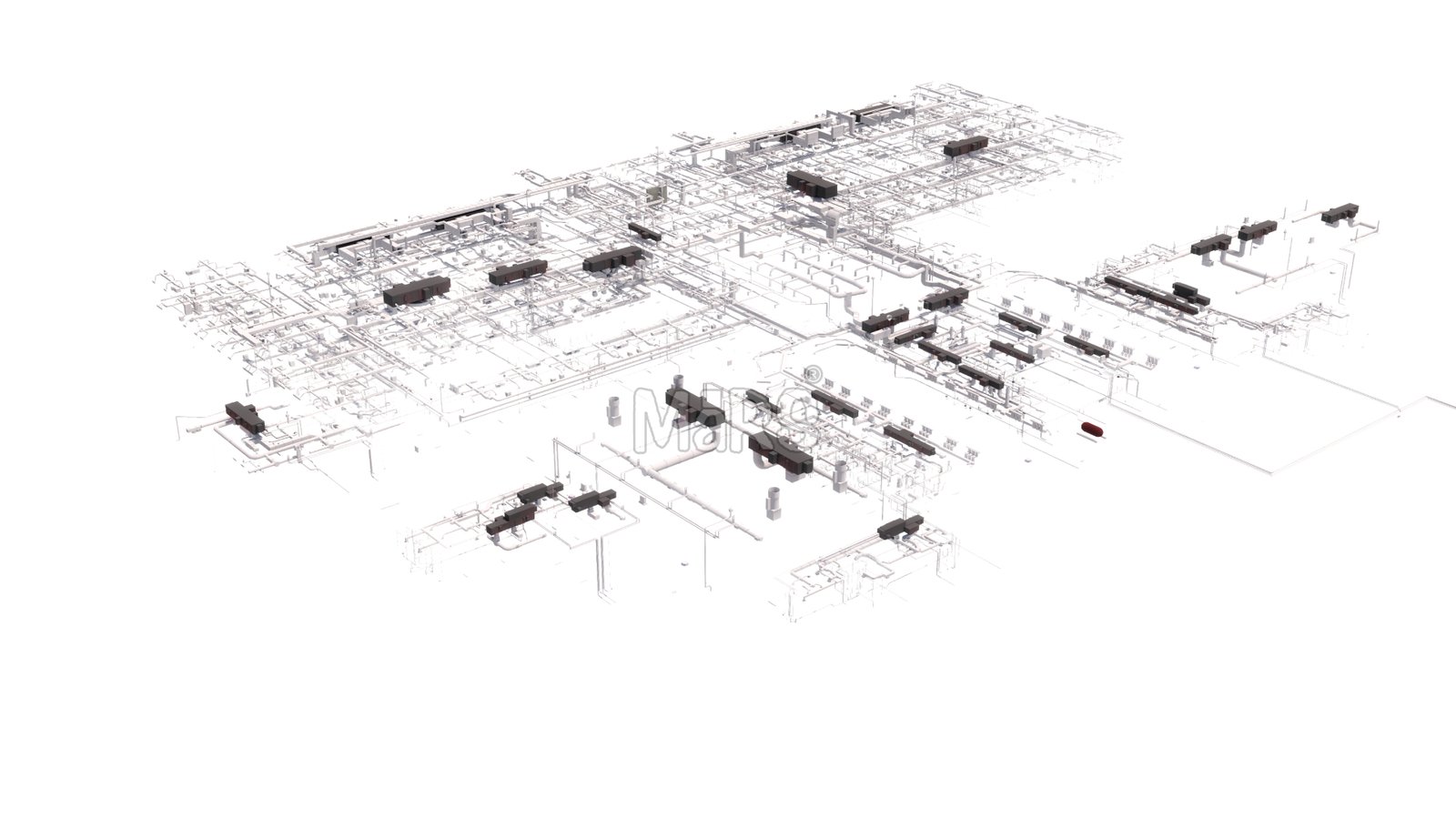
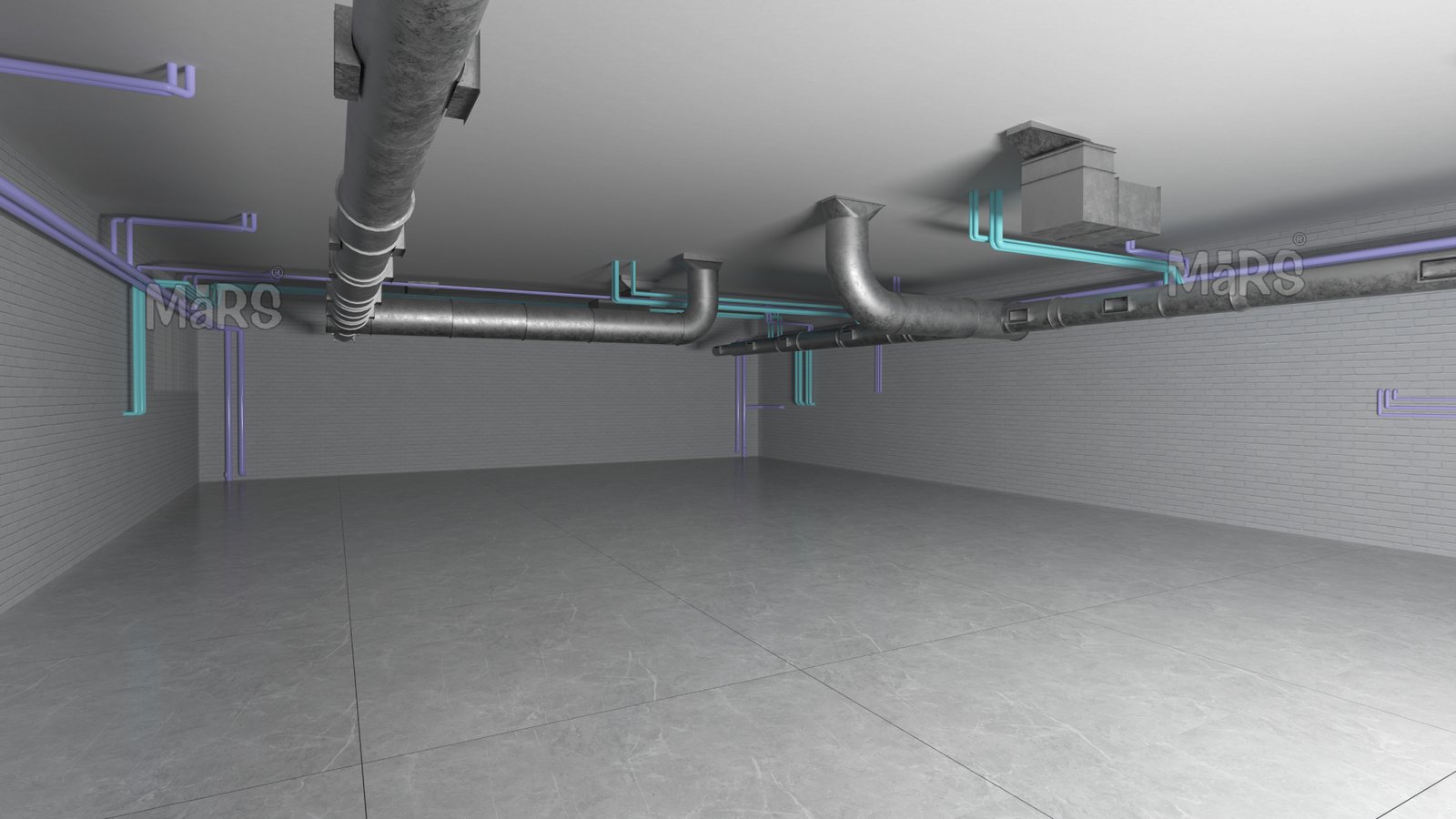
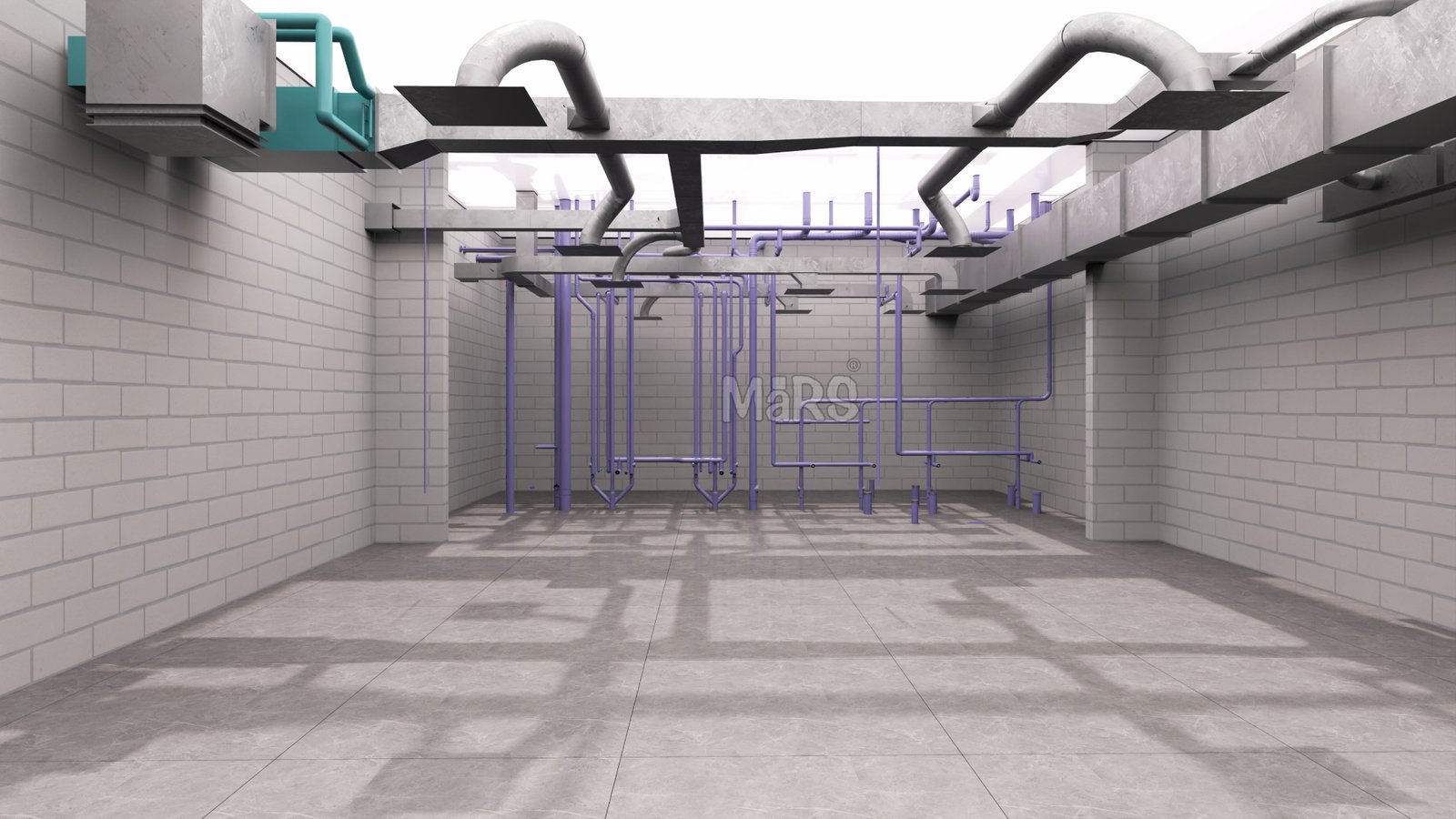
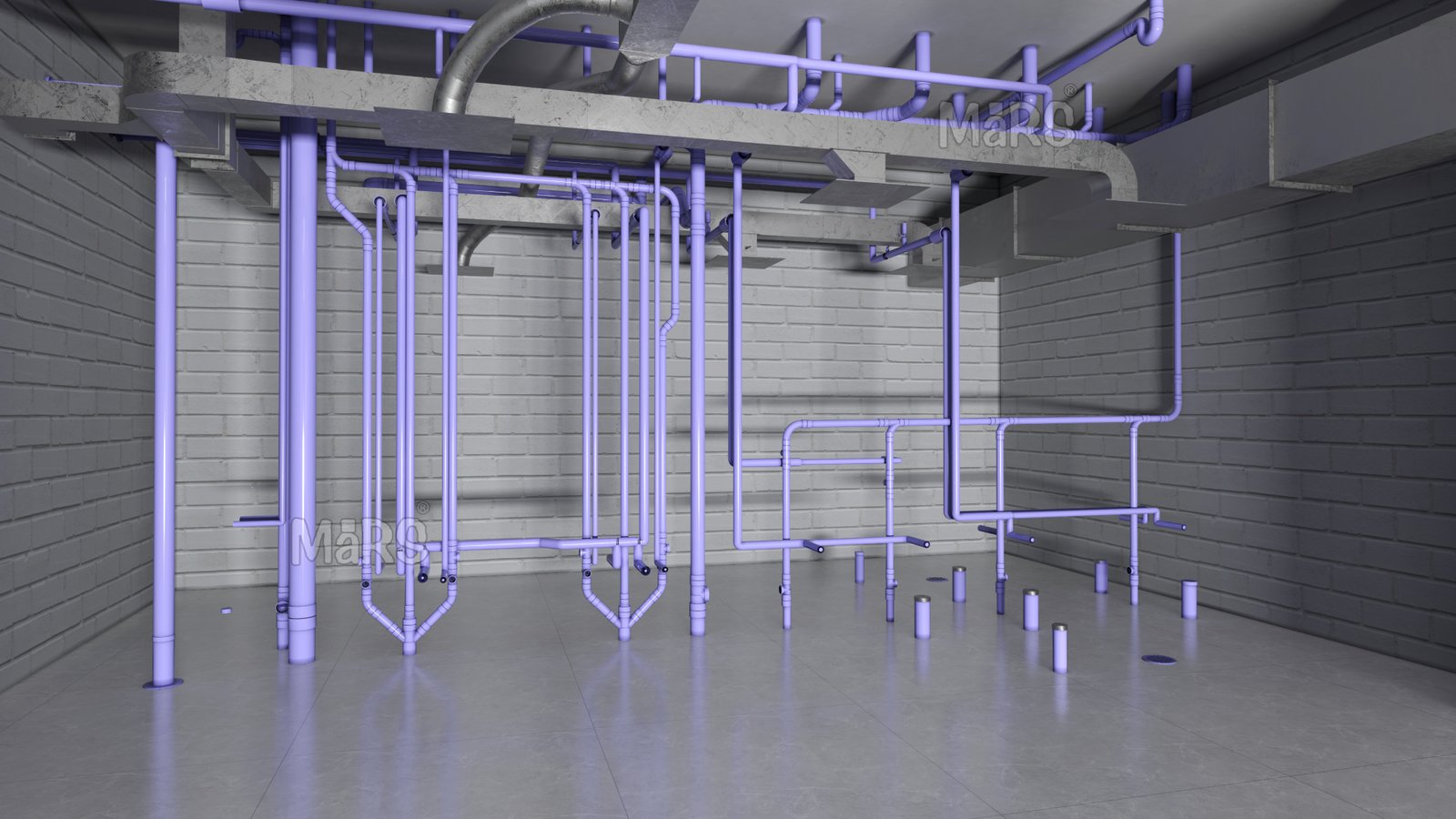
MaRS BIM Solutions delivered full LOD 400 BIM coordination services across architectural, structural, and MEP disciplines throughout the construction phase. Our team supported the contractor with multi-discipline clash detection, shop drawing production, construction documentation, and ongoing model maintenance through Autodesk Construction Cloud. The BIM coordination process proved instrumental in identifying and resolving design and build conflicts early, well before they reached the field, saving the project significant time and cost and keeping construction on track across a large, multi-trade environment.
Why This Project Needed BIM?
01
Scale and Complexity of a Campus
A 347,000-square-foot facility combining middle and high school programs across multiple zones demanded precise coordination across an exceptionally large footprint.
02
Multi-Discipline MEP in an Education
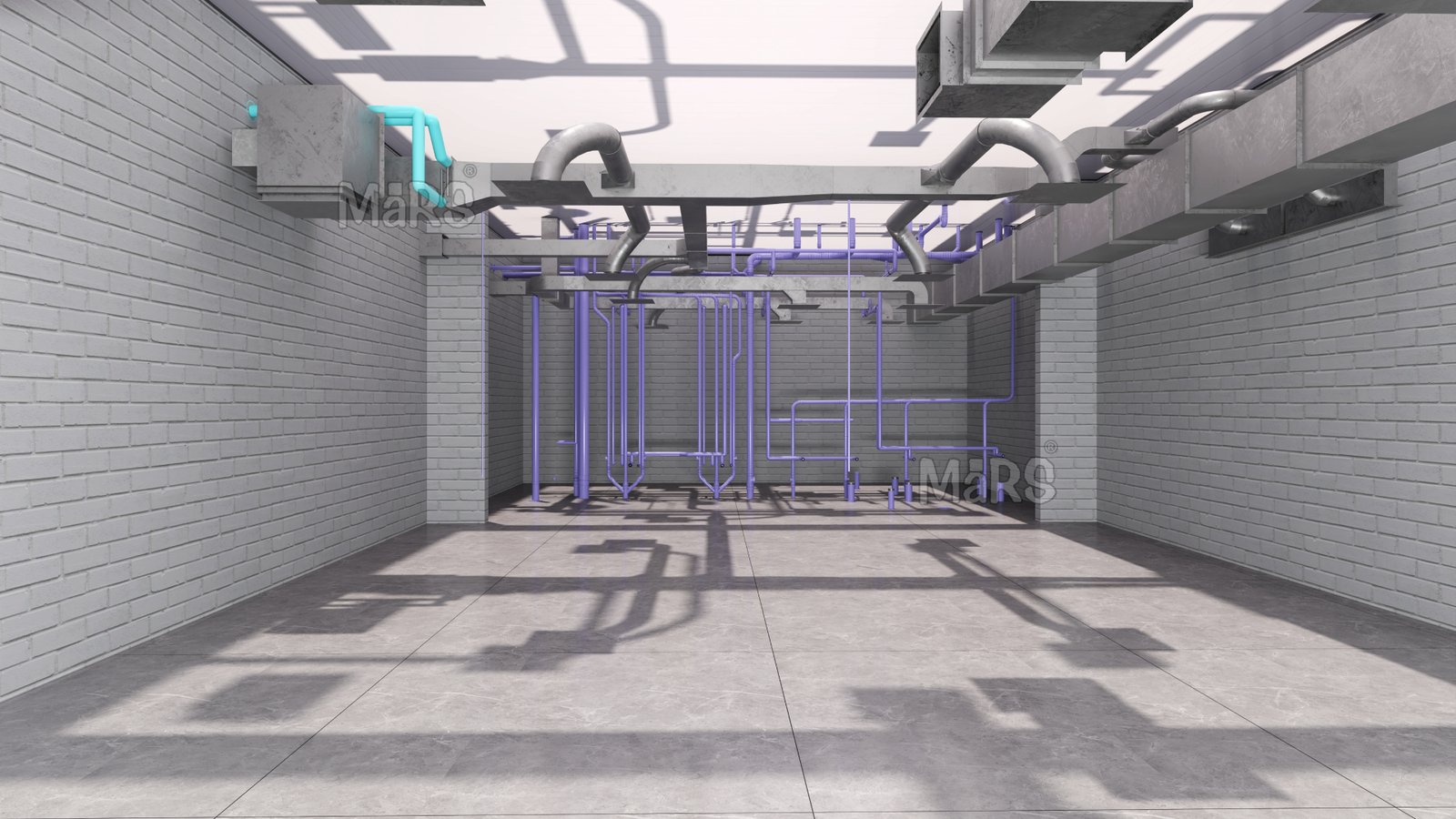
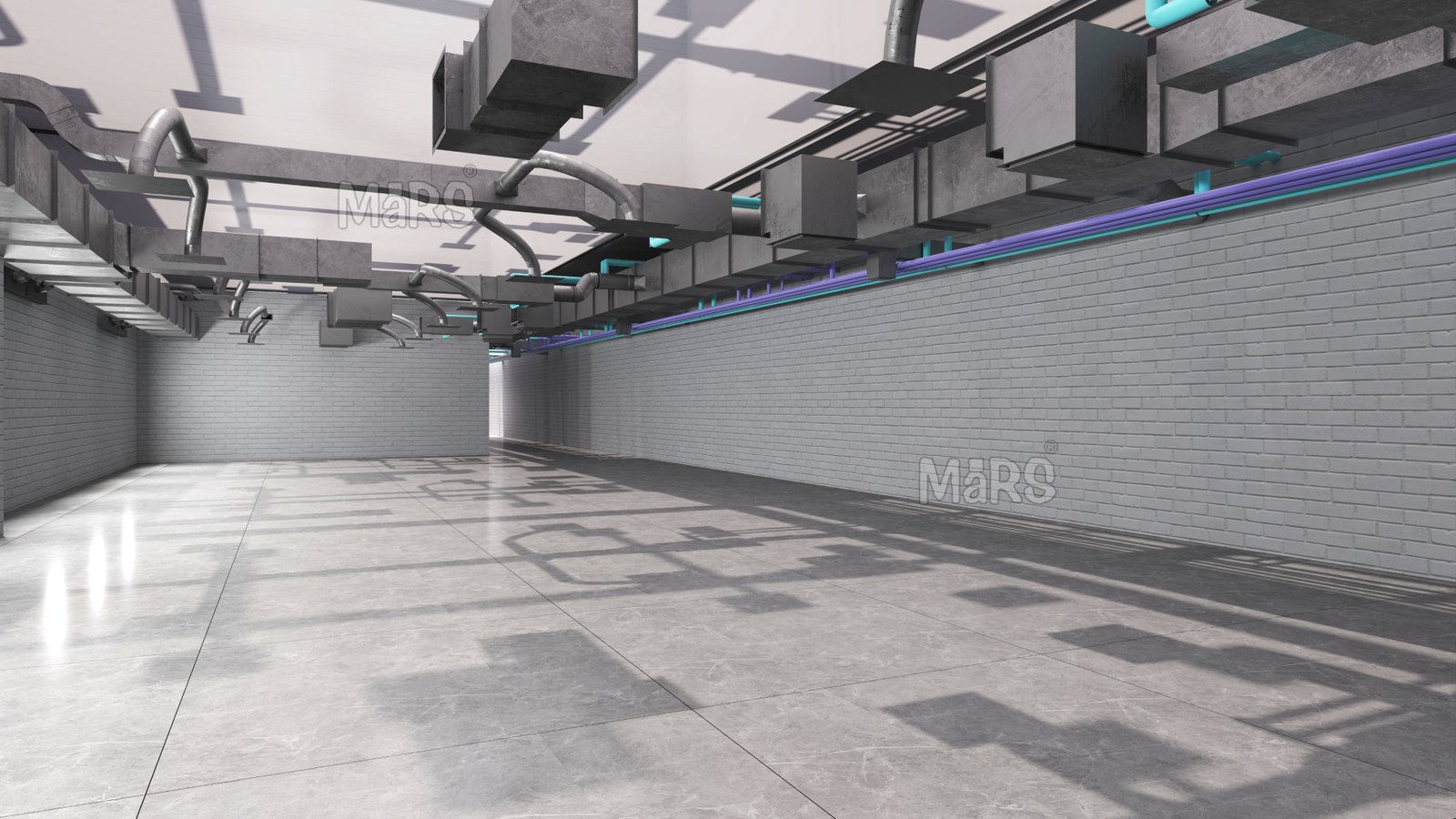
Mechanical, electrical, plumbing, and fire protection systems sharing tight ceiling zones across classrooms, gyms, and support spaces required careful spatial coordination to meet code and access requirements.
03
Early Conflict Resolution
The contractor used BIM to catch and resolve design and build conflicts before they reached the field, avoiding costly rework and schedule delays.
04
Architectural and Structural Interface
Precise modeling of the relationship between architectural elements and structural framing was essential to support accurate shop drawings and smooth field installation.
05
Site-Wide Coordination
Athletic fields, parking, site lighting, and roadwork surrounding the building required coordination well beyond the building envelope across a 173-acre site.
06
Multi-Trade Alignment Through a Single Platform
Autodesk Construction Cloud gave all trade contractors a shared, centralized model and a single source of truth throughout the construction process.
Scope of Work
LOD 400 BIM Modeling (Architectural, Structural, and MEP)
Multi-discipline Clash Detection and Coordination
Shop Drawings for structural and MEP trades
Construction Documentation Support
BIM Model Maintenance through Autodesk Construction Cloud
Coordination Meeting Support
Visual Highlights
Architectural
Structural
MEP
Portfolio Performance Highlights
Showcasing BIM impact in real projects
1+
Clashes Resolved Before Construction
1%
Reduction in MEP-Related RFIs
1
Trade Disciplines Coordinated Simultaneously
Key Challenges
Large Footprint Across Multiple Occupancy Types
The building combines middle school and high school programs with shared athletic and support facilities. Each zone carried different MEP loads, ceiling heights, and coordination requirements, all of which had to be managed within a single federated model.
Structural and MEP Routing Across Two Stories
Vertical distribution routing, floor penetrations, and inter-floor coordination across 347,000 square feet required careful sequencing to avoid conflicts between structural members and MEP systems passing between levels.
Site Infrastructure Integration
Coordinating parking lots, athletic fields, site lighting, and road improvements alongside the main building required BIM to define boundaries, avoid underground conflicts, and support phased site construction.
Contractor-Driven Coordination Schedule
The contractor brought BIM into the workflow as a core coordination tool rather than a documentation afterthought. All modeling and clash resolution activities were timed to support the construction schedule and procurement milestones.
Our Project Execution Strategy
Trade Priority and Sequence Planning
Before LOD 400 modeling began, installation sequences were mapped for each trade. Structural priority zones, MEP routing corridors, and access clearances drove spatial decisions throughout coordination.
System Corridor Definition
Primary distribution zones for mechanical, electrical, and plumbing were established early. Trades worked within defined corridors, reducing conflict density in shared ceiling areas across both floors.
Shop Drawing Integration
Structural and MEP shop drawings were produced directly from the coordinated models, ensuring fabrication geometry matched the field-ready coordination output and reducing review cycles with the design team.
Live Model Coordination Meetings
Regular coordination meetings were conducted using live model walkthroughs in Autodesk Construction Cloud. All open clashes were reviewed, resolution decisions were confirmed with the relevant trades, and action items were tracked to closure each cycle.
Get In Touch
Let’s Talk About Your Next Project
Share your drawings and project scope. We will review and send a proposal within 24 hours.